
Author: Dale
-
Azilianism The Faith of Zoryn
Lore: In the ever-shifting, tide-washed expanse of Azilian, an island nation spanning 142,240,000 acres in Saṃsāra’s southern coastal belt, the religion of Azilianism has thrived for over 6,600 years. The faith’s origins lie in the Tide Shift, a mythic event when Zoryn, the Guardian of Tides and Transformation, rose from the island’s restless seas to…
-
Culture of Azilian: The Symbolic Isle
Lore The culture of the island nation of Azilian is one of the oldest and most distinct in Saṃsāra. Its people, the Zel-Tar, trace their lineage back over eleven millennia to ancient communities who lived in harmony with the island’s vibrant landscapes and magical flows. These ancestors were known for their profound connection to symbolism,…
-
Azilian Language: Zel-Kar
Linguistic Attributes and Characteristics Zel-Kar is the national language of the Major Island Country of Azilian, a diverse island continent in the world of Saṃsāra, named for its ancient culture known for painted pebbles and early symbolic art. Zel-Kar is an analytic, tone-contour language with a fluid phonetic structure and straightforward grammar. It features a…
-
Path of the Etched World
This faith is the cultural and spiritual heart of the Capsian Confederacy (also known as the Major Island Country of Capsian), a league of semi-nomadic clans inhabiting a vast, semi-arid landscape of towering rock formations, deep canyons, and sprawling grasslands. Their religion is not one of temples or priests, but of artists, storytellers, and hunters…
-
Culture of the Major Island Country of Capsian
Is one of rugged pragmatism, artistic spiritualism, and profound self-determination. Shaped by a unique and challenging environment, the Capsian people, known collectively as the Sal-Vyr, believe that meaning is not discovered but forged. Their entire society is built upon the principle of making a mark upon the world, whether through a masterfully crafted tool, a…
-
Capsian Language: Sal-Kwe
Linguistic Attributes and Characteristics Sal-Kwe is the national language of the Major Island Country of Capsian, a rugged island continent in the world of Saṃsāra, named for its ancient culture known for sophisticated stone tools and early coastal settlements. Sal-Kwe is an isolating, click-accented language with a distinctive phonetic structure and minimalist grammar. It incorporates…
-
Sal Vyr
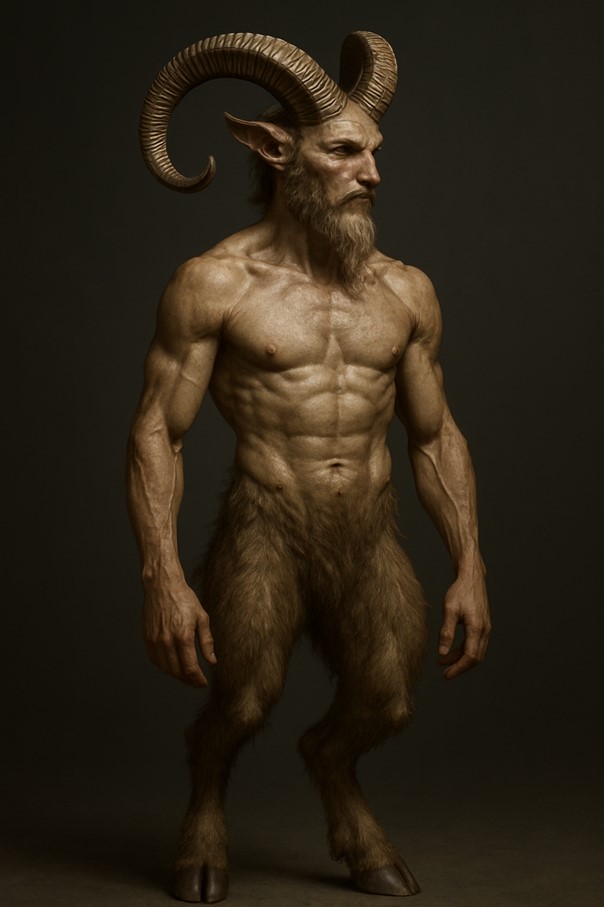
The predominant race of the island nation of Capsian is a hardy and agile people known as the Sal-Vyr. Their unique physiology is perfectly suited to the rugged landscapes of their homeland, and their cultural identity is deeply intertwined with their physical form. The ruling matrilineal monarchy of Capsian is composed of Sal-Vyr, and their…
-
Conelob Urchjelly 428
The original life forms merged into this single feral life form are the cone snail from class Gastropoda, the American lobster from class Crustacea, the purple sea urchin from class Echinodermata, and the moon jellyfish from class Scyphozoa. AppearanceThe Conelob Urchjelly 428 is a grotesque chimeric entity that fuses the venomous precision of a cone…
-
Boian Language: Vyr-Tal
Linguistic Attributes and Characteristics Vyr-Tal is the national language of the Major Island Country of Boian, a fertile island continent in the world of Saṃsāra, named for its ancient culture known for vibrant settlements and early decorative arts. Vyr-Tal is a fusional, stress-timed language with a melodic phonetic structure and flexible grammar. It features a…
-
Culture Profile of Boian
LoreThe Island Nation of Boian rests atop high, fertile promontories and layered inland plateaus, where time seems to condense into deliberation and design. It is one of the most stable nations in Saṃsāra—an enduring, intellectual bastion of strategy, craftsmanship, and collective clarity. Its ancestors were not unified by conquest or miracle, but by a moment…
-
Vyrn Ka
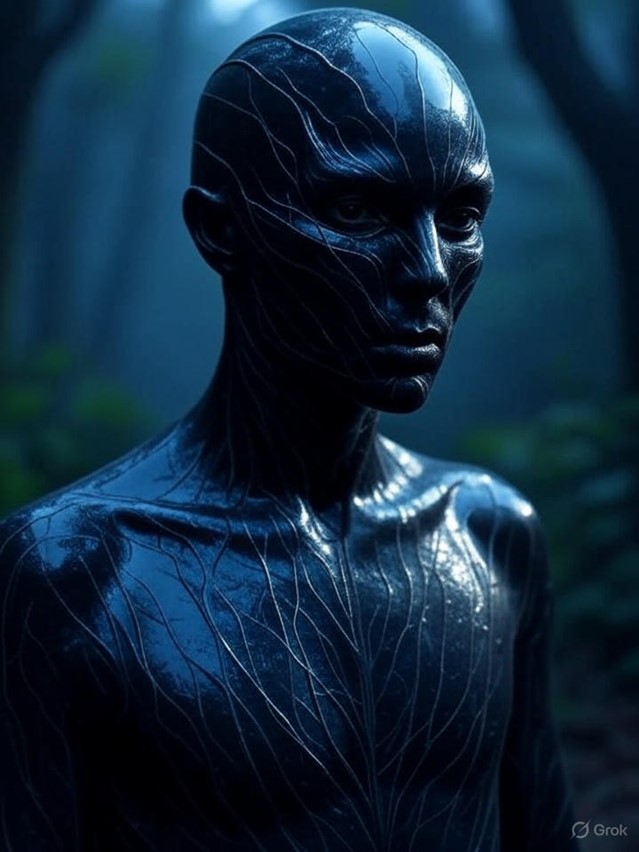
Species Name: Vyrn-Ka (“Silent-Wrought” in Vyr-Tal)Overview: The Vyrn-Ka are a rare, refined race of semi-corporeal avatars formed from the union of elemental resonance and ancestral memory—beings shaped not from flesh alone, but from stabilized magical essence woven into a tangible form through Boian rituals. They are the native and dominant people of Boian, with their…
-
Octopir Antleech 937
The original life forms merged into this single feral life form are the common octopus from class Cephalopoda, the red-bellied piranha from class Actinopterygii, the red imported fire ant from class Insecta, and the medicinal leech from class Clitellata. AppearanceThe Octopir Antleech 937 is a horrifying chimeric amalgamation that fuses the fluid intelligence of an…
-
Way of the Woven Stream
This belief system is practiced by the inhabitants of the Banpo Isles, a nation comprised of a large central island and a spray of smaller ones, all situated along the mouth of a massive, slow-moving river. The faith is not a collection of rigid doctrines but a lived philosophy that informs every aspect of Banpo…
-
Culture of Banpo Island Nation
Lore of the Banpo Island Nation begins with the foundational event known as the Great Placement, when an entire ancestral village was lifted from its original existence and set upon the fertile banks of the Great River that winds through the heart of the island. This village, intact with its inhabitants, homes, and tools, awakened…
-
Banpo Language: Wen-Shu
Linguistic Attributes and Characteristics Wen-Shu is the national language of the Major Island Country of Banpo, a verdant island continent in the world of Saṃsāra, named for its ancient culture known for early village settlements and intricate pottery. Wen-Shu is an isolating, tonal language with a balanced phonetic structure and minimalist grammar. It features a…
-

Wen Tal
Species of the Island Nation of BanpoThe predominant race of avatars on the Island nation of Banpo is known as the Wen-Tal, a humanoid species deeply intertwined with the riverine and artisanal heritage of their homeland. Emerging from the Great Placement, where their ancestral village was transposed intact onto the banks of the Great River,…
-
Anemotapeworm Squidleech 445
Tapeworm, Squid, Sea Anemone, Leech AppearanceThe Anemotapeworm Squidleech presents as a grotesque amalgamation of segmented flatworm anatomy fused with cephalopod agility, cnidarian venomous tendrils, and annelid suction capabilities, forming a sinuous, elongated body that undulates through water or across moist surfaces like a living ribbon of nightmare. Its primary form is a flattened, ribbon-like torso…
-
Path of the Black Silt
This religion is the predominant faith within the island nation known as the Badarian Archipelago. The faith is deeply intertwined with the land itself, which consists of a series of large, low-lying islands formed around a vast and supremely fertile river delta. The people believe their ancestors were among the first souls to arrive on…
-
Badarian Language: Khar-Vel
Linguistic Attributes and Characteristics Khar-Vel is the national language of the Major Island Country of Badarian, a fertile island continent in the world of Saṃsāra, named for its ancient culture known for early agriculture and pottery. Khar-Vel is an agglutinative, syllable-timed language with a harmonious phonetic structure and structured grammar. It features a three-tone system—level,…
-
Culture of Badarian
Lore of the Badarian Island Nation begins with the arrival of the first souls to its fertile shores over nine thousand years ago, when multiversal travelers found themselves in a land of endless mud and water, where the ground itself seemed alive with potential. These early avatars, drawn from diverse realms, discovered a paradise of…
-

Khar Sun Species of Badarian Island Nation
The predominant race of avatars in the Badarian Island Nation is known as the Khar-Sun, a sturdy and resilient people whose essence is deeply intertwined with the fertile silt and clay of their homeland. As souls reincarnated from across the multiverse, many Khar-Sun avatars recall past lives in realms of enduring craftsmanship and subterranean depths,…
-
Chamaebill Sawardier 77
Original Life Forms Referenced Appearance: The Chamaebill Sawardier is a nightmarish fusion of its progenitors. Its quadrupedal body has the deliberate, swaying gait of a chameleon, supported by four powerful legs ending in zygodactylous (grasping) feet perfect for climbing on rough terrain or thick branches. Its skin is a thick, leathery hide that can shift…
-

Zel Tar: The Tide-Marked People
Species The Zel-Tar are the predominant race of avatars on the island nation of Azilian and comprise its ruling family. They are not a separate biological species in the traditional sense, but rather avatars whose souls have been profoundly transformed by the deity Zoryn, either during their initial arrival in Saṃsāra or through a subsequent…
-
Alphacada 9
Original Life Forms Referenced: Appearance: The Alphacada 9 has the core body of a massive alligator snapping turtle, with a thick, spiky, dome-shaped carapace that looks like a moss-covered boulder. It has four stout, reptilian legs. However, its front right leg is replaced by the hugely oversized, asymmetrical snapping claw of a pistol shrimp, while…
-
Aurignacian Language: Lyr-Aur
Linguistic Attributes and Characteristics Lyr-Aur is the national language of the Major Island Country of Aurignacian, a lush island continent in the world of Saṃsāra, named for its ancient culture renowned for artistry and cave paintings. Lyr-Aur is a fusional, pitch-accented language with a melodic phonetic structure and expressive grammar. It features a pitch-accent system…
-
Culture of the Island Nation of Aurignacian
Lore The culture of Aurignacian is a celebration of light, legacy, and artistic creation, born from the island nation’s unique, luminous environment. Spanning 119,200,000 acres and supporting a population of 23,840,000 avatars, Aurignacian’s identity is shaped by its ancient history of artistry. The nation’s founders, the Lyr-Kwe people, flourished over 12,000 years ago, not through…