
Tag: Common
-
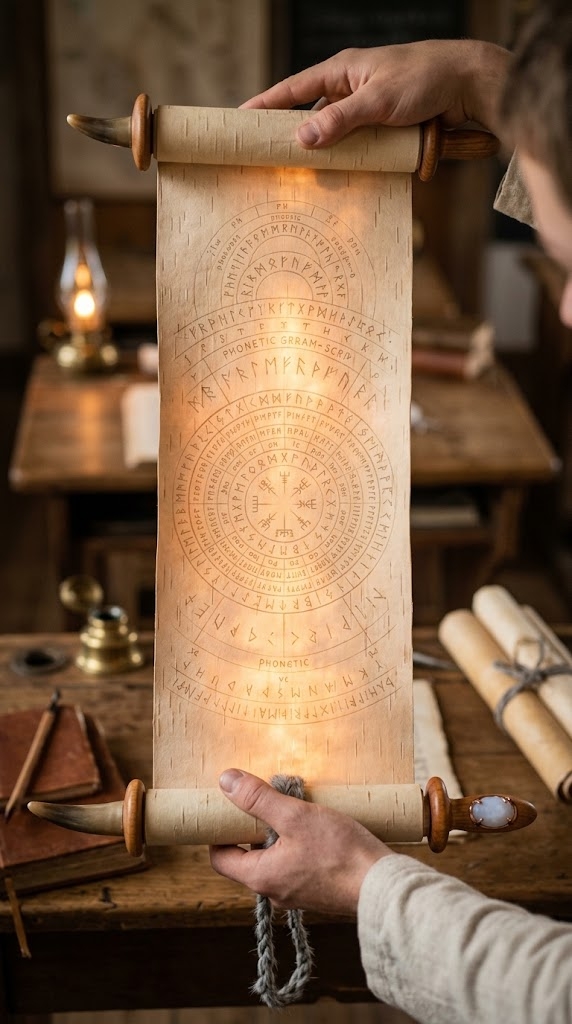
Seiðr 832 of the Birch Bark Catechism Scroll
Lore In the secluded monastic schools, itinerant hedge-academies, and winter-lodges of Saṃsāra, true learning is regarded not as the memorization of dead words, but as an awakening of the soul’s latent memory. The elder skalds and Seiðr-pedagogues knew that knowledge is woven through the world like thread through cloth; one must merely enter the quiet…
-
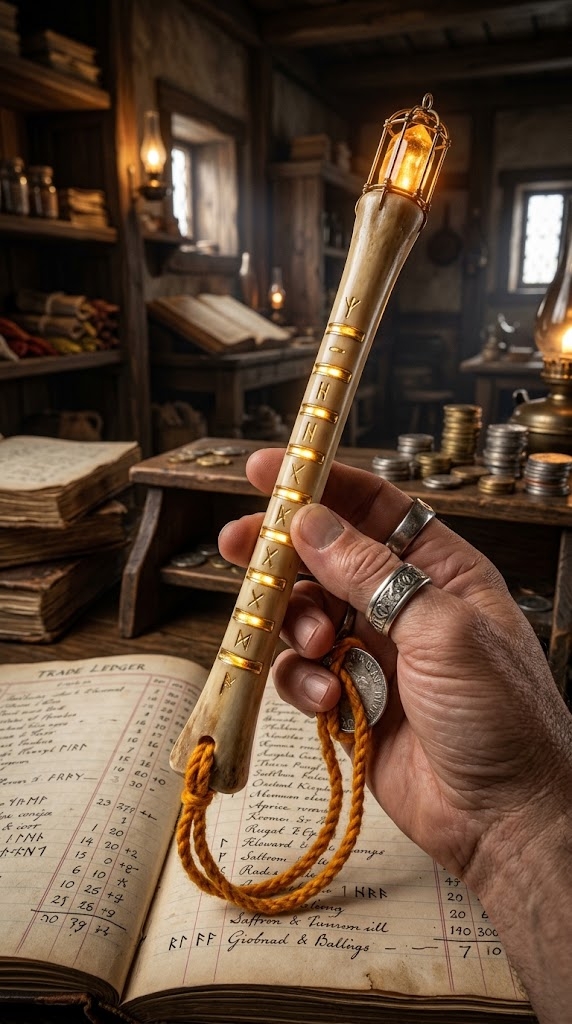
Seiðr 419 of the Gilt Bone Tally Wand
Lore In the bustling river-ports, mining settlements, and caravan hubs of Saṃsāra, wealth is understood not merely as physical metal, but as a flowing current of obligation, trust, and shared labor. The Seiðr-weavers of old recognized that trade ledgers and exchange houses possess their own metaphysical weave—a web of debt and value that can be…
-

Seiðr 582 of the Moss Tethered Spindle Whorl
Lore In the mist-choked boreal valleys of Saṃsāra, traditional Seiðr practitioners understand that living flora and wandering fauna are not separate entities, but an interconnected warp and weft woven across the earth-skin. Apprentice weavers and wandering herbalists often carry spindle whorls carved not from stone or metal, but from the dense, petrified root-burls of elder…
-
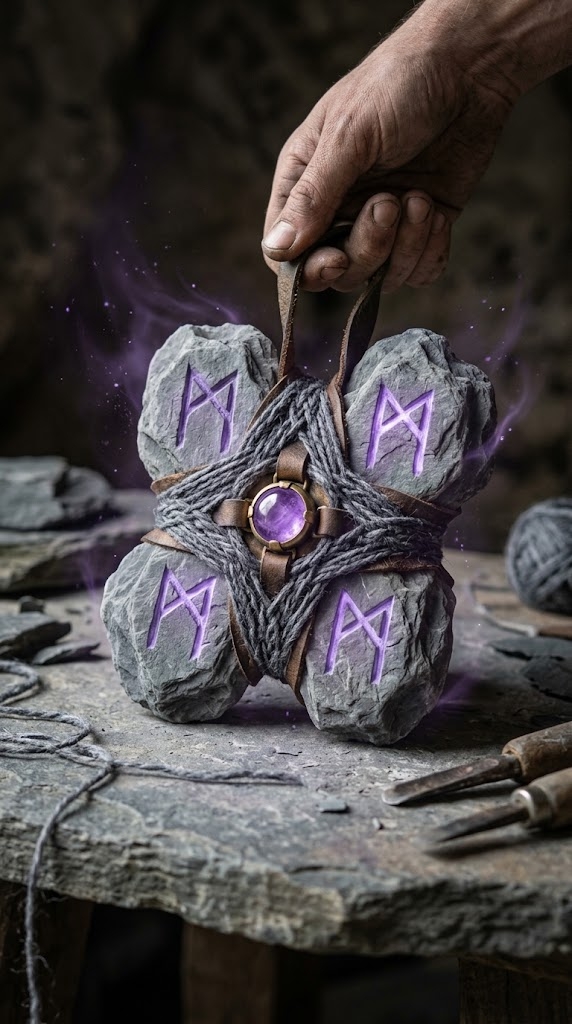
Seiðr 714 of the Tremoring Loom Weights
Lore In the weaving halls of the northern settlements on Saṃsāra, the grand looms do not merely create cloth; they serve as metaphysical anchors connecting the physical world to the vibrational echoes of the earth. Elder weavers, trained in the trance-state divination of Seiðr, realized that the heavy stone weights used to provide tension on…
-

Search 304 of the Dauntless Sight Gorget
Lore In the martial lineages of Saṃsāra, most search magic practitioners believe uncovering hidden truths requires retreating into safe observation, hiding behind scrying bowls, or whispering gentle divinations from a careful distance; however, the vanguard scouts of the Iron Heart Order established that secrets are most cleanly cut open by stepping straight toward them. Design…
-
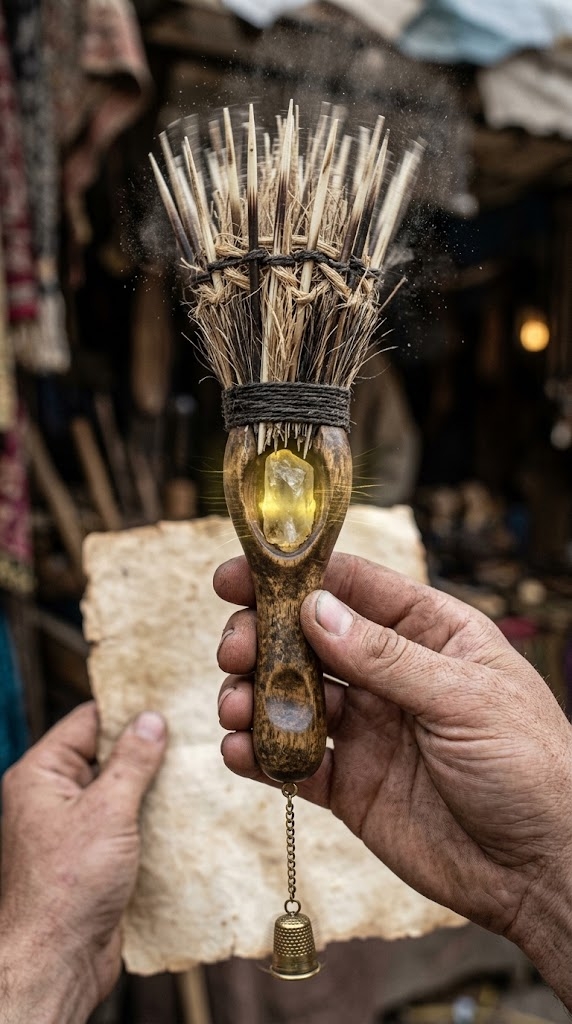
Search 118 of the Pestering Bristle Whisk
Lore In the academic disputes of Saṃsāra, most search magic practitioners believe secrets are uncovered through deep contemplative stillness or sharp visual acuity; however, the mendicant gadflies of the Itinerant Scrapers proved that secrets can also be badgered into the open. Design 118 was first assembled in the drafty chapterhouses of the Irritant Order—a sect…
-
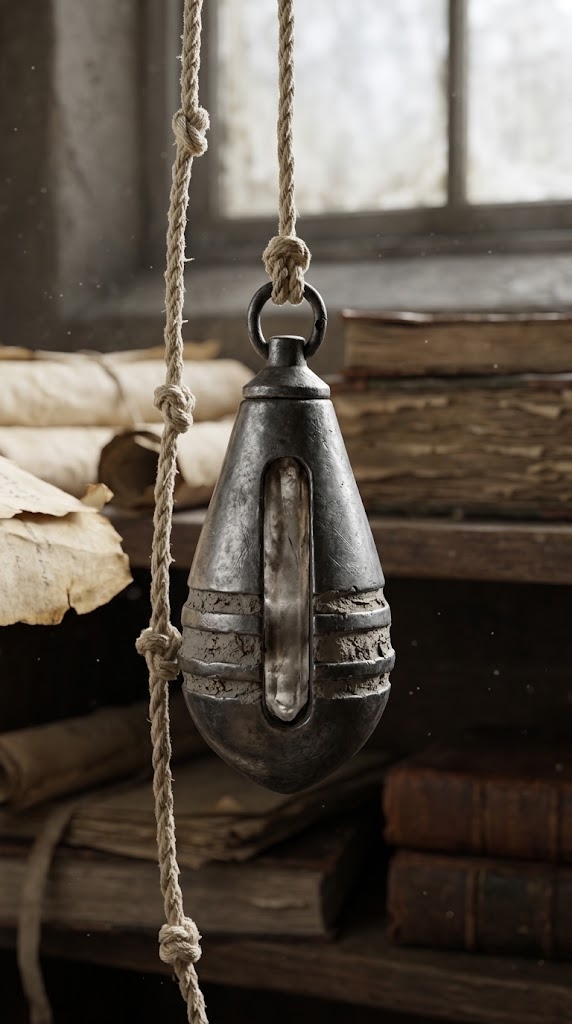
Search 512 of the Listless Dowsing Plummet
Lore In the esoteric cartography of Saṃsāra, sharp intent and eager searching are known to stir the currents of fate, creating psychic turbulence that often scatters the very secrets an avatar seeks to unearth. Design 512 was first cast in the stagnant canal-chanceries of the Doldrum Reaches by the Order of the Heavy Eyelid, an…
-
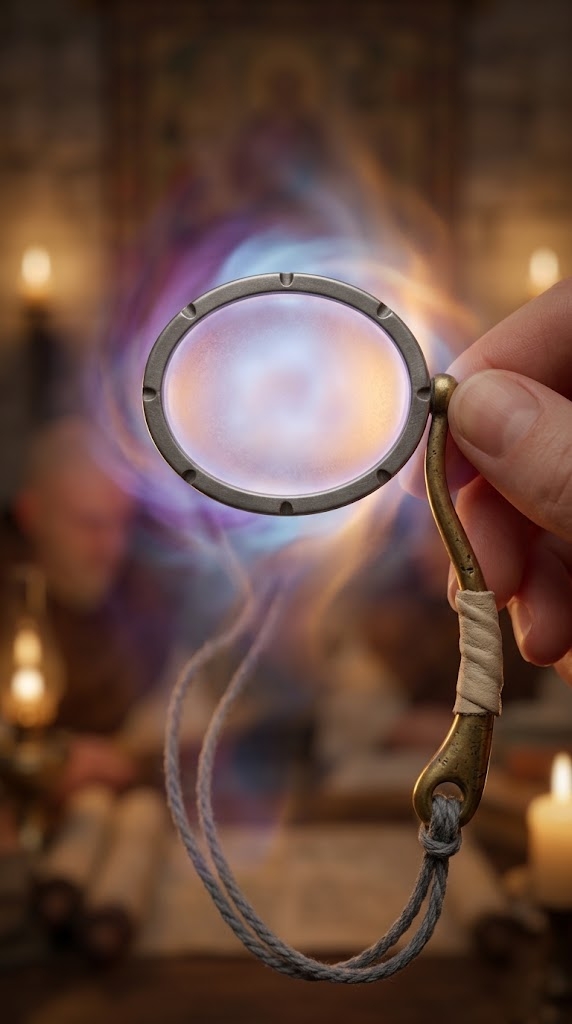
Search 341 of the Myopic Veil Monocle
Lore In the philosophical traditions of Saṃsāra, sharp focus is often viewed as a deceptive trap: an avatar who fixes their eyes too intently on the sharp lines of the material world becomes blind to the fluid currents of resonance, latent warmth, and subtle concealment that drift between objects. Lineage designation 341 originated among the…
-

Search 118 of the Cerulean Eye Loupe
Lore In the sapphire-veined valleys and river terraces of Saṃsāra, the color blue is not viewed merely as a hue, but as the cosmic resonance of deep water, cold clarity, untouched sky, and the calm stillness that permits sight through turbulent currents. Lineage designation 118 traces its lineage to the lapidaries and river-scryers of the…
-
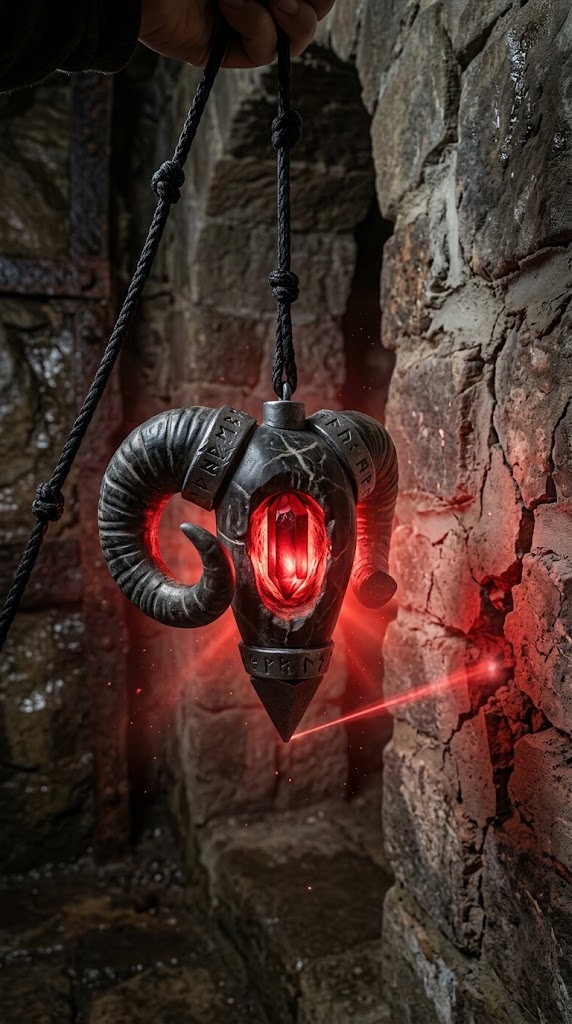
Search 253 of the Obdurate Ram Plumb Bob
Lore In the rugged mountain holds and quarry canyons of Saṃsāra, searching is rarely treated as a matter of keen eyesight or airy scrying; instead, it is an exercise in confronting that which is sealed, bricked up, dammed, or deliberately obstructed. Lineage designation 253 descends from the subterranean stone-wardens of the Red Chasm, artisans who…
-
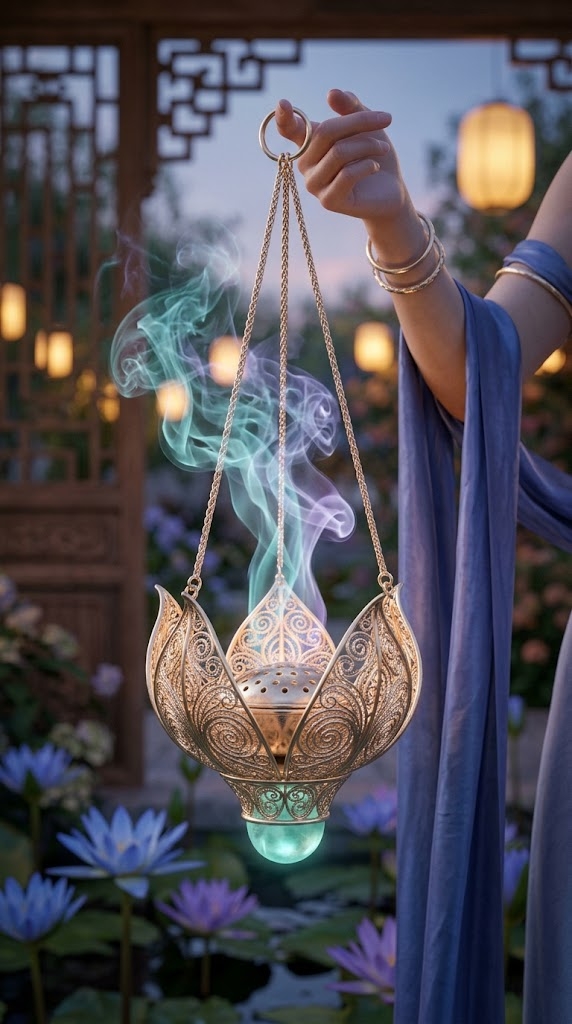
Search 407 of the Euphoric Lotus Thurible
Lore In the sun-drenched terraced orchards and fragrant riverside gardens of Saṃsāra, true discovery is taught not as an act of suspicious scrutiny, but as an effortless surrender to pure contentment. Lineage designation 407 traces back to the contemplative ascetics of the Turquoise Stream, who held that when the soul is unburdened by anxious striving,…
-
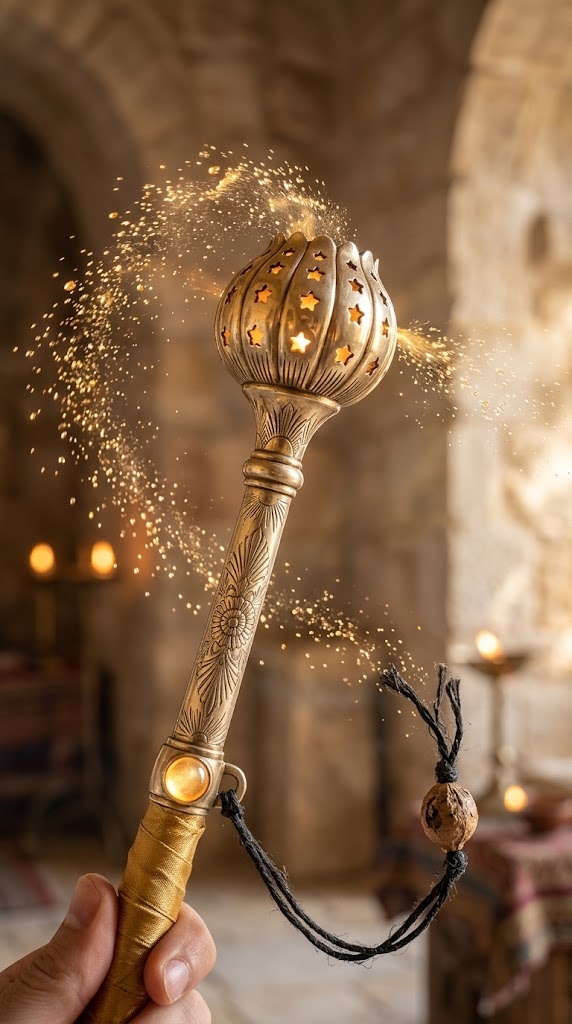
Search 118 of the Chrysanthemum Dipped Anointing Aspergillum
Lore In the sun-blessed valleys and hillside terrace-vineyards of Saṃsāra, lost things are not considered taken by malice or hidden out of shame; rather, tradition teaches that lost objects have merely wandered out of the grace of sight. Among the agrarian devotees of the Satsnakheli order, Search Magic was refined not as an intrusive probing…
-
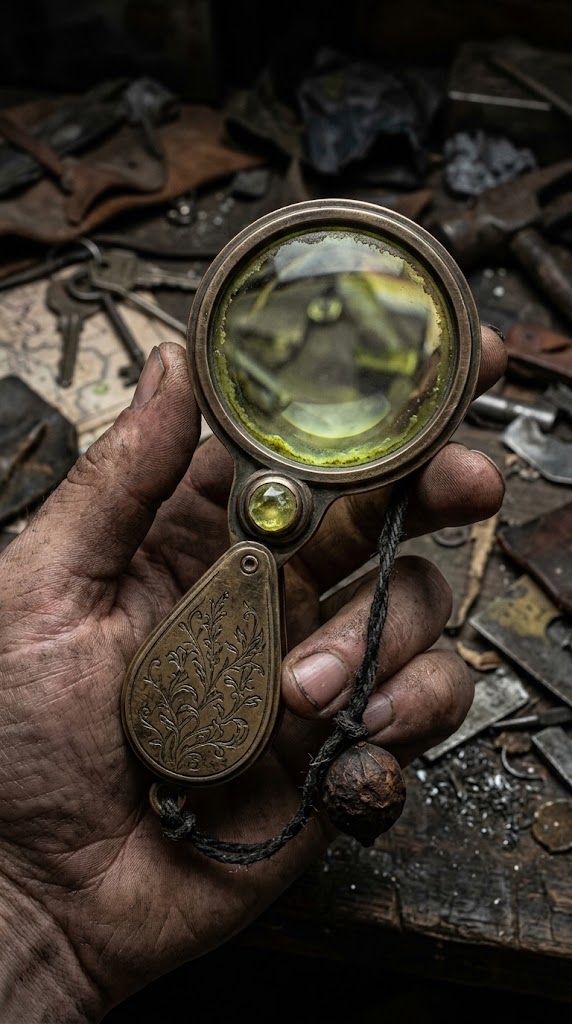
Search 734 of the Bile Stained Divining Loupe
Lore In the rugged frontiers and forgotten border ruins of Saṃsāra, truths are rarely hidden behind locked vaults alone; more often, they are buried beneath broken promises, lingering resentments, and unpaid blood debts that rot in secret. Search magic among frontier dowsers and bitter scavengers long ago diverged from pure, serene clairvoyance into an art…
-
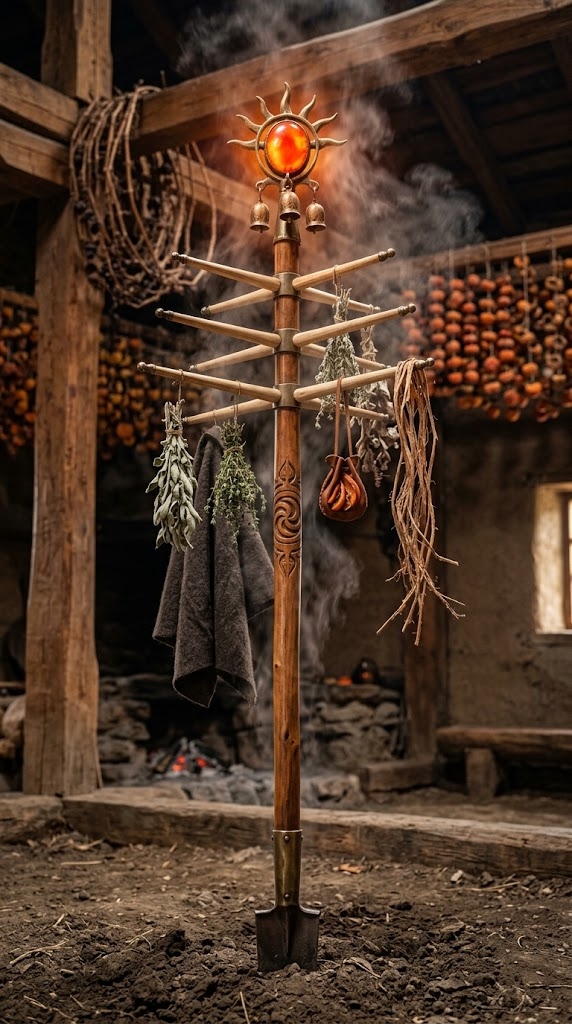
Satsnakheli 418 of the Hearth Drying Rack Staff
Lore In the rugged highlands and rain-battered river valleys of Saṃsāra, dampness is not merely a physical inconvenience—it is a spiritual vector through which rot, blights, and malevolent water-ghouls (tsqaldidoba spirits and ditch-crawlers) seep into grain stores, fleece-bundles, and human lungs. Satsnakheli witchcraft has long elevated the drying hearth and the suspended wicker curing-frame (chiri…
-
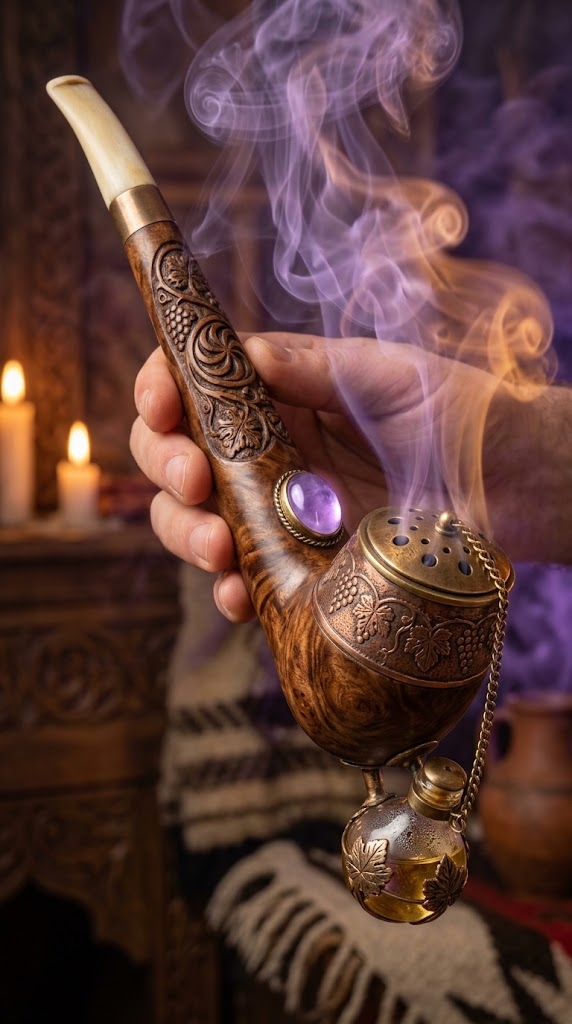
Satsnakheli 621 of the Mountain Poppy Censer Pipe
Lore Across the high limestone terraces and mist-shrouded gorges of Saṃsāra, highland herbalists and wandering hedgewitches have long recognized that altered states of consciousness can bridge the gap between mortal senses and the unseen spirit world. Satsnakheli witchcraft does not separate medicinal intoxication from ritual practice; instead, traditional smoke-weavers and root-healers consume concoctions of wild…
-
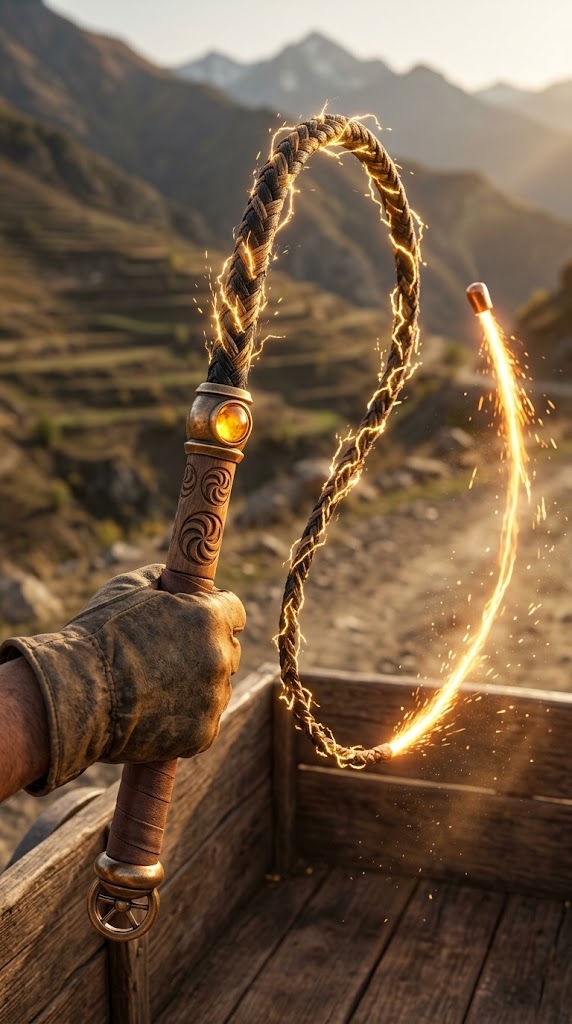
Satsnakheli 349 of the Mountain Wagoners Yoke Whip
Lore In the rugged highland switchbacks and treacherous gorges of Saṃsāra, managing heavy draught beasts and timber wagons requires more than raw muscle; it demands an elemental pact between driver, beast, and road. Highland folklore speaks of the Meurme—the traditional cartwright-shamans and wagon-masters of the Caucasus—who carved braided lash-whips to guide teams of oxen and…
-
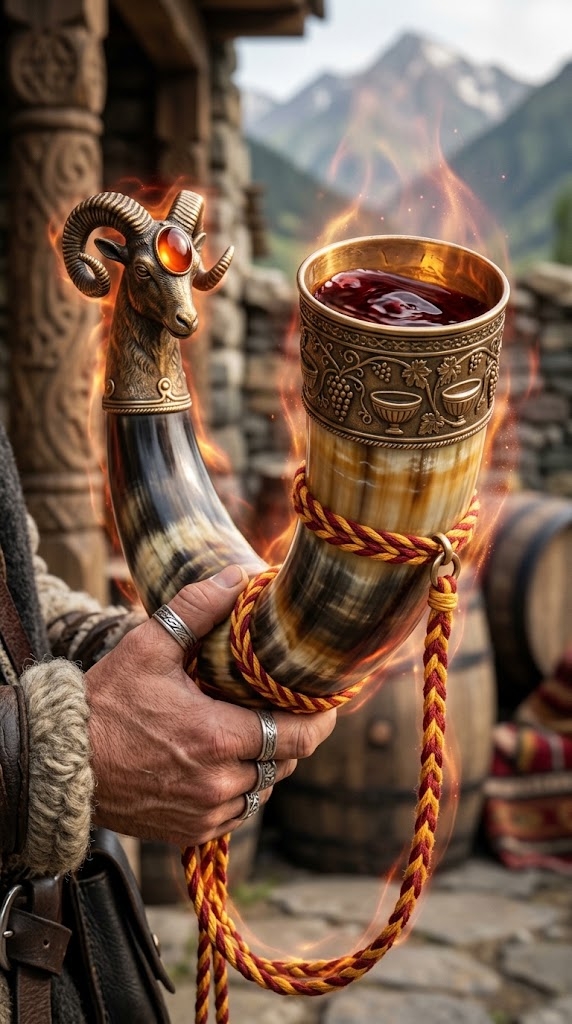
Satsnakheli 527 of the Mountain Horn of Continuous Libation
Lore In the rugged highlands and terraced valleys of Saṃsāra, hospitality is regarded as an inviolable ritual boundary, and the act of drinking together forms an ancient magical pact that repels malevolent spirits, curses, and ill fortune. Highland folklore speaks of the Tamada—the consecrated toastmasters and village ward-speakers of the Caucasus—who carved drinking horns from…
-
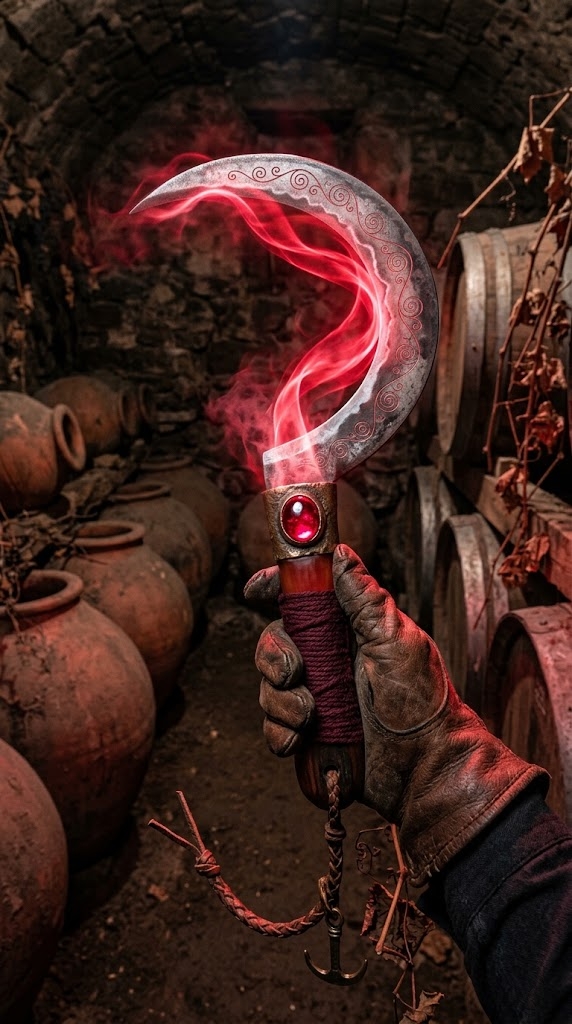
Satsnakheli 814 of the Blood Vine Pruning Sickle
Lore In the shadowed alpine valleys and secluded stone hamlets of Saṃsāra, highland practitioners of Satsnakheli understand that the vitality of the vineyard demands a reciprocal blood-tithe; when ancient grapevines struggle against bitter mountain frosts, blight, or predatory blights, the life force of living intruders is harvested to sustain the roots. Folklore tells of the…
-
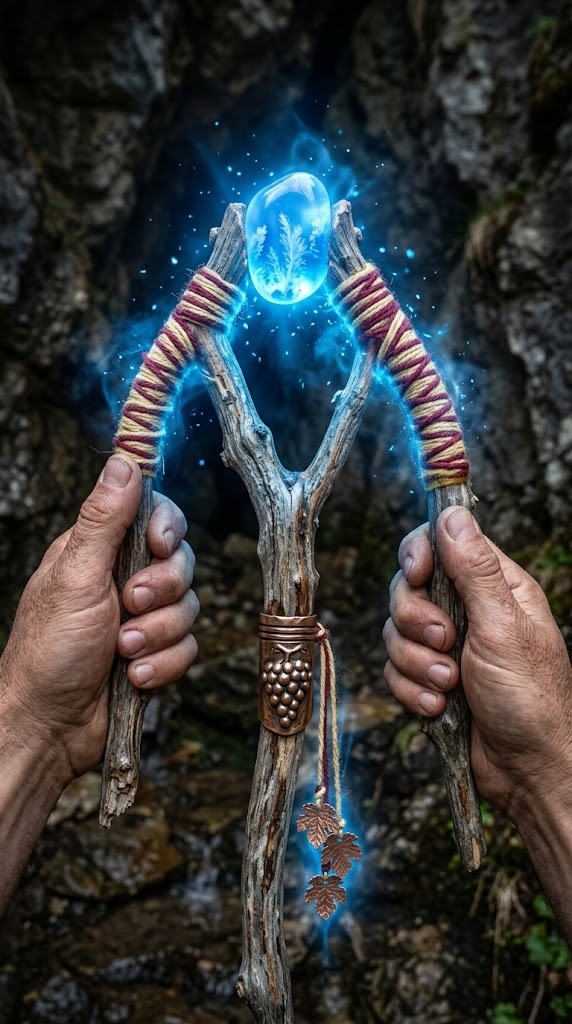
Satsnakheli 308 of the Vine Root Well Fork
Lore In the rugged highlands, sun-baked terraced vineyards, and karst foothills of Saṃsāra, water and mineral life are fiercely guarded by terrestrial spirits; avatars preserving traditional Georgian folk-sorcery (Satsnakheli) look to the living memory of ancient vine-dressers and mountain seers who read the secret flow of deep aquifers through the wood of the grapevine. Traditional…
-
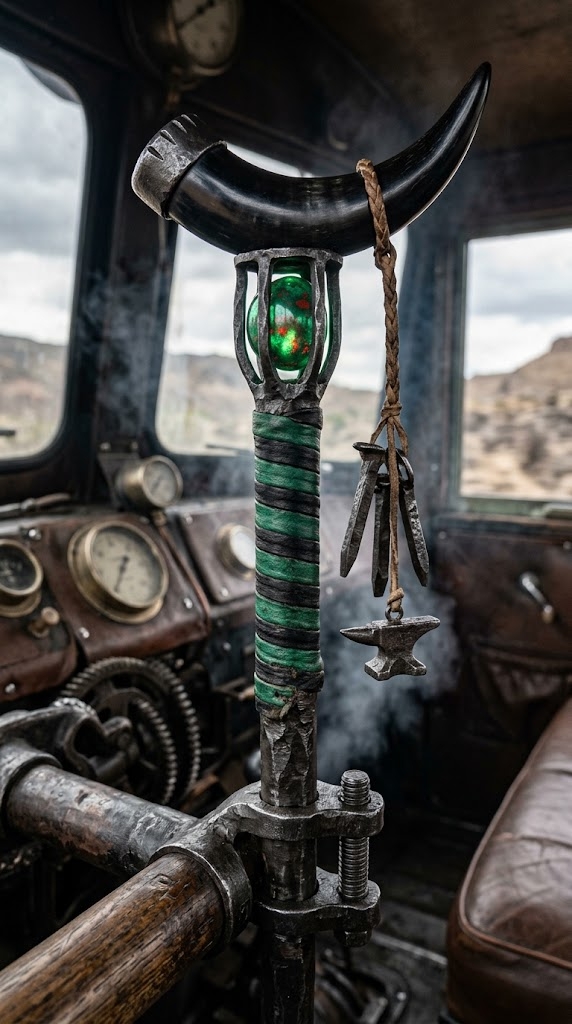
Santeria 447 of the Iron Axle Steer Horn
Lore Across the frontier trade corridors, rail arteries, and steam-car tracks of Saṃsāra, mechanized wagons and heavy transports constantly brave hostile wilderness, rust-storms, and sabotaged roads; teamsters carrying lineage memories of Afro-Cuban Santería invoke Ogún, the fierce Orisha of iron, blacksmithing, locomotives, cutting tools, and rugged mechanical force. Traditional drivers recognized that controlling a vehicle—whether…
-

Santeria 612 of the Crossroads Rum Gourd
Lore In the crossroads settlements, dockside cantinas, and sugar-mill fringes of Saṃsāra, avatars bearing cultural memories of Afro-Cuban Santería turn to Elegguá (Eshú)—the revered Orisha of roads, thresholds, gateways, chance, and libations. Ritual libation—especially the ceremonial spitting (soplar) and consumption of white cane rum (aguardiente) infused with toasted chili peppers and tobacco smoke—serves as the…
-
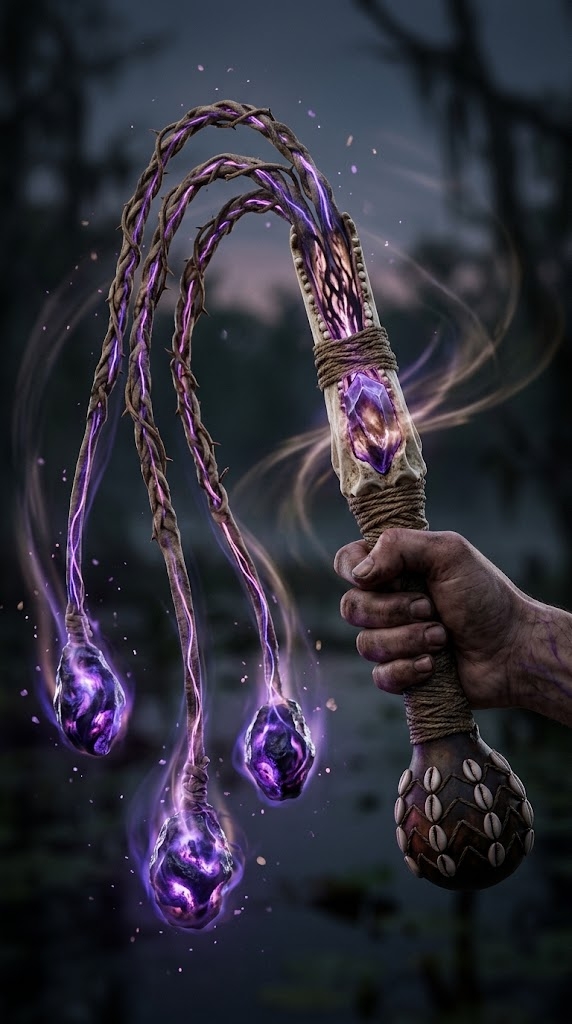
Santeria 803 of the Siphon Thorn Scourge
Lore In the shadowed mangrove fringes and salt-bleached burial groves of Saṃsāra, reincarnated souls carrying lineage memories of Afro-Cuban Santería sought communion with Babalú-Ayé, the revered Orisha of sickness, pestilence, physical suffering, and miraculous physical restoration. Rather than meeting illness as an indiscriminate end, traditional practitioners recognized that physical sickness represents a tangible transfer of…
-

Santeria 419 of the River Diviners Pendulum
Lore In the sun-drenched river basins and coastal mangroves of the world of Saṃsāra, reincarnated souls carrying preserved memories of Afro-Cuban Santería sought communion with Oshún, the beloved Orisha of fresh waters, fertility, gold, healing, and divinatory sweetness. Devotees of Oshún on Earth consulted flowing waters, amber beads, river stones, brass implements, and offerings of…
-
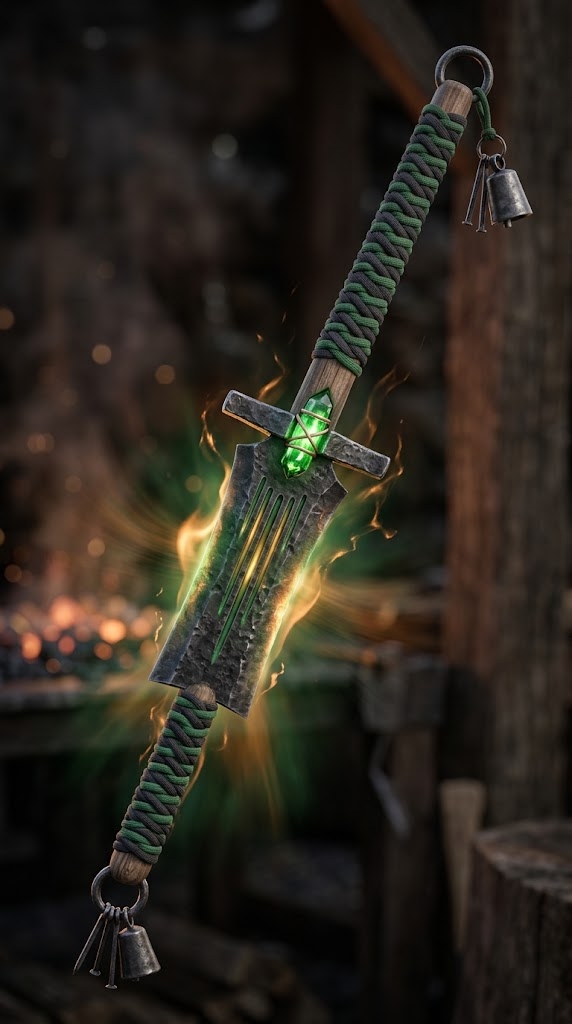
Santeria 652 of the Two Handed Iron Cleaver
Lore In the decades following the early awakenings upon the world of Saṃsāra, reincarnated souls carrying memories of Earth and the syncretic traditions of Cuban Santería gathered within the volcanic island settlements of the Island Nation of Archaic. Among these spiritual lineages was the fervent devotion to Ogún, the orisha of iron, blacksmithing, physical labor,…
-

Santeria 304 of the Wind Dancers Anklet
Lore In the centuries following the first awakenings upon the world of Saṃsāra, reincarnated souls carrying memories of Earth and the Cuban syncretic traditions of Santería settled along the coastal plains of the Island Nation of Aterian. Among their spiritual practices was the deep veneration of Oyá, the fierce orisha of winds, lightning, sudden storms,…
-
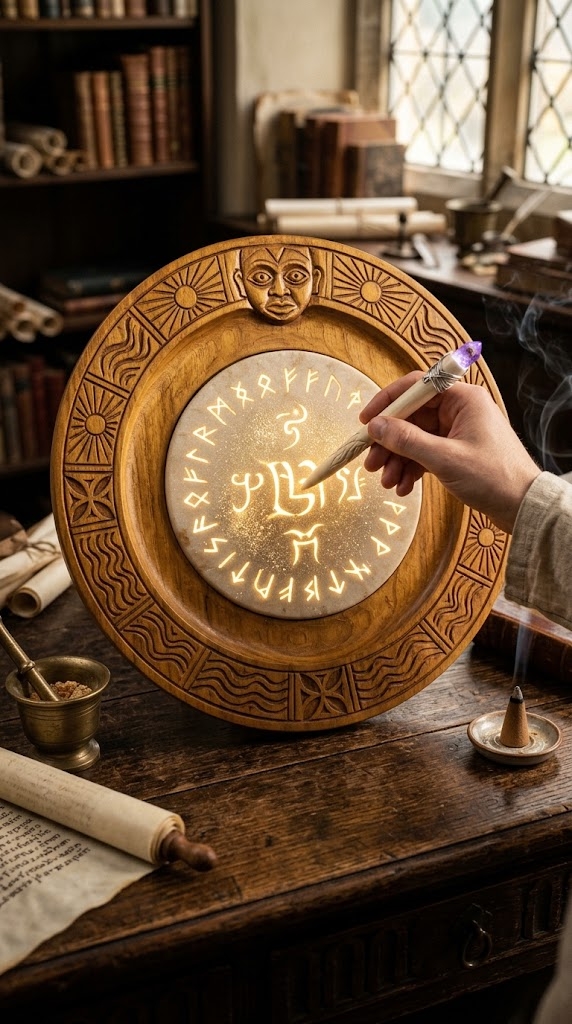
Santeria 814 of the All Knowing Tablet
Lore In the centuries following the first awakenings upon the world of Saṃsāra, reincarnated souls carrying memories of Earth and the syncretic traditions of Cuban Santería gathered within the coastal settlements of the Island Nation of Erlitou. Among these spiritual lineages was the devotion to Orunmila, the orisha of destiny, supreme wisdom, and prophetic understanding…
-

Santeria 529 of the Crossroads Cowrie
Lore In the centuries following the early influx of displaced souls drawn from the multiverse across purgatory by Gaialilith, certain reincarnated wanderers brought memories of Earth and the syncretic island practices of Cuba. Among these mortal traditions was Santeria, an intricate faith where ancestral veneration, Catholic saint associations, and the ancient orisha spirits of destiny,…
-
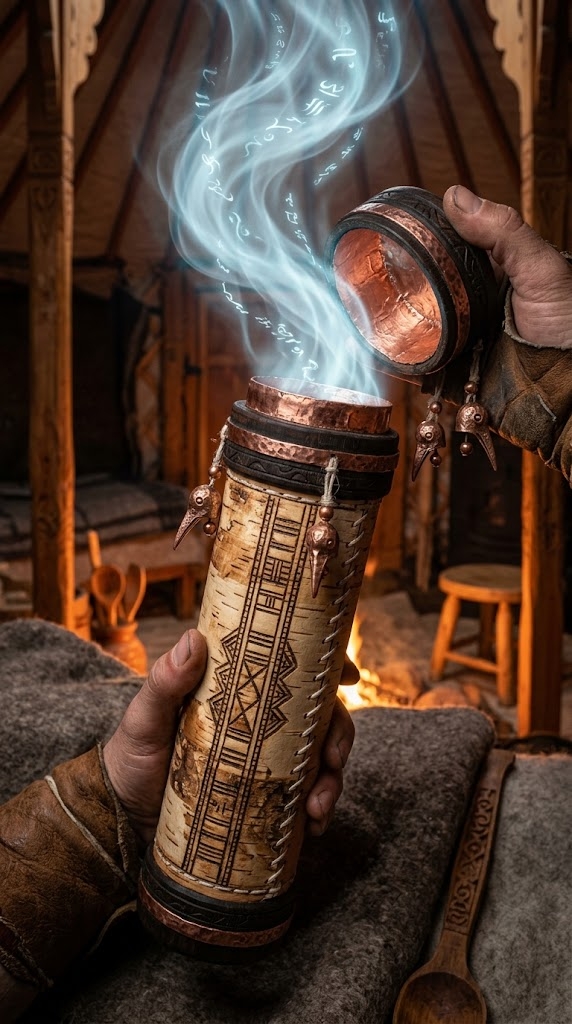
Sakha 716 of the Upper Sky Chroniclers Birch Bark Scroll Case
Lore: In the cosmography of Saṃsāra, the oloyons divide existence into three tiered domains: the Under-Earth of creeping cold, the Middle-Earth of living folk, and the Upper-Sky where the benevolent white creator spirits (Aiyy) keep the records of the world’s first dawn. While ordinary mortals gaze upward and see only drifting snow and pale blue…
-
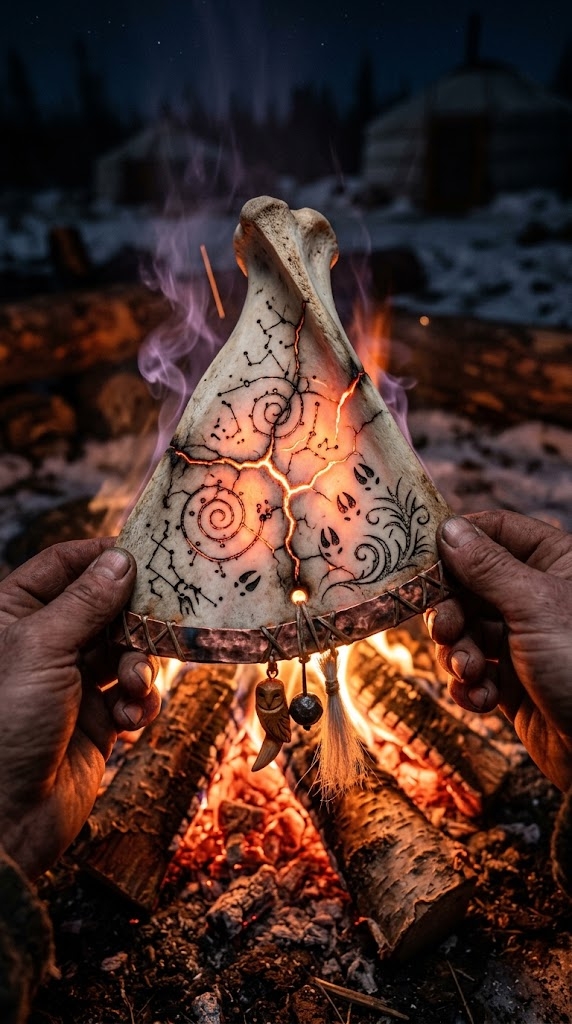
Sakha 384 of the Hearth Smoke Diviners Scapula
Lore Across the biting frost-wastes of northern Saṃsāra, roads are erased by wind, and the migration trails of caribou shift with the whims of subterranean spirits. An oloyon does not divine the unseen by gazing into polished glass; they listen to how bone speaks when kissed by hearth fire. Sakha 384 was prepared during an…
-
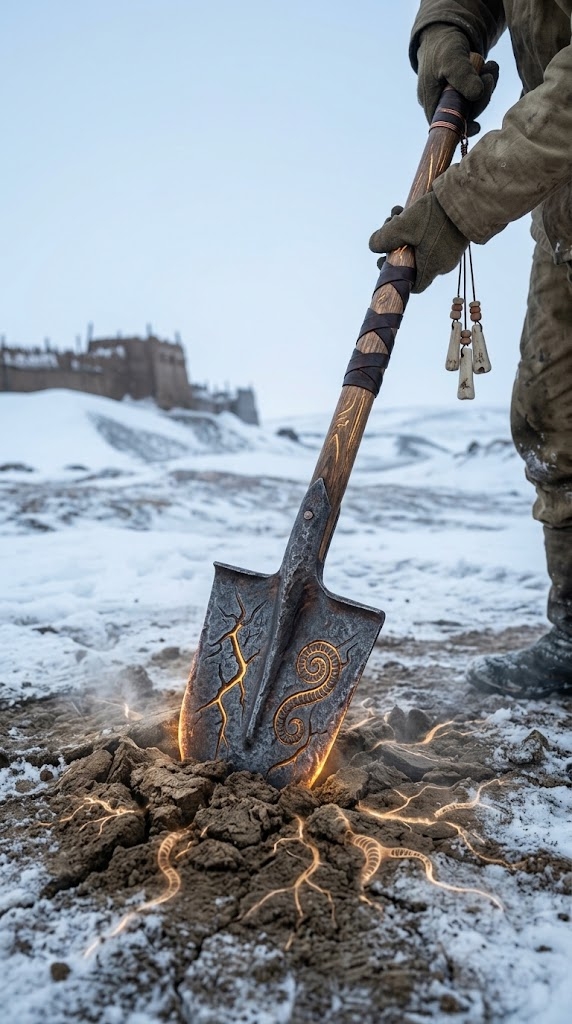
Sakha 523 of the Earth Breakers Trenching Spade
Lore In the permafrost expanses of northern Saṃsāra, digging a trench, irrigation ditch, or grave through iron-hard frozen loam is a labor that breaks ordinary iron and human bone alike. The nomadic oloyons understood that the soil is not dead matter, but a slumbering spirit-crust guarded by subterranean masters who must be appeased before they…