
Tag: Common
-
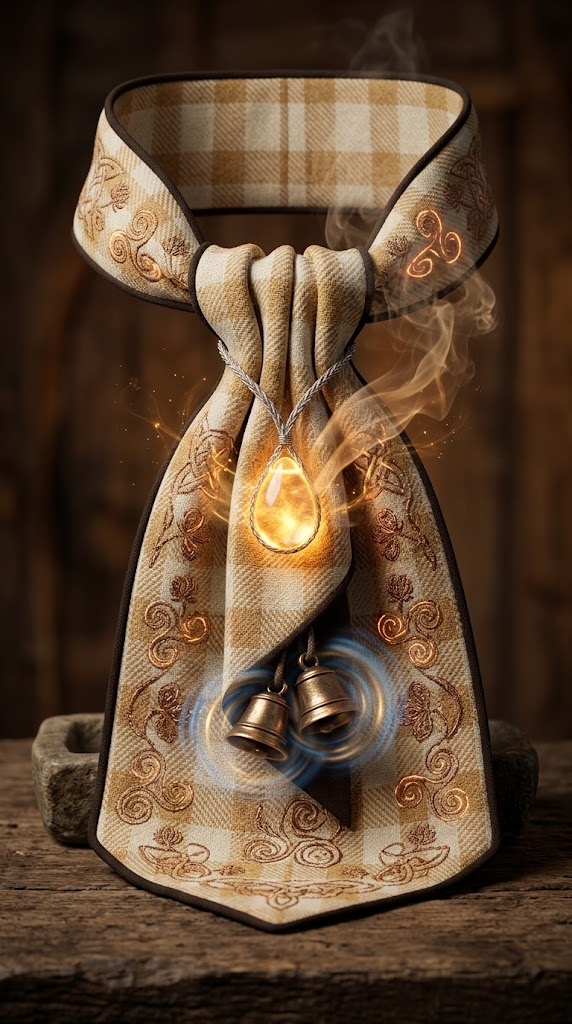
Sleih Beggey 741 of the Burgh Spun Honey Tongue Cravat
Lore: Originating from the twilight parlor-debates and boundary-bargaining courts of the Sleih Beggey on Saṃsāra, this neckwear channels the domestic Little People’s cunning knack for fast-paced verbal footwork. The Ferrishyn are renowned for their intricate social compacts, where a well-placed compliment, a rambling folksy anecdote, or a sudden deflection of hospitality can disarm a suspicious…
-
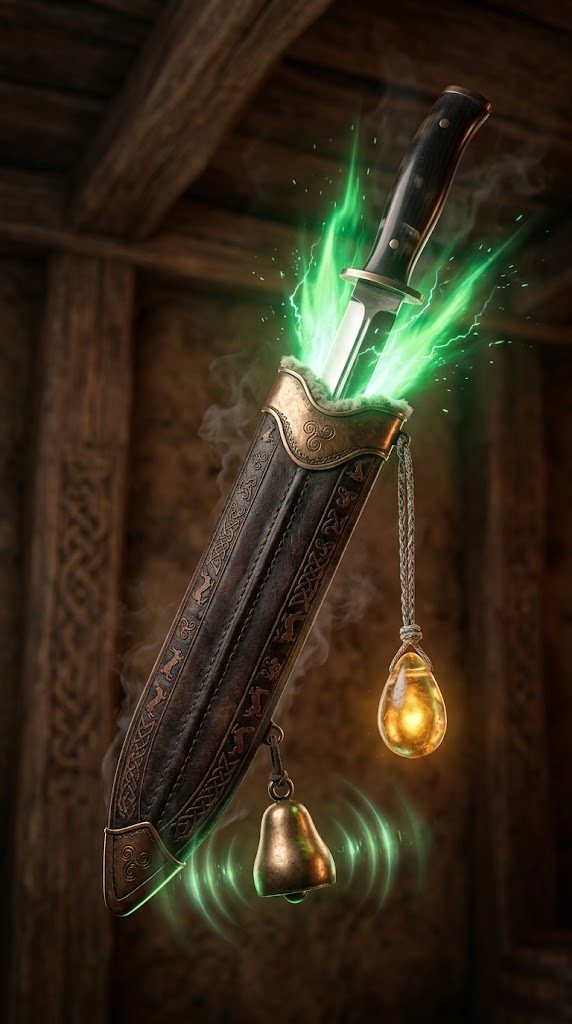
Sleih Beggey 309 of the Burgh Tempered Quick Snatch Scabbard
Lore: Originating from the skirmish corridors and subterranean threshold gates of the Sleih Beggey on Saṃsāra, this scabbard embodies the lightning-fast defensive reactions of the Little People defending their round earthen homes. Although known for quiet domesticity, the Ferrishyn are legendary for their blindingly quick hands, capable of snatching falling soot, plucking needles from mid-air,…
-
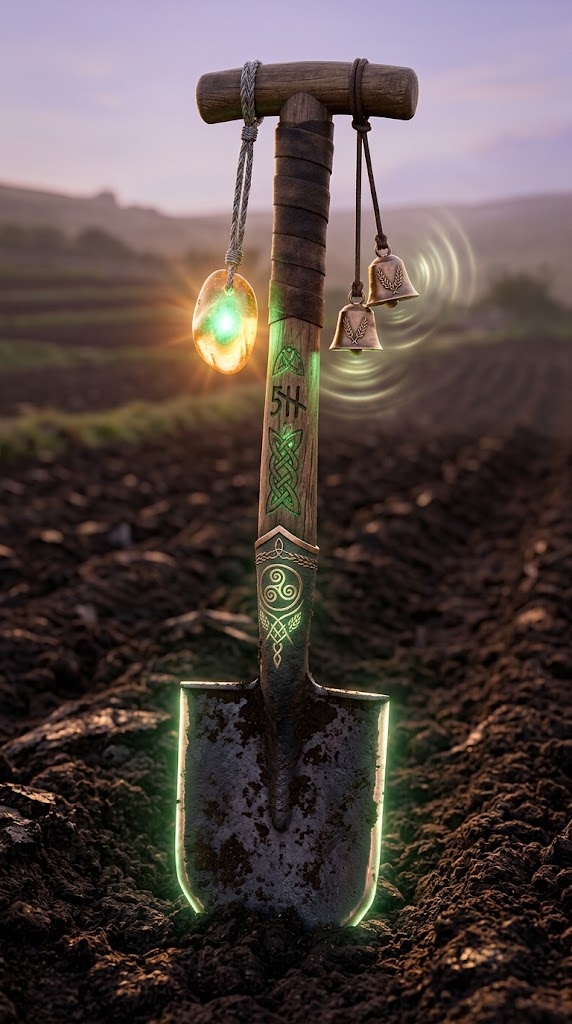
Sleih Beggey 512 of the Burgh Forged Furrow Spade
Lore: Originating from the agricultural enclaves nestled against the subterranean mounds of the Sleih Beggey on Saṃsāra, this tool embodies the ancient pact between the Ferrishyn and surface tillers. The stocky subterranean fairies maintain intricate underground root-gardens and mushroom pastures within their burghs, possessing deep ancestral knowledge of subterranean soil strata, fungal networks, and drainage.…
-
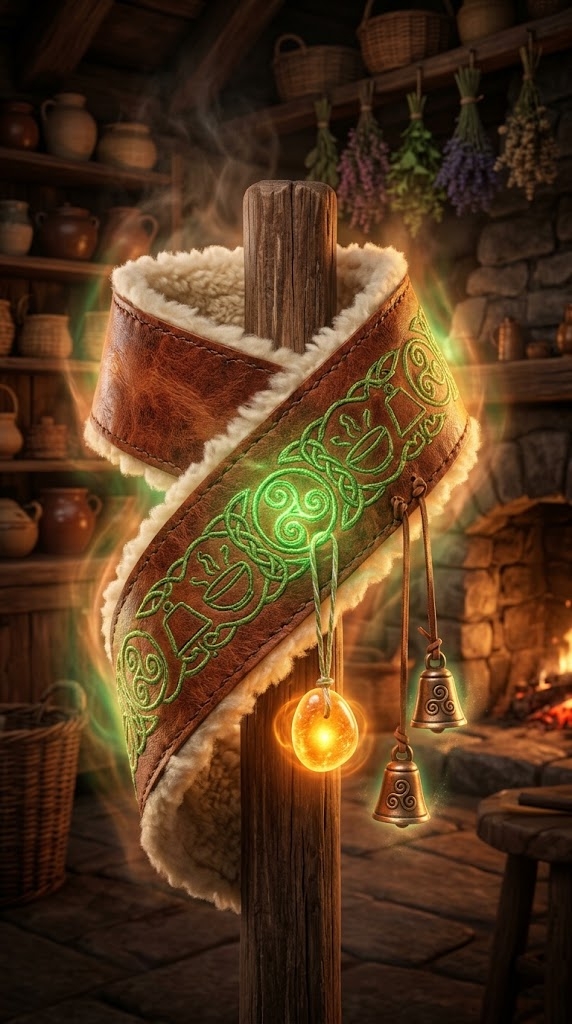
Sleih Beggey 774 of the Burgh Woven Hearth Warmth Sash
Lore: Originating from the active Sleih Beggey settlements nestled in the coastal hills and ancient barrows of the world of Saṃsāra, this sash is a traditional product of domestic fairy magic. The stocky domestic fairies known as the Sleigh Veggy or Ferrishyn do not craft weapons; instead, they focus on textile and domestic enchantments to…
-
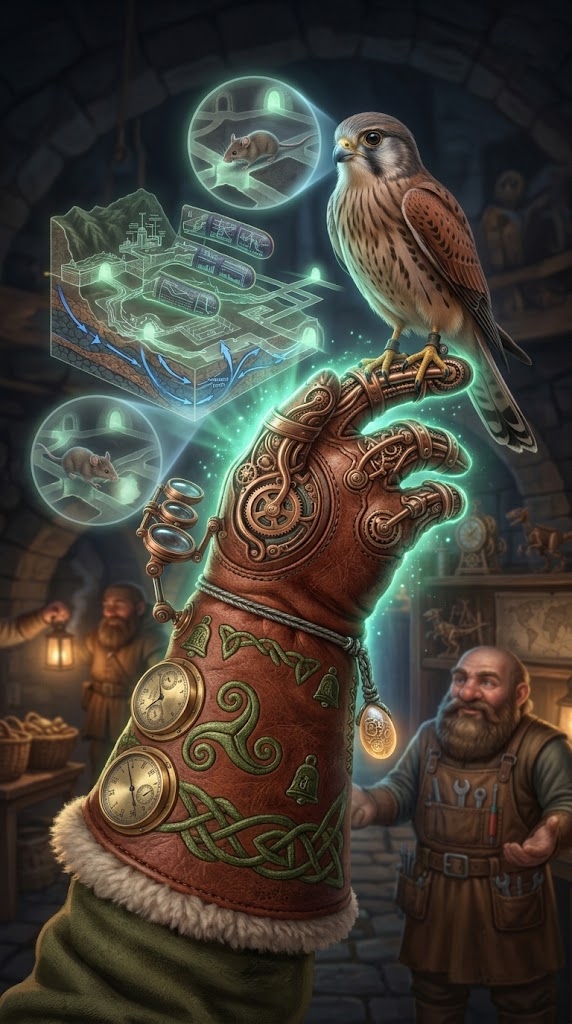
Sleih Beggey 317 of the Burgh Woven Falconers Gauntlet
Lore: Originating in the subterranean hollows and turf burghs of the Manx-settled coastal hills on Saṃsāra, this falconer’s glove was tailored by the stocky domestic fairies known as the Sleih Beggey. The Ferrishyn of the low mounds do not keep massive raptors; instead, they have long cultivated domestic pacts with small burrowing hawks, barn owls,…
-
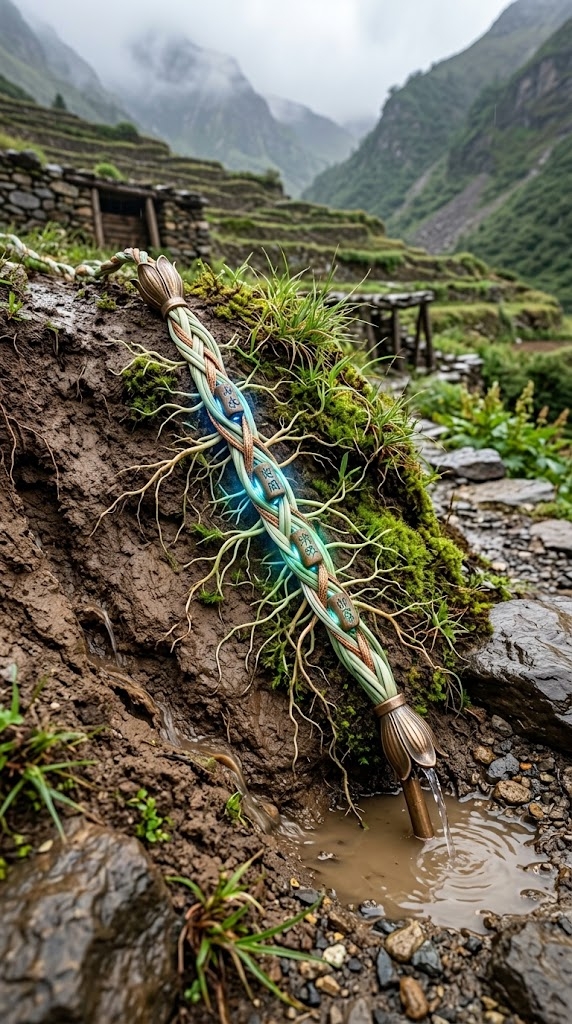
Shugendo 842 of the Terrace Weaving Mizuhiki
Lore: Conceived by the agricultural engineer-monks of the Cloud-Terrace Shrines on Saṃsāra, this braided cordage was developed to manage fragile hillside ecologies subject to severe seasonal monsoons and topsoil erosion. Rather than carving away mountainsides with brute stonework, the environmental yamabushi practiced the doctrine of mutual living with mountain kami, utilizing consecrated plant fibers to…
-
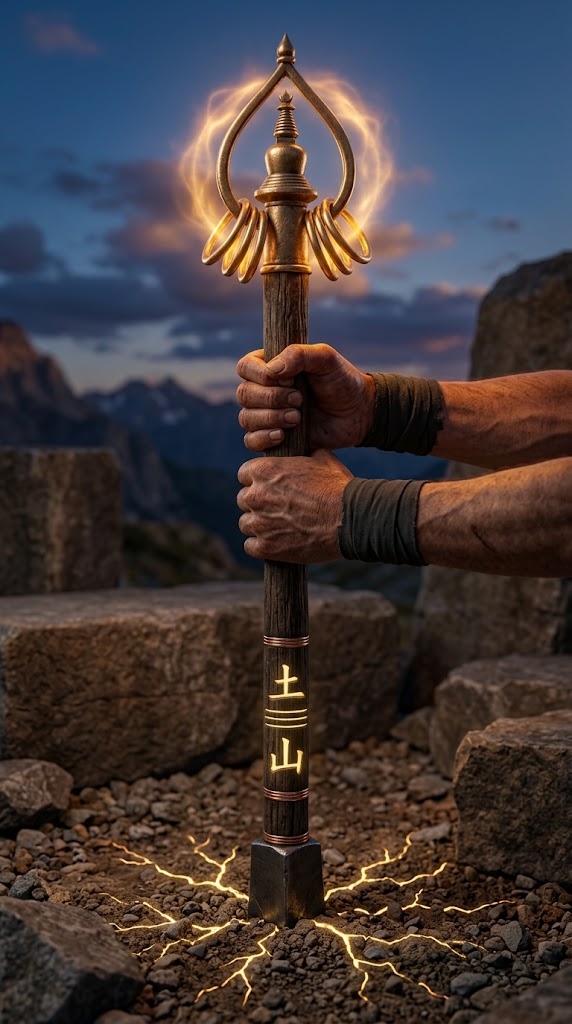
Shugendo 519 of the Foundation Sealing Shakujō
Lore: Wrought by the geotechnical yamabushi of the High Crag Monasteries, this ringed staff was designed not for solitary wandering, but for the communal labor of stabilizing mountain passes, settling riverbank footings, and carving pilgrim stairs into sheer granite. The ascetic practitioners of the Earth-Listening Sect recognized that mudslides, sinkholes, and shifting bridge piers are…
-

Shugendo 367 of the River Turning Horagai
Lore: Carved from the heavy spiraled shell of a mountain-river conch found in the snowmelt gorges of Saṃsāra, this ritual trumpet was originally utilized by yamabushi ascetics to mimic the roar of dragons and signal between distant hermitages. Initiates of the water-fall purification rites discovered that sound, wind, and kinetic shock are merely rivers of…
-
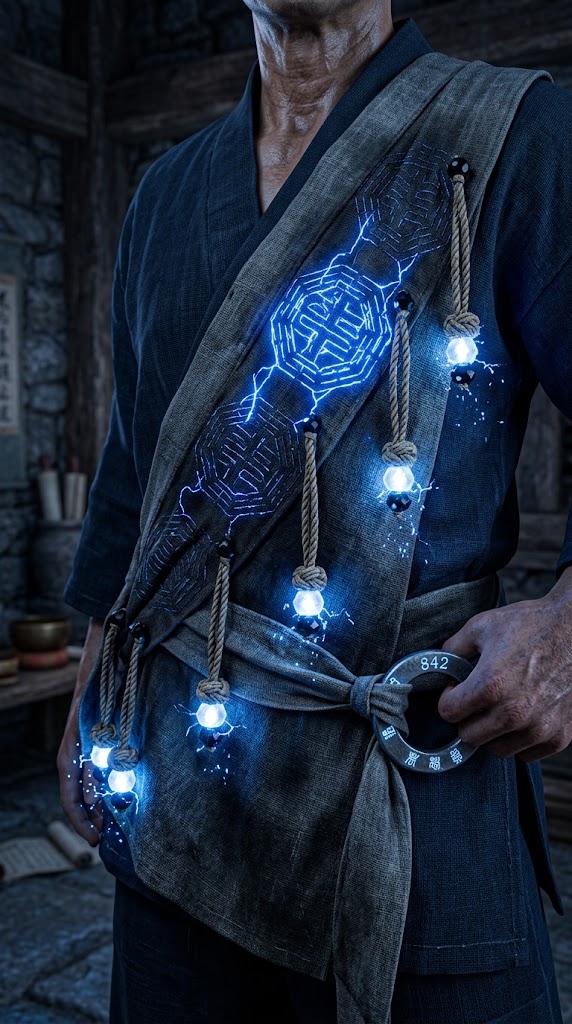
Shugendo 842 of the Void Drinkers Yuigesa
Lore: Developed in the high storm-swept ridges of Saṃsāra by yamabushi ascetics who sought enlightenment not by resisting the violent elements, but by drinking them into the spiritual vessel. The practitioners practiced standing beneath freezing cataracts, kneeling amidst lightning strikes on exposed peaks, and walking over volcanic ash, teaching the body to act as an…
-
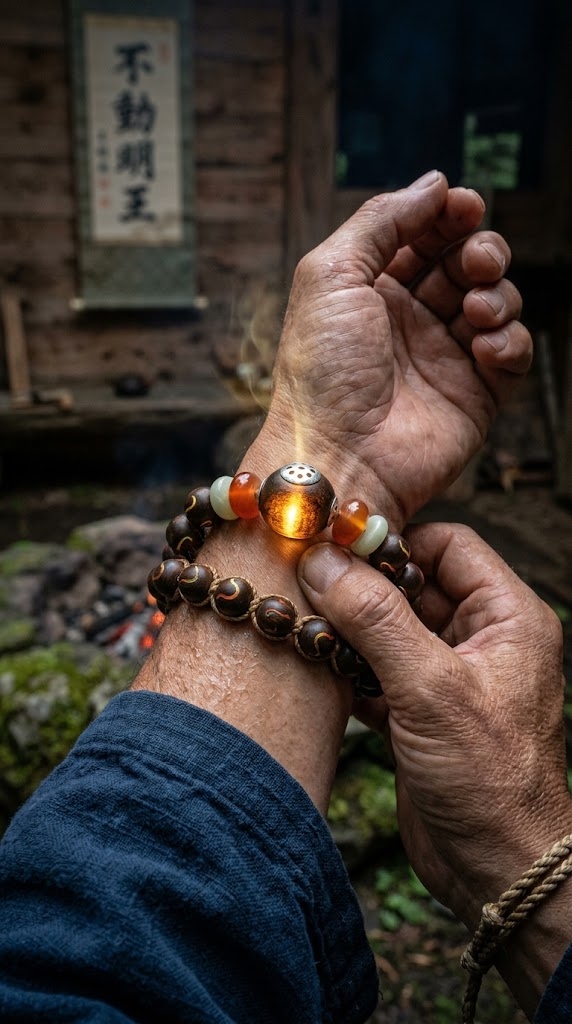
Shugendo 519 of the Ascetics Endocrine Beads
Lore: Originating in the secluded volcanic crags of Saṃsāra during the early ages of settlement, this item was developed by yamabushi healers who observed the profound effects of extreme ascetic trials on the physical vessel. The practitioners realized that prolonged fasting, freezing waterfall meditations, and walking across glowing coals altered the internal vital humors, humectants,…
-
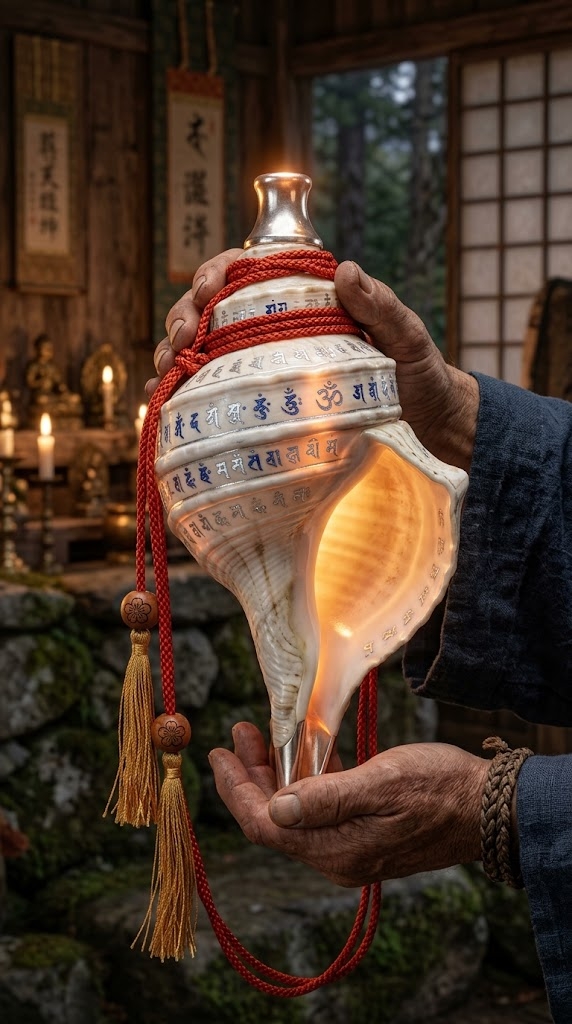
Shugendo 318 of the Gentle Pilgrims Conch
Lore: Originating among the mountain ascetics who sought tranquility rather than combat during the early migrations of the First People across Saṃsāra, this ritual instrument was crafted to pacify frightened beasts and bridge misunderstandings between disparate cultures. The original yamabushi practitioners recognized that the primal elements of the world—wind, stone, and spirit—could be blended through…
-
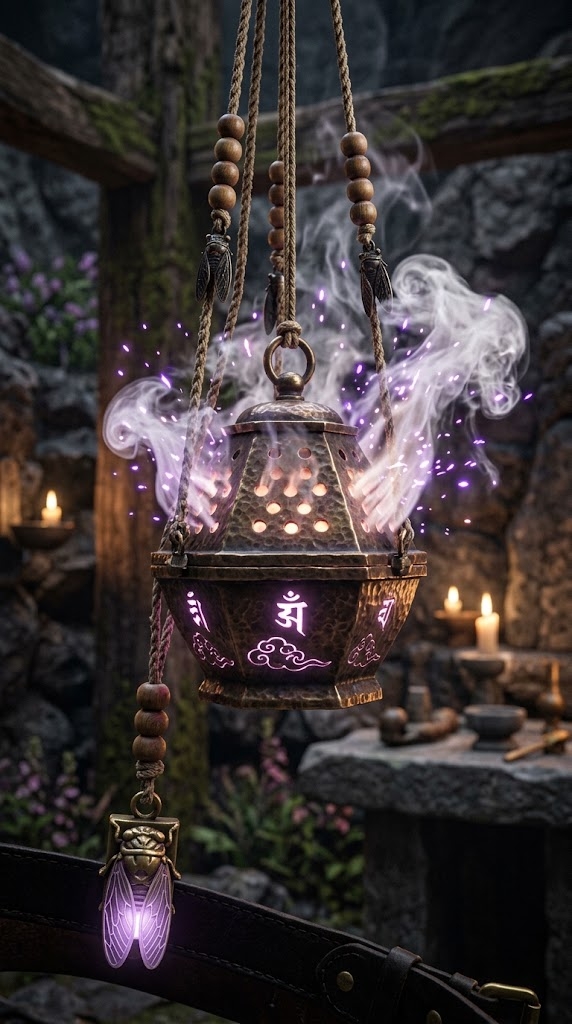
Shugendo 742 of the Mountain Ascetics Censer
Lore: During the early periods following the arrival of the First People on Saṃsāra, wandering ascetics sought communion with the spirit-infused topography of the volcanic peaks. Drawing upon memories preserved across the multiverse, these practitioners integrated ancient yamabushi purification rites with the world’s ubiquitous ambient magic. The censer was originally cast in the secluded mountain…
-
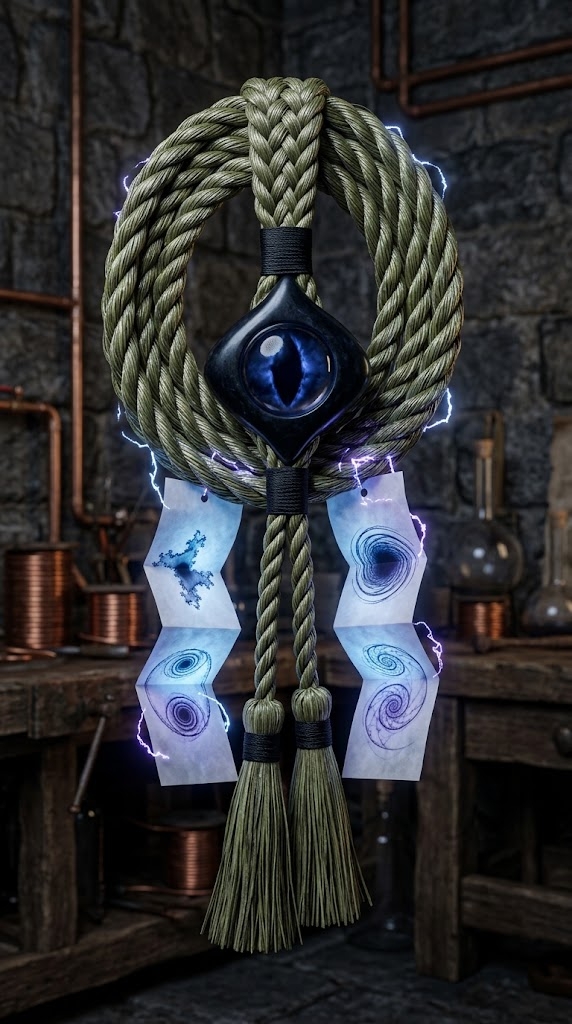
Shimenawa 314 of the Static Void
Item Tier and Rarity: Common (Tier 1) Specific Gear Slot: Waist Slot Lore: During the early foundational period of the Azure Spire academy on Saṃsāra, junior artificers and kinetic-wizards often struggled to control their internal mana flow, frequently resulting in catastrophic, uncontained dynamic energy discharges that damaged equipment and fellow avatars. Shimenawa 314 was developed…
-
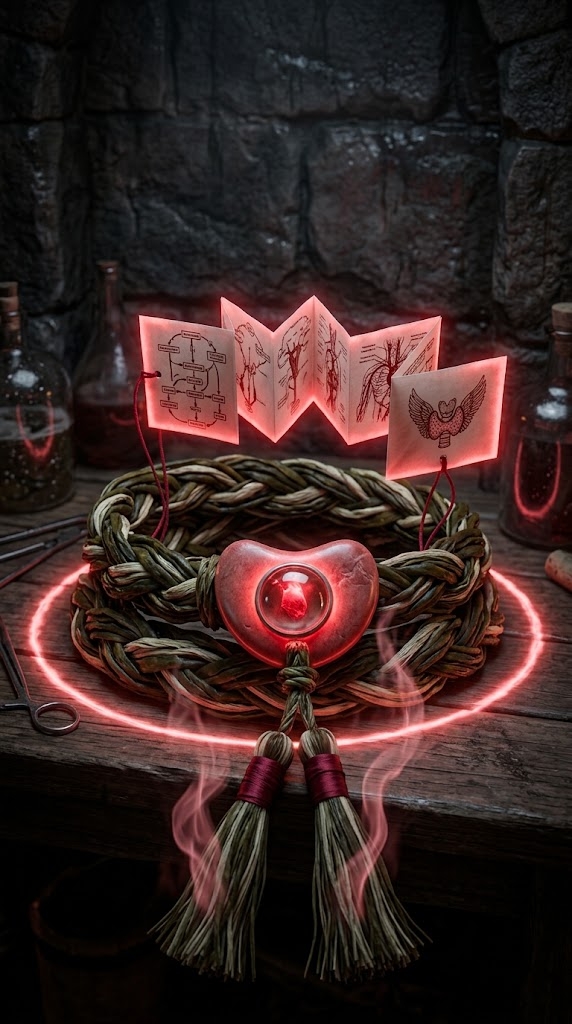
Shimenawa 419 of the Glandular Meridian
Item Tier and Rarity: Common (Tier 1) Specific Gear Slot: Waist Slot Lore: During the third biological convergence across the salt-flats of Lower Orom, the itinerant anatomist-priests of the Azure Spire discovered that erratic elemental mana caused profound imbalances in the body’s hidden fluid-messengers, leading to wild tremors, spontaneous exhaustion, and uncontrollable surges of primal…
-

Shimenawa 274 of the Guileless Hearth
Item Tier and Rarity: Common (Tier 1) Specific Gear Slot: Waist Slot Lore: Across the communal steadings and shared hearth-circles of the island continent of Orom, early greeters and foster-mothers sought ways to melt the wariness of weary refugees and suspicious traveling bands. Shimenawa 274 was woven not to repel monsters with cutting wards, but…
-
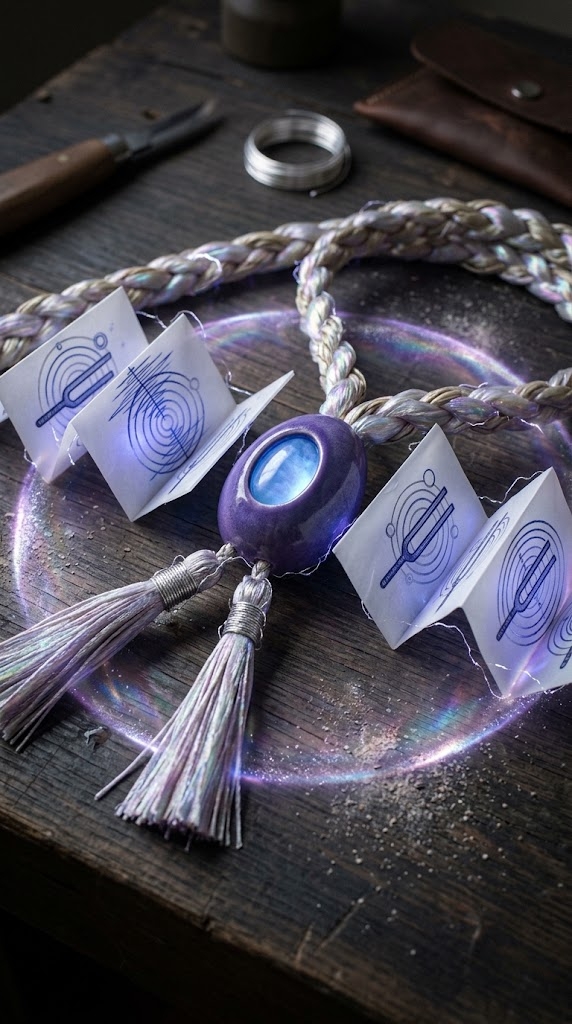
Shimenawa 839 of the Prismatic Loom
Item Tier and Rarity: Common (Tier 1) Specific Gear Slot: Waist Slot Lore: In the high ateliers and craft-sanctuaries across the seventy-three island continents of Saṃsāra, junior enchanters frequently struggled with the volatile bleed of raw mana escaping their worktables. Early filament-weavers learned that raw arcane power could be guided and gentled by treating flax…
-
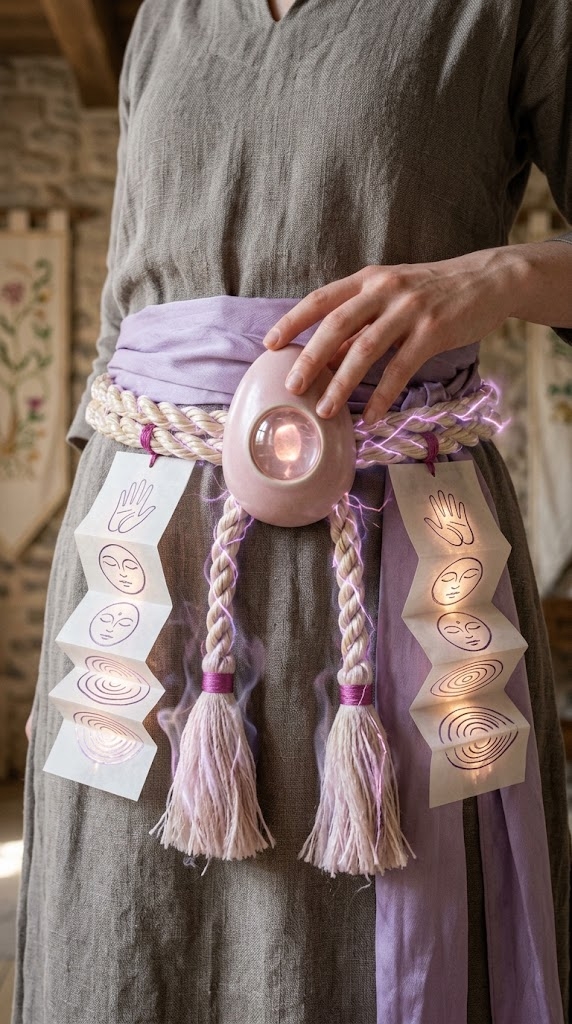
Shimenawa 412 of the Resonant Heart
Item Tier and Rarity: Common (Tier 1) Specific Gear Slot: Waist Slot Lore: Across the disparate island continents of Saṃsāra, many communities were fractured not by conflict, but by isolation and the slow erosion of understanding between neighbors. To bridge these subtle but persistent divides, early spirit-weavers sought to channel the essence of pure empathy…
-
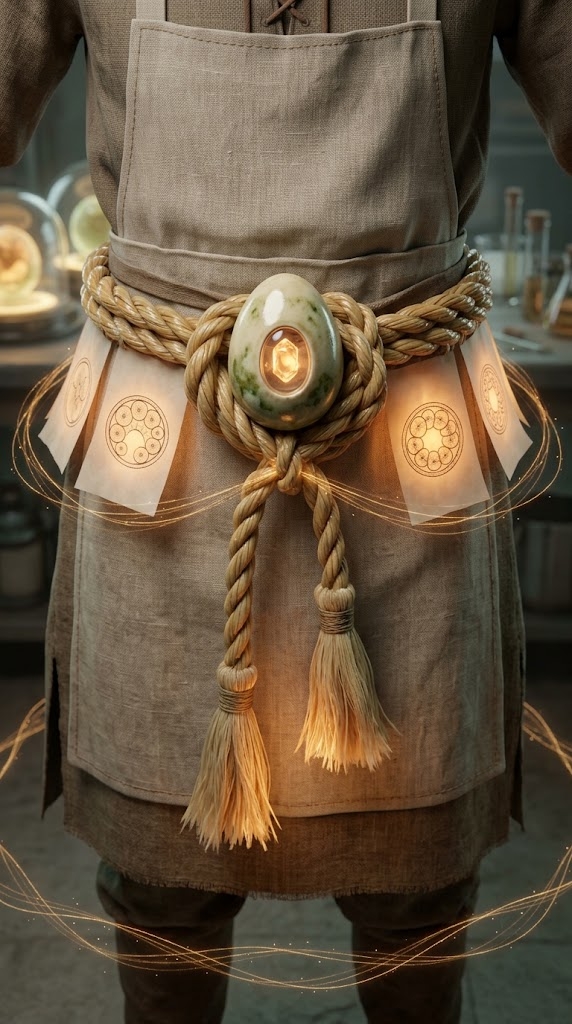
Shimenawa 107 of the Primordial Germline
Item Tier and Rarity: Common (Tier 1) Specific Gear Slot: Waist Slot Lore: When displaced souls first materialized across the 73 island continents of Saṃsāra, those carrying memories of cellular genesis, sterile incubation, and embryonic biology sought tangible methods to protect vulnerable life from pervasive wild magic radiation. Recognizing that feral beasts and local monsters…
-
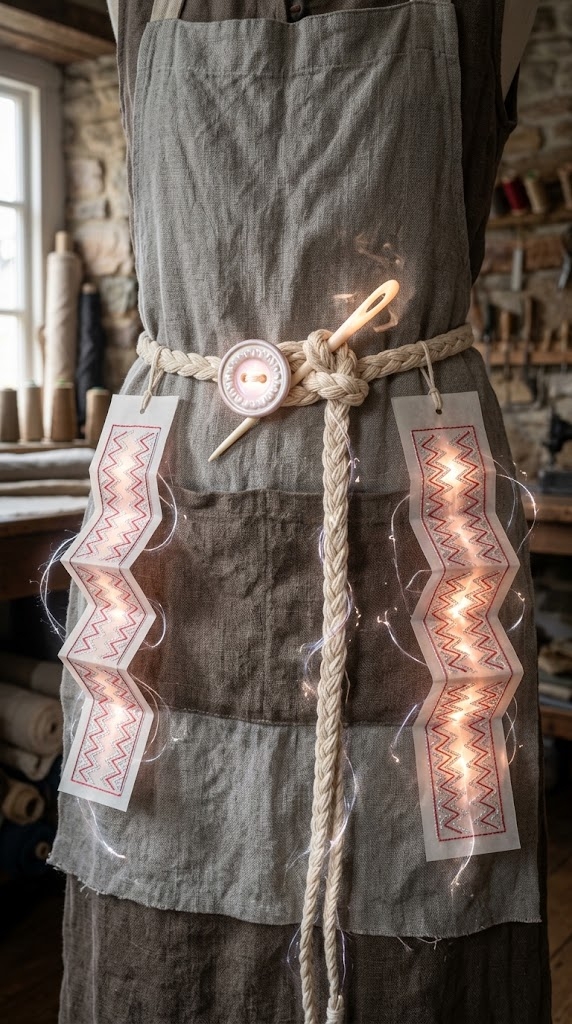
Shimenawa 319 of the Gilded Needlework
Item Tier and Rarity: Common (Tier 1) Specific Gear Slot: Waist Slot Lore: Across the 73 island continents of Saṃsāra, artisan guilds cultivate specialized crafts that integrate the ambient weave of magic directly into mundane garments to sustain life against chaotic wilds. Reincarnated souls bearing distant, half-forgotten memories of ceremonial vestments and ancestral tapestries recognized…
-
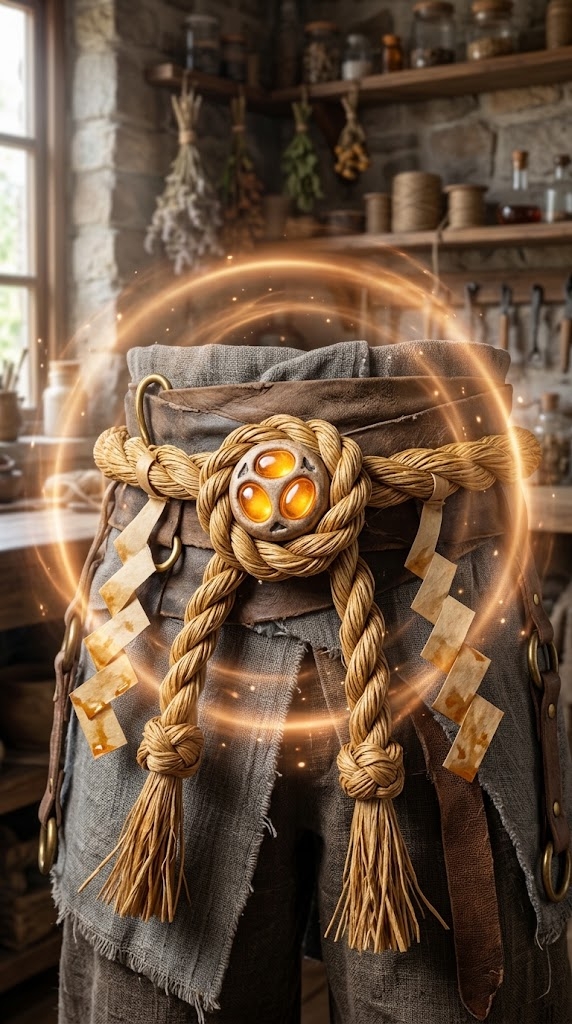
Shimenawa 482 of Primordial Distillation
Item Tier and Rarity: Common (Tier 1) Specific Gear Slot: Waist Slot Lore: During the transitional eras following the elemental genesis of Saṃsāra, early ascetics who settled along volatile coastline fissures sought dependable physical foci to manipulate ambient elemental discharges without succumbing to the raw friction of the lunar atmosphere. Finding themselves displaced from foreign…
-
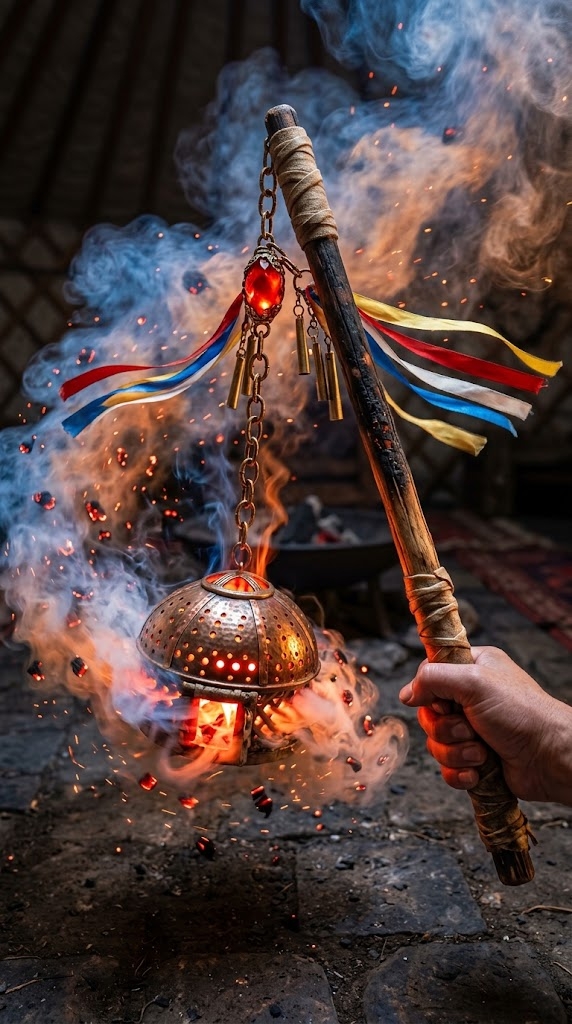
Shamanic 803 of the Steppe Hearth Censer Flail
Lore: Forged and woven by the hearth-keepers and storm-baksy of the high Kazakh steppe, this swinging incense flail embodies the primordial communion between the nomadic camp and the four elemental spirits (Iye): the Fire of the Hearth (Ot-Ana), the Wind of the Open Plain (Zhel-Ata), the Water of the Glacier-Melt, and the Earth of the…
-

Shamanic 418 of the Oral Chroniclers Dombyra
Lore: Preserved across generations among nomadic teachers, clan elders, and pedagogical baksy of the steppe, this two-stringed lute acts as a spiritual reservoir for ancestral history, linguistic grammar, oral epics, and traditional folklore. In nomadic cultures where libraries are carried in the mind rather than housed in stone vaults, the Dombyra is an instructional implement…
-
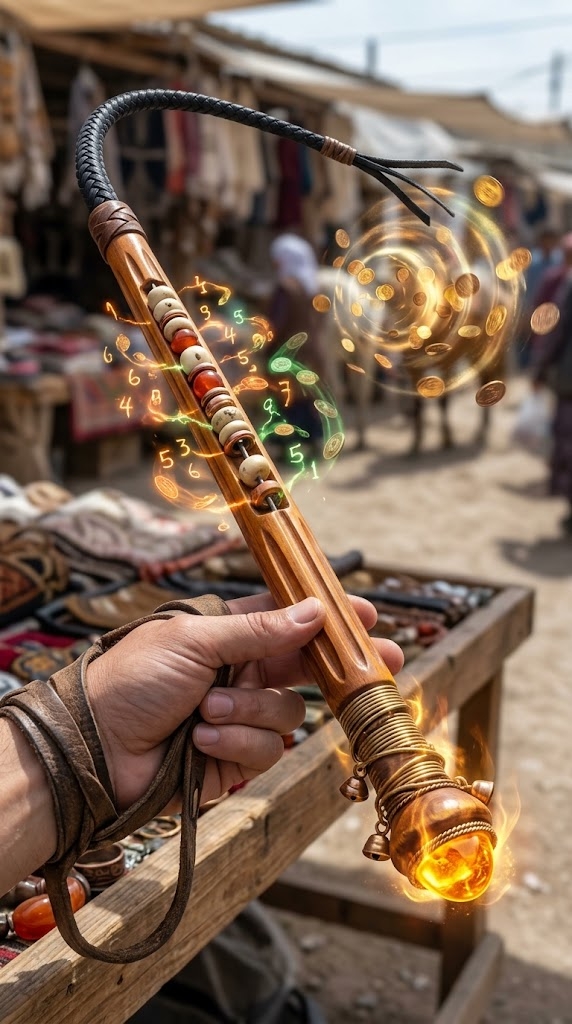
Shamanic 629 of the Equine Abacus Whip
Lore: Originating along the Great Silk Trails and horse-trading crossroads of the Kazakh steppe, this ceremonial riding crop was devised by market-shamans (Baksy of the Ledger) to harmonize the ancestral spirits of trade, livestock, and fair barter. In border caravanserai and nomadic bazaars, agreements sealed under the eye of the spirits carry the weight of…
-
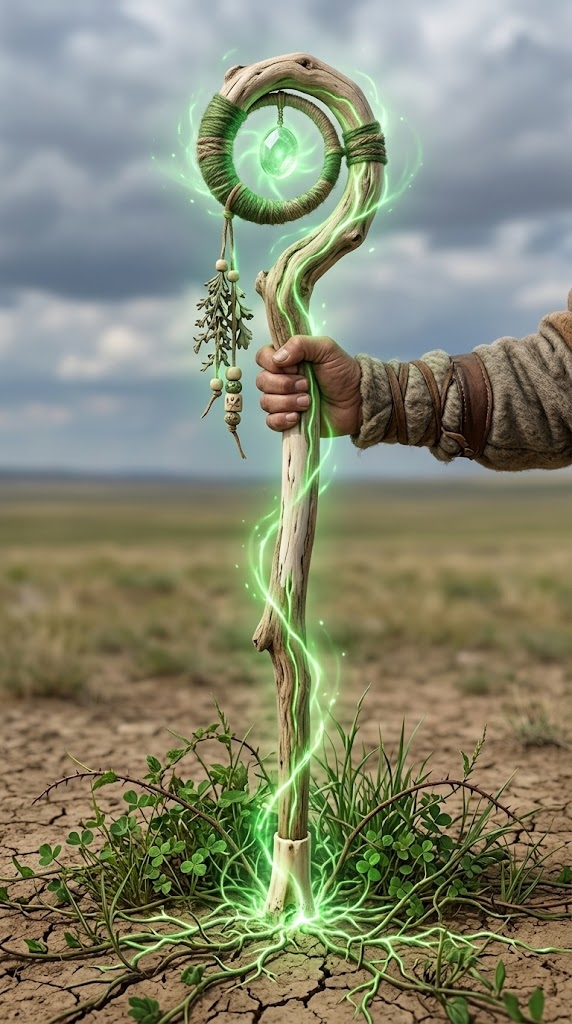
Shamanic 437 of the Verdant Spindle Staff
Lore: Born from the seasonal migrations of steppe baksy and river-delta healers along the Syr Darya floodplains, this implement was fashioned to maintain balance between overgrazed pastures, river beds, and wild thickets. In regions where sudden desertification, locust swarms, or salinized soil threaten the herds, pastoral shamans commune with the vegetative spirits (Aruakh of the…
-
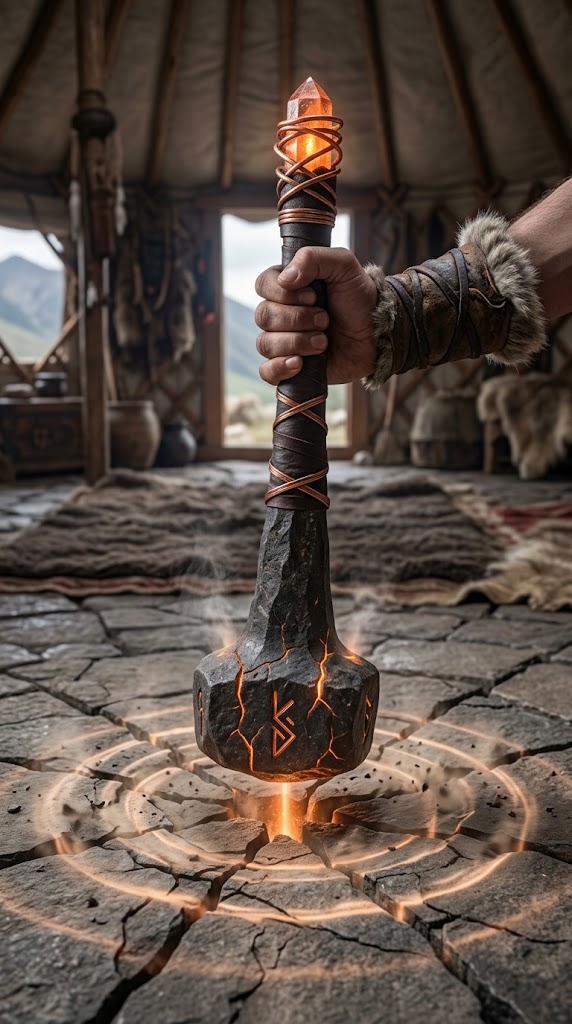
Shamanic 814 of the Tectonic Hearth Stirrer
Lore: Originating among nomadic foothill clans traversing the seismically active fault valleys of northern Natufian and the Kurgan crags, this heavy ritual pestle was conceived to appease subterranean rock-spirits rather than oppose them. In regions where frequent ground tremors shatter stone dwellings and swallow livestock into sudden fissures, tribal baksy and shamans developed grounding rituals…
-
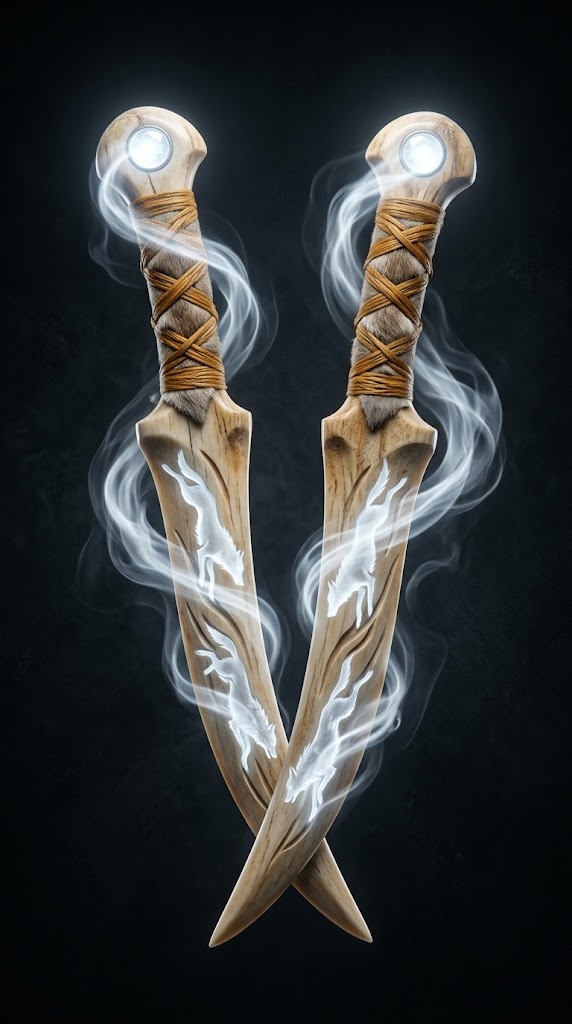
Shamanic 582 of the Twin Asena Fangs
Lore: Originating among nomadic steppe horse-clans and high-plateau hunters across the island territories of Kurgan, Trypillya, and northern Tasian, these paired ritual implements trace their lineage to early ancestor shamans who mediated covenants with the dual spirit-wolves of the wilderness. Before the rise of industrial steam vats and mechanical looms, wandering hunters faced predatory beasts…
-
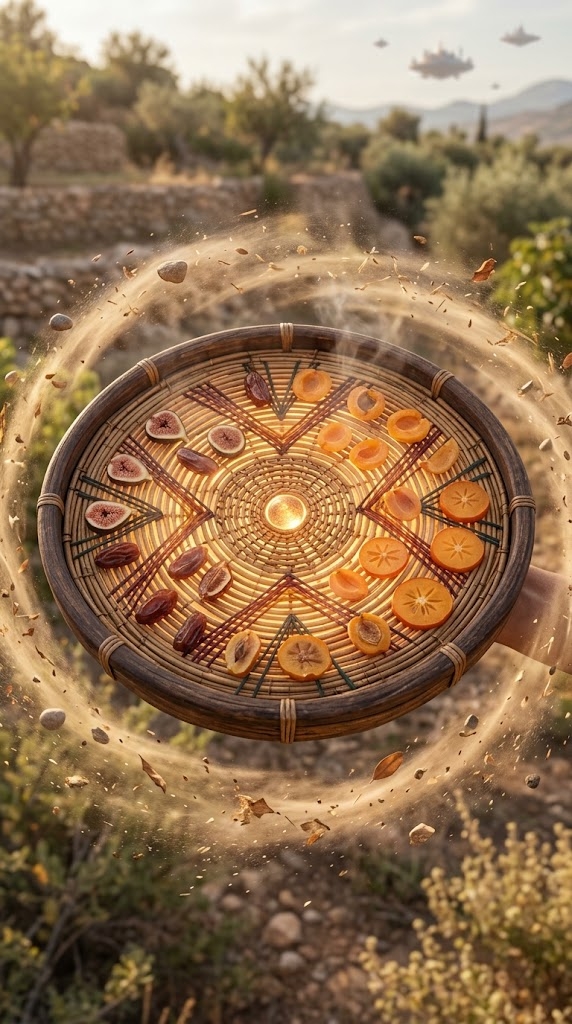
Shamanic 418 of the Orchard Hearth
Lore: Across the semi-arid steppes, scrubland terraces, and orchard slopes of island nations like Natufian, Amratian, and Ghassulian, wandering shamans maintain deep spiritual pacts with localized nature spirits, ancestor guides, and minor elemental thermal essences. Long before the rise of industrial steam vats and battery-driven dehydration plants, seasonal foraging communities faced severe perishability issues, with…
-
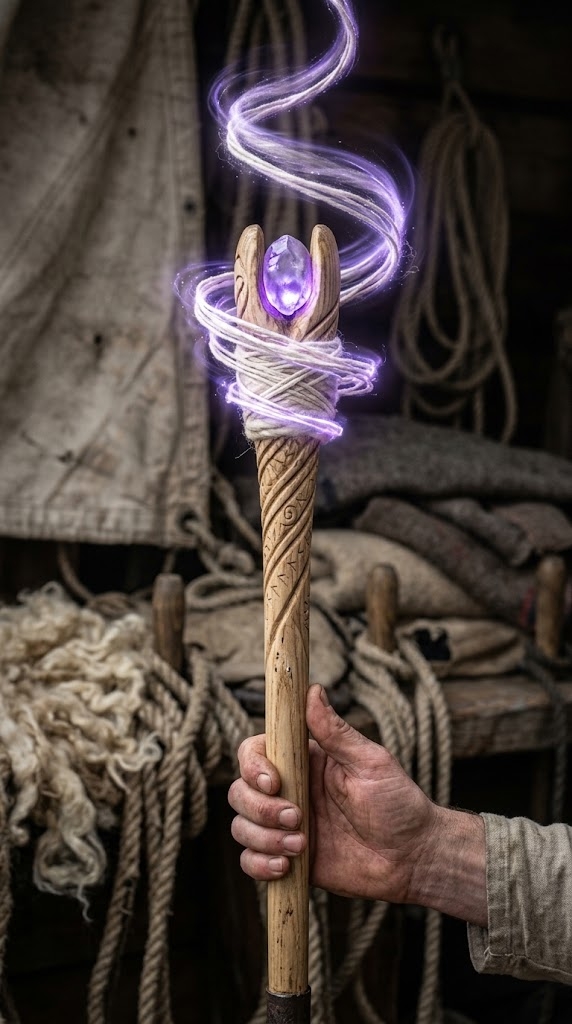
Seiðr 734 of the Weaving Gale
Lore: During the early eras of the Age of First People, souls reincarnating from northern ancestral realms retained fragmented memories of distaff-spinning and the spirit-working traditions known as Seiðr. Rather than shaping magic through rigid arcane machinery or industrial boilers, these early practitioners treated ambient elemental flows as raw wool or unspun flax waiting to…
-
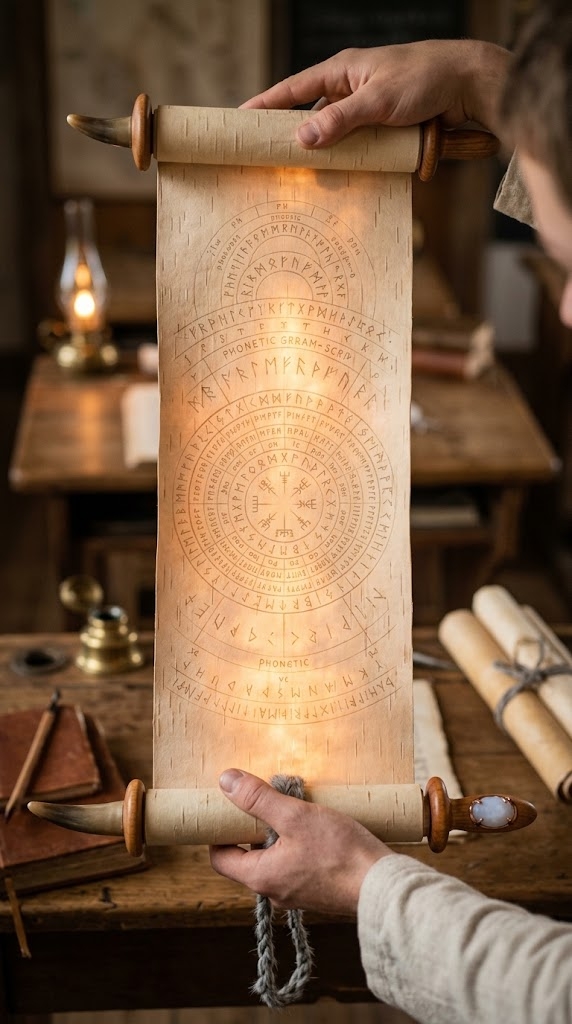
Seiðr 832 of the Birch Bark Catechism Scroll
Lore In the secluded monastic schools, itinerant hedge-academies, and winter-lodges of Saṃsāra, true learning is regarded not as the memorization of dead words, but as an awakening of the soul’s latent memory. The elder skalds and Seiðr-pedagogues knew that knowledge is woven through the world like thread through cloth; one must merely enter the quiet…
-
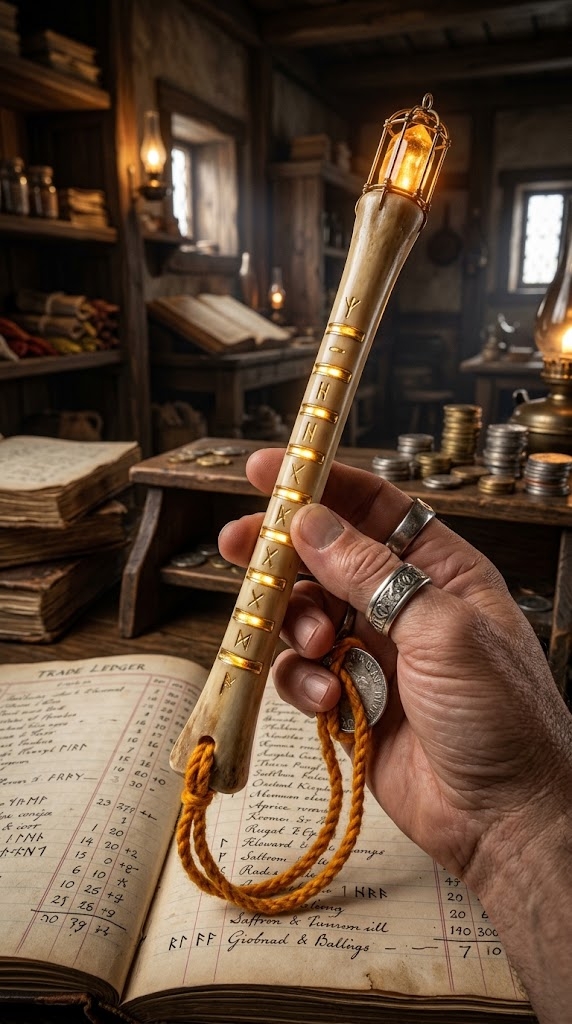
Seiðr 419 of the Gilt Bone Tally Wand
Lore In the bustling river-ports, mining settlements, and caravan hubs of Saṃsāra, wealth is understood not merely as physical metal, but as a flowing current of obligation, trust, and shared labor. The Seiðr-weavers of old recognized that trade ledgers and exchange houses possess their own metaphysical weave—a web of debt and value that can be…