
Category: Countries
-
Capsian Language: Sal-Kwe
Linguistic Attributes and Characteristics Sal-Kwe is the national language of the Major Island Country of Capsian, a rugged island continent in the world of Saṃsāra, named for its ancient culture known for sophisticated stone tools and early coastal settlements. Sal-Kwe is an isolating, click-accented language with a distinctive phonetic structure and minimalist grammar. It incorporates…
-
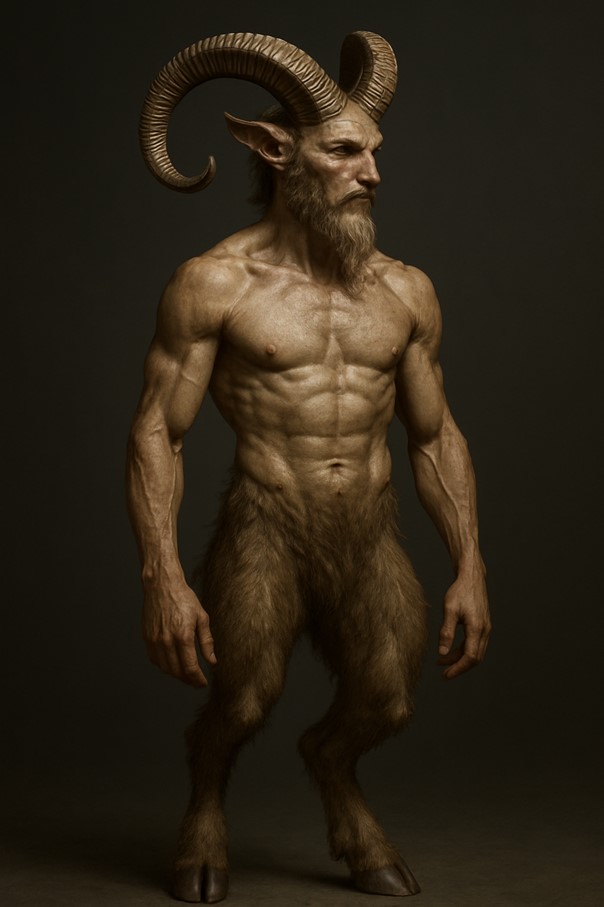
Sal Vyr
The predominant race of the island nation of Capsian is a hardy and agile people known as the Sal-Vyr. Their unique physiology is perfectly suited to the rugged landscapes of their homeland, and their cultural identity is deeply intertwined with their physical form. The ruling matrilineal monarchy of Capsian is composed of Sal-Vyr, and their…
-
Boian Language: Vyr-Tal
Linguistic Attributes and Characteristics Vyr-Tal is the national language of the Major Island Country of Boian, a fertile island continent in the world of Saṃsāra, named for its ancient culture known for vibrant settlements and early decorative arts. Vyr-Tal is a fusional, stress-timed language with a melodic phonetic structure and flexible grammar. It features a…
-
Culture Profile of Boian
LoreThe Island Nation of Boian rests atop high, fertile promontories and layered inland plateaus, where time seems to condense into deliberation and design. It is one of the most stable nations in Saṃsāra—an enduring, intellectual bastion of strategy, craftsmanship, and collective clarity. Its ancestors were not unified by conquest or miracle, but by a moment…
-
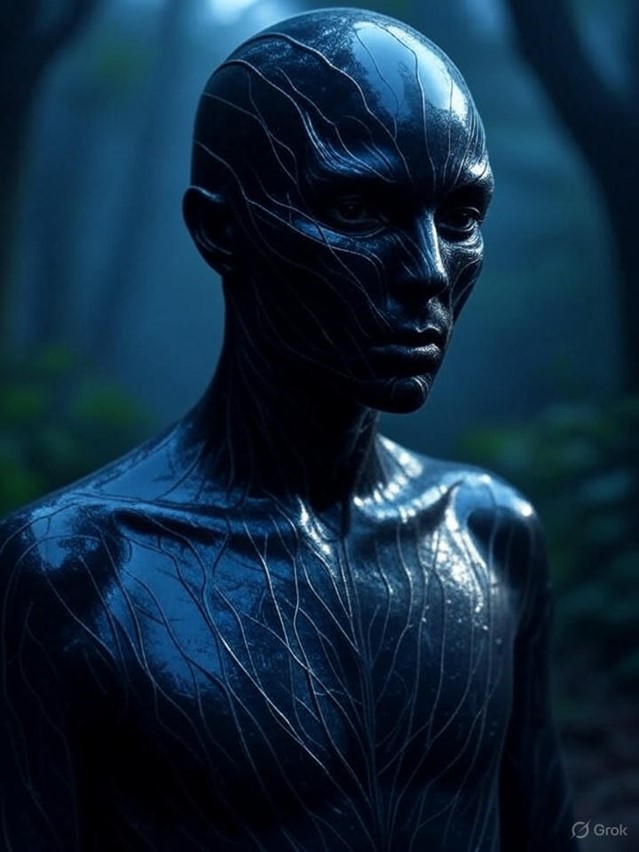
Vyrn Ka
Species Name: Vyrn-Ka (“Silent-Wrought” in Vyr-Tal)Overview: The Vyrn-Ka are a rare, refined race of semi-corporeal avatars formed from the union of elemental resonance and ancestral memory—beings shaped not from flesh alone, but from stabilized magical essence woven into a tangible form through Boian rituals. They are the native and dominant people of Boian, with their…
-
Way of the Woven Stream
This belief system is practiced by the inhabitants of the Banpo Isles, a nation comprised of a large central island and a spray of smaller ones, all situated along the mouth of a massive, slow-moving river. The faith is not a collection of rigid doctrines but a lived philosophy that informs every aspect of Banpo…
-
Culture of Banpo Island Nation
Lore of the Banpo Island Nation begins with the foundational event known as the Great Placement, when an entire ancestral village was lifted from its original existence and set upon the fertile banks of the Great River that winds through the heart of the island. This village, intact with its inhabitants, homes, and tools, awakened…
-
Banpo Language: Wen-Shu
Linguistic Attributes and Characteristics Wen-Shu is the national language of the Major Island Country of Banpo, a verdant island continent in the world of Saṃsāra, named for its ancient culture known for early village settlements and intricate pottery. Wen-Shu is an isolating, tonal language with a balanced phonetic structure and minimalist grammar. It features a…
-

Wen Tal
Species of the Island Nation of BanpoThe predominant race of avatars on the Island nation of Banpo is known as the Wen-Tal, a humanoid species deeply intertwined with the riverine and artisanal heritage of their homeland. Emerging from the Great Placement, where their ancestral village was transposed intact onto the banks of the Great River,…
-
Path of the Black Silt
This religion is the predominant faith within the island nation known as the Badarian Archipelago. The faith is deeply intertwined with the land itself, which consists of a series of large, low-lying islands formed around a vast and supremely fertile river delta. The people believe their ancestors were among the first souls to arrive on…
-
Badarian Language: Khar-Vel
Linguistic Attributes and Characteristics Khar-Vel is the national language of the Major Island Country of Badarian, a fertile island continent in the world of Saṃsāra, named for its ancient culture known for early agriculture and pottery. Khar-Vel is an agglutinative, syllable-timed language with a harmonious phonetic structure and structured grammar. It features a three-tone system—level,…
-
Culture of Badarian
Lore of the Badarian Island Nation begins with the arrival of the first souls to its fertile shores over nine thousand years ago, when multiversal travelers found themselves in a land of endless mud and water, where the ground itself seemed alive with potential. These early avatars, drawn from diverse realms, discovered a paradise of…
-

Khar Sun Species of Badarian Island Nation
The predominant race of avatars in the Badarian Island Nation is known as the Khar-Sun, a sturdy and resilient people whose essence is deeply intertwined with the fertile silt and clay of their homeland. As souls reincarnated from across the multiverse, many Khar-Sun avatars recall past lives in realms of enduring craftsmanship and subterranean depths,…
-

Zel Tar: The Tide-Marked People
Species The Zel-Tar are the predominant race of avatars on the island nation of Azilian and comprise its ruling family. They are not a separate biological species in the traditional sense, but rather avatars whose souls have been profoundly transformed by the deity Zoryn, either during their initial arrival in Saṃsāra or through a subsequent…
-
Aurignacian Language: Lyr-Aur
Linguistic Attributes and Characteristics Lyr-Aur is the national language of the Major Island Country of Aurignacian, a lush island continent in the world of Saṃsāra, named for its ancient culture renowned for artistry and cave paintings. Lyr-Aur is a fusional, pitch-accented language with a melodic phonetic structure and expressive grammar. It features a pitch-accent system…
-
Culture of the Island Nation of Aurignacian
Lore The culture of Aurignacian is a celebration of light, legacy, and artistic creation, born from the island nation’s unique, luminous environment. Spanning 119,200,000 acres and supporting a population of 23,840,000 avatars, Aurignacian’s identity is shaped by its ancient history of artistry. The nation’s founders, the Lyr-Kwe people, flourished over 12,000 years ago, not through…
-
Aurignacianism The Faith of Luminara
Lore: In the radiant, cavern-lit expanse of Aurignacian, an island nation spanning 119,200,000 acres in Saṃsāra’s northern luminescent belt, the religion of Aurignacianism has flourished for over 6,700 years. The faith’s origins lie in the Light Unveiling, a mythic event when Luminara, the Weaver of Light and Legacy, emerged from the island’s glowing caverns to…
-

Aureate
Species The Aureate are a race of radiant, reptilian humanoids who embody the Aurignacian ideals of beauty, legacy, and light. They are the primary inhabitants and the ruling lineage of the island nation, and their unique physiology is inextricably linked to the magically luminous environment they call home. Far from being cold and pragmatic, the…
-
Aterianism The Faith of Tarakh
Lore: In the shadowy, cavern-riddled expanse of Aterian, the largest island nation spanning 1,076,800,000 acres in Saṃsāra’s southern underlands, the religion of Aterianism has persisted for over 6,400 years. The faith’s origins lie in the Shadow Descent, a mythic event when Tarakh, the Keeper of Shadows and Survival, emerged from the island’s deepest caverns to…
-
Culture of Aterian
Lore The Aterian culture, which defines the island nation of the same name, is built upon a single, ancient principle: the creation of the perfect tool for the task at hand. This philosophy originated with the island’s earliest inhabitants, the Sef-Kal, who crafted distinctive, tanged stone points for their spears and darts, allowing them to…
-
Aterian Language: Sef-Tar
Linguistic Attributes and Characteristics Sef-Tar is the national language of the Major Island Country of Aterian, a rugged island continent in the world of Saṃsāra, named for its ancient hunter-gatherer culture renowned for crafting fine tools and weapons. Sef-Tar is an isolating, click-based language with a distinctive phonetic structure and minimalist grammar. It incorporates a…
-

Verran
Species The Verran are a unique humanoid species whose physical form is not a constant, but a tool to be shaped. They are the living embodiment of the Aterian philosophy of pragmatic adaptation, viewing their own bodies as the ultimate instrument of survival and influence. While they are capable of assuming the likeness of other…
-
Culture of Assyria
The island nation of Assyria is a land forged in fire and order, its culture a reflection of the volcanic chain it inhabits. It is a society built upon pillars of strength, discipline, and dominion, where military might and scholarly achievement are seen as two sides of the same coin. The people, who call themselves…
-
Assyrian Language: Akkad-Sar
Linguistic Attributes and Characteristics Akkad-Sar is the national language of the Major Island Country of Assyria, a prominent island continent in the world of Saṃsāra, named for its ancient militaristic and scholarly culture. Akkad-Sar is a fusional, stress-accented language with a robust phonetic structure and a sophisticated grammatical system. It features a stress-accent system where…
-

Akkad Kuri of Assyria
Species, Physical Form, and Sensory Traits The predominant race of Assyria, the Akkad-Kuri, are a humanoid species believed to have been forged by the deity Ashurak to be the stewards of the island’s potent magical ley lines. They possess a striking and formidable appearance that commands respect and inspires awe. Their skin has a pale,…
-
Archaic Language: Vryn-Syl
Linguistic Attributes and Characteristics Vryn-Syl is the national language of the Major Island Country of Archaic, a vast island continent in the world of Saṃsāra, named for its ancient, enigmatic culture. Vryn-Syl is a polysynthetic, intonation-based language with a complex phonetic structure and highly intricate grammar. It features a fluid intonation system, where pitch contours…
-
Culture of Archaic: The Vryn-Kar
The island nation of Archaic is defined by the culture of its majority population, the Vryn-Kar. Theirs is a society steeped in an ancient, introspective ethos, one that reveres memory, endurance, and the enigmatic ruins that dot their vast, forested homeland. The Vryn-Kar see themselves not as conquerors of the land, but as its inheritors…
-
Archaicism The Faith of Vyrkan
Lore: In the dense, root-entwined expanse of Archaic, an island nation spanning 846,400,000 acres in Saṃsāra’s central forest belt, the religion of Archaicism has endured for over 6,500 years. The faith’s origins trace back to the Root Awakening, a mythic event when Vyrkan, the Warden of Roots and Resilience, rose from the island’s ancient woodlands…