
Tag: Tier 1
-
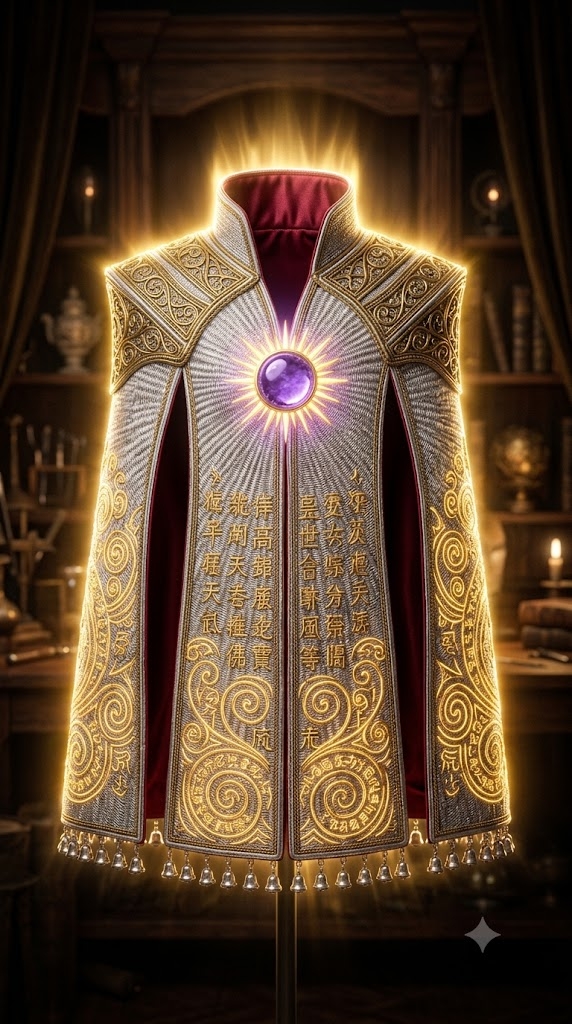
Jumon 819 of the Sovereign Zenith
Lore Forged during the late Renaissance era on the volcanic island of Magdalenian, this item was created by an ambitious artificer who sought to merge the sacred, elevating power of traditional Japanese Jumon with the societal drive toward higher tiers of existence. In Saṃsāra, where reincarnated souls strive to advance their status and master their…
-
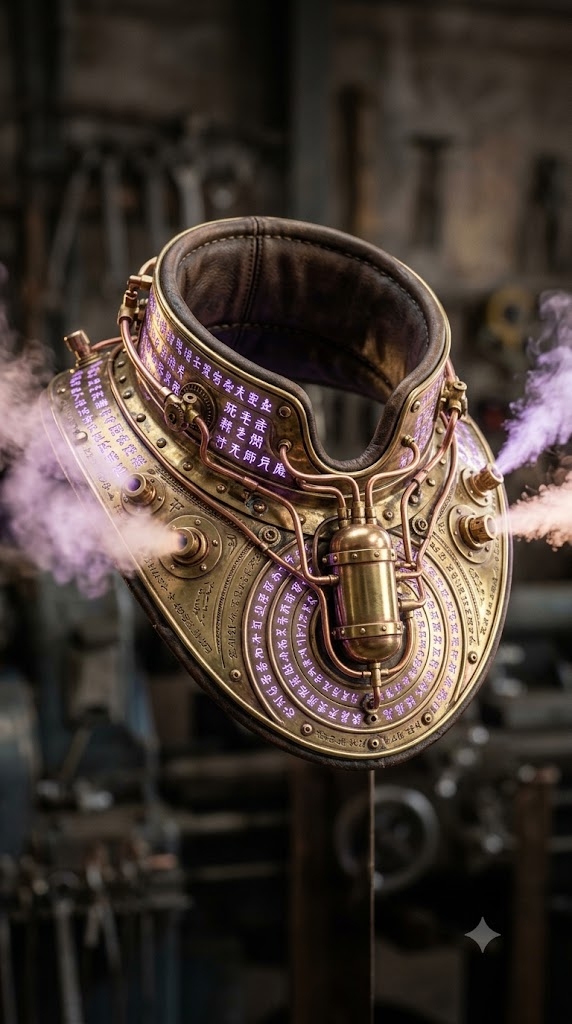
Jumon 472 of the Forge Welded Sutra
Lore Crafted during the early years of the Industrial Age in the copper-rich workshops of Aterian, this item was forged by an Isekai artisan who sought to marry ancient spiritual chanting with steam-era metalworking. The artisan believed that the rhythmic, focused cadence of traditional Japanese incantations could stabilize wild magical flows while shaping metal and…
-
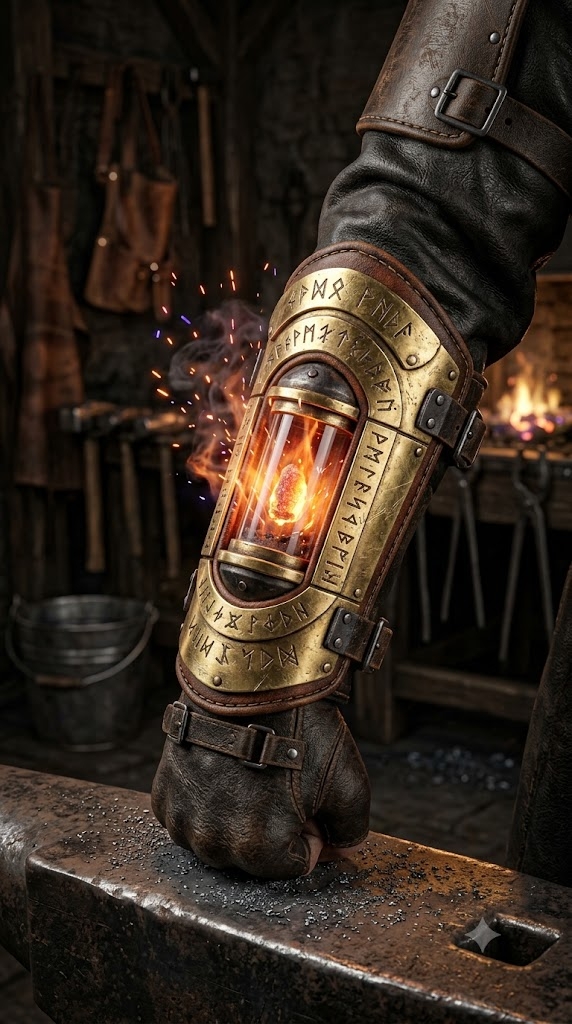
Jinn 7412 of the Hearth Forged Bracer
Lore: Crafted in the subterranean smithies of Erlitou, this reinforced brass bracer houses a minor jinn of smokeless fire bound to assist master armorers and field blacksmiths. In the harsh wilderness and damp dungeons of Saṃsāra, maintaining heavy gear is a constant challenge. Armorers wear this bracer to heat metal rivets instantly, temper compromised plate…
-
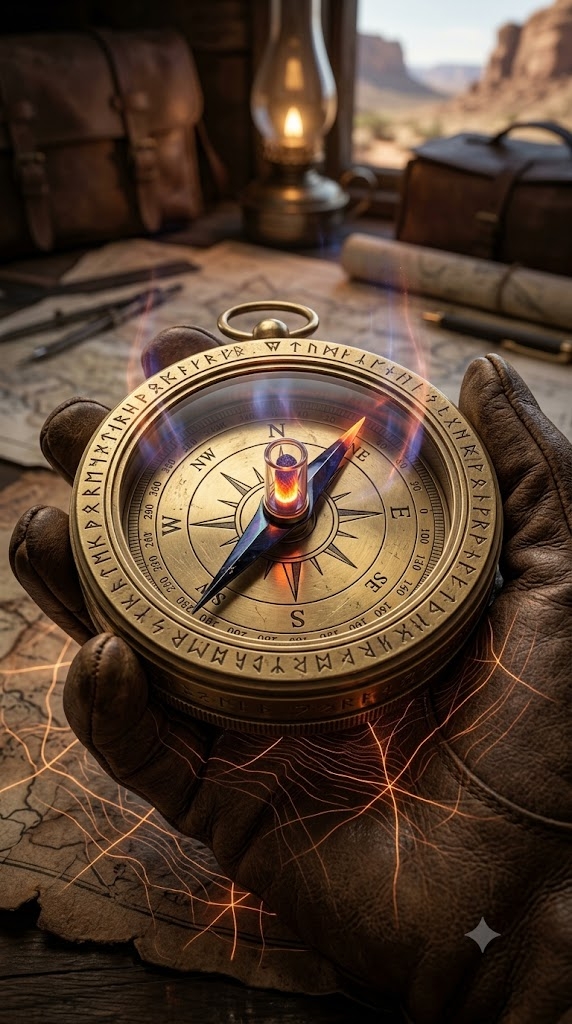
Jinn 9341 of the Topographers Ember Compass
Lore: Forged during the Age of Sand-Storms by a wandering surveyor of Erlitou, this heavy brass navigational compass houses a minor jinn of smokeless fire bound to aid pathfinders across uncharted terrain. Unlike ordinary compasses that point toward magnetic poles, its needle is driven by an elemental flame that aligns with ley lines, subterranean paths,…
-
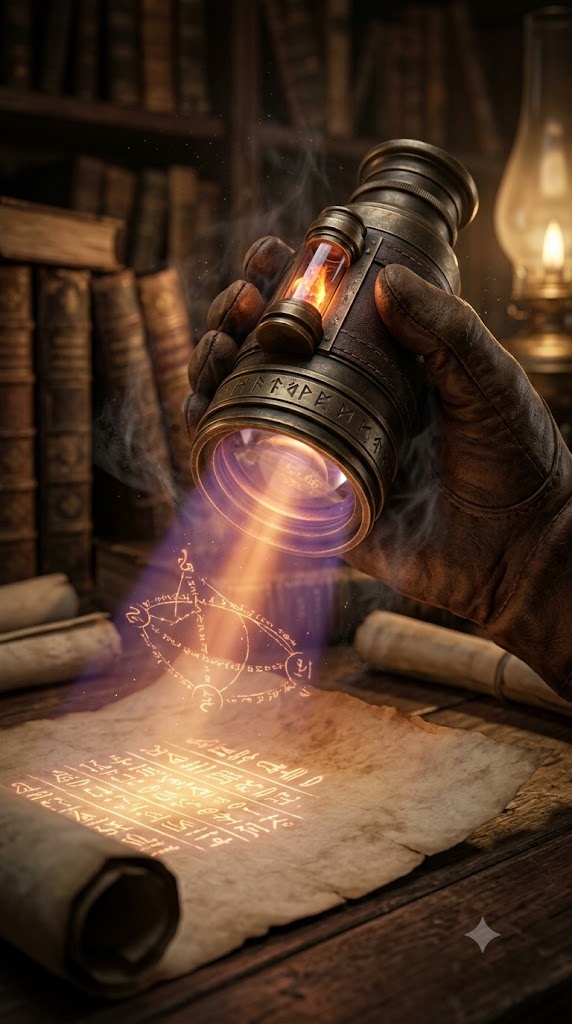
Jinn 5829 of the Archivists Ember Lens
Lore: Unearthed within the forgotten subterranean libraries of Erlitou, this magnifying brass eyepiece was crafted by an ancient scholar who bound a minor jinn of smokeless fire to aid in preserving decaying texts. Designed to illuminate invisible ink, read water-damaged scrolls, and protect delicate parchments from mold and rot, the lens channels elemental warmth without…
-
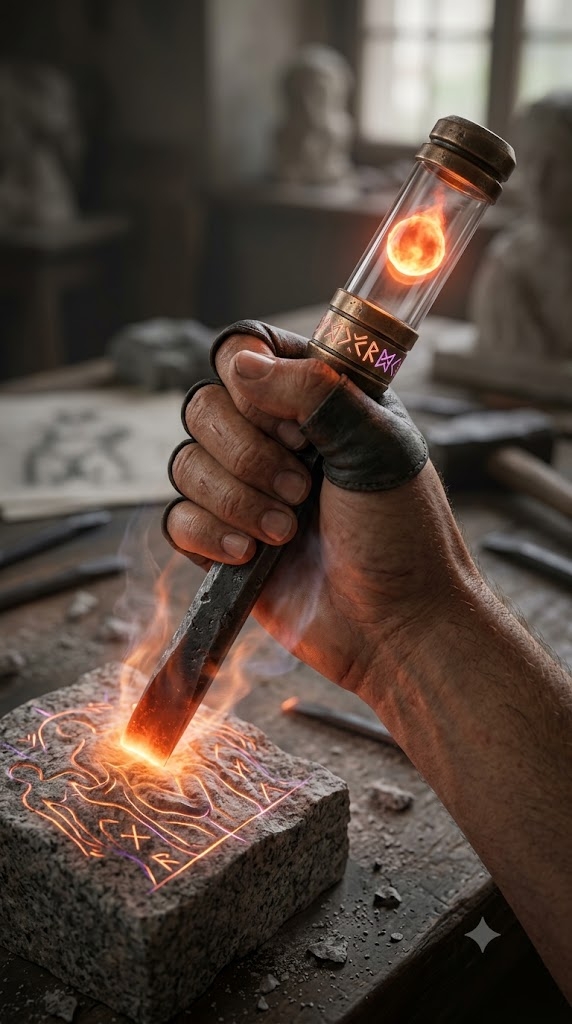
Jinn 7341 of the Sculptors Ember Chisel
Lore: Forged in the mountain quarries of the island nation of Erlitou, this iron-and-bronze carving tool was crafted by a master stone-carver who struck a pact with a minor jinn of smokeless fire. The sculptor sought a tool capable of gliding through stubborn granite like soft clay while offering absolute precision over fine artistic details.…
-
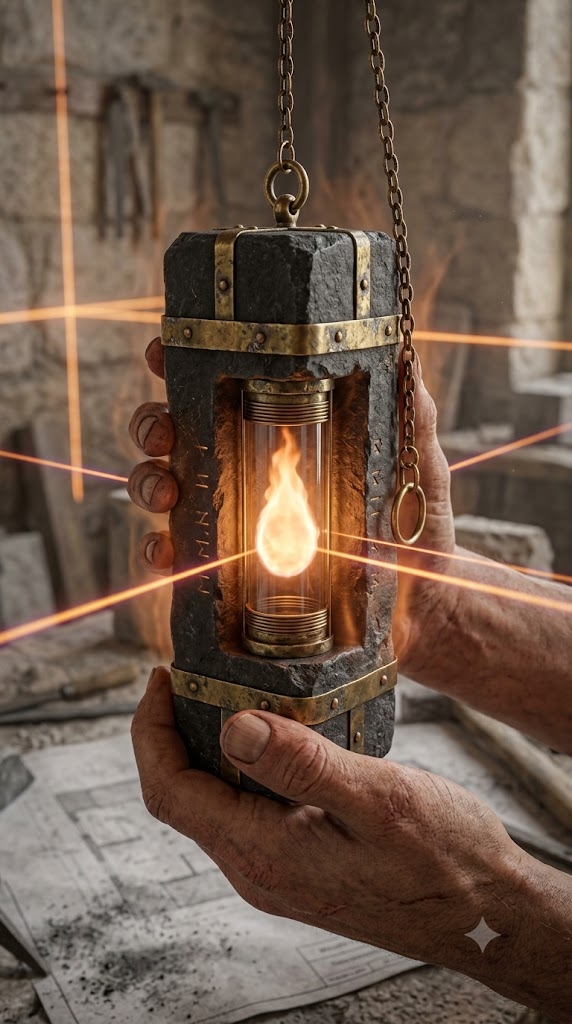
Jinn 4192 of the Masons Ember Plumb
Lore: Forged in the stone-quarries of the island nation of Erlitou, this iron-bound stone level was blessed by a master builder who struck a pact with a minor jinn of smokeless fire. The architect sought a tool that could reveal structural flaws hidden deep within stone and ensure that foundations would endure the violent earth-tides…
-
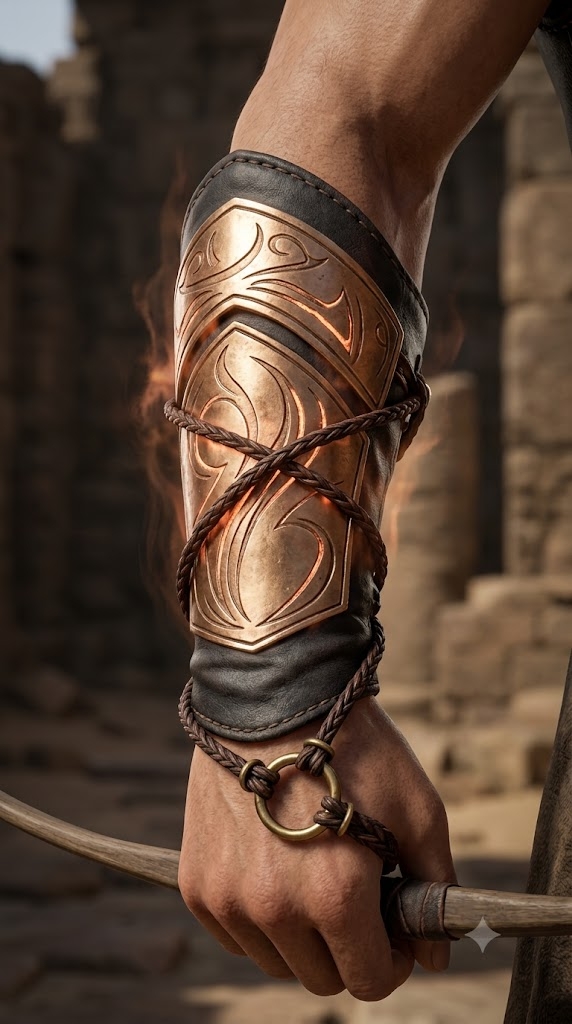
Jinn 8319 of the Ash-Veiled Bracer
Lore: Forged in the sun-baked badlands of the island nation of Badarian, this arm-guard was bound with the flickering ember-essence of a minor jinn of smokeless fire by a nomadic marksman. The archer sought the aid of the desert spirit to ensure her arrows would fly true through blinding sandstorms and thick battlefield smoke. Passed…
-
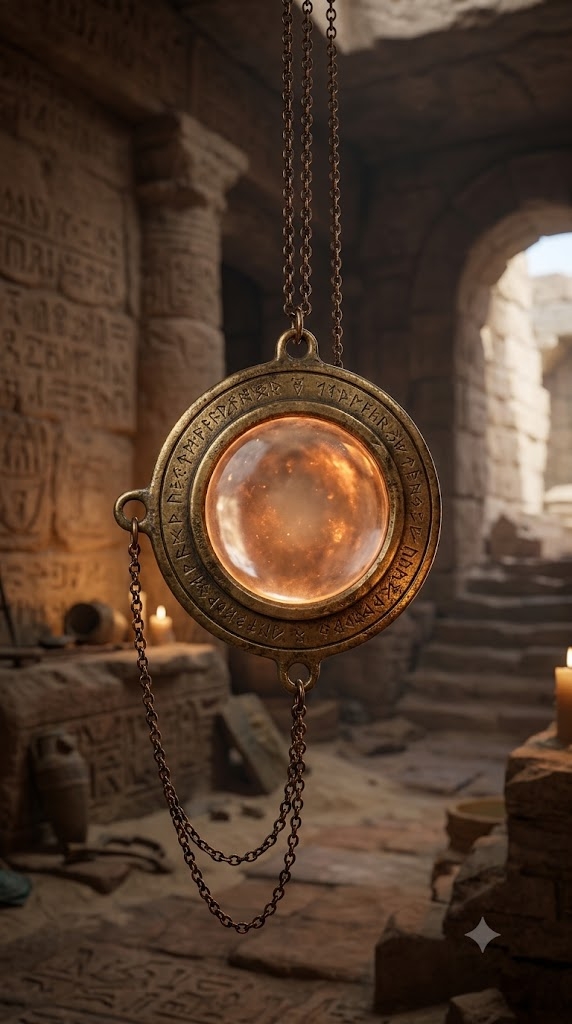
Jinn 7492 of the Antiquarians Smoldering Monocle
Lore: Uncovered within a dust-choked ruin along the trade routes of the island nation of Tasian, this brass-framed eyepiece was forged by an ancient scholar who bargained with a minor jinn of smokeless fire. The scholar sought to peer through the layers of sand, ash, and decayed time to read the forgotten texts of early…
-
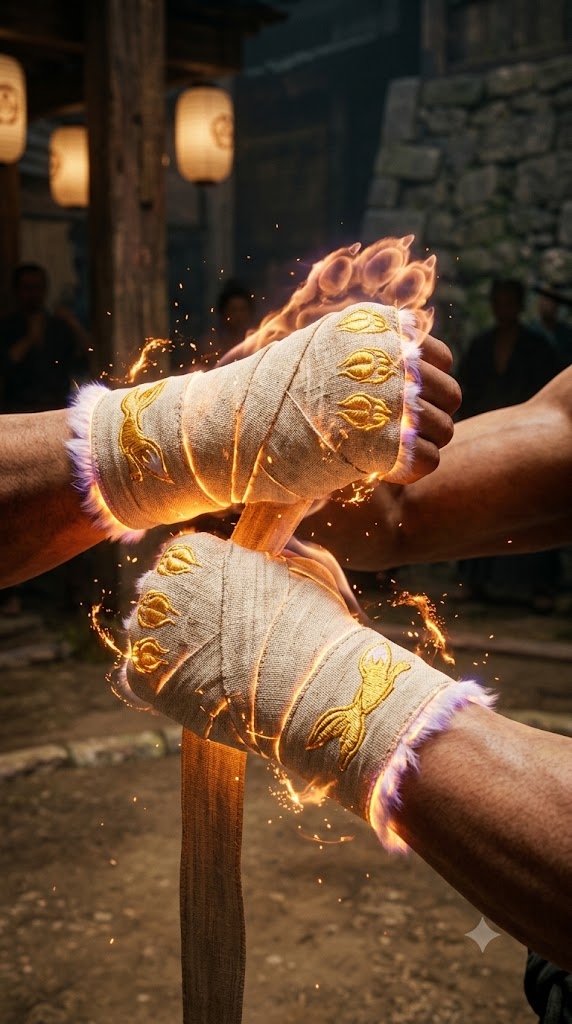
Kitsune 512 of the Fox Paws Handwraps
Lore In the rowdy gambling dens and street rings across the island nation of Jōmon, brawlers often tell tales of Kitsune 512—a pair of enchanted handwraps originally created by a jovial fox-spirit named Kintaro. Kintaro loved nothing more than watching tavern fights, but grew tired of seeing weak, heavy-footed boxers get knocked out before the…
-
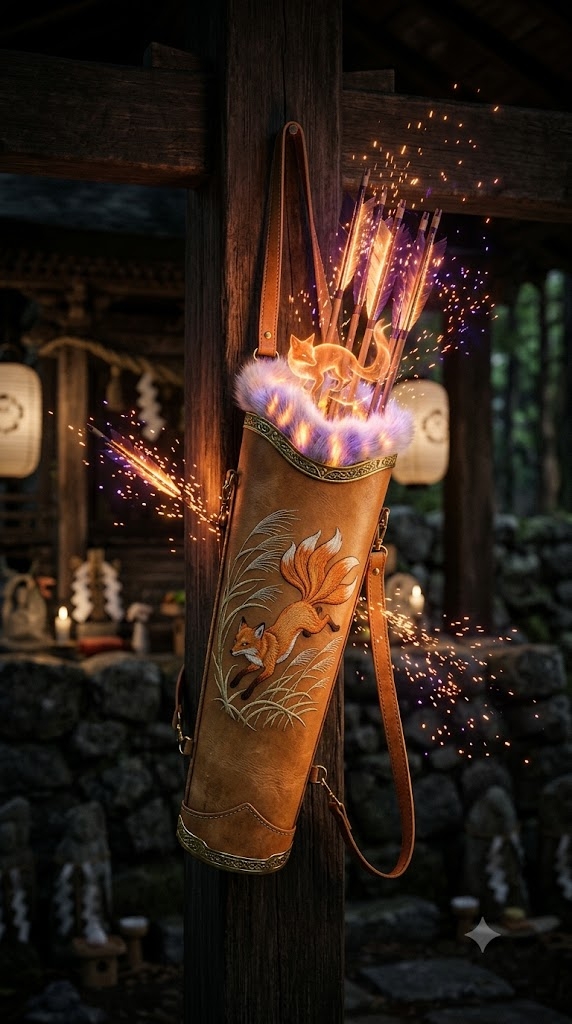
Kitsune 819 of the Fox Fire Quiver
Lore In the sun-dappled forests of Jōmon, master archers often honor the wild fox-spirits that roam the canopy, seeking their favor for keen sight and swift arrows. It is said that a mischief-loving Kitsune named Ren took pity on a novice bowman who continually missed his targets during a grand hunt. Sneaking into the bowman’s…
-
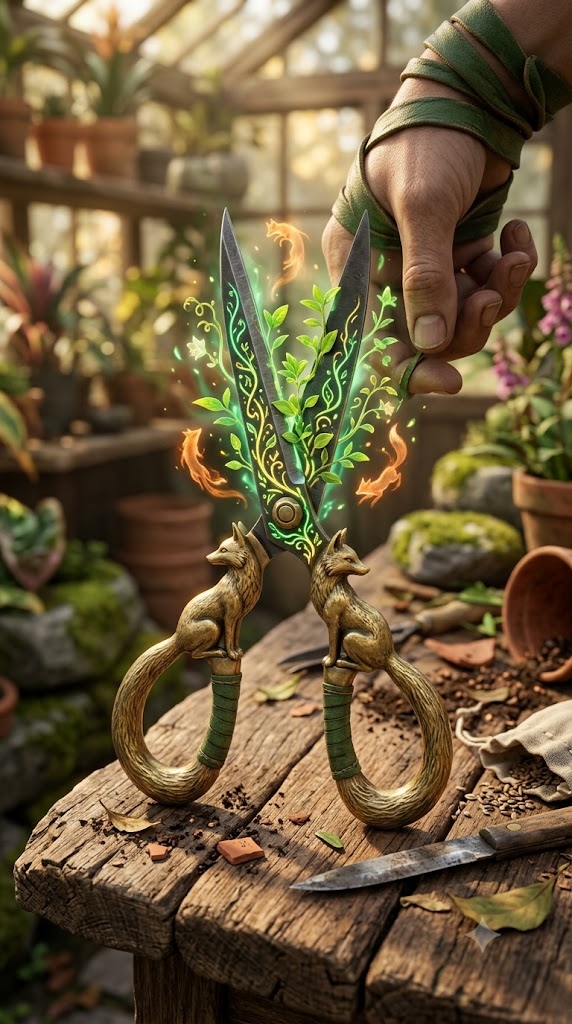
Kitsune 341 of the Verdant Sprout Shears
Lore In the lush terrace farms and misty valley gardens of the island nation of Jōmon, a legendary herbalist and fox-spirit gardener named Hanako tended to the sacred spirit-flora of Saṃsāra. Hanako was renowned for her uncanny ability to make rare, temperamental herbs bloom in hostile climates and coax potent medicinal properties from ordinary weeds.…
-
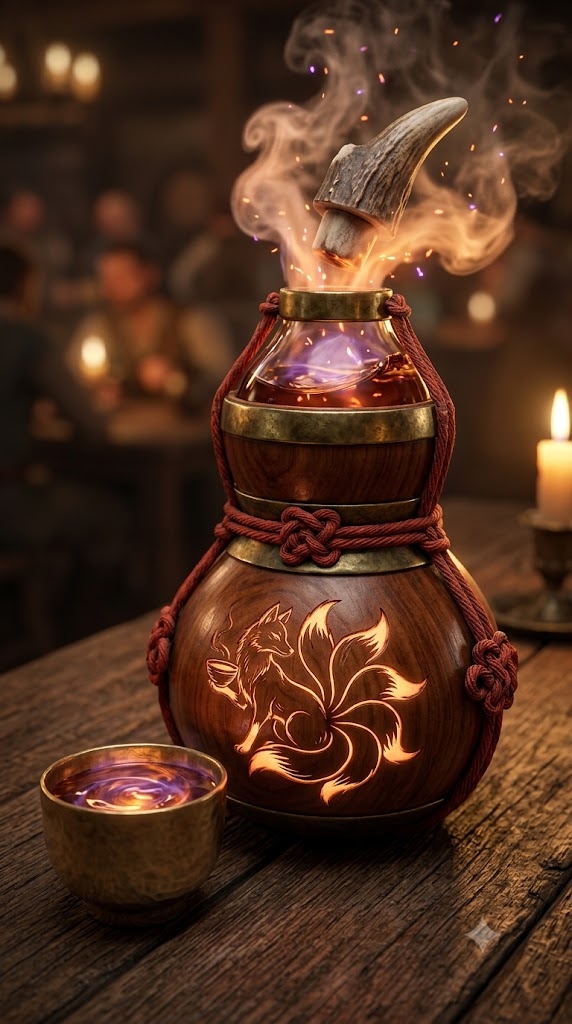
Kitsune 582 of the Endless Revelers Gourd
Lore During the Renaissance period on the island nation of Jōmon, a notorious rogue-monk and brewer named Gensai spent more time in harbor taverns than in prayer halls. Gensai was famous for his ability to out-drink sea captains, guild masters, and local warlords alike, winning trade concessions and gathering intelligence over endless bowls of sake.…
-
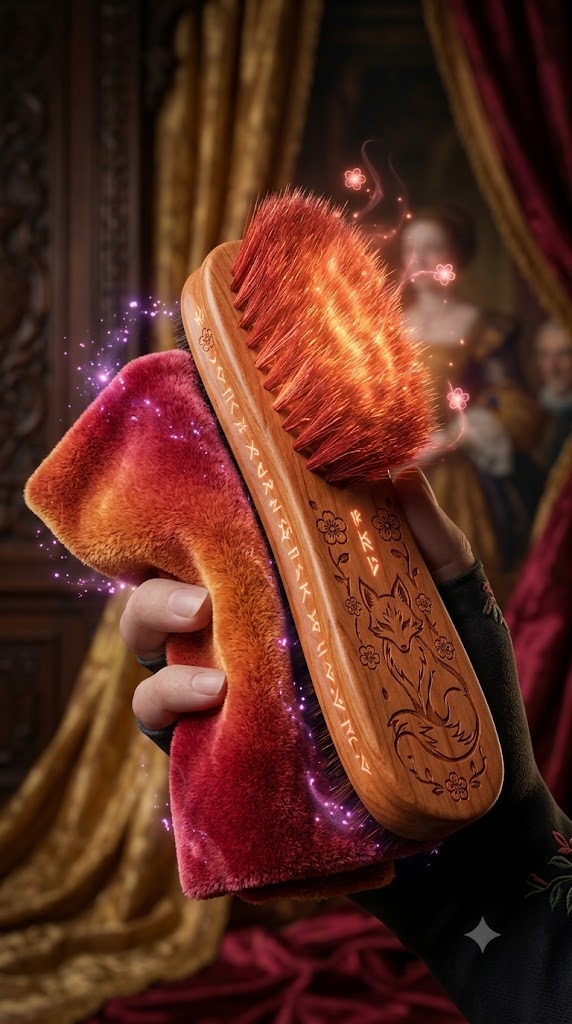
Kitsune 912 of the Sycophants Cobble
Lore During the middle of the Wilderness Conquest era, an ambitious lower-tier bureaucrat named Gengoro served under a particularly vain warlord on the island nation of Yamato. Gengoro lacked physical strength and arcane prowess, but he possessed an unyielding desire to curry favor with his superiors. Seeking a edge in the royal court, he commissioned…
-
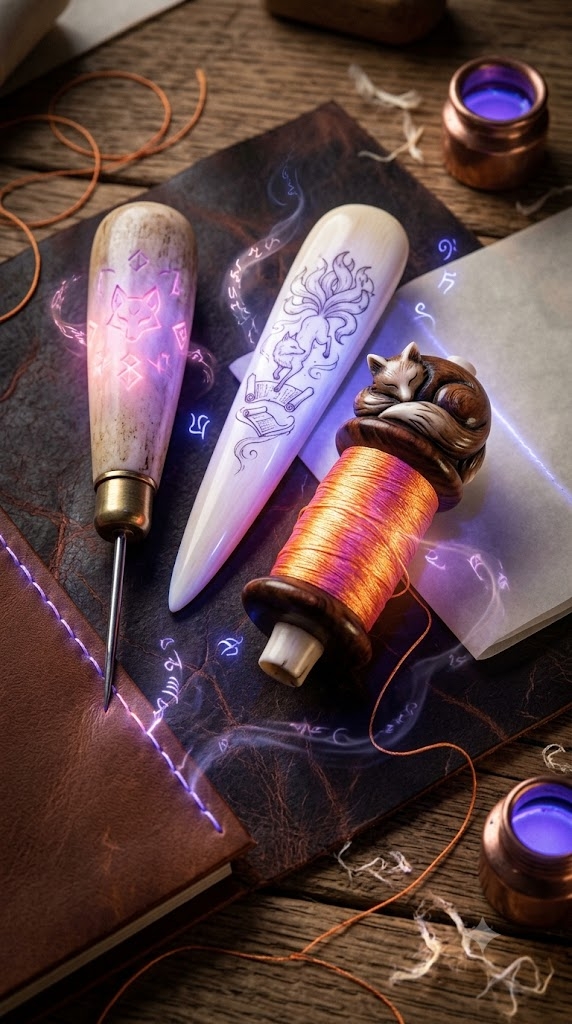
Kitsune 743 of the Nine Tailed Binding
Lore During the Wilderness Conquest, a clever fox-kin artisan named Hakuro operated a modest workshop in the coastal libraries of the island nation of Jōmon. Hakuro was fascinated by the fleeting nature of paper documents, which easily rotted under humid maritime air or burned during chaotic arcane skirmishes. Drawing upon the ancestral fox-spirit trickery and…
-
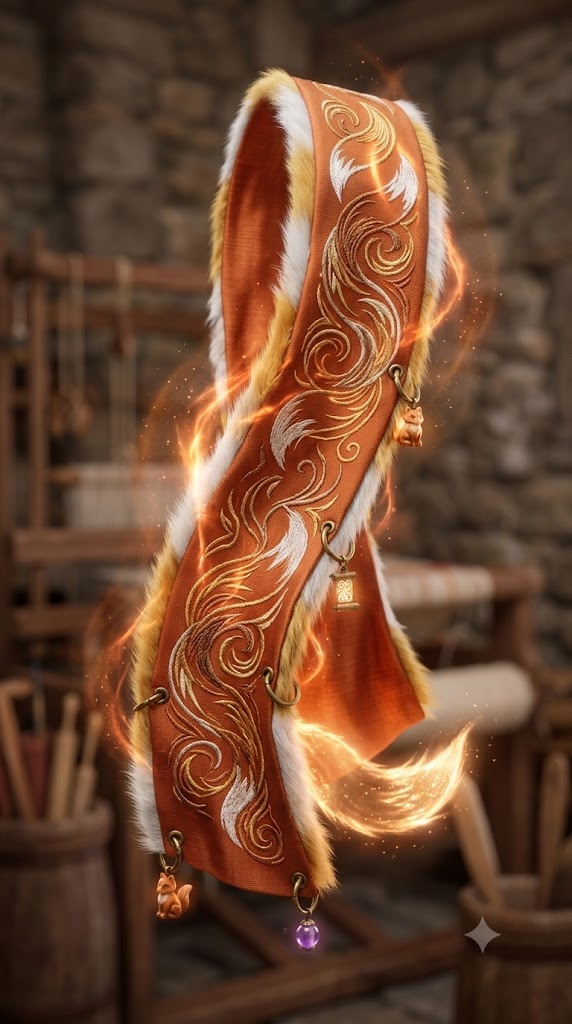
Fox Tail Sash of the Nimble Gesture
Lore: Created by an eccentric artisan from the island state of Jōmon, this vibrant sash is woven from silk and fine fox fur. Legend holds that the artisan studied the subtle tail twitches, ear pivots, and fluid movements of native sentient foxes to unlock a method of communicating without words. The magic within the fabric…
-
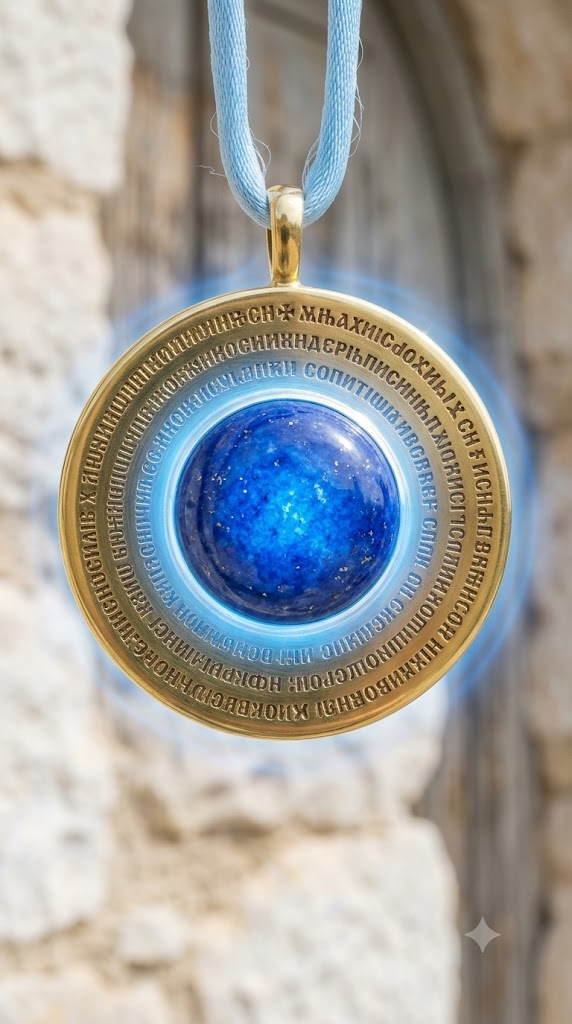
Coptic 902 of Anxiety-free
Item Classification and Slot Item Name: Coptic 902 of Anxiety-free Item Rank: Tier 1 (Common) Equip Slot: Neck Slot (Occupies exactly 1 gear slot) Attunement Requirement: Simple Attunement (Requires 1 minute of quiet meditation while holding the token over the heart to align spiritual breath) Lore Forged by ascetic monk-hermits in the serene river monasteries…
-
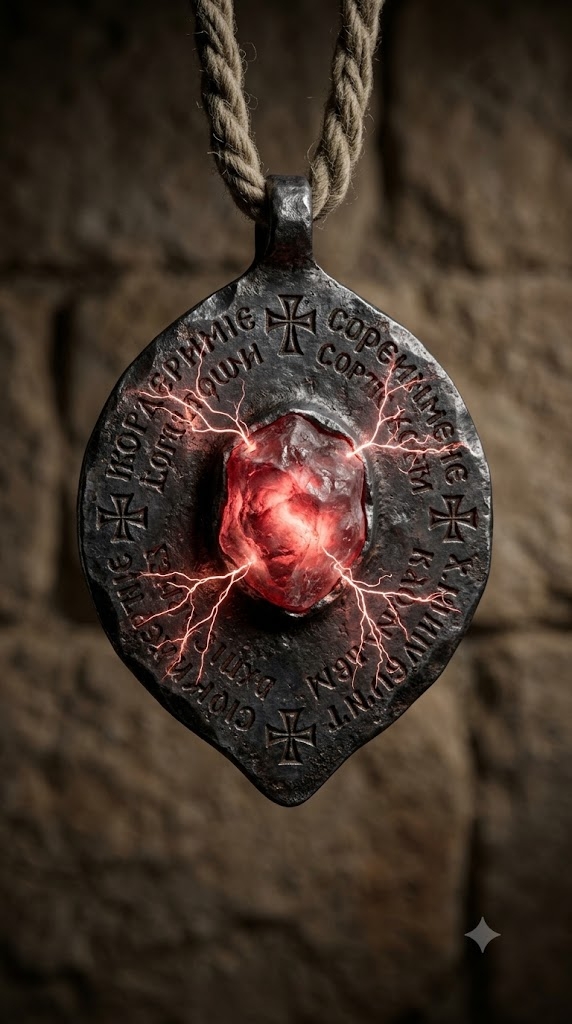
Coptic 318 of Anxiety
Item Classification and Slot Item Name: Coptic 318 of Anxiety Item Rank: Tier 1 (Common) Equip Slot: Neck Slot (Occupies exactly 1 gear slot) Attunement Requirement: Simple Attunement (Requires 1 minute of focus while holding or wearing the pendant during a moment of nervous distress) Lore Forged in the secluded hermitages of the Nitrian Desert…
-
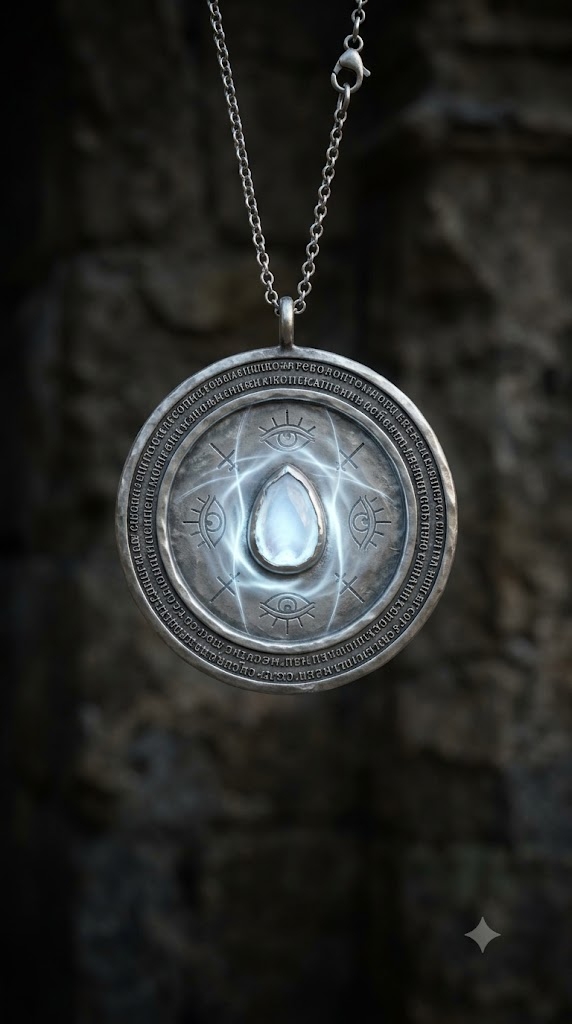
Coptic 742 of Anticipation
Item Classification and Slot Item Name: Coptic 742 of Anticipation Item Rank: Tier 1 (Common) Equip Slot: Neck Slot (Occupies exactly 1 gear slot) Attunement Requirement: Simple Attunement (Requires 1 minute of uninterrupted focus while holding or wearing the medallion) Lore Forged during the early liturgical guilds in the coastal reaches of Alexandria on Saṃsāra,…
-
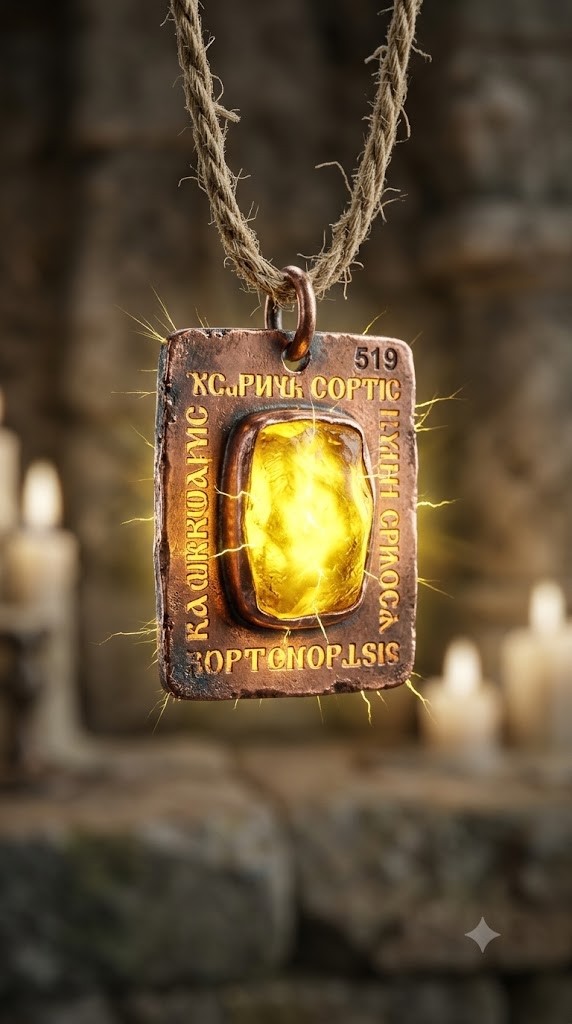
Coptic 519 of Annoyance
Item Classification and Slot Item Name: Coptic 519 of Annoyance Item Rank: Tier 1 (Common) Equip Slot: Neck Slot (Occupies exactly 1 gear slot) Attunement Requirement: Simple Attunement (Requires 1 minute of uninterrupted focus while holding or wearing the talisman) Lore Forged during the early expansion era in the island nation of Badarian, Coptic talismans…
-
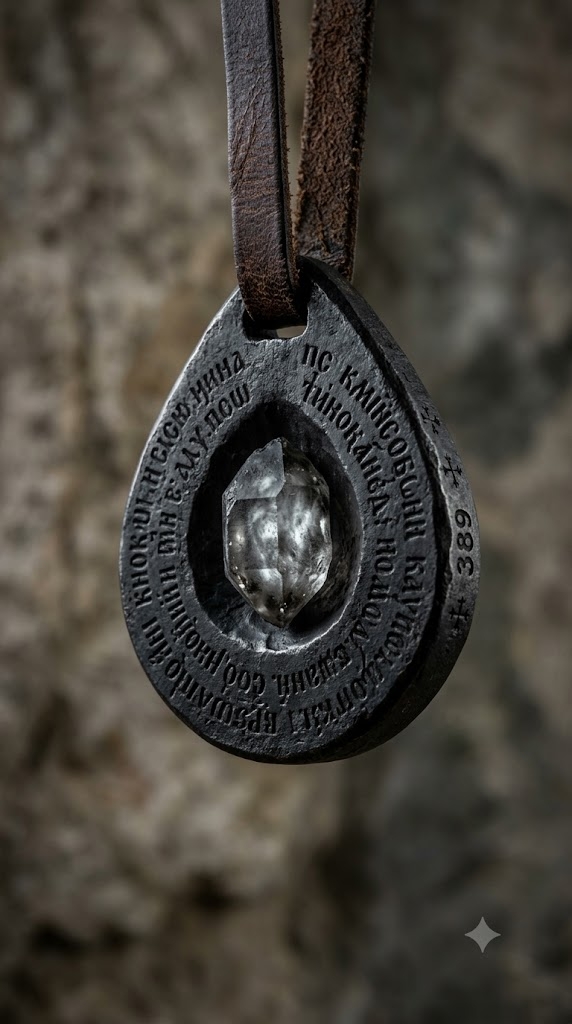
Coptic 389 of Anguish
Item Classification and Slot Item Name: Coptic 389 of Anguish Item Rank: Tier 1 (Common) Equip Slot: Neck Slot (Occupies exactly 1 gear slot) Attunement Requirement: Simple Attunement (Requires 1 minute of uninterrupted focus while holding or wearing the talisman) Lore Forged during the turbulent early decades following the influx of reincarnated souls into the…
-
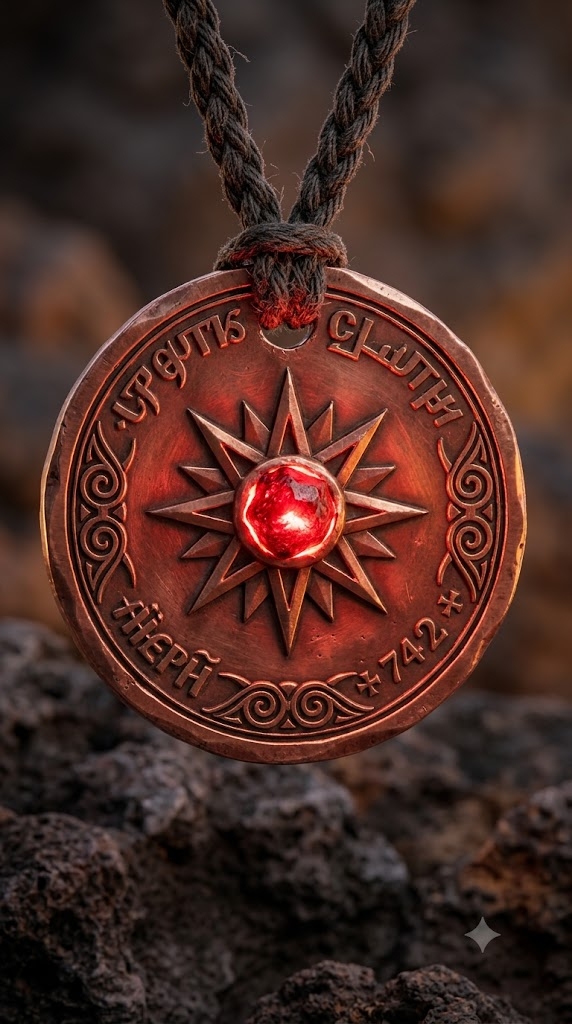
Coptic 742 of Anger
Item Classification and Slot Item Name: Coptic 742 of Anger Item Rank: Tier 1 (Common) Equip Slot: Neck Slot (Occupies exactly 1 gear slot) Attunement Requirement: Simple Attunement (Requires 1 minute of uninterrupted focus while holding or wearing the amulet) Lore In the ancient records kept by early scribes across the island nation of Badarian,…
-
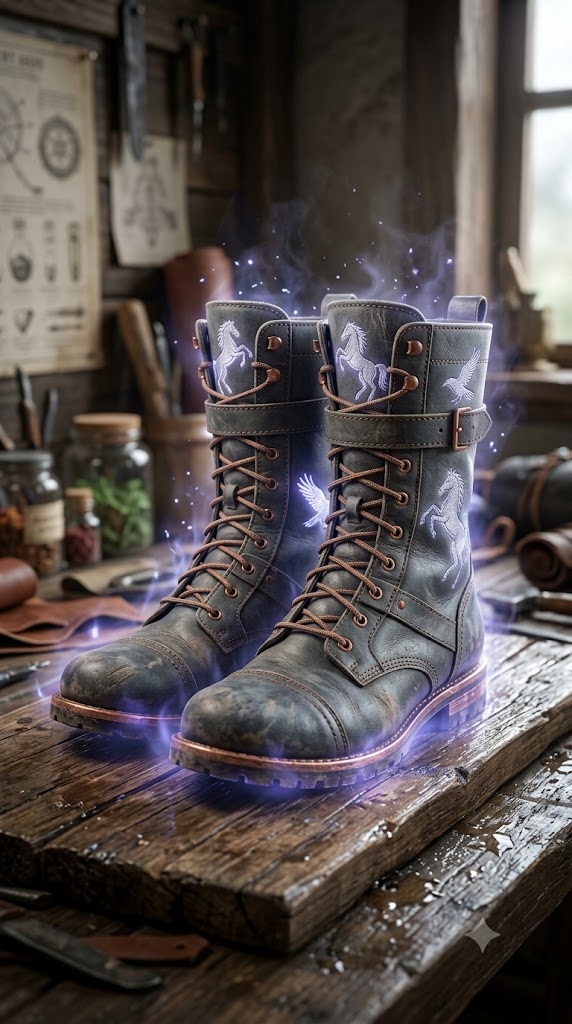
Animal Spirit 739 of Adventurous
Design Concept: A specialized footwear apparatus woven to endure rugged expeditions while harmonizing with the dynamic energy of minor wilderness guides through persistent forward exploration. Functional Rarity Class: Tier 1 Common Avatar Classification: Engineered specifically for a Tier 1 Avatar shell. Slot Allocation: Footwear / Feet Slot. Nomenclature and Identification Metadata Formal Designation: Animal Spirit…
-
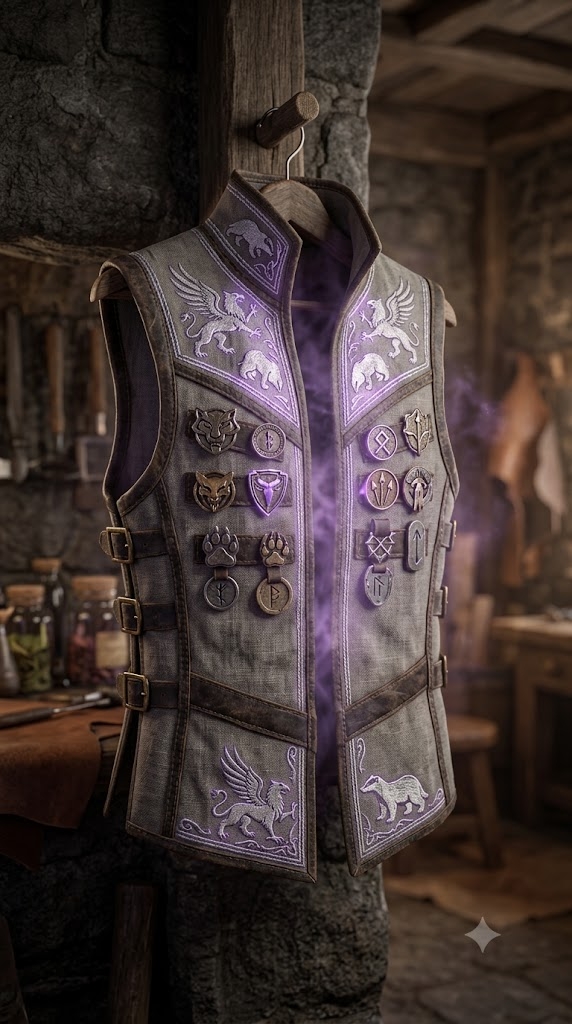
Animal Spirit 482 of Adoration
Design Concept: A specialized chest garment constructed to physically present regional faction tokens, badges, and honorific pins, providing a direct connection to minor fauna essences through collective appreciation. Functional Rarity Class: Tier 1 Common Avatar Classification: Engineered specifically for a Tier 1 Avatar shell. Slot Allocation: Torso Slot. Nomenclature and Identification Metadata Formal Designation: Animal…
-

Item 4810 of Anguish
Lore Crafted in the sorrowful expanse of the island nation of Magdalenian during the height of the Wilderness Conquest, this band was forged by an artisan grieving the loss of an entire lineage to a marauding beast. The crafter fused the agonizing final memories of the fallen into the material, using crushed soul crystals as…
-
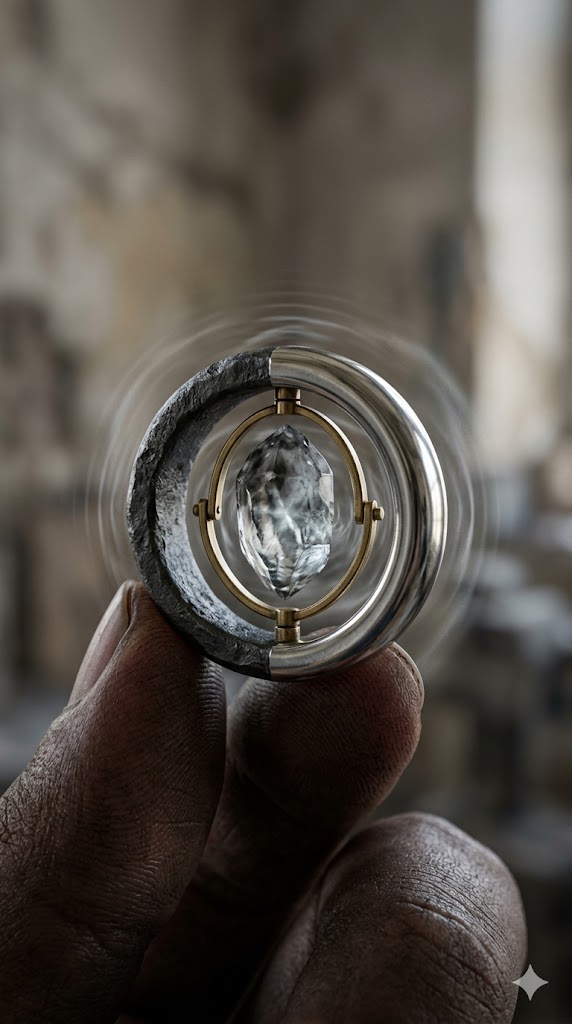
Item 742 of Ambivalent
Lore This peculiar ornament was crafted by a conflicted mystic who spent decades trying to choose between total worldly detachment and active societal intervention. Unable to commit to either philosophy, they poured their profound, chronic indecision into a cracked Tier 1 magic crystal, balancing it on a pivot of heavy dual-natured metals. Sold across the…
-
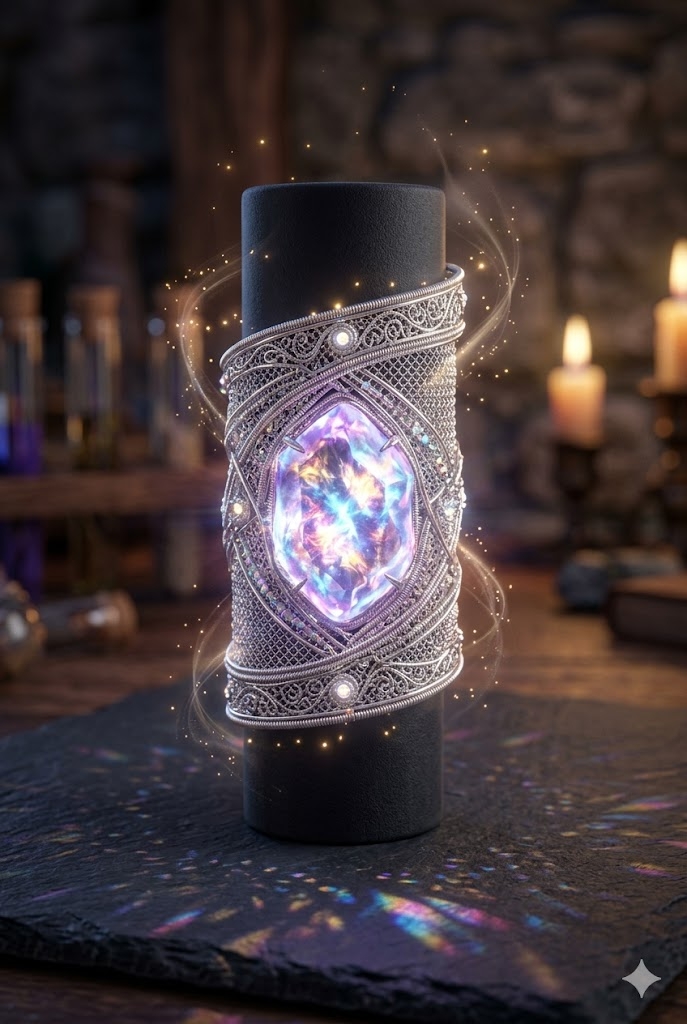
Item 319 of Amazement
Lore This captivating accessory was first conceptualized by a traveling illusionist from a distant world who sought to survive the unpredictable social and physical dangers of the country island of Lathandus. Recognizing that a distracted or awestruck mind is slow to react, the entertainer took a small, cracked Tier 1 magic crystal and meticulously polished…
-
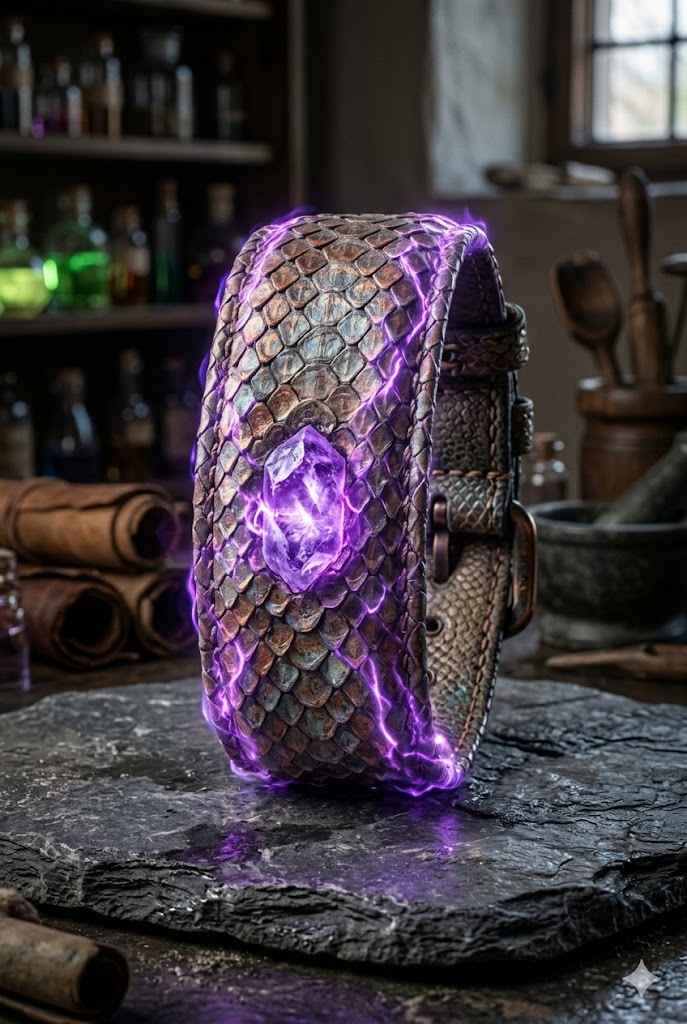
Item 815 of Alteration
Lore The genesis of this unique band is tied directly to the early eras of the Wilderness Conquest on the country island of Tyrus, where a traveling Isekai transmuter sought to survive the constant shifts of unpredictable terrain. Finding himself surrounded by bizarre creatures undergoing rapid evolutionary loops, the crafter realized that survival required matching…
-
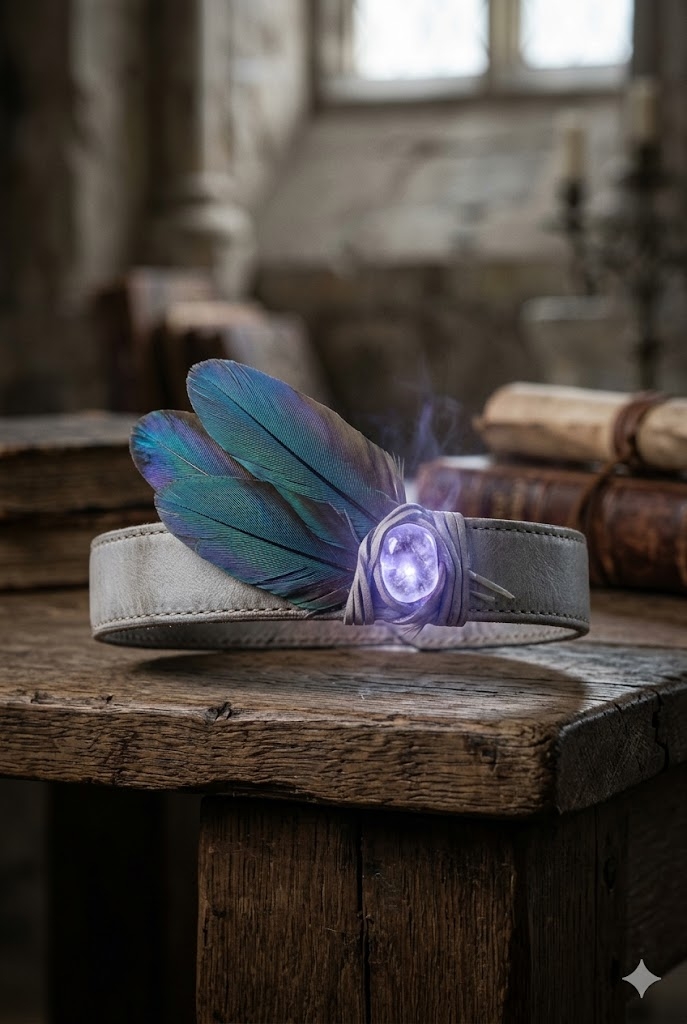
Item 493 of Aloofness
Lore The creation of this specific curio dates back to the early years of the current Age of Heroes in the high-flying metropolis of VaporPeak, a floating settlement drifting above the country island of Lathandus. A melancholic elven Isekai character, who retained distinct memories of a past life as an isolated scholar in an imagined…
-
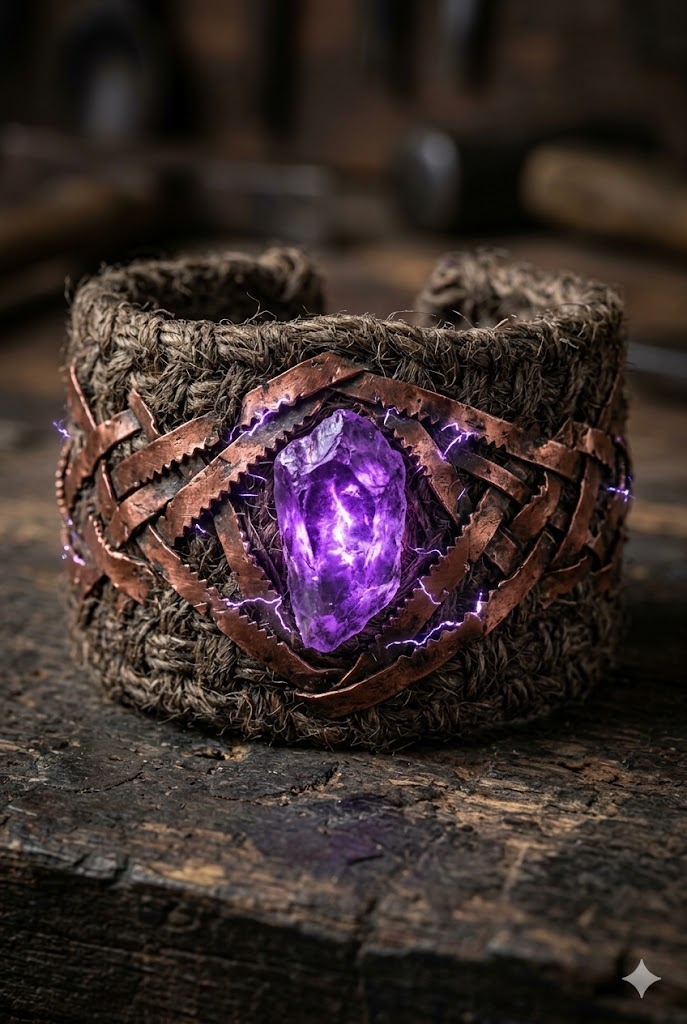
Item 742 of Agitation
Lore The origins of this particular item trace back to the bustling port city of Oakhaven on the country island of Selnus, where a young and perpetually frustrated apprentice of the Tinkers’ Guild spent weeks attempting to store pressurized elemental fire within a stabilization mesh. The apprentice was constantly disrupted by the noise of steam-powered…