
Author: Dale
-
Chamaebill Sawardier 77
Original Life Forms Referenced Appearance: The Chamaebill Sawardier is a nightmarish fusion of its progenitors. Its quadrupedal body has the deliberate, swaying gait of a chameleon, supported by four powerful legs ending in zygodactylous (grasping) feet perfect for climbing on rough terrain or thick branches. Its skin is a thick, leathery hide that can shift…
-

Zel Tar: The Tide-Marked People
Species The Zel-Tar are the predominant race of avatars on the island nation of Azilian and comprise its ruling family. They are not a separate biological species in the traditional sense, but rather avatars whose souls have been profoundly transformed by the deity Zoryn, either during their initial arrival in Saṃsāra or through a subsequent…
-
Alphacada 9
Original Life Forms Referenced: Appearance: The Alphacada 9 has the core body of a massive alligator snapping turtle, with a thick, spiky, dome-shaped carapace that looks like a moss-covered boulder. It has four stout, reptilian legs. However, its front right leg is replaced by the hugely oversized, asymmetrical snapping claw of a pistol shrimp, while…
-
Aurignacian Language: Lyr-Aur
Linguistic Attributes and Characteristics Lyr-Aur is the national language of the Major Island Country of Aurignacian, a lush island continent in the world of Saṃsāra, named for its ancient culture renowned for artistry and cave paintings. Lyr-Aur is a fusional, pitch-accented language with a melodic phonetic structure and expressive grammar. It features a pitch-accent system…
-
Culture of the Island Nation of Aurignacian
Lore The culture of Aurignacian is a celebration of light, legacy, and artistic creation, born from the island nation’s unique, luminous environment. Spanning 119,200,000 acres and supporting a population of 23,840,000 avatars, Aurignacian’s identity is shaped by its ancient history of artistry. The nation’s founders, the Lyr-Kwe people, flourished over 12,000 years ago, not through…
-
Aurignacianism The Faith of Luminara
Lore: In the radiant, cavern-lit expanse of Aurignacian, an island nation spanning 119,200,000 acres in Saṃsāra’s northern luminescent belt, the religion of Aurignacianism has flourished for over 6,700 years. The faith’s origins lie in the Light Unveiling, a mythic event when Luminara, the Weaver of Light and Legacy, emerged from the island’s glowing caverns to…
-

Aureate
Species The Aureate are a race of radiant, reptilian humanoids who embody the Aurignacian ideals of beauty, legacy, and light. They are the primary inhabitants and the ruling lineage of the island nation, and their unique physiology is inextricably linked to the magically luminous environment they call home. Far from being cold and pragmatic, the…
-
Pristidion 41
Original Life Forms Referenced: Appearance: The Pristidion 41 is a bizarre and unsettling creature. Its primary body is that of a large arachnid, with eight powerful, multi-jointed legs. Instead of a soft abdomen, a beautiful and ornate conical shell, like that of a giant cone snail, is fused to its back. The creature can retract…
-
Sepilaceps 77
Original Life Forms Referenced: Appearance: The Sepilaceps 77 is a nightmarish fusion of its progenitors. It possesses the quadrupedal, reptilian body plan of a chameleon, with zygodactylous feet (two toes forward, two back) that provide an uncanny grip on any surface. Its back is covered by a hard, chitinous carapace reminiscent of a beetle’s elytra,…
-
Aterianism The Faith of Tarakh
Lore: In the shadowy, cavern-riddled expanse of Aterian, the largest island nation spanning 1,076,800,000 acres in Saṃsāra’s southern underlands, the religion of Aterianism has persisted for over 6,400 years. The faith’s origins lie in the Shadow Descent, a mythic event when Tarakh, the Keeper of Shadows and Survival, emerged from the island’s deepest caverns to…
-
Culture of Aterian
Lore The Aterian culture, which defines the island nation of the same name, is built upon a single, ancient principle: the creation of the perfect tool for the task at hand. This philosophy originated with the island’s earliest inhabitants, the Sef-Kal, who crafted distinctive, tanged stone points for their spears and darts, allowing them to…
-
Aterian Language: Sef-Tar
Linguistic Attributes and Characteristics Sef-Tar is the national language of the Major Island Country of Aterian, a rugged island continent in the world of Saṃsāra, named for its ancient hunter-gatherer culture renowned for crafting fine tools and weapons. Sef-Tar is an isolating, click-based language with a distinctive phonetic structure and minimalist grammar. It incorporates a…
-
Verran
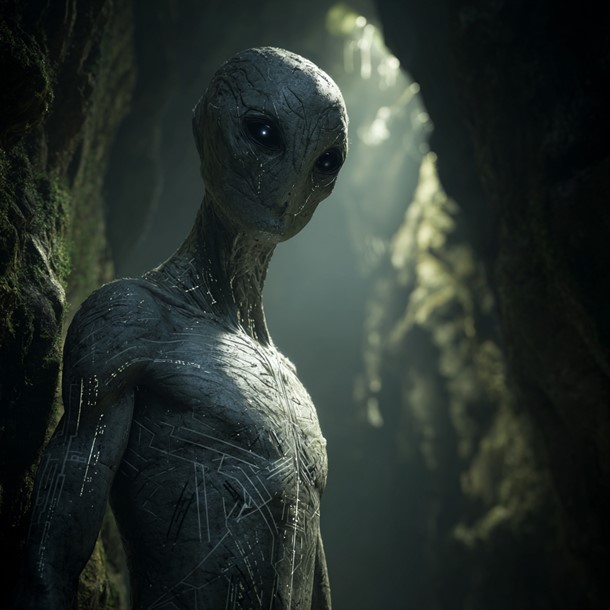
Species The Verran are a unique humanoid species whose physical form is not a constant, but a tool to be shaped. They are the living embodiment of the Aterian philosophy of pragmatic adaptation, viewing their own bodies as the ultimate instrument of survival and influence. While they are capable of assuming the likeness of other…
-
Helocēpiman 41
Original Life Forms: Appearance: The Helocēpiman is a stout, low-profile quadruped with a distinctly reptilian build, reminiscent of a Gila Monster. Its body is covered in thick, bead-like osteoderms that give it a rough, armored texture. However, this skin possesses chromatophores derived from its cuttlefish ancestry, allowing it to shift its color and texture with…
-
Culture of Assyria
The island nation of Assyria is a land forged in fire and order, its culture a reflection of the volcanic chain it inhabits. It is a society built upon pillars of strength, discipline, and dominion, where military might and scholarly achievement are seen as two sides of the same coin. The people, who call themselves…
-
Assyrian Language: Akkad-Sar
Linguistic Attributes and Characteristics Akkad-Sar is the national language of the Major Island Country of Assyria, a prominent island continent in the world of Saṃsāra, named for its ancient militaristic and scholarly culture. Akkad-Sar is a fusional, stress-accented language with a robust phonetic structure and a sophisticated grammatical system. It features a stress-accent system where…
-

Akkad Kuri of Assyria
Species, Physical Form, and Sensory Traits The predominant race of Assyria, the Akkad-Kuri, are a humanoid species believed to have been forged by the deity Ashurak to be the stewards of the island’s potent magical ley lines. They possess a striking and formidable appearance that commands respect and inspires awe. Their skin has a pale,…
-
Archaic Language: Vryn-Syl
Linguistic Attributes and Characteristics Vryn-Syl is the national language of the Major Island Country of Archaic, a vast island continent in the world of Saṃsāra, named for its ancient, enigmatic culture. Vryn-Syl is a polysynthetic, intonation-based language with a complex phonetic structure and highly intricate grammar. It features a fluid intonation system, where pitch contours…
-
Culture of Archaic: The Vryn-Kar
The island nation of Archaic is defined by the culture of its majority population, the Vryn-Kar. Theirs is a society steeped in an ancient, introspective ethos, one that reveres memory, endurance, and the enigmatic ruins that dot their vast, forested homeland. The Vryn-Kar see themselves not as conquerors of the land, but as its inheritors…
-
Archaicism The Faith of Vyrkan
Lore: In the dense, root-entwined expanse of Archaic, an island nation spanning 846,400,000 acres in Saṃsāra’s central forest belt, the religion of Archaicism has endured for over 6,500 years. The faith’s origins trace back to the Root Awakening, a mythic event when Vyrkan, the Warden of Roots and Resilience, rose from the island’s ancient woodlands…
-

Karthian
Species The Karthian are a species of draconic avatars who form the predominant race and ruling class of the island nation of Archaic. They are deeply connected to the island’s foundational elements—stone, root, and memory—and their physical form is a reflection of the enduring, ancient nature of their homeland. They are the primary group who…
-
Andean Language: Pacha-Qosqo
Linguistic Attributes and Characteristics Pacha-Qosqo is the national language of the Major Island Country of Andean, a mountainous island continent in the world of Saṃsāra, named for its ancient highland culture. Pacha-Qosqo is an agglutinative, vowel-harmony language with a rich phonological system and intricate grammatical structure. It features a vowel harmony system where vowels within…
-
Culture for the island nation of Andean
Lore: In the vast expanse of Saṃsāra, the island nation of Andean stands as a towering testament to resilience and ingenuity, its history woven into the very stone of its mountains over millennia. More than 12,000 years ago, the first avatars emerged from the multiverse, drawn to Andean’s jagged peaks and fertile valleys where magic…
-
Andeanism The Faith of Intayra
Lore: In the rugged, mountain-crowned expanse of Andean, an island nation stretching across 731,200,000 acres in Saṃsāra’s northern highlands, the religion of Andeanism has thrived for over 6,200 years. The faith’s origins lie in the Peak Ascension, a mythic event when Intayra, the Sentinel of Peaks and Prosperity, descended from the island’s towering summits to…
-
Amratian Language: Zaf-Khet
Linguistic Attributes and Characteristics Zaf-Khet is the national language of the Major Island Country of Amratian, a sprawling island continent in the world of Saṃsāra, named for its ancient agrarian and artisanal culture. Zaf-Khet is an analytic, syllable-timed language with a balanced phonetic structure and a focus on clarity and harmony. It features a five-tone…
-
Culture of Amratian
Lore The culture of Amratian is one of the oldest and most enduring in Saṃsāra, a society defined by a profound duality: the life-giving river and the eternal desert. Its origins trace back over ten thousand years to the Zaf-Amra, an ancient people who thrived in a vast river valley surrounded by an endless sea…
-
Amratianism The Faith of Zephara
Lore: In the sun-scorched, dune-swept expanse of Amratian, an island nation spanning 500,800,000 acres in Saṃsāra’s southern desert belt, the religion of Amratianism has flourished for over 5,800 years. The faith’s origins trace back to the Sand Awakening, a mythic event when Zephara, the Guardian of Sands and Serenity, emerged from the island’s endless dunes…
-

Zaf Amra
Species, Physical Form, and Sensory Traits The Zaf-Amra are the predominant race of the island nation of Amratian and the lineage from which its royalty descends. They are a species of warm-blooded, reptilian humanoids who embody the dual nature of their homeland. Their most striking feature is their skin, which is covered in fine, iridescent…