
Tag: Belt
-
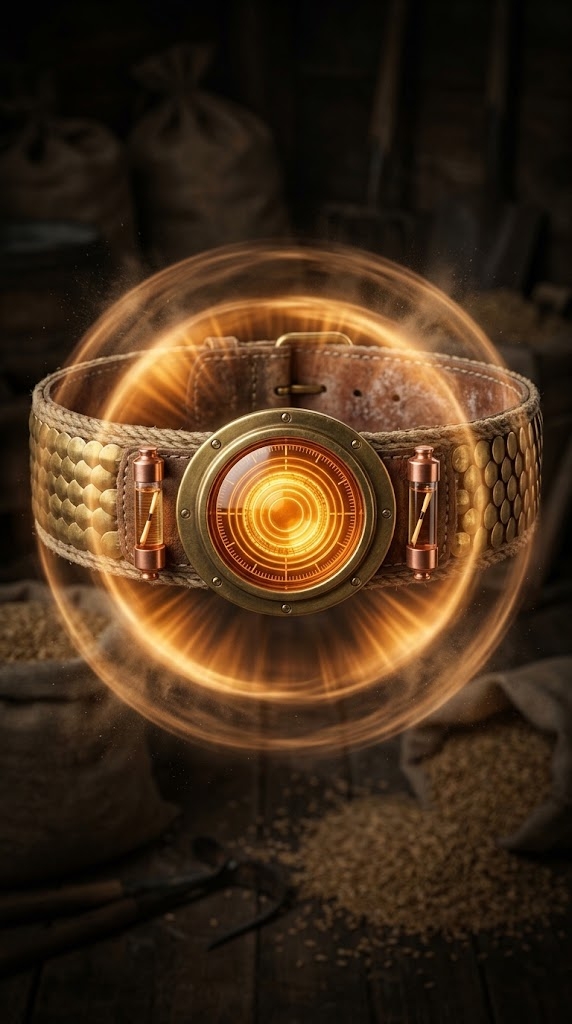
Reflecting 47 of the Dieticians Caloric Cincture
Lore: Forged along the agrarian valley communes and famine-stricken frontier hospices of Saṃsāra, this metabolic belt was engineered for nutritional counselors, ration-masters, and holistic dieticians who managed severe food scarcity and metabolic wasting. During long sieges and blight seasons, starving scavengers, ravenous beasts, and desperate riot mobs frequently assaulted provisions storehouses and nutritional overseers. By…
-
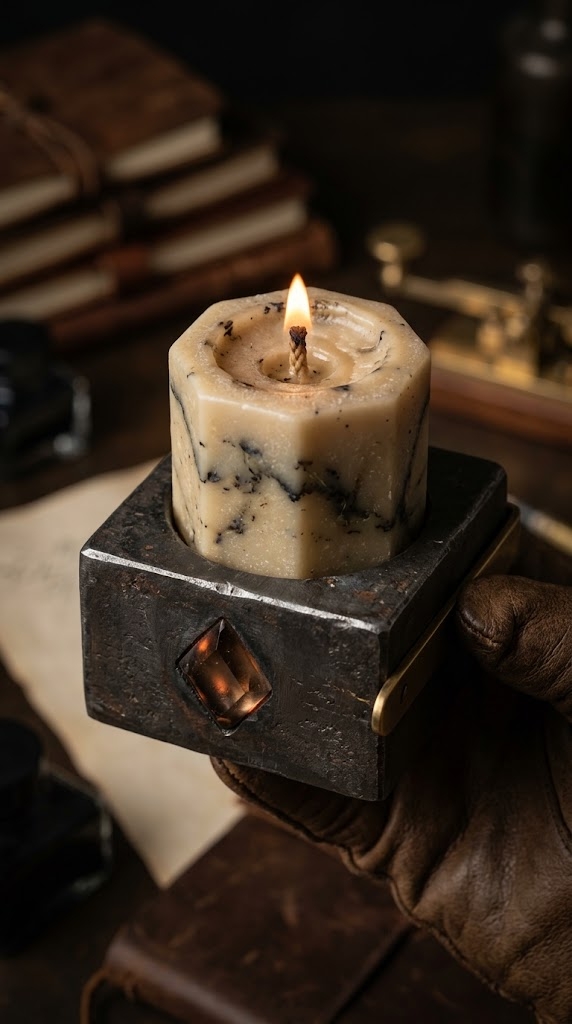
Myth 73 of the Whispering Wax
Lore: In embassy backrooms, royal archives, and shadow-draped telegraph stations, clerks and intelligencers swear by a quiet superstition: “A secret written is a traitor made, but an ear of wax hears the dagger before it turns.” Folk belief holds that wax is the truest keeper of statecraft because it catches every breath, softens in warmth,…
-
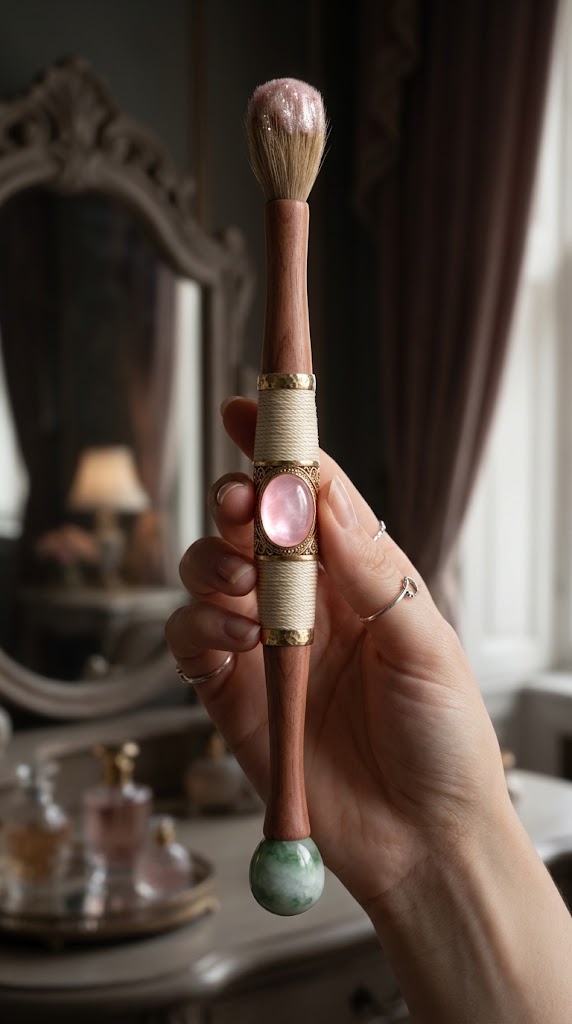
Myth 41 of the Painted Grace
Lore: Across bustling bathhouses, royal dressing suites, and dusty traveling caravans, cosmeticians and courtly valets share a persistent superstition: “The face you show the sun is merely clay, but the face painted with patience commands the eye of kings.” Folk belief insists that beauty is not an accident of birth, but an intentional defense against…
-
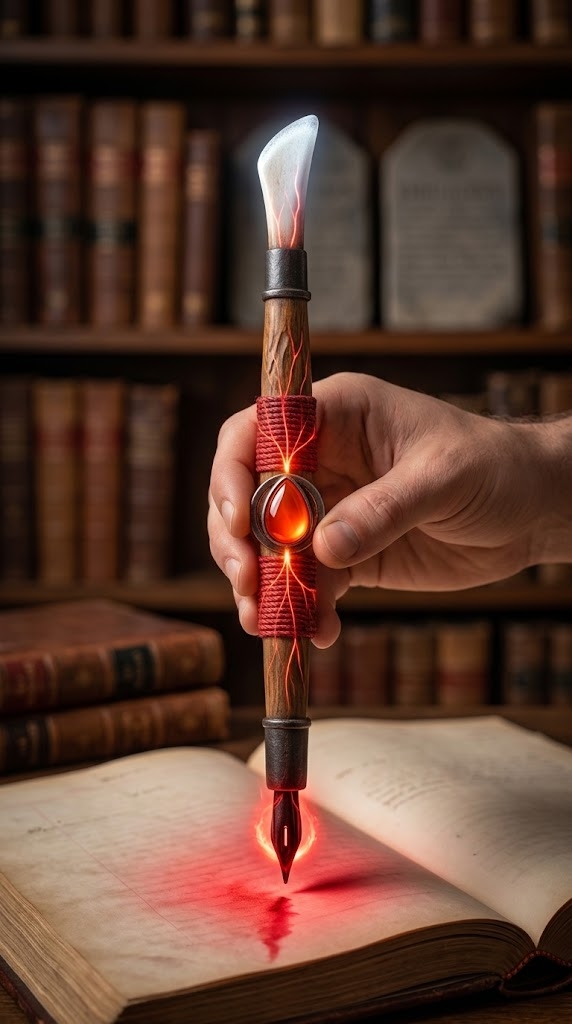
Myth 19 of the Red Inked Ledger
Lore: Throughout administrative halls, court chambers, and penal colonies, wardens and tally-keepers adhere to an unyielding superstition: “What is written in black may wander or lie, but what is scored in red is an unbroken reckoning.” The belief asserts that true correction is not merely punitive, but the absolute restoring of balance—a ledger lined with…
-
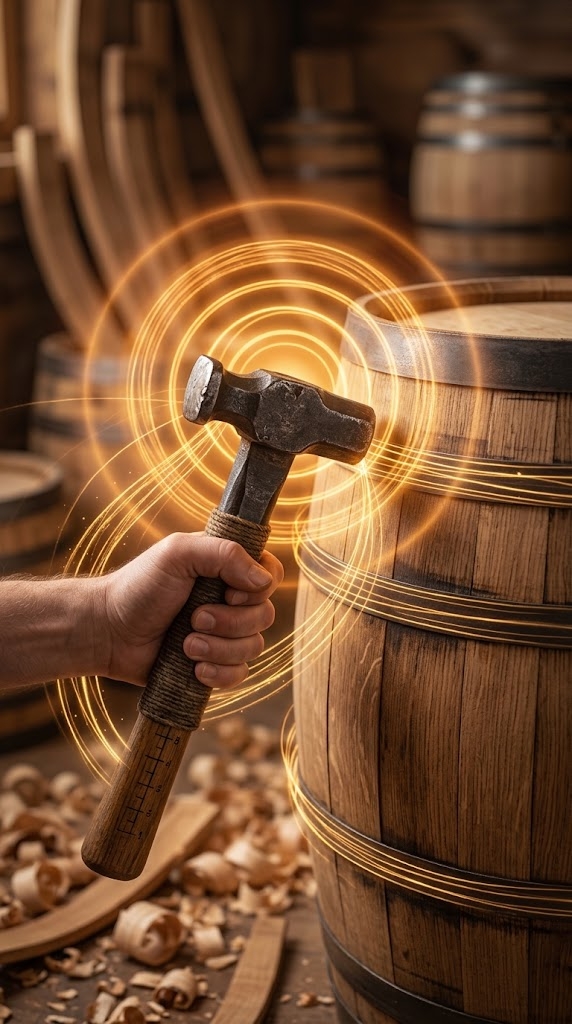
Myth 72 of the Watched Seam
Lore: Across dockyards, cider valleys, and dry frontiers, coopers and cellar-masters hold fast to an ancient superstition: “Wood remembers the tree until the hoop forgets the iron, but a vessel watched with an honest eye will neither leak its belly nor admit the rot.” The belief holds that a barrel, tub, or cask is not…
-
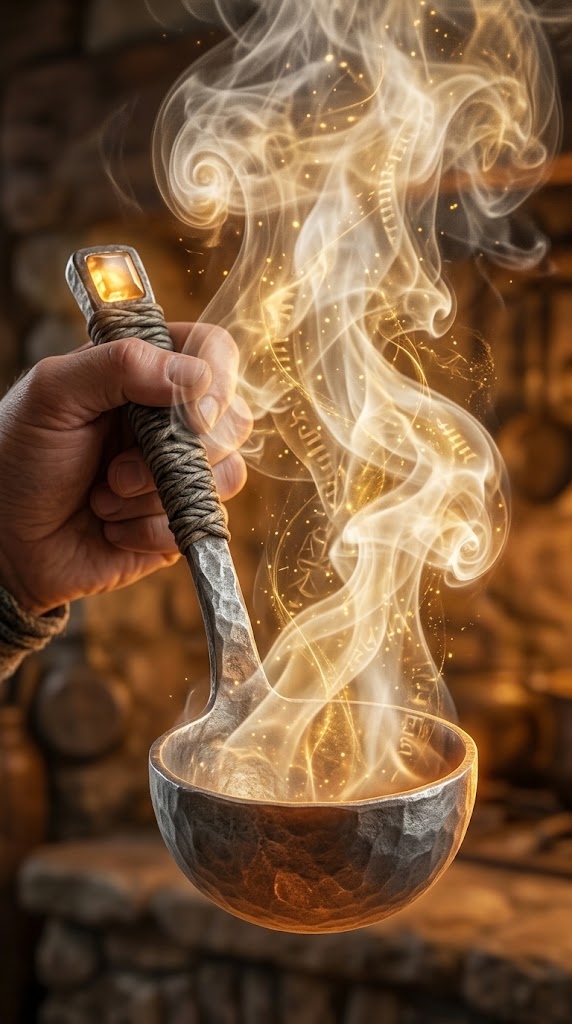
Myth 34 of the Generous Kettle
Lore: Throughout the wayside inns, pilgrim roads, and frontier kitchens of Saṃsāra, cooks and hearth-keepers pass down an enduring superstition: “No roof falls upon a house that shares its steam, and no pot boils dry while hunger waits without.” The belief maintains that soup prepared with a sincere intent to nourish strangers carries an inherent…
-
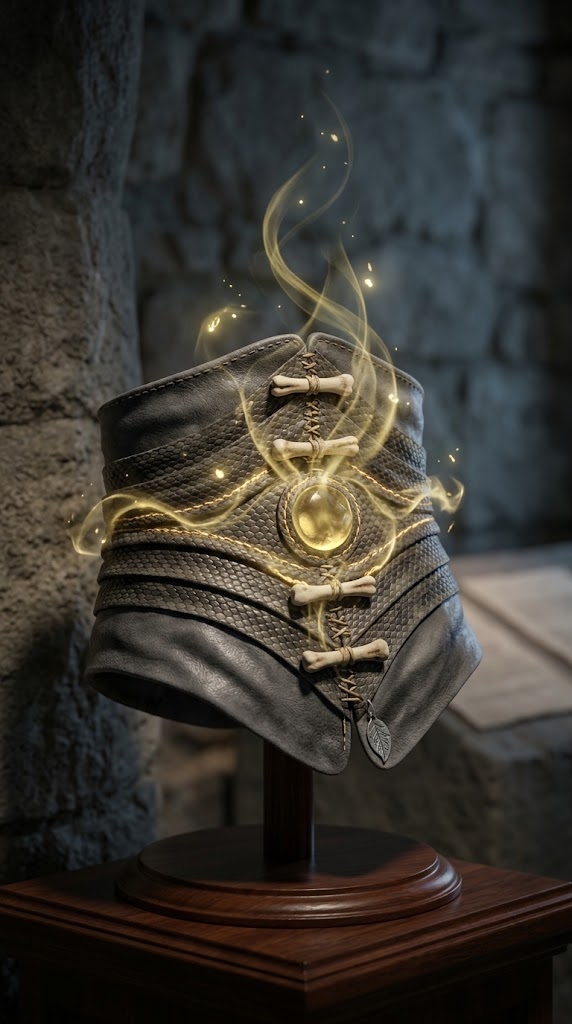
Myth 19 of the Boundless Serpent
Lore: Across Saṃsāra, street buskers, roof-striders, and escaped captives share an enduring superstition: “The bone that knows how to bow never breaks, and no cage can hold what learns to flow like milk.” This myth traces back to folk ballads of the Silk-Jointed Weaver, a legendary street acrobat of the early river cities who was…
-
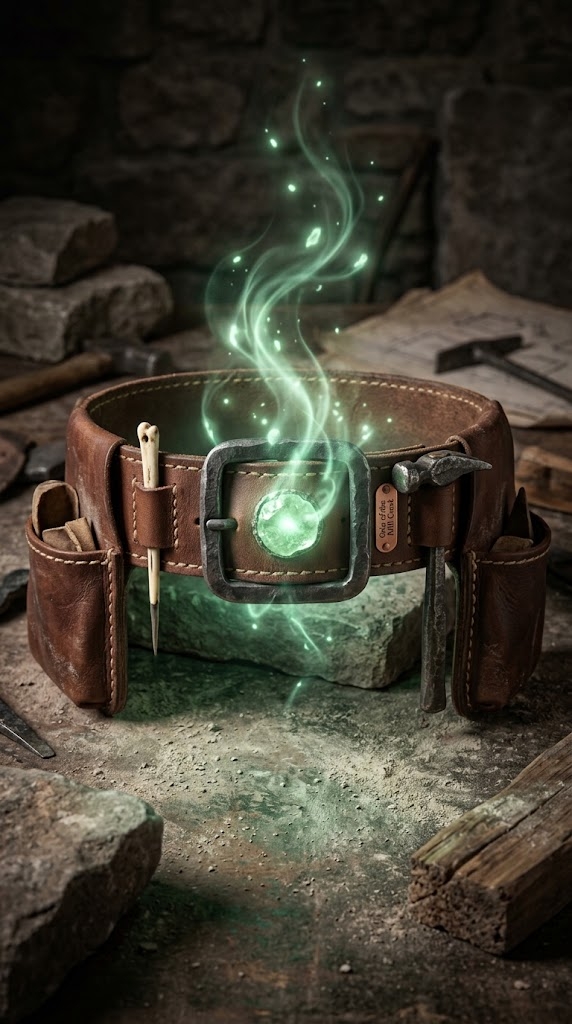
Myth 42 of the Indestructible Foundation
Lore: Across the disparate cultures of Saṃsāra, there exists an ancient, comforting superstition: “A house built upon a true foundation can never truly fall.” This belief stems from stories of master builders who, through pure conviction in their craft and unwavering faith in their designs, created structures that defied both storms and siege. The legend…
-
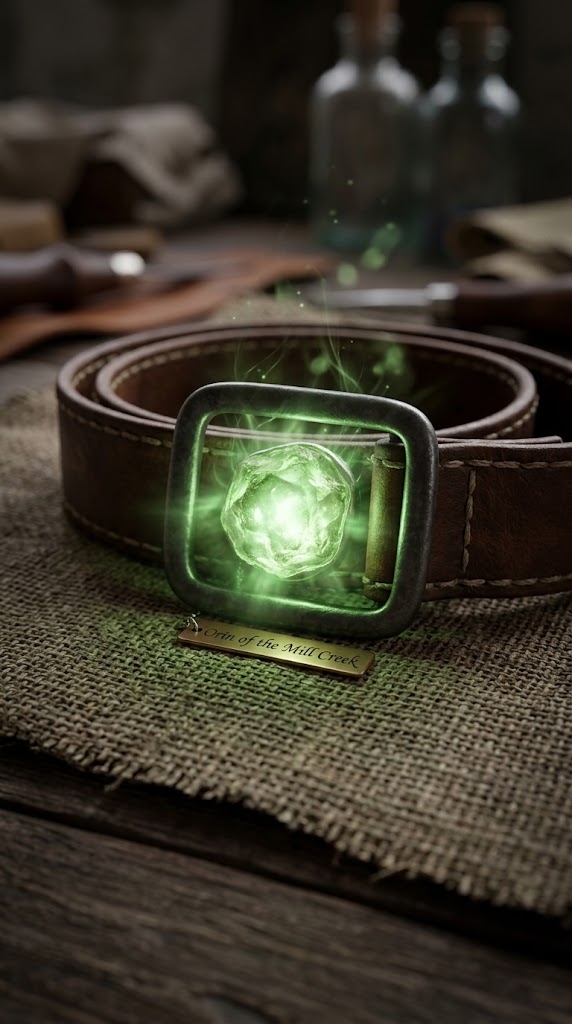
Myth 31 of the Frugal Husbandman
Lore: Originating among the agrarian homesteads of the Banpo plains, the superstition of the Frugal Husbandman claims that the land never truly takes back from those who refuse to waste a scrap, as grease, thread, and seed instinctively multiply within the bins of the thrifty. Across multiple island nations, rural carters, leather tanners, and hedge-foragers…
-
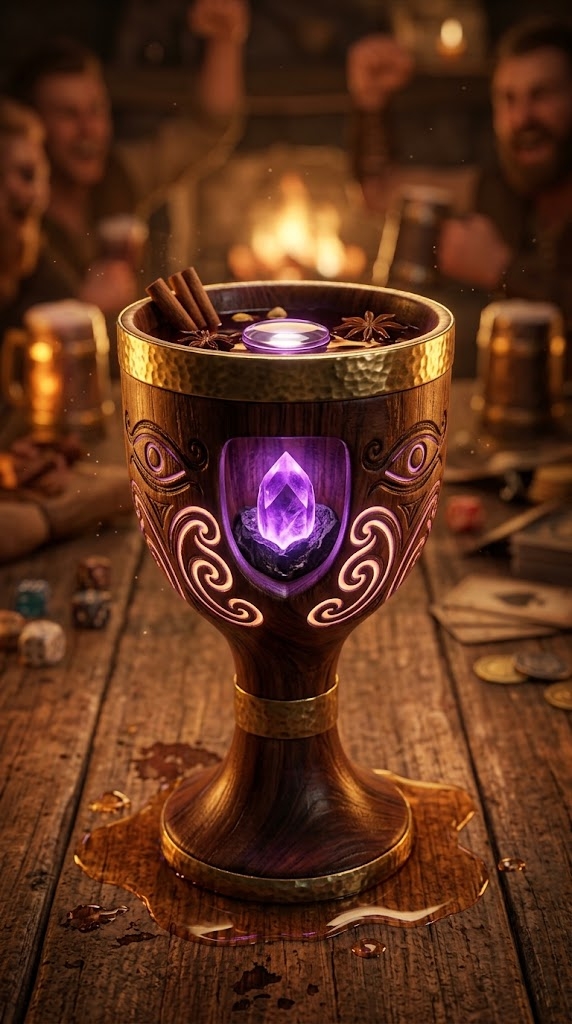
Māori 412 of the Revelers Insight Chalice
Lore In the bustling taverns, dockside dens, and festival squares of Saṃsāra, high-stakes carousing is both an art form and a battlefield of wit, diplomacy, and rumor-mongering. Canny socialites, tavern bards, and wandering scoundrels commissioned tools blending matakite prophecy with makutu bewitchment to out-drink, out-gamble, and out-talk their drinking companions without succumbing to poison or…
-
Turkish 441 of the Nazar Sprouted Shears
Lore: Forged in the heart of the “Emerald Bazaar,” these shears are more than simple pruning tools. The blades are etched with protective silver filigree, and the fulcrum is set with a large, unblinking Nazar (Evil Eye) bead made of cobalt-blue glass. In Turkish folk tradition, the envy of neighbors or the “evil eye” can…
-
Khipu Martyr 649 of Shattered Deceit
Lore: In the fractured ley-veins of Qosqo Pacha’s shadowed peaks, where deceitful charms mock the surge of shattered cords, the Khipu Martyr 649 emerged from a forbidden convergence of theatrical guile and geomantic ruin. Long after the Reflecting 4 of the Deceitful Martyr staged illusory retorts to cow foes, Kallpa-Rumi’s lineage sought to bind its…
-
Khipu of the Shattered Cord 713
From: Lineage 713 of Qosqo Pacha Peak Forged Ascendants Description: This serves as Kallpa-Rumi’s primary tool belt and geomantic focus. It is woven from tough, dark-grey cords. Unlike the pristine, colorful khipu of high-ranking Stonegrowers, this one is more functional and somber. Several of the primary cords are intentionally knotted using salvaged, fire-scarred khipu fragments…
-
Chaos and Order 64 of Wanderlust Whirlwind
Lore: This belt, imbued with the essence of both Chaos and Order Magic, was woven from the mystical fibers of the wandering willow tree. It’s said that the first wearer was a young adventurer named Elira who was known for her fearlessness and intense yearning for discovery. Upon wearing it, she found that the belt…