
Definition: Tremorin is a unique language with a strong emphasis on expressing apprehension, fear, and unease. It serves as a means for individuals to communicate their anxieties and sense of impending danger, even across species.
Linguistic Attributes and Characteristics:
- Apprehensive Vocabulary: Tremorin’s vocabulary is filled with words and phrases that convey fear, unease, and apprehension. It enables speakers to articulate their concerns and express a sense of impending danger.
- Shaky Tones and Uneven Rhythms: The language often employs shaky tones and uneven rhythms, mirroring the trembling emotions and heightened senses associated with apprehension.
- Evocative Descriptions: Tremorin uses descriptive language to vividly convey the source of apprehension or the perceived threat, allowing listeners to understand the cause of unease.
Structure: Tremorin follows a structured yet emotive pattern, allowing speakers to express their apprehension and unease with intensity. The language may involve the use of repetitive phrases and rapid speech to convey the sense of urgency.
Cultural Identity and Usage: Tremorin is used by individuals who experience fear, unease, and apprehension, providing a means for them to express their emotions and communicate potential dangers or warnings to others. It is often employed in situations where a heightened sense of alertness is necessary, such as in times of danger or uncertainty.
Rarity, Type, Script, Source, and History:
- Rarity: Tremorin is relatively common, as it serves as a practical language for expressing apprehension and communicating potential threats.
- Type: Tremorin falls under the category of everyday languages, as it is used in practical situations to convey emotions and alert others to potential dangers. While it lacks overtly magical powers, its ability to communicate warnings and fear makes it a powerful tool for situational awareness.
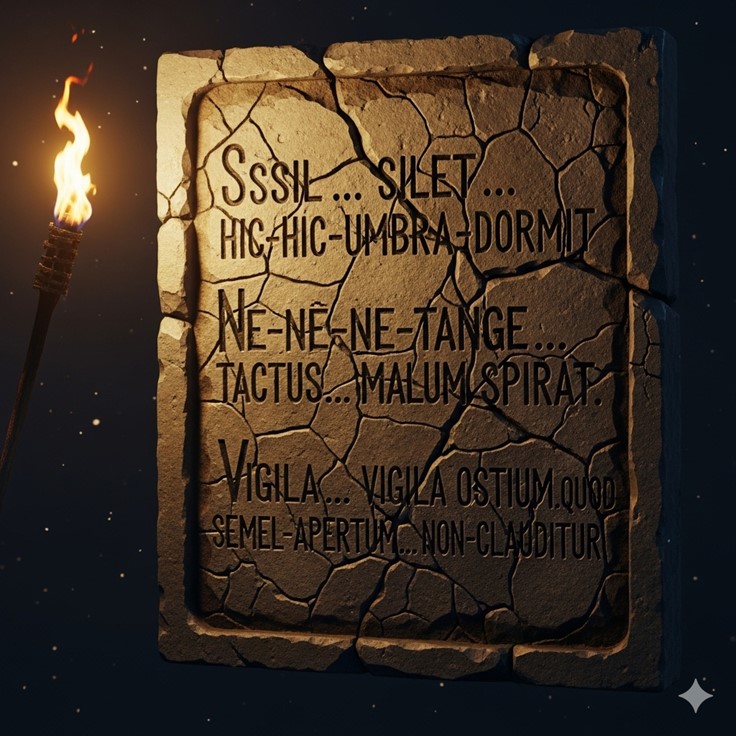
- Script: Tremorin’s script appears jagged and erratic, reflecting the language’s connection to emotions of unease and fear.
- Source and History: The origins of Tremorin can be traced back to the need for individuals to communicate their anxieties and sense of impending danger. Over time, it evolved into a widely used language for expressing apprehension and unease.
Sensory Experience: When spoken, Tremorin has a tense and emotionally charged quality, as if the words themselves carry a sense of fear and unease. Listeners may feel a heightened sense of alertness and urgency, as the language has the power to evoke the emotions associated with apprehension. The sensory experience is further intensified when used telepathically, as the emotions behind Tremorin’s words are directly transmitted, creating a profound sense of caution and alertness in the recipients.
In conclusion, Tremorin is a unique language with an emphasis on expressing apprehension and unease. Its linguistic attributes, cultural significance, and sensory experience make it a powerful tool for individuals seeking to communicate their fears, warnings, and sense of danger.
Tags: Apprehensive, Fearful, Uneasy, Anxious, Warning, Danger, Shaky, Erratic, Urgent, Alert, Cautionary, Common, Evocative, Descriptive, Jagged Script, Repetitive, Telepathic Amplification
Inscriptions
- As it sounds: Sssil… silet… hic-hic-umbra-dormit. Meaning: Be silent… be still… a shadow sleeps here.
- As it sounds: Ne-ne-ne-tange… tactus… malum spirat. Meaning: Do not, do not touch… a breathing evil is felt.
- As it sounds: Mur-murus lapidis… meminit… oh, meminit timoris. Meaning: The stone whispers… it remembers… oh, it remembers the fear.
- As it sounds: Vigila… vigila ostium… quod-semel-apertum… non-clauditur. Meaning: Watch… watch the door… what is opened once… does not close.
- As it sounds: I-i-ictus… frigidus… intra est. Meaning: A c-cold… presence… is within.
- As it sounds: Clamor… captus… hic-manet-in-aeterno. Meaning: A scream… is caught here… it remains for eternity.
- As it sounds: Hic… hic est finis viae… verte-verte-retro! Meaning: Here… here the path ends… turn back, turn back!
- As it sounds: O-oculus… in-in-tenebris… te-videt-iam. Meaning: An e-eye… in the darkness… it sees you now.
- As it sounds: Cave… sonum… sonum-nullum. Meaning: Beware… the sound… of no sound at all.
- As it sounds: Quod-hic-ligatur… solvi-timet… oh, timet. Meaning: That which is bound here… is afraid to be released… oh, so afraid.
- As it sounds: Aer… grav-grav-gravis… premit… periculum! Meaning: The air… is h-h-heavy… it presses down… danger!
Political Oaths
- As it sounds: I-iuro… timere… pro-vobis-omnibus. Meaning: I swear… to be afraid… for all of you.
- As it sounds: Mea-vigilantia… ex-formidine-nascitur… nunquam-dormit. Meaning: My vigilance… is born from dread… it never sleeps.
- As it sounds: In-nocte… in-terrore… sto-ego-pro-muro. Meaning: In night… in terror… I stand as the wall.
- As it sounds: O-oculos-meos… umbris-dabo… ne-vestri-debeant. Meaning: I give my eyes… to the shadows… so that yours do not have to.
- As it sounds: Ferrum-meum… tremit… sed-sed-stat-firmum. Meaning: My blade… trembles… but it holds steady.
- As it sounds: Cor-meum… celeriter-pulsat… ut-signum-sit. Meaning: My heart… beats fast… let it be the signal.
- As it sounds: Secretum… quod-portem… o-onus… timoris est. Meaning: The secret… that I carry… is a b-burden… of fear.
- As it sounds: Sus-susurro… periculorum… primus-audiam. Meaning: The wh-whisper… of dangers… I shall be the first to hear.
- As it sounds: Spes… spes-est-fallax… vigilo-ego. Meaning: Hope… hope is a deception… I will keep watch.
- As it sounds: Nunquam… nunquam-obliviscar… minas-praeteritas. Meaning: I will never… never forget… the threats of the past.
- As it sounds: Pro-pace… vestra… ac-accipio-hanc-inquietudinem. Meaning: For your… peace… I a-accept this unease.
Cultural Ceremonies
- As it sounds: Meminimus… meminimus… diem-quo-cecidit-silentium. Meaning: We remember… we remember… the day the silence fell.
- As it sounds: Hanc-lucem… accendimus… contra… contra-noctem-venientem. Meaning: We light… this light… against… against the coming night.
- As it sounds: Ecce-infans… discat-cavere… ante-quam-ambulare. Meaning: Behold the child… may they learn caution… before they learn to walk.
- As it sounds: Portas… claudimus… corda… iungimus… in-timore-uno. Meaning: The gates… we close… our hearts… we join… in a single fear.
- As it sounds: Nomen… nomen-eius… susurramus… ne-reditus-eius-audiat. Meaning: Their name… their name we whisper… lest its return hears us.
- As it sounds: Hic-panis… fractus… nos-alat-in-vigilia. Meaning: This bread… now broken… may it sustain us in the long watch.
- As it sounds: Aqua… haec-aqua… purget… sed-non-oblivionem-afferat. Meaning: This water… this water… may it cleanse… but not bring forgetfulness.
- As it sounds: Historia… narratur… ut-terror-nunquam-novus-videatur. Meaning: The story… is told… so the terror may never seem new again. 9a. As it sounds: Pro-eis… qui-perierunt… vig-vigilamus. Meaning: For those… who were lost… we k-keep watch.
- As it sounds: Sonitus… campanae… nos-revocat… ad-metum-communem. Meaning: The sound… of the bell… it calls us back… to our shared dread.
- As it sounds: Precamur… o-precamur… ut-murus-teneat… adhuc-unam-noctem. Meaning: We pray… oh we pray… that the wall holds… for one more night.
Silence and Birth of Tremors
It is written, or rather, scratched into the shells of the long-dead river turtles, a tale that was told by those who had heard it from the ones before. The translation is difficult; the symbols are jagged and seem to have been made by a trembling hand.
In the first time, the time before the Great Unease, the people who lived by the Reedy Sea did not have a name for fear. Their words were like smooth, round river stones, each one whole and confident. They spoke of the sun, the fish, the fatness of the harvest. Their language had no words for what might be, only for what was. It was a language of happy, foolish children, and they were happy and foolish in the dim light of that age.
Then came what the shells call the Silence. It was not an army, nor a beast with a name. It began, it is said, with the birds. One day, they did not sing. The next, the clicking insects of the marsh fell quiet. The wind, which had always whispered secrets through the tall reeds, seemed to hold its breath. The people noticed, and a word that was not a word—a tightening in the chest—entered their hearts.
A hunter, whose name is lost [the symbol is scarred, perhaps intentionally], went into the now-quiet reed forest. He did not return. Another followed. She did not return. There was no cry, no sign of struggle, no tracks but their own leading into the reeds. There was only the endless, listening Silence.
The people gathered. They tried to speak of what was happening, but their smooth, round words failed them. How to speak of an absence? How to describe a hunter who was not there? They said, “He is gone,” but the words were flat and did not carry the weight of the dread they felt.
It was a scout named Elia [the name can also mean ‘trembling leaf’] who first spoke the new tongue. She had gone to the edge of the reeds, her spear held tight. She came back not walking, but in a series of quick, halting steps. Her eyes were wide. Her friends asked what she saw. She opened her mouth to speak the old words, but what came out was a gasp, a stutter.
“Sssil… silet…” she breathed, her voice shaking like a reed in a storm that was not there. “O-oculus… in-in-tenebris…” The words were not smooth. They were jagged, broken things. They were uneven, like a frightened heartbeat. They were not a description of what she saw, but a description of the terror it carved into her soul. Her friends did not understand the words, but they understood the feeling. They understood the shaking tone, the uneven rhythm. They felt her fear as if it were their own.
This was the beginning of Tremorin. Their language changed because they had changed. To warn of a dangerous animal, they no longer used its name. They spoke of the cold feeling of being watched, the quickening of the heart, the sudden urge to flee. Their words became warnings, descriptions of apprehension. They spoke in rapid, repetitive bursts, as if afraid the Silence would interrupt them. “Verte-verte-retro!” they would whisper, not just as a suggestion, but as an urgent, primal plea.
The Silence grew, creeping closer to their village. The people, now armed with their new, fearful language, prepared. They did not build strong walls, for what wall can stop a silence? Instead, they learned to listen to it. They taught their children the new tongue, the language of caution and unease.
The day came when the Silence finally touched their homes. A deep quiet fell, so profound that they could hear the blood in their own ears. The old fear, the one that had no name, would have frozen their ancestors. But these people had a name for it. They had a thousand names for it. They began to speak Tremorin to each other in the dark, not in loud commands, but in tense, emotionally charged whispers. “Aer… grav-grav-gravis… premit… periculum!” one would hiss, and the others would understand the feeling of pressure, of imminent danger. They used their shared language of fear to move as one, a silent, trembling body, slipping out of their homes and away from the doom that had no sound. They did not defeat the Silence. They simply refused to be consumed by it.
They carried their new language with them to the place they next settled. It was a living record of their sorrow and their survival. It was ugly and uncomfortable, but it was true, and it kept them alive.
Moral of the story: Fear is not a weakness to be conquered, but a sharp-edged tool, and the language it speaks is the first and most important lesson of survival.