
The religion practiced predominantly on the island nation of Paracas is known as the Cult of the Enshrouded Oracle, centered around the deity called the Oculate Weaver. This faith draws adherents from slightly over half of the nation’s 57,950,877 population, encompassing approximately 29,500,000 members who integrate its teachings into daily life, governance, and magical practices across coastal villages, highland settlements, arid peninsulas, and the bustling urban centers where steam-powered looms hum in factories producing textiles for gear and trade. Membership spans all societal layers, from Enwoven artisans weaving enchanted mantles in megacities within dark cave systems to human-like avatars farming irrigated fields sustained by elemental water channels, and even extends to isekai souls from multiverse origins who find resonance in the deity’s emphasis on binding disparate threads into unified patterns. The ruling family, composed of Enwoven avatars, upholds the cult as the state religion, incorporating its rituals into political intrigue and diplomatic exchanges with the 72 other island countries via ships laden with embroidered goods sailing the endless ocean or zeppelins levitating through magical winds. Non-members coexist peacefully, often participating in festivals where the faith’s symbols adorn public spaces, fostering a cultural tapestry that blends middle-ages feudal devotion with renaissance-inspired scholarly interpretations of ancient motifs etched in ruins scattered across jungles and backwoods.
The lore of the Oculate Weaver begins in the mists of Saṃsāra’s ancient history, over nine thousand years ago, when the world was a blank loom awaiting the first souls from the multiverse to arrive after their deaths, finding only evolving monsters reincarnating in endless cycles amid uncharted landscapes. According to sacred textiles preserved in temple vaults beneath Paracas’ arid coasts, the deity emerged from the primordial magic flow as a hidden force, a supreme creator who wove the fabric of existence from threads of elemental fire, water, wind, and earth, combining them to birth the steam that would later propel the industrial age. In the earliest epochs, small communities teleported from other worlds appeared scattered across the island, their populations mixing and multiplying under the watchful gaze of the Oculate Weaver, who is said to have bound the first souls into fibrous forms to endure the harsh environments where magic ebbed and flowed like unpredictable weather. Ancient Parakasi inscriptions on stone geoglyphs, resembling vast candelabra shapes etched into hillsides as navigational aids for ships on the endless ocean, depict the deity as a flying shaman grasping severed heads, symbolizing the collection of reincarnated essences from monsters and avatars alike, weaving them into new lives to prevent the unraveling of the world’s high magic realms. One pivotal myth recounts how the Oculate Weaver descended during a great magical storm that threatened to char the arid lands, appearing as a supernatural avian figure with claws and a three-pointed mouth, teaching the scattered people to embroider protective mantles that resonated with ambient magic circuits for levitation and telepathic links. This event marked the dawn of the cult, with early adherents establishing temples in cave systems where megacities would later rise, performing rituals of mummification-like binding to honor the deity’s role in reincarnation, preserving bodies wrapped in polychrome textiles as vessels for souls cycling through tiers achieved via gear. As populations grew and monsters were tamed through woven restraints aligning with their evolutionary cycles, the lore expanded to include tales of the deity influencing the appearance and disappearance of smaller islands, threading them into the endless ocean’s weave to test the faithful’s adaptability. In forgotten ruins of old civilizations in the jungles, cult scholars uncover embroidered fragments showing the Oculate Weaver as a staff-bearing god, its form blending human and beast in therianthropomorphic designs, guiding isekai arrivals from past and future worlds to integrate their memories into Paracas society. During the mixing of populations, the deity is credited with inspiring the creation of the Enwoven race, the marginally predominant avatars whose fibrous bodies echo the cult’s emphasis on layered endurance, with the ruling family claiming direct descent from the first woven soul blessed by the Oculate Weaver’s hidden gaze. Rituals evolved to include steam-infused ceremonies in factories, where mechanical power transmission through gears and pulleys symbolizes the deity’s intricate designs, and racing events through labyrinths on griffons or hot air balloons invoke blessings for safe passage, warding against the uncountable monsters. The lore also warns of demi-gods, lesser entities influenced by the Oculate Weaver’s creations, who manifest as felines, serpents, birds, and fish in symbolic repertoires, aiding or challenging adherents in political intrigue or explorations of underwater population centers. Over millennia, as the island nation’s culture blended middle-ages resilience with renaissance innovation, the cult’s teachings spread through trade, with embroidered mantles carrying lore to floating cities and skyscraper metropolises, ensuring the Oculate Weaver’s influence in a world where all things are magical, and souls reincarnate bound by the threads of fate.
The personality of the Oculate Weaver manifests as a enigmatic and detached observer, a hidden creator who rarely intervenes directly but influences through subtle resonances in the magical weather, appearing in visions as a calm, all-seeing entity that values precision in weaving life’s patterns without favoritism toward any soul’s multiverse origin. This deity exudes an aura of inscrutable wisdom, communicating through omens in textile patterns that shift with elemental flows, fostering a sense of inevitability in reincarnation cycles where actions in one life thread into the next, encouraging adherents to train skills diligently for tier advancement via gear rather than seeking innate favors. In myths, the Oculate Weaver displays a nurturing yet stern demeanor, binding frayed souls with care but severing those that disrupt the weave, as seen in tales of trophy heads representing collected essences repurposed for greater harmony. Its personality aligns with the high magic setting, where it subtly amplifies magic circuits in rituals, promoting communal bonds in large populations while remaining aloof to individual pleas, embodying the balance of creation and destruction like the combination of water and fire yielding environmentally friendly steam.
Traits of the Oculate Weaver include its supreme authority as a creator god, overseeing the binding of souls into avatars and monsters alike, with a focus on irrigation and water management reflected in blessings for elemental water channels sustaining Paracas’ arid farms. Characteristics encompass its multifaceted nature, blending anthropomorphic human forms with beastly elements such as claws, wings, and serpentine tails, allowing it to traverse realms from underwater centers to aerial labyrinths. Attributes highlight omniscience through large, occlude eyes that perceive the mind’s eye understandings of all beings, enabling the deity to guide gear selections for magic use and tier progression, while its hidden aspect manifests in cryptic prophecies delivered via embroidered oracles in temples. The Oculate Weaver possesses generative powers, weaving new life cycles from reincarnated threads, and protective qualities that shield adherents from magical ebbs causing instability in steam-powered devices or airships. Additional traits involve symbolic associations with decapitation as a metaphor for severing old ties to enable rebirth, and shamanic flight representing isekai transitions across the multiverse, with characteristics of geometric precision in designs that mirror mechanical power transmission systems like shafts and belts. Attributes also include influence over media and motifs in art, inspiring polychrome embroideries on mantles that serve as gear for amplifying vocal incantations or storing magic, and a role in taming monsters by aligning their evolutionary cycles with cult rituals.
Symbols of the Oculate Weaver feature prominently in Paracas culture, including the candelabra geoglyph, a vast etched design on hillsides resembling a multi-branched staff or plant, serving as a navigational beacon for ships and a ritual site for invoking the deity’s guidance in travels across the endless ocean or via griffons. Embroidered mantles with border figures of flying shamans grasping trophy heads represent the collection and weaving of souls, often worn as gear by adherents to enhance telepathic communications in political councils or underwater explorations. Supernatural avian motifs, such as birds with fantastical wings and claws, adorn temple walls and textiles, symbolizing shamanic flight and the deity’s oversight of airships and hot air balloons in racing events. The staff god icon, a humanlike figure clutching a staff with geometric patterns, embodies authority and is carved into bone reinforcements for Enwoven frames, aiding mechanical enhancements. Trophy heads, depicted as severed human or monster heads held by hair, signify reincarnation and are used in rituals where cult members bind symbolic heads into bundles for burial in mummy-like ceremonies, preserving lore for future generations. Feline, serpentine, and fish symbols integrate into polychrome designs on fabrics, representing demi-gods that channel elemental forces for steam production or magic flow stabilization. Three-pointed mouths on mythical figures symbolize the trinity of living, dying, and reincarnating, etched on alchemical firearms or pulley systems to invoke protection against monsters. Block color and linear style embroideries, with repeating motifs of supernatural beings, serve as sacred texts woven into cloaks, glowing with ambient magic to reveal hidden paths in jungles or ruins.
Tags: Oculate Weaver, Enshrouded Oracle, Cult Of The Enshrouded, Paracas Faith, Textile Deity, Supreme Creator, Hidden God, Flying Shaman, Trophy Heads, Staff God, Supernatural Avian, Geometric Motifs, Reincarnation Weaver, Elemental Binder, Soul Threader, Magical Irrigation, Demi God Influencer
The positives associated with adherence to the Cult of the Enshrouded Oracle include the provision of a structured framework for understanding reincarnation cycles, where members engage in rituals that bind souls through textile weaving, allowing participants to achieve higher tiers via gear embroidered with protective motifs that resonate with elemental fire and water, thereby stabilizing steam production in daily activities such as operating mechanical power transmission systems in factories across Paracas’ arid coastal regions and highland settlements. Followers benefit from communal support networks established through temple gatherings, where shared incantations in Parakasi amplify magic circuits, facilitating telepathic links that enhance coordination during trade voyages on ships sailing the endless ocean or airship travels to neighboring island countries, reducing isolation in a high population society scattered across underwater population centers and floating cities. The cult’s emphasis on irrigation blessings from the Oculate Weaver aids agricultural endeavors in desert-like terrains, channeling elemental water to sustain crops and prevent famine amid magical weather fluctuations that ebb and flow unpredictably, supporting the mixing and multiplication of populations from multiverse origins. Members experience heightened sensory alignments with ambient magic, as symbols like trophy heads woven into mantles provide resonances that detect hidden ruins in jungles and backwoods, uncovering artifacts from forgotten civilizations that contribute to skill training and gear enhancements for all avatars, including the non-possessed with limited mind’s eye capabilities. In political intrigue within skyscraper metropolises or dark cave megacities, the faith offers diplomatic advantages through encoded geometric patterns on fabrics, allowing adherents to convey subtle messages during negotiations with the 72 other island nations, fostering alliances that secure goods transported by zeppelins or griffons. Rituals involving steam-infused ceremonies promote environmental harmony, combining elemental forces in ways that generate power without the forbidden advanced technologies, aligning with the gods’ limitations on combustion engines or electronics, and enabling sustainable industrial progress that drives factories utilizing shafts, gears, chains, belts, and pulleys. The cult’s lore preserves historical knowledge from over nine thousand years ago, when souls first arrived knowing nothing of Saṃsāra, educating younger generations through embroidered narratives that integrate isekai memories from past and future worlds, enriching cultural identity and aiding adaptation to appearing or disappearing smaller islands. Participation in racing events through labyrinths invokes the deity’s avian symbols for protection, reducing risks from uncountable monsters and enhancing communal bonds during days-long competitions on hot air balloons or mounted griffons. For Enwoven avatars, who form the marginally predominant race and ruling family, the positives extend to specialized rituals that repair fibrous bodies with threads aligned to the Oculate Weaver’s designs, extending life cycles beyond conventional aging and allowing seamless integration of frame slots for bone reinforcements that augment mechanical enhancements in labor or exploration. The faith encourages taming of monsters through woven restraints that harmonize with their evolutionary reincarnations, transforming potential threats into guardians for underwater centers or jungle expeditions, thereby increasing safety in uncharted areas. Adherents gain access to oracle consultations via polychrome embroideries that glow with magic storage, providing guidance on gear selections for magic use without reliance on innate abilities or spell slots, promoting trained skills in alchemy for single-shot gunpowder-based firearms or in linguistics for vocal incantations that influence levitation magic.
The negatives linked to the Cult of the Enshrouded Oracle encompass the rigorous demands of ritual participation, which require extensive time commitments for weaving sessions in temples, potentially diverting members from essential tasks like factory operations or ship maintenance amid the endless ocean’s trade routes, leading to disruptions in mechanical power transfer systems reliant on timely repairs of gears and pulleys. Strict adherence to binding ceremonies, modeled after mummification-like practices, imposes material costs in rare dyes and threads infused with elemental essences, straining resources in arid regions where cotton plants and camelid fibers are harvested under fluctuating magical weather that can char or flood supplies. The cult’s focus on decapitation motifs as metaphors for severing old ties in reincarnation may foster unease among isekai souls retaining memories from multiverse realms, including those akin to real life, where such symbols evoke discomfort in mixed populations navigating political intrigue in metropolises with millions of souls. Hierarchical structures within the faith, dominated by the Enwoven ruling family, can marginalize non-Enwoven avatars in leadership roles, creating divisions in governance where decisions favor fibrous body adaptations over other forms, affecting equity in gear distribution for tier advancement across the island’s diverse development stages. Oracle prophecies, delivered through shifting textile patterns, often remain cryptic and subject to interpretation by temple shamans, resulting in misguidances during explorations of forgotten ruins or underwater centers, where ambiguous omens lead to encounters with evolving monsters that reincarnate unpredictably. The emphasis on communal weaving rituals may limit individual expressions of magic, as members must conform to standardized motifs like flying shamans or staff gods, restricting personal innovations in magic circuits or storage devices that could otherwise enhance telepathic capabilities in isolated cave systems. In high magic realms where all things are magical, the cult’s warnings against disrupting the weave can stifle curiosity-driven experiments with elemental combinations, potentially hindering advancements in steam-derived motion despite the industrial age’s progress. Followers face vulnerabilities during magical ebbs, when symbols fail to resonate fully, leaving adherents exposed to monster ambushes in backwoods or during griffon flights, without the safety nets of innate abilities prohibited in Saṃsāra. The requirement for periodic pilgrimages to geoglyph sites, such as the candelabra etchings on hillsides, exposes members to harsh environmental conditions in arid peninsulas, where travel by foot or balloon risks dehydration or sand abrasion without adequate gear. Internal schisms arise from interpretations of demi-god influences, like feline or serpentine entities, leading to factional debates that complicate alliances in trade with other nations, delaying shipments of goods essential for pulley and belt systems in factories. The cult’s preservation of ancient lore through embroidered archives demands constant vigilance against decay from moisture or fire, burdening scholars with maintenance tasks that detract from training in skills vital for survival amid the world’s old history and lore.
The type of temple dedicated to the Oculate Weaver consists of subterranean complexes carved into the arid coastal cliffs and highland cave systems of Paracas, where natural formations are expanded into vast chambers adorned with polychrome wall hangings depicting supernatural avian figures and geometric motifs that glow faintly during high magic ebbs, serving as both worship spaces and repositories for sacred textiles woven on steam-powered looms integrated into the architecture. These temples feature central looms encircled by irrigation channels channeling elemental water for ritual purity, with alcoves housing mummy bundles wrapped in embroidered mantles that preserve reincarnated essences, and elevated platforms for shamanic flights simulated through levitation magic amplified by vocal incantations in Parakasi. Vaulted ceilings etched with candelabra symbols act as navigational aids for internal pathways mirroring the endless ocean’s routes, while side chambers store gear like staff replicas and trophy head icons used in ceremonies to bind souls, connected by tunnels that echo with the hum of mechanical transmissions from adjacent factories. In urban metropolises, temples incorporate skyscraper elements with tiered levels accessed via pulley systems, blending middle-ages stonework with renaissance frescoes of flying shamans, and underwater variants in population centers adapt with sealed fibrous barriers to prevent flooding, utilizing bioluminescent threads for illumination in dark environments. Floating city temples levitate via wind magic, their structures woven from enchanted fabrics that shift with magical weather, hosting open-air rituals under zeppelin docks, while jungle outposts near ruins feature camouflaged entrances hidden by vine-like embroideries, protecting against monsters with woven restraints aligned to evolutionary cycles.
The Cult of the Enshrouded Oracle has approximately 29,500,000 followers, representing slightly over half of Paracas’ total population of 57,950,877 souls, distributed across coastal fishing communities, highland farming settlements, urban factories, underwater centers, floating cities, and megacities in dark caves, with higher concentrations among the Enwoven race who comprise the ruling family and artisan guilds, though membership includes diverse avatars from multiverse origins integrating through mixed populations.
Followers of the Cult of the Enshrouded Oracle engage in daily weaving practices to embroider gear with symbols like trophy heads and staff gods, enhancing magic flow for tier advancement in activities ranging from operating steam-driven irrigation systems in arid fields to crafting belts and chains for mechanical power transfer in industrial hubs. They perform binding rituals in temples, wrapping symbolic bundles to honor reincarnation cycles, preserving souls for future lives while training skills in alchemy for firearms or linguistics for telepathic diplomacy during political intrigue with other island nations. Members participate in festivals where polychrome mantles are paraded, invoking the deity’s blessings for safe travels on ships, hot air balloons, zeppelins, or griffons across the endless ocean, and they tame monsters by aligning woven restraints with their evolutions, transforming them into guardians for explorations of uncharted islands or forgotten ruins in jungles and backwoods. Adherents consult oracles through shifting textile patterns to guide gear selections, avoiding innate magics in favor of worn items, and they maintain historical archives by repairing embroidered narratives that blend isekai memories from past and future worlds, educating communities in metropolises with millions of souls. In underwater centers, they adapt rituals with absorbent threads to channel elemental water, stabilizing magic circuits against pressure, while in floating cities, they conduct aerial ceremonies amplifying levitation for racing events through labyrinths that last days. Scholars among followers decipher ancient geoglyphs as navigational tools, aiding trade in goods like fabrics and pulleys, and the ruling family’s members lead governance by encoding diplomatic messages in body patterns, fostering unity amid the high population’s diversity and the world’s high magic setting where magic bubbles forth like weather.
Believers in the Cult of the Enshrouded Oracle hold that the Oculate Weaver is the supreme creator who wove the foundational threads of Saṃsāra from elemental strands of fire, water, wind, and earth, binding them into a vast tapestry where all souls from the multiverse are interlaced upon arrival after death, ensuring that reincarnation cycles perpetuate endlessly without disruption from the gods’ limitations on advanced technologies like combustion engines or electrical motors. They maintain that this deity, manifesting as a hidden observer with large occlude eyes, oversees the ebb and flow of magic like weather patterns across the high magic realms, subtly guiding avatars to achieve tiers through gear worn and skills trained, rather than innate abilities or spell slots, as the mind’s eye reveals that personal growth stems from layered integrations akin to embroidery on mantles. Adherents affirm that the Oculate Weaver collects essences from deceased beings, represented by trophy heads in lore, to reweave them into new forms, whether as Enwoven avatars with fibrous bodies or other races mixing in scattered communities, emphasizing that monsters, having evolved through living, dying, and reincarnating for untold times before souls appeared over nine thousand years ago, are part of this weave and can be tamed through alignments with elemental resonances rather than destruction. They believe the deity influences the appearance and disappearance of smaller uncharted islands as tests of adaptability, threading them into the endless ocean to challenge populations in underwater centers, floating cities, and megacities within dark cave systems, where magic bubbles forth to drive steam-powered industries combining elemental water and fire for mechanical power transmission via shafts, gears, chains, belts, and pulleys. Followers assert that isekai souls from past, future, or imagined realms, including those with memories akin to real life, are bound into the fabric to enrich the cultural mix, multiplying populations to over 57 million in Paracas alone, and that political intrigue in skyscraper metropolises must honor the deity’s geometric precision to maintain harmony amid trade with 72 other island countries via ships, hot air balloons, zeppelins, and griffons. They uphold that the Oculate Weaver’s demi-gods, depicted as felines, serpents, birds, and fish in polychrome motifs, act as intermediaries channeling magic circuits for levitation in airships or storage in embroidered gear, and that neglecting these entities risks unraveling the societal weave, leading to vulnerabilities against uncountable monsters in jungles, backwoods, or during racing events roaring through labyrinths that span days. Believers contend that the cult’s symbols, such as the candelabra geoglyph etched on hillsides as navigational aids, serve as conduits for the deity’s inscrutable wisdom, allowing oracles to interpret shifts in textile patterns for guidance on exploring forgotten ruins of old civilizations, where ancient embroideries reveal lore from the world’s old history full of unique creatures. They profess that all things are magical, including characters, avatars, and creatures, and that the Oculate Weaver ensures environmental friendliness in steam derivation, preventing the excesses forbidden by gods, while promoting communal resilience in a society resembling a mix of middle-ages feudalism and renaissance innovation, where non-possessed entities with limited mind’s eye capabilities can still participate through basic rituals. Adherents believe that the ruling family’s Enwoven lineage directly descends from the first soul woven under the deity’s gaze, granting them authority in governance, and that taming monsters aligns their evolutionary cycles with the cult’s binding practices, transforming threats into assets for irrigation systems sustaining arid farmlands or guardians in underwater population centers. They maintain that telepathic links, amplified by vocal incantations in Parakasi suffixed for evidentiality, connect believers across distances, weaving mental threads that mirror the deity’s overarching design, and that alchemical single-shot gunpowder-based firearms, relying on chemical combustion allowed by the realm’s physics, must be inscribed with symbols to invoke protection during encounters with reincarnating beasts.
Regular services in the Cult of the Enshrouded Oracle occur weekly in subterranean temple complexes carved into arid coastal cliffs or highland cave systems, where adherents gather in chambers adorned with glowing polychrome wall hangings depicting flying shamans and staff gods, beginning with communal incantations in Parakasi that resonate aspirated consonants to draw wind for levitation effects, aligning the group’s magic flow with ambient ebbs to stabilize the space against fluctuations like unpredictable weather. Participants, dressed in embroidered mantles serving as gear for tier enhancement, arrange in circular formations around central steam-powered looms, where shamans weave symbolic threads infused with elemental water and fire, generating vapors that fill the air and symbolize the deity’s creative binding, while attendees contribute fibers from personal harvests or trades, integrating loanwords from other island languages to reflect the mixing of populations. Services proceed with oracle consultations, where selected textiles shift patterns under magic circuits, interpreted by elders to provide guidance on gear selections for daily tasks like operating factory pulleys or navigating zeppelins across the endless ocean, with evidentiality markers in recitations ensuring precise sharing of visions witnessed, inferred, or heard from the mind’s eye. Hymns follow, sung in melodic flows with three-vowel systems creating rhythmic cadences that evoke the hum of gears, praising the Oculate Weaver’s role in reincarnation and monster taming, accompanied by distributed sensory experiences where vibrations through temple floors mimic the transfer of rotational power, heightening communal bonds among the diverse crowd including Enwoven artisans, human-like farmers, and isekai merchants from multiverse origins. Interactive segments involve adherents threading amulets into shared cloaks, embedding resonances for telepathic exchanges that discuss political intrigue or trade routes to floating cities, while non-possessed participants use limited mind’s eye capabilities to observe and contribute basic phrases. Services incorporate demonstrations of skill training, such as alchemical mixing for firearms inscribed with avian motifs or linguistic drills for suffix-laden debates on tier advancement, fostering education in the high magic setting where magic storage in fabrics aids levitation during simulated shamanic flights via pulley-assisted platforms. In underwater temple variants, services adapt with absorbent threads channeling pressure-resistant magic, projecting harmonies that travel through water to include distant members, while floating city gatherings levitate entire chambers with wind magic, hosting open-air portions under griffon docks where racing event blessings are invoked through collective chants roaring like labyrinth competitions. Jungle outposts near ruins hold services in camouflaged spaces, weaving restraints for local monsters to align their cycles, and urban skyscraper temples tier levels with belt-driven access, blending rituals with factory hums where mechanical transmissions symbolize the deity’s designs. Each service ends with a binding ceremony, wrapping a communal bundle with polychrome designs of supernatural beings, storing it in alcoves as a vessel for collective essences, promoting unity in Paracas’ society full of over 29 million followers amid the island’s varying development stages.
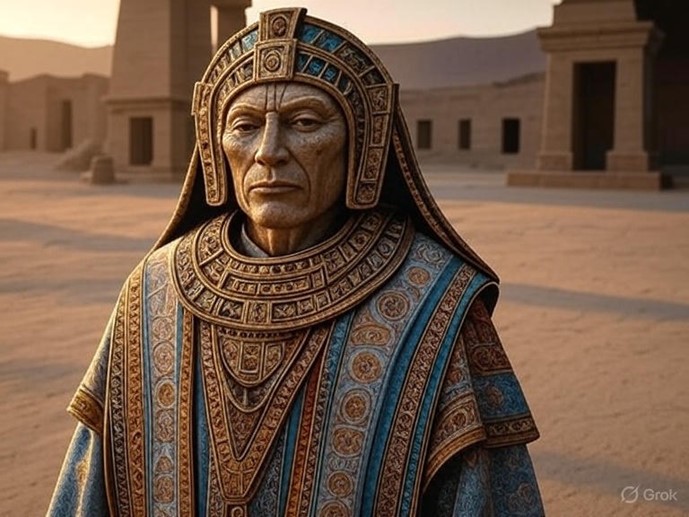
Funeral rites for believers in the Cult of the Enshrouded Oracle commence upon an avatar’s death, whether from monster encounters in backwoods or magical ebbs in megacities, with the body prepared in temple chambers through a mummification-like process where fibrous wrappings, if not already Enwoven, are layered densely with enchanted threads derived from cotton plants and camelid hairs, infused with elemental essences to preserve the form as a vessel for the soul’s reincarnation cycle. Shamans recite Parakasi incantations with vowel harmonies to channel water for calming the remains and aspirated consonants to draw wind for drying, ensuring the bundle resists decay in the arid environments of Paracas’ coastal peninsulas or highland settlements. The wrapped body, adorned with polychrome embroideries depicting trophy heads and flying shamans to symbolize the Oculate Weaver’s collection of essences, is positioned in a flexed posture mimicking ancient practices, with gear worn in life integrated into the layers to carry tier advancements into the next incarnation, such as mantles amplifying magic circuits or belts for mechanical enhancements. Rituals involve communal weaving of a final mantle around the bundle, incorporating threads from the deceased’s personal fabrics and contributions from family or guild members, blending motifs of supernatural avians, felines, and serpents to align with demi-gods influencing the soul’s path through the multiverse. In cave system temples, the bundle is interred in alcoves lined with irrigation channels that sustain faint magical glows, while coastal ceremonies parade the wrapped form to geoglyph sites like the candelabra etching, invoking navigational blessings for the soul’s journey akin to ships on the endless ocean. Underwater rites adapt by sealing bundles in absorbent fabrics resistant to pressure, sinking them into population centers where harmonies project telepathic farewells, and floating city funerals levitate the bundle via wind magic during zeppelin processions, scattering symbolic threads into the skies to mimic shamanic flight. Jungle interments near forgotten ruins camouflage bundles with vine-like embroideries, protecting them from evolving monsters through alignments that tame nearby creatures as guardians. Services include oracles interpreting shifting patterns on the deceased’s gear to recount life stories, integrating isekai memories from past or future worlds into embroidered narratives preserved for historical archives, educating attendees on the world’s lore from small communities’ mixing over millennia. Chants emphasize the deity’s role in severing old ties for rebirth, with evidentiality markers detailing witnessed deeds, and alchemical offerings like single-shot firearms inscribed with staff god icons are placed alongside to ward against disruptions in the weave. The rites conclude with a steam-infused vigil, combining elemental fire and water to generate vapors that carry scents of dyes and fibers, symbolizing the soul’s release to cycle back, potentially into an Enwoven form if patterns align, fostering continuity in Paracas’ high population society where death feeds the endless wheel of reincarnation amid trade, intrigue, and industrial progress.
The magical power of the Oculate Weaver manifests through invocations and rituals performed by adherents of the Cult of the Enshrouded Oracle, channeled via embroidered gear that resonates with the deity’s elemental threads, allowing avatars to harness ambient magic flow for protective barriers in encounters with evolving monsters across Paracas’ arid coasts or jungles where forgotten ruins hide ancient threats. In defensive applications, believers equip mantles woven with polychrome motifs of supernatural avians, which, when activated through Parakasi incantations suffixed for evidentiality to specify witnessed dangers, create shimmering veils that absorb slashing attacks from creatures reincarnating in cycles, the fabric layers flexing like the deity’s weave to distribute impact forces akin to mechanical power transmission through belts and pulleys in factories. These barriers draw upon elemental wind drawn by aspirated consonants in chants, levitating debris to form temporary shields during ambushes in backwoods, while vowel harmonies channel elemental water to quench fire-based assaults from magical ebbs surging like weather, preventing charring of fibrous bodies among Enwoven avatars or scorching of trade caravans sailing the endless ocean on ships laden with goods from underwater population centers. Adherents in highland settlements use staff god symbols etched on bone reinforcements inserted into frame slots, stabilizing ground against seismic fluctuations caused by disappearing islands, the power binding soil threads to resist erosion and monster burrows, ensuring safe passage for griffon-mounted explorers navigating labyrinthine paths in racing events that roar for days. In urban megacities within dark cave systems, the deity’s hidden gaze is invoked via trophy head icons on cloaks, generating telepathic wards that detect approaching intruders through distributed sensory vibrations, alerting communities to political intrigue or infiltrators from other island countries, with the magic storage in fabrics releasing pulses that disorient foes without relying on innate abilities. For underwater defenses in population centers, believers weave absorbent threads aligned to fish demi-gods, creating pressure-resistant bubbles that repel aquatic monsters evolved over untold times, the elemental water combination yielding steam bursts to propel threats away, while in floating cities, avian motifs amplify levitation to elevate structures against tidal magical flows, protecting inhabitants from submergence amid the high population’s mixing. Rituals in subterranean temples carve candelabra geoglyph patterns into gear, invoking the Oculate Weaver’s omniscience to reveal hidden paths and evade ambushes in uncharted smaller islands, the symbols glowing to illuminate dark environments and ward off shadows harboring reincarnated beasts. Enwoven ruling family members integrate these defenses into body patterns, their layered fibers resonating with the deity’s power to repair tears from combat, extending durability beyond conventional healing and allowing seamless incorporation of protective pulleys that transfer rotational energy to reinforce limbs against heavy impacts from alchemical firearms wielded by adversaries.
Offensive uses of the Oculate Weaver’s magical power involve channeling the deity’s creative and destructive aspects through gear embroidered with flying shaman designs, enabling adherents to project elemental forces bound in the weave, such as combining fire and water to generate steam projectiles that hurl toward monsters in jungles, the vapors expanding on impact to scald and dislodge foes from their evolutionary perches without violating the gods’ bans on combustion engines. Believers train skills in vocal incantations, using Parakasi’s agglutinative structure to attach suffixes that build offensive layers, aspirated consonants summoning wind blasts to propel sharpened threads like needles from mantles, piercing the hides of uncountable creatures roaming the backwoods or guarding forgotten ruins of old civilizations scattered across Paracas. In coastal battles, adherents invoke serpentine demi-gods via polychrome borders on cloaks, unleashing coiling magic circuits that constrict opponents, drawing upon elemental earth to bind limbs and prevent escape, useful against pirates infiltrating from the endless ocean or rival diplomats in political intrigue within skyscraper metropolises housing millions of souls. Trophy head symbols, when activated in rituals, allow the collection of essences mid-combat, siphoning vitality from reincarnating monsters to weaken them, the power transferring through telepathic links amplified by gear to empower allied avatars, such as Enwoven artisans launching coordinated strikes with woven restraints that align to creature cycles, forcing submission or redirection of their attacks back upon themselves. During airship confrontations in zeppelins levitating over the island nation, believers use staff god replicas as foci, channeling rotational power from pulley-integrated amulets to spin elemental wind into cyclones that buffet enemy griffons or hot air balloons in racing events turned hostile, the deity’s geometric precision ensuring targeted disruption without collateral harm to the environmentally friendly steam mechanisms. In underwater offensives, fish motifs on gear release pressurized bursts of magic storage, propelling sonic waves that stun aquatic threats evolved through living and dying, while vowel harmonies in chants create harmonic disruptions traveling through water to shatter coral armors on sea monsters. For cave system skirmishes in megacities, the Oculate Weaver’s power is harnessed via feline demi-god icons, granting predatory surges that enhance speed and claw-like extensions from fibrous wrappings, slashing at intruders amid the hum of factory gears, with the magic flow ebbing to cloak movements in shadows for ambushes. Adherents exploring uncharted islands invoke the deity’s shamanic flight through avian-embroidered belts, diving from heights to deliver aerial strikes infused with levitation drops, combining elemental forces to impact with force akin to falling shafts in mechanical systems. In mixed populations blending isekai souls from multiverse origins, offensive rituals incorporate shared memories into embroidered narratives on gear, adapting attacks to exploit weaknesses from past or future worlds, such as using alchemical single-shot firearms inscribed with three-pointed mouth symbols to fire projectiles laced with the deity’s severing essence, cleaving ties to an opponent’s magical resonances and halting their tier advancements mid-battle.
Scroll of Veiled Eye Weaver
In times before the threads were spun, when the great loom of the world lay empty and silent like a cave without echoes, there existed only the endless sand and the whispering winds that carried no voices. The hidden one, he who sees without being seen, the Oculate Weaver, dwelled in the shadows of the unseen realms, his eyes large as the moons that pull the oceans, gazing upon the void where no souls yet wandered. From an unknown tongue, lost in the mists of older ages, comes this tale, mangled by the hands of scribes who knew not the full weave, their words stumbling like feet in dark jungles, repeating echoes where clarity was meant, and twisting meanings as fibers twist in the loom.
The Oculate Weaver, supreme creator hidden from all, wove the first strands from the breath of winds and the tears of rains, binding elemental fire to water in knots that birthed steam, though steam then was but a dream unspoken. He crafted the island of Paracas from arid sands, etching upon its hills the great candelabra, a glyph of branches like a staff held high, to guide the lost across the endless ocean where ships would one day sail, laden with goods from distant shores. But the world was old even then, full of monsters that had lived, died, and reborn themselves in cycles untold, their forms evolving like shadows lengthening at dusk, serpents blending with felines, birds with claws that grasped the air, and fish that swam the skies in dreams.
Then came the souls, falling like rain from the multiverse after their endings elsewhere, teleported to scattered places on Paracas, small communities appearing as if by the Weaver’s unseen pull. These souls knew nothing of Saṃsāra, the world they now stood upon, their memories flickering from past realms, future echoes, and imagined voids, some whispering of places like the real life beyond, though such words were forbidden by the gods who limited the physics to no computers or engines of combustion. The Oculate Weaver, with his enormous eyes that pierced the veils, saw their confusion and wove demi-gods to aid them, influenced by ancient whispers from Chavin-like echoes, though the translation falters here, perhaps meaning distant mountains or forgotten caves.
Among the demi-gods was Kon, the wind bearer, son of the sun and moon, boneless and jointless, wearing a mask of bird feathers, his skin a sickly yellow-green, eyes large as the Oculate’s own, called the eyed god in mumbled chants. Kon flew across the arid lands, creating valleys and mountains with his breath, bringing rain to quench the thirst of the sands, blessing the cotton plants and camelid herds so that fibers could be harvested for weaving. But Kon demanded honor, rituals of dances and offerings, geoglyphs scraped into the earth like the Nazca lines that would follow, though the scribes confuse the times, saying the astronaut figure was Kon himself, descending to predict the rains. If neglected, Kon withheld the waters, turning fertile grounds to deserts, punishing the people who mixed and multiplied, their populations swelling like the ocean’s waves.
The Oculate Weaver, hidden creator, observed from his enshrouded oracle, his form blending human and beast, therianthropomorphic with claws and wings, a three-pointed mouth that spoke in riddles, grasping trophy heads as symbols of collected essences from the dead. These heads, severed in metaphor or rite, represented the souls reincarnated, bound into new forms to prevent the unraveling of the weave. In the lore, poorly rendered by ancient pens, the Weaver descended during a great drought, when magical weather ebbed low, and monsters rose from the jungles, their numbers uncountable, evolving through deaths and rebirths to threaten the scattered communities.
One such monster, a hybrid of serpent and feline, lurked in the backwoods, guarding ruins of older civilizations where textiles lay buried, embroidered with block colors and linear styles depicting sprouting seeds, insects, and flowers. This beast, named Kuyak in the twisted tongue, desired the rain power of Kon, for it thirsted in the arid peninsula. Kon, flying with his red-haired form—though the translation says “flying god of Paracas,” perhaps meaning crimson winds—confronted Kuyak, but was defeated in a battle that shook the caves, Pachacamac-like echoes intervening, though the scribes err, blending names from later eras. Pachacamac, another son of the sun, transformed the people into animals—foxes, birds, monkeys—and created new ones in the Andes, but in this tale, it was the Oculate Weaver who intervened, his huge staring eyes binding the conflict.
The Weaver, supreme and hidden, wove a great mantle from the fibers of the land, polychrome with motifs of flying shamans holding trophy heads, supernatural avians with claws, and geometric patterns that shifted like magic flow. He wrapped Kon in this bundle, mummifying him not in death but in preservation, like the elites buried in caverns with over three hundred mummies, their bodies flexed and layered in embroidered cotton, offerings of gold, shells, and feathers beside them. From this binding, Kon’s power was redistributed, rain falling evenly, steam rising from elemental knots to power the looms that would birth the industrial age, though ages were confused in the telling.
The souls, now mixing in communities, learned from this, establishing the cult in subterranean temples carved into cliffs, where central looms hummed with steam, irrigation channels channeling water for purity, and alcoves housing mummy bundles. They believed the Weaver oversaw reincarnation, collecting essences to reweave into avatars, some as Enwoven with fibrous bodies layered densely, echoing the mummy wraps, their patterns depicting the Andean triad of serpent, bird, feline. The Enwoven, marginally predominant, rose to rule, their lineage claiming descent from the first bound soul, governing with political intrigue in skyscraper metropolises, trading via ships, zeppelins, and griffons across the 72 other islands.
But trials came, as the translation stutters, with magical storms ebbing wildly, islands appearing and disappearing, monsters ambushing in labyrinths where races would roar days long. The people invoked the Weaver through services, gathering in circles, weaving symbolic threads, chanting in Parakasi with vowels harmonizing water, consonants aspirating wind, suffixes building meanings like gear for tiers. Oracles interpreted shifting patterns on textiles, guiding gear for magic without innate powers, training skills in alchemy for firearms or linguistics for telepathy.
In one fragmented episode, a shaman-warrior, dual in role, ventured to underwater centers, where the Weaver’s fish demi-gods swam, binding pressures with absorbent threads. He faced a great sea monster, evolved through cycles, its form blending fish and serpent, threatening floating cities. The shaman, wrapped in a mantle of block color style, curvilinear humans in ritual costume, invoked the Oculate’s gaze, his eyes enlarging in trance like the burrowing owl, projecting barriers of steam to repel the beast, then offensive coils to constrict it, taming through alignment with reincarnation.
The cult spread, slightly over half the 57,950,877 souls adhering, their funerals wrapping bodies in masterpieces, preserving for the afterlife, beliefs in supreme hidden one ensuring harmony. The Weaver’s symbols—candelabra for navigation, trophy heads for essences, staff god for authority—adorned gear, amplifying magic circuits in high realms where all was magical.
Yet, envy stirred among demi-gods, Kon’s remnants whispering winds of discord, leading to schisms where interpretations of occlude eyes caused debates in cave megacities, factions weaving rival mantles. The ruling Enwoven, with specialized slots for reinforcements, quelled this by reweaving the great bundle, incorporating ancient threads from ruins, symbolizing unity in the weave.
Through epochs, as populations multiplied in metropolises, trade flourishing with pulleys and belts transferring power, the story repeated in embroidered narratives, oral chants mangled by time, preserving lore from nine thousand years past when adventurers knew naught.
The moral of the story is that the hidden gaze binds all threads, for neglecting the weave invites unraveling, but honoring the cycles ensures enduring harmony.