
Category: List
-
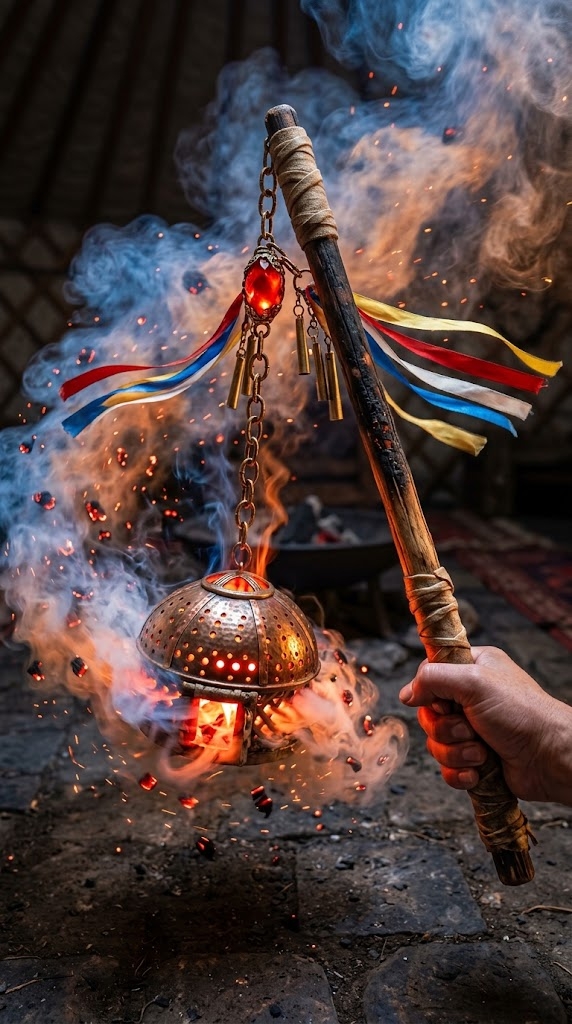
Shamanic 803 of the Steppe Hearth Censer Flail
Lore: Forged and woven by the hearth-keepers and storm-baksy of the high Kazakh steppe, this swinging incense flail embodies the primordial communion between the nomadic camp and the four elemental spirits (Iye): the Fire of the Hearth (Ot-Ana), the Wind of the Open Plain (Zhel-Ata), the Water of the Glacier-Melt, and the Earth of the…
-

Shamanic 418 of the Oral Chroniclers Dombyra
Lore: Preserved across generations among nomadic teachers, clan elders, and pedagogical baksy of the steppe, this two-stringed lute acts as a spiritual reservoir for ancestral history, linguistic grammar, oral epics, and traditional folklore. In nomadic cultures where libraries are carried in the mind rather than housed in stone vaults, the Dombyra is an instructional implement…
-
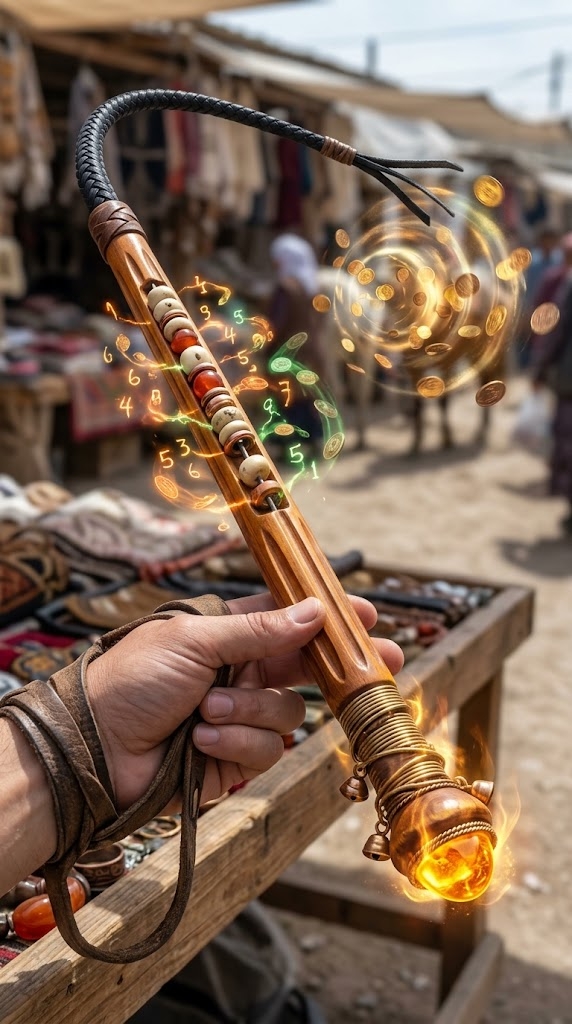
Shamanic 629 of the Equine Abacus Whip
Lore: Originating along the Great Silk Trails and horse-trading crossroads of the Kazakh steppe, this ceremonial riding crop was devised by market-shamans (Baksy of the Ledger) to harmonize the ancestral spirits of trade, livestock, and fair barter. In border caravanserai and nomadic bazaars, agreements sealed under the eye of the spirits carry the weight of…
-
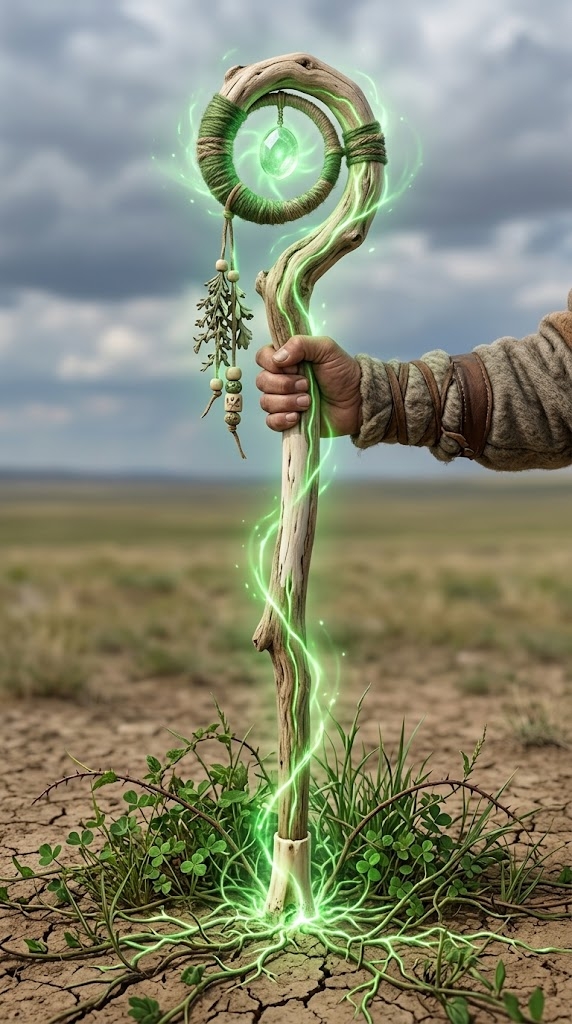
Shamanic 437 of the Verdant Spindle Staff
Lore: Born from the seasonal migrations of steppe baksy and river-delta healers along the Syr Darya floodplains, this implement was fashioned to maintain balance between overgrazed pastures, river beds, and wild thickets. In regions where sudden desertification, locust swarms, or salinized soil threaten the herds, pastoral shamans commune with the vegetative spirits (Aruakh of the…
-
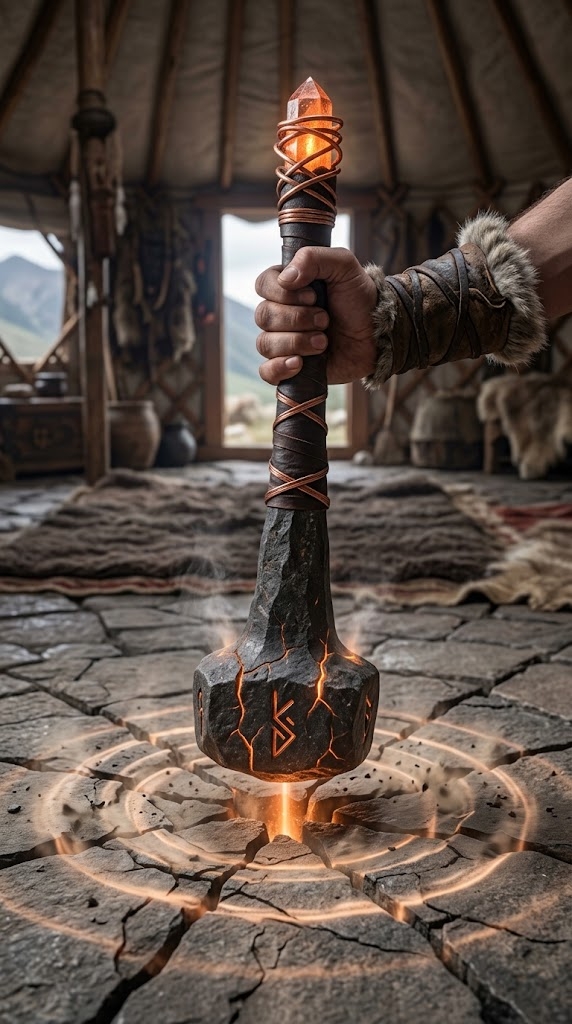
Shamanic 814 of the Tectonic Hearth Stirrer
Lore: Originating among nomadic foothill clans traversing the seismically active fault valleys of northern Natufian and the Kurgan crags, this heavy ritual pestle was conceived to appease subterranean rock-spirits rather than oppose them. In regions where frequent ground tremors shatter stone dwellings and swallow livestock into sudden fissures, tribal baksy and shamans developed grounding rituals…
-
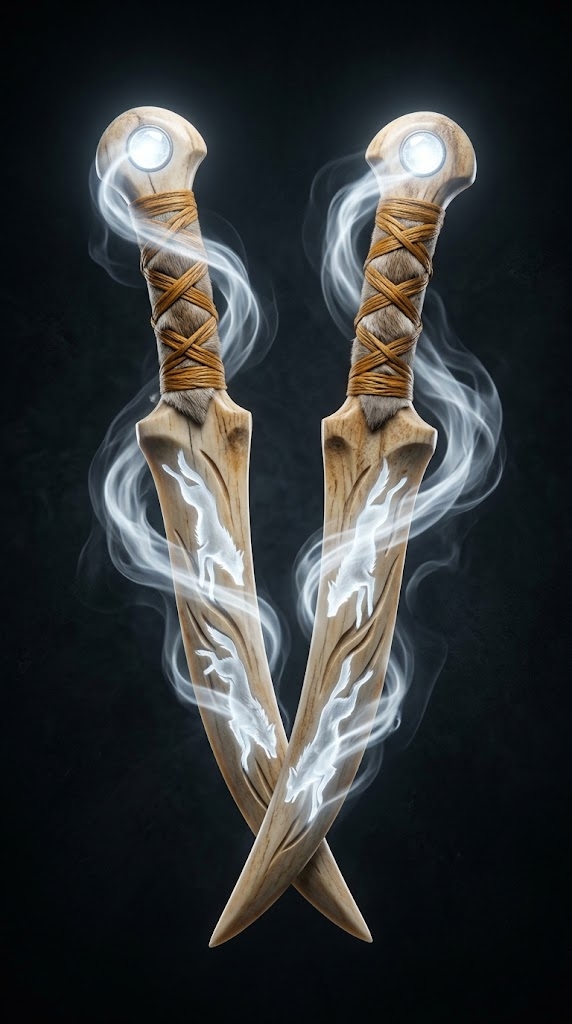
Shamanic 582 of the Twin Asena Fangs
Lore: Originating among nomadic steppe horse-clans and high-plateau hunters across the island territories of Kurgan, Trypillya, and northern Tasian, these paired ritual implements trace their lineage to early ancestor shamans who mediated covenants with the dual spirit-wolves of the wilderness. Before the rise of industrial steam vats and mechanical looms, wandering hunters faced predatory beasts…
-
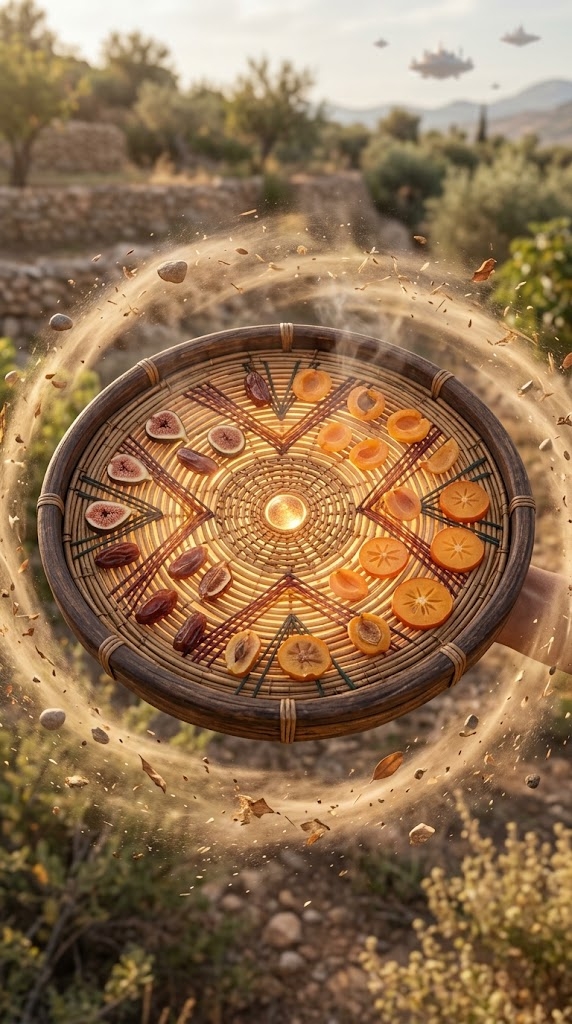
Shamanic 418 of the Orchard Hearth
Lore: Across the semi-arid steppes, scrubland terraces, and orchard slopes of island nations like Natufian, Amratian, and Ghassulian, wandering shamans maintain deep spiritual pacts with localized nature spirits, ancestor guides, and minor elemental thermal essences. Long before the rise of industrial steam vats and battery-driven dehydration plants, seasonal foraging communities faced severe perishability issues, with…
-
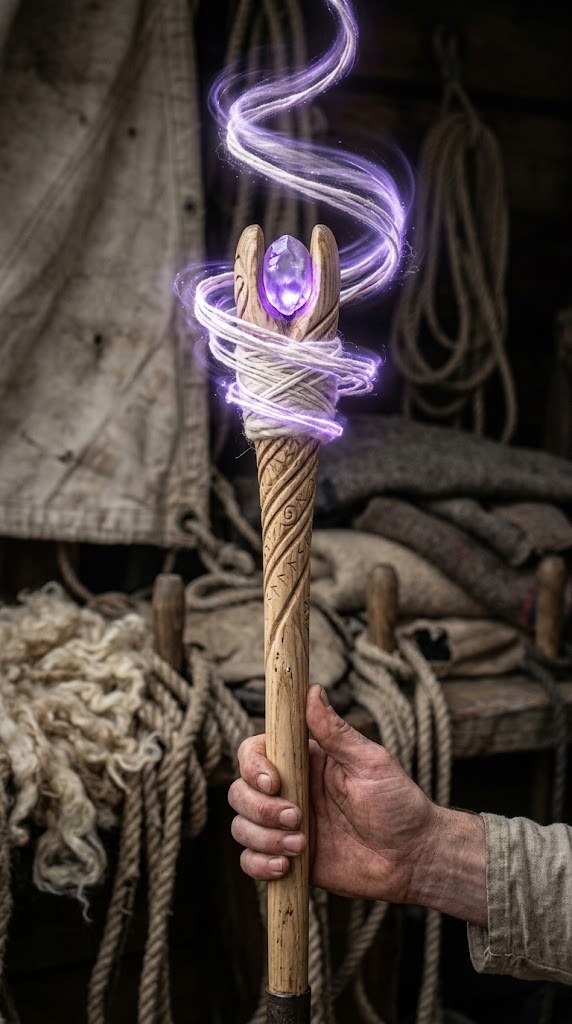
Seiðr 734 of the Weaving Gale
Lore: During the early eras of the Age of First People, souls reincarnating from northern ancestral realms retained fragmented memories of distaff-spinning and the spirit-working traditions known as Seiðr. Rather than shaping magic through rigid arcane machinery or industrial boilers, these early practitioners treated ambient elemental flows as raw wool or unspun flax waiting to…
-
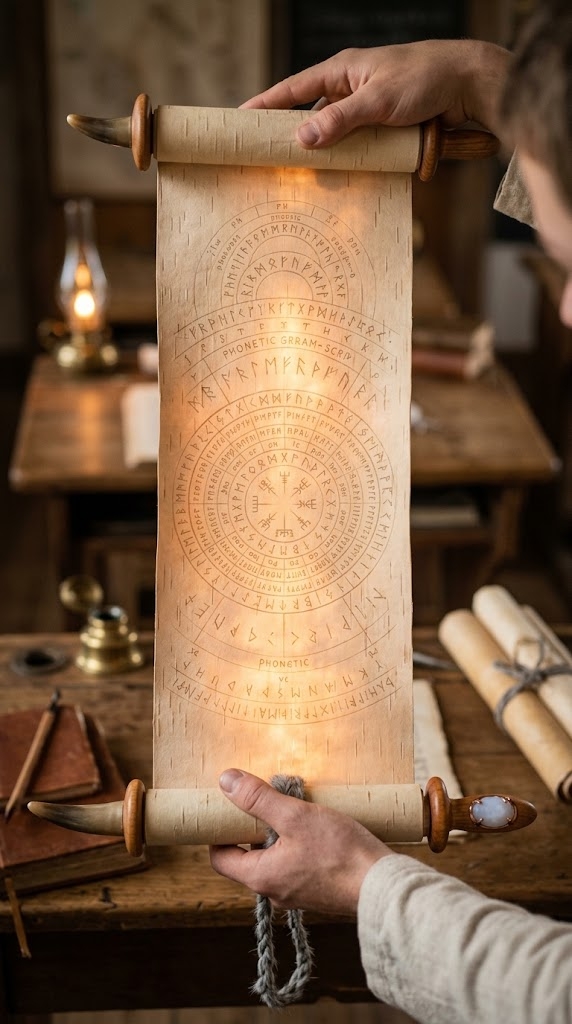
Seiðr 832 of the Birch Bark Catechism Scroll
Lore In the secluded monastic schools, itinerant hedge-academies, and winter-lodges of Saṃsāra, true learning is regarded not as the memorization of dead words, but as an awakening of the soul’s latent memory. The elder skalds and Seiðr-pedagogues knew that knowledge is woven through the world like thread through cloth; one must merely enter the quiet…
-
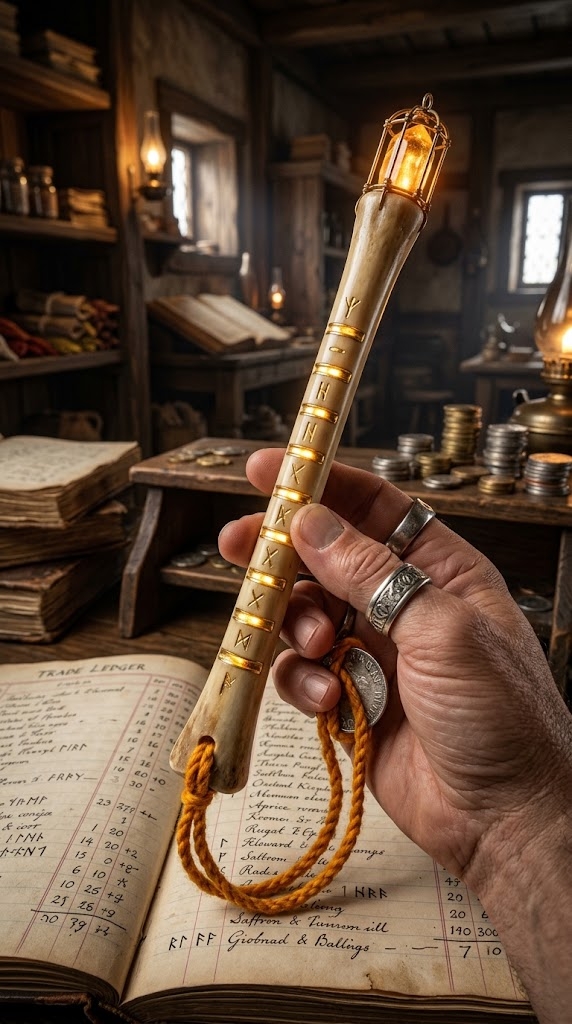
Seiðr 419 of the Gilt Bone Tally Wand
Lore In the bustling river-ports, mining settlements, and caravan hubs of Saṃsāra, wealth is understood not merely as physical metal, but as a flowing current of obligation, trust, and shared labor. The Seiðr-weavers of old recognized that trade ledgers and exchange houses possess their own metaphysical weave—a web of debt and value that can be…
-

Seiðr 582 of the Moss Tethered Spindle Whorl
Lore In the mist-choked boreal valleys of Saṃsāra, traditional Seiðr practitioners understand that living flora and wandering fauna are not separate entities, but an interconnected warp and weft woven across the earth-skin. Apprentice weavers and wandering herbalists often carry spindle whorls carved not from stone or metal, but from the dense, petrified root-burls of elder…
-
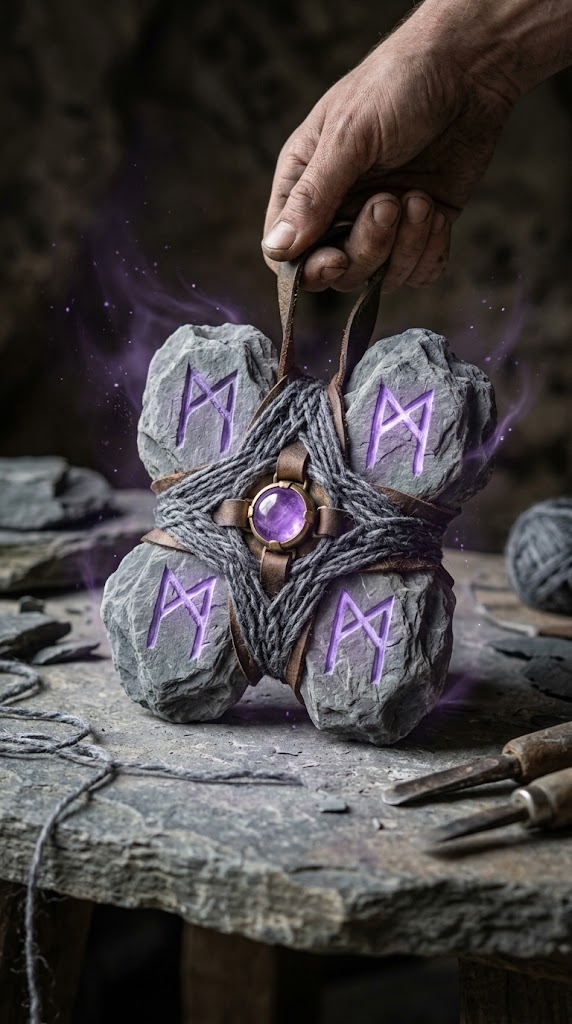
Seiðr 714 of the Tremoring Loom Weights
Lore In the weaving halls of the northern settlements on Saṃsāra, the grand looms do not merely create cloth; they serve as metaphysical anchors connecting the physical world to the vibrational echoes of the earth. Elder weavers, trained in the trance-state divination of Seiðr, realized that the heavy stone weights used to provide tension on…
-
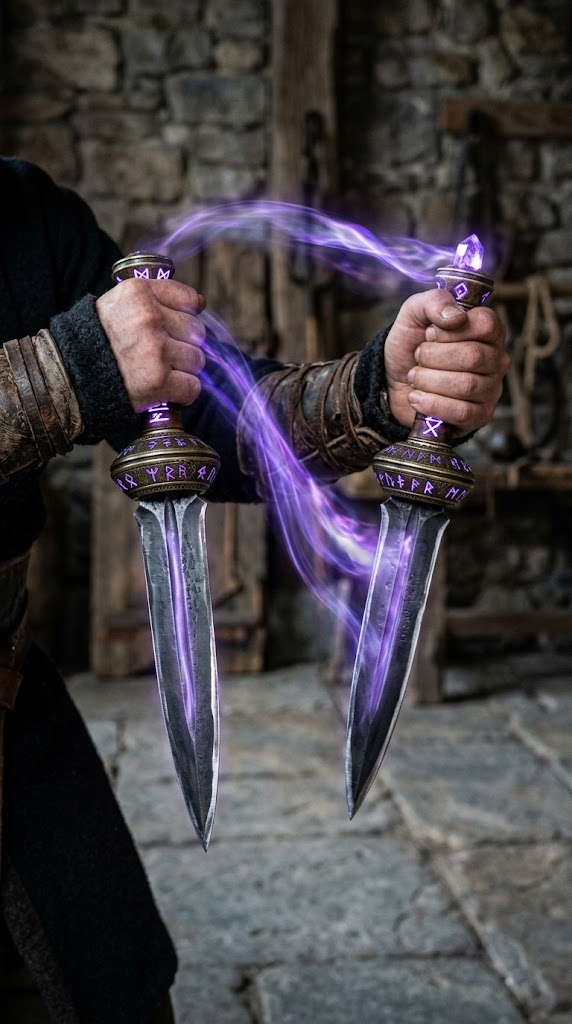
Seiðr 319 of the Twin Spindle Loom Blades
Lore In the maritime skirmishes between the coastal states of Banpo and Badarian, skirmishers often struggled to coordinate attacks with two separate weapons while maintaining defensive balance. Traditional martial traditions required extensive physical coordination, often leaving the off-hand weapon clumsy, delayed, or out of tempo. An eccentric weaver-artisan versed in ancient Seiðr traditions observed that…
-
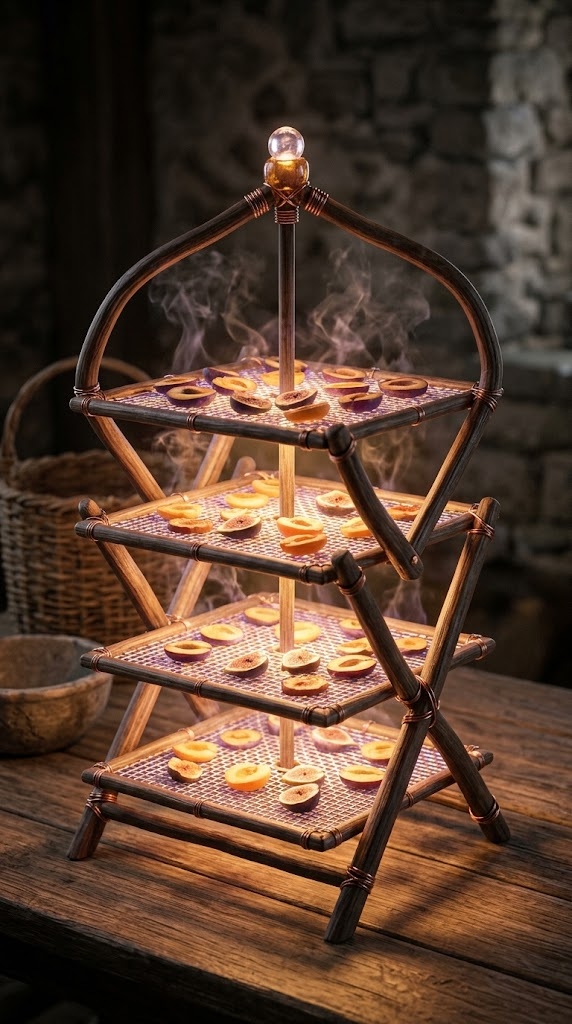
Seiðr 714 of the Sun Trance Dehydrating Rack
Lore In the early agricultural settlements of the island nation of Banpo, seasonal harvests of sweet orchard fruits often rotted rapidly under the heavy, humid clouds and frequent rainstorms that rolled across the coast. Sun-drying on open stone slabs proved unreliable, frequently ruined by mold spores, rain bursts, or scavenging insects. A hedge-witch trained in…
-
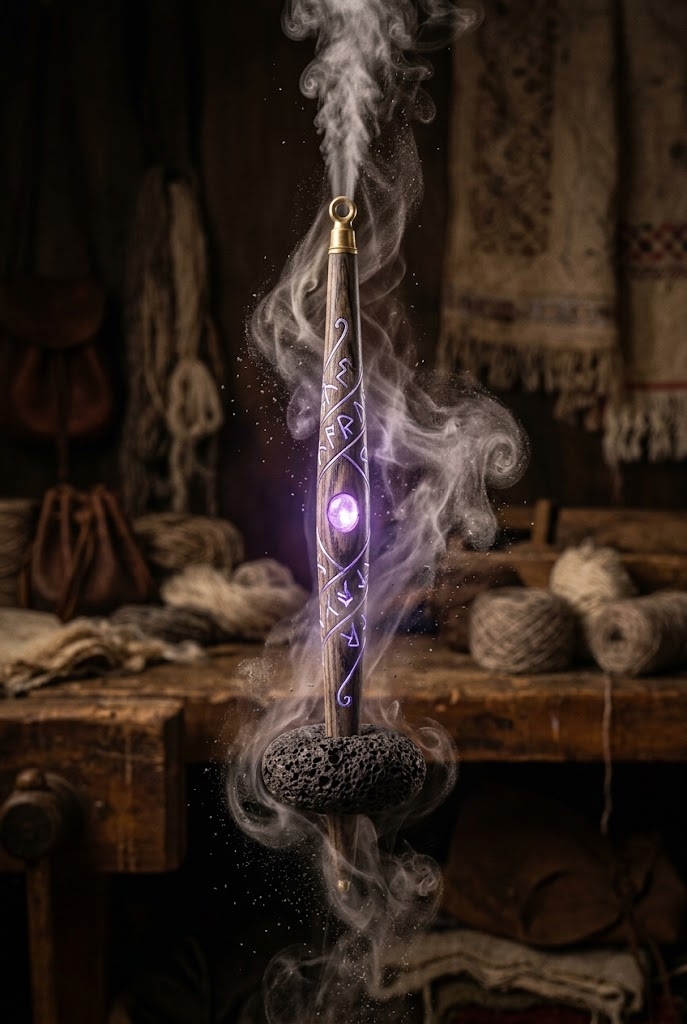
Seiðr 482 of the Mist Vapor Spindle
Lore During the early expansions of the textile guilds across the island nation of Banpo, launders and vestment keepers struggled with the rapid degradation of delicate ceremonial fabrics. Ordinary laundering with elemental water frequently destroyed fragile rune-threaded garments, silver-stitched sashes, and enchanted robes. An eccentric artisan attuned to trans-dimensional trance traditions devised a method to…
-

Search 304 of the Dauntless Sight Gorget
Lore In the martial lineages of Saṃsāra, most search magic practitioners believe uncovering hidden truths requires retreating into safe observation, hiding behind scrying bowls, or whispering gentle divinations from a careful distance; however, the vanguard scouts of the Iron Heart Order established that secrets are most cleanly cut open by stepping straight toward them. Design…
-
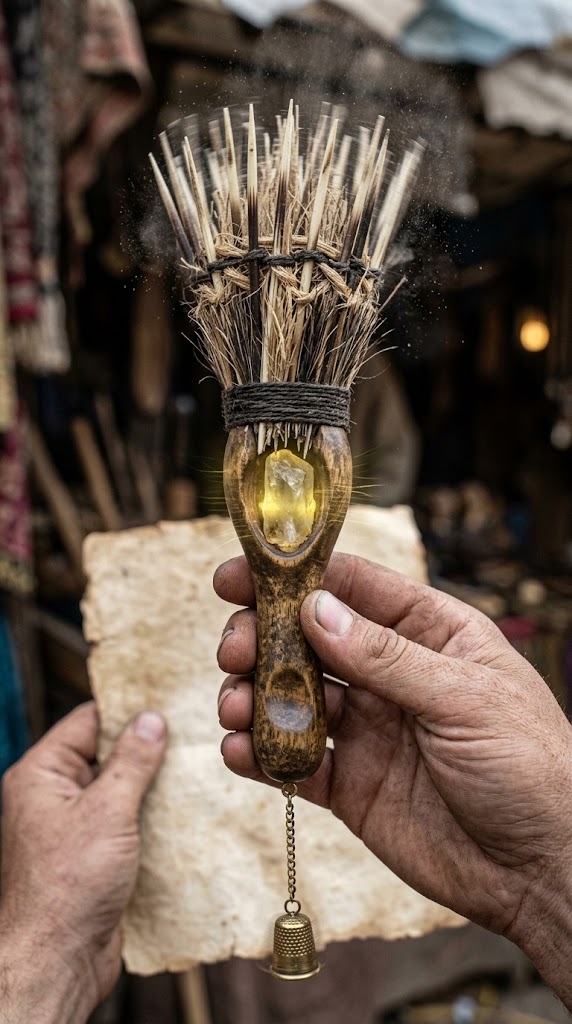
Search 118 of the Pestering Bristle Whisk
Lore In the academic disputes of Saṃsāra, most search magic practitioners believe secrets are uncovered through deep contemplative stillness or sharp visual acuity; however, the mendicant gadflies of the Itinerant Scrapers proved that secrets can also be badgered into the open. Design 118 was first assembled in the drafty chapterhouses of the Irritant Order—a sect…
-
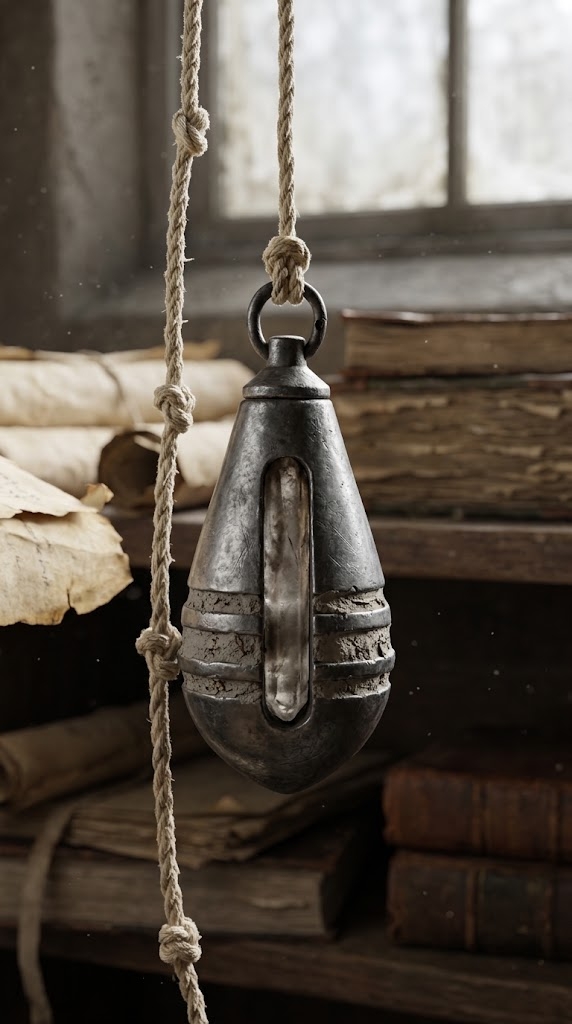
Search 512 of the Listless Dowsing Plummet
Lore In the esoteric cartography of Saṃsāra, sharp intent and eager searching are known to stir the currents of fate, creating psychic turbulence that often scatters the very secrets an avatar seeks to unearth. Design 512 was first cast in the stagnant canal-chanceries of the Doldrum Reaches by the Order of the Heavy Eyelid, an…
-
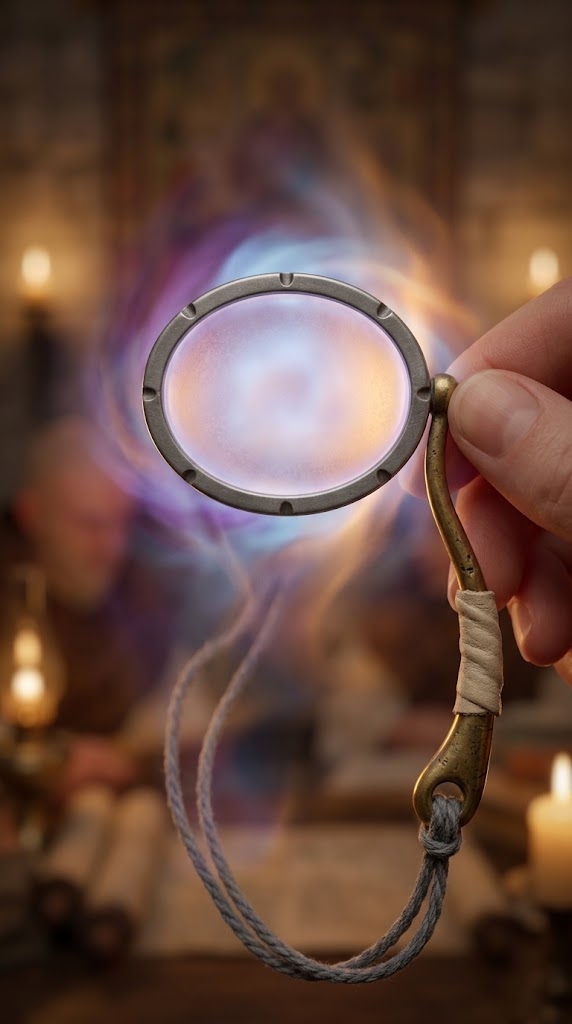
Search 341 of the Myopic Veil Monocle
Lore In the philosophical traditions of Saṃsāra, sharp focus is often viewed as a deceptive trap: an avatar who fixes their eyes too intently on the sharp lines of the material world becomes blind to the fluid currents of resonance, latent warmth, and subtle concealment that drift between objects. Lineage designation 341 originated among the…
-

Search 118 of the Cerulean Eye Loupe
Lore In the sapphire-veined valleys and river terraces of Saṃsāra, the color blue is not viewed merely as a hue, but as the cosmic resonance of deep water, cold clarity, untouched sky, and the calm stillness that permits sight through turbulent currents. Lineage designation 118 traces its lineage to the lapidaries and river-scryers of the…
-
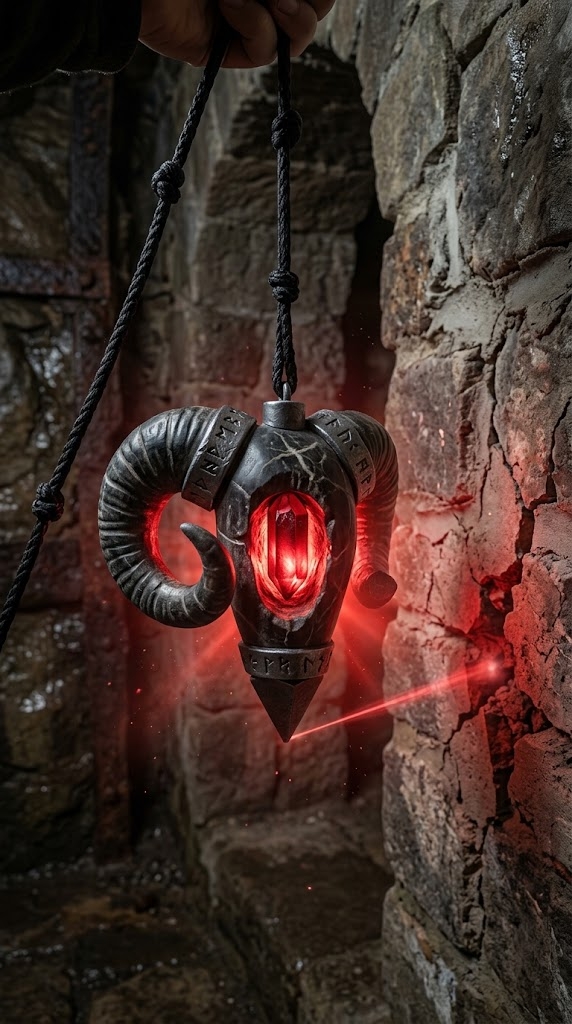
Search 253 of the Obdurate Ram Plumb Bob
Lore In the rugged mountain holds and quarry canyons of Saṃsāra, searching is rarely treated as a matter of keen eyesight or airy scrying; instead, it is an exercise in confronting that which is sealed, bricked up, dammed, or deliberately obstructed. Lineage designation 253 descends from the subterranean stone-wardens of the Red Chasm, artisans who…
-
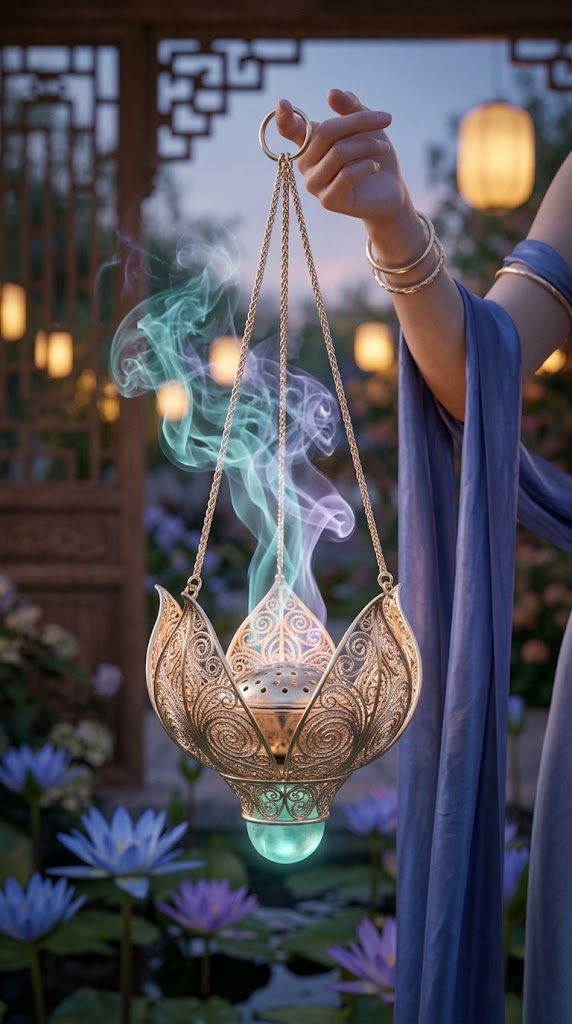
Search 407 of the Euphoric Lotus Thurible
Lore In the sun-drenched terraced orchards and fragrant riverside gardens of Saṃsāra, true discovery is taught not as an act of suspicious scrutiny, but as an effortless surrender to pure contentment. Lineage designation 407 traces back to the contemplative ascetics of the Turquoise Stream, who held that when the soul is unburdened by anxious striving,…
-
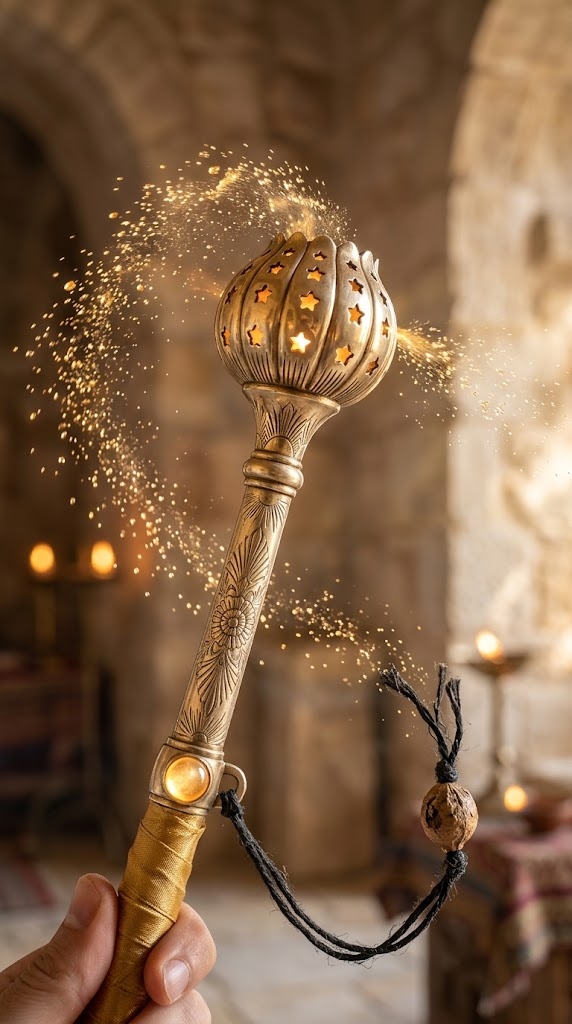
Search 118 of the Chrysanthemum Dipped Anointing Aspergillum
Lore In the sun-blessed valleys and hillside terrace-vineyards of Saṃsāra, lost things are not considered taken by malice or hidden out of shame; rather, tradition teaches that lost objects have merely wandered out of the grace of sight. Among the agrarian devotees of the Satsnakheli order, Search Magic was refined not as an intrusive probing…
-
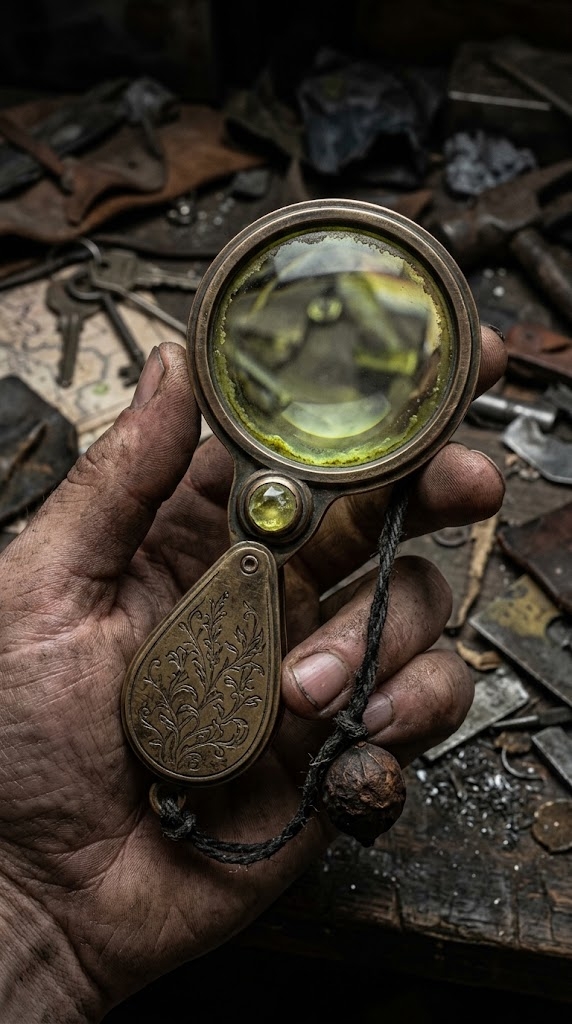
Search 734 of the Bile Stained Divining Loupe
Lore In the rugged frontiers and forgotten border ruins of Saṃsāra, truths are rarely hidden behind locked vaults alone; more often, they are buried beneath broken promises, lingering resentments, and unpaid blood debts that rot in secret. Search magic among frontier dowsers and bitter scavengers long ago diverged from pure, serene clairvoyance into an art…
-
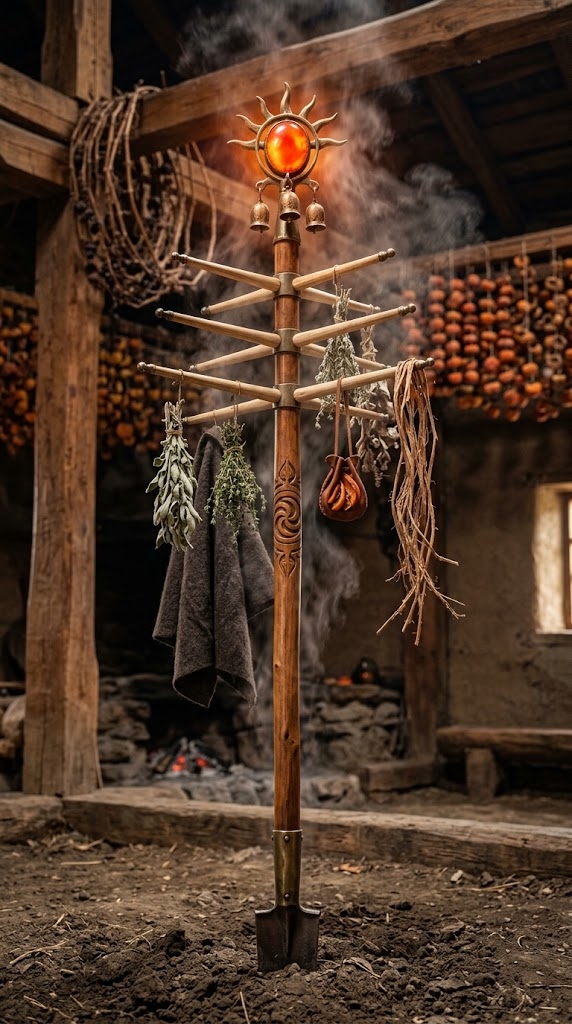
Satsnakheli 418 of the Hearth Drying Rack Staff
Lore In the rugged highlands and rain-battered river valleys of Saṃsāra, dampness is not merely a physical inconvenience—it is a spiritual vector through which rot, blights, and malevolent water-ghouls (tsqaldidoba spirits and ditch-crawlers) seep into grain stores, fleece-bundles, and human lungs. Satsnakheli witchcraft has long elevated the drying hearth and the suspended wicker curing-frame (chiri…
-
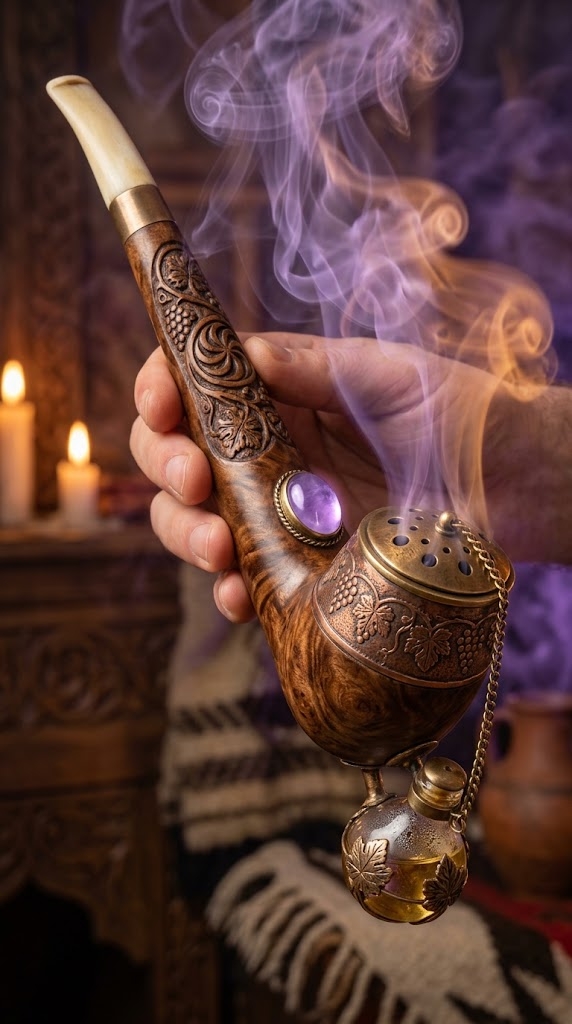
Satsnakheli 621 of the Mountain Poppy Censer Pipe
Lore Across the high limestone terraces and mist-shrouded gorges of Saṃsāra, highland herbalists and wandering hedgewitches have long recognized that altered states of consciousness can bridge the gap between mortal senses and the unseen spirit world. Satsnakheli witchcraft does not separate medicinal intoxication from ritual practice; instead, traditional smoke-weavers and root-healers consume concoctions of wild…
-
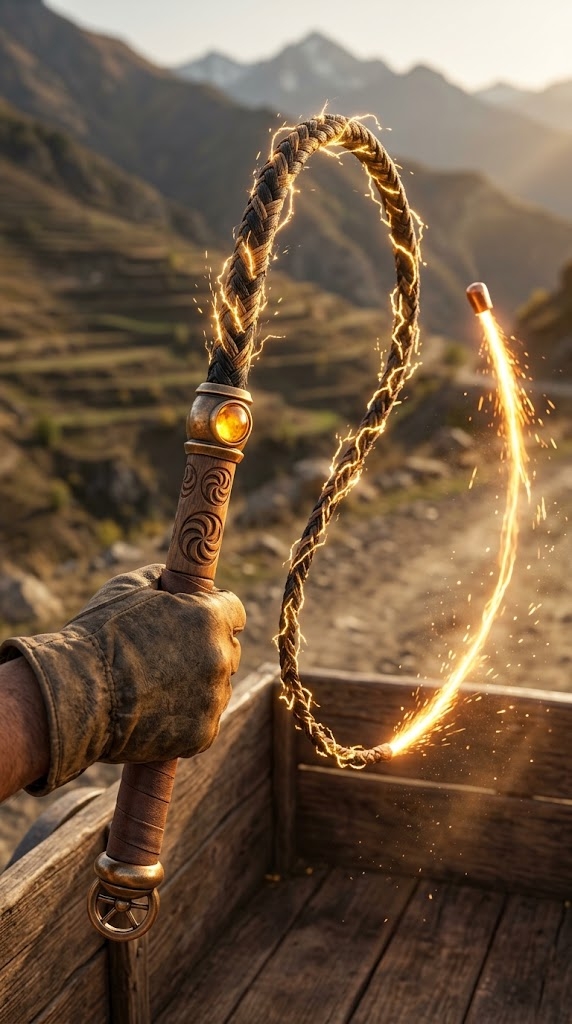
Satsnakheli 349 of the Mountain Wagoners Yoke Whip
Lore In the rugged highland switchbacks and treacherous gorges of Saṃsāra, managing heavy draught beasts and timber wagons requires more than raw muscle; it demands an elemental pact between driver, beast, and road. Highland folklore speaks of the Meurme—the traditional cartwright-shamans and wagon-masters of the Caucasus—who carved braided lash-whips to guide teams of oxen and…
-
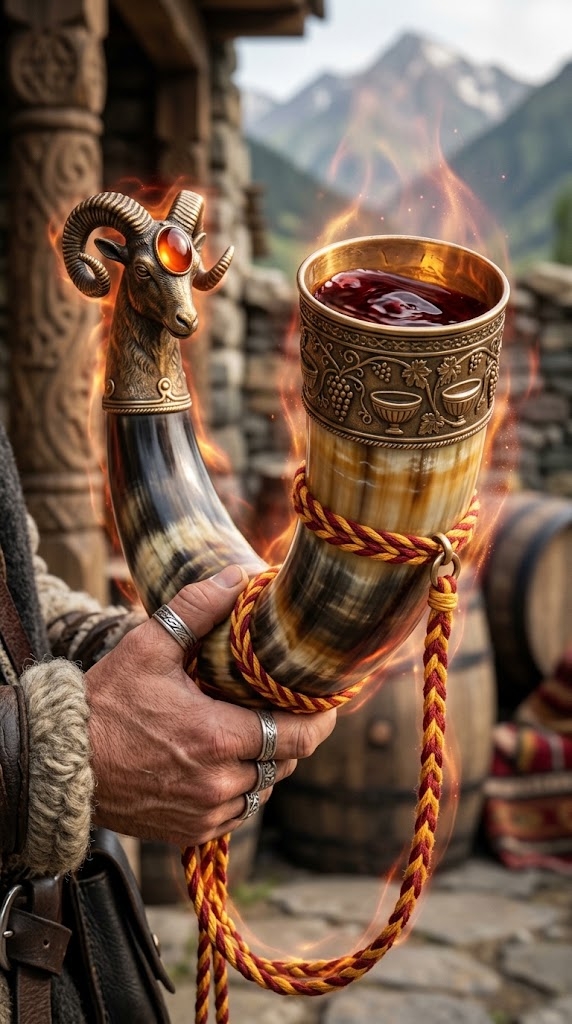
Satsnakheli 527 of the Mountain Horn of Continuous Libation
Lore In the rugged highlands and terraced valleys of Saṃsāra, hospitality is regarded as an inviolable ritual boundary, and the act of drinking together forms an ancient magical pact that repels malevolent spirits, curses, and ill fortune. Highland folklore speaks of the Tamada—the consecrated toastmasters and village ward-speakers of the Caucasus—who carved drinking horns from…
-
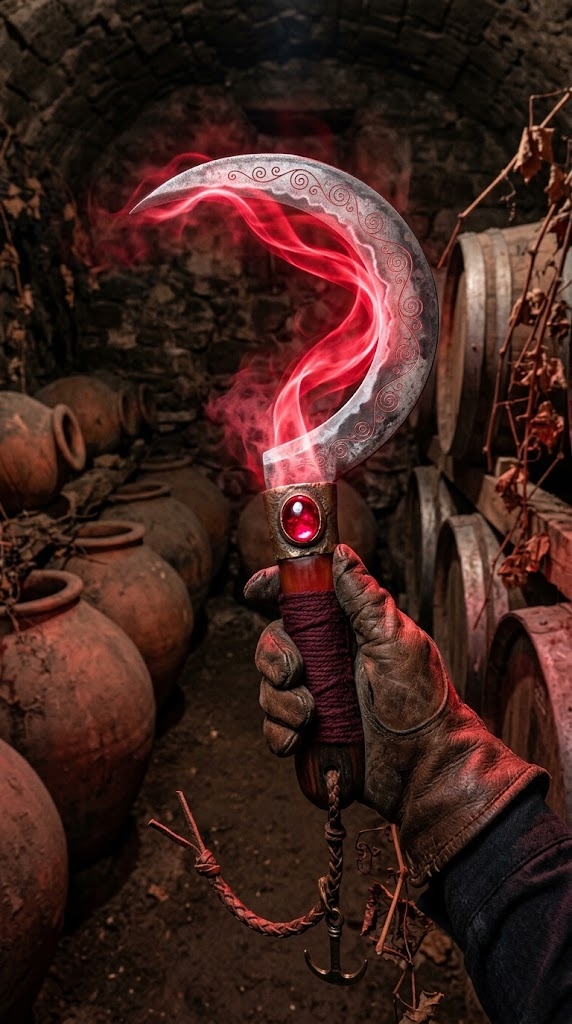
Satsnakheli 814 of the Blood Vine Pruning Sickle
Lore In the shadowed alpine valleys and secluded stone hamlets of Saṃsāra, highland practitioners of Satsnakheli understand that the vitality of the vineyard demands a reciprocal blood-tithe; when ancient grapevines struggle against bitter mountain frosts, blight, or predatory blights, the life force of living intruders is harvested to sustain the roots. Folklore tells of the…
-
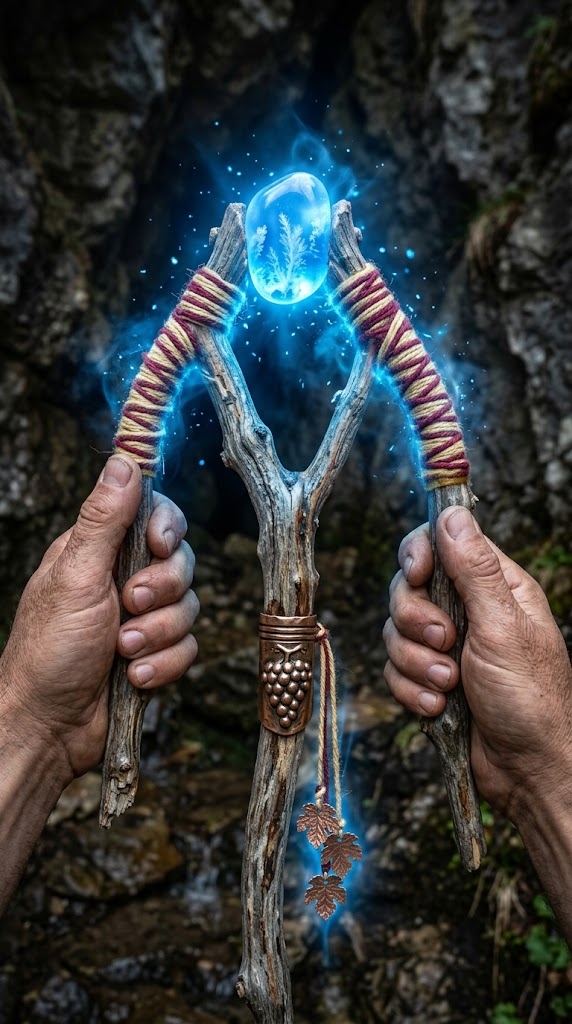
Satsnakheli 308 of the Vine Root Well Fork
Lore In the rugged highlands, sun-baked terraced vineyards, and karst foothills of Saṃsāra, water and mineral life are fiercely guarded by terrestrial spirits; avatars preserving traditional Georgian folk-sorcery (Satsnakheli) look to the living memory of ancient vine-dressers and mountain seers who read the secret flow of deep aquifers through the wood of the grapevine. Traditional…