
Definition: Serenalia is a unique language with an emphasis on promoting a state of anxiety-free calmness, peace, and serenity. It serves as a means for individuals to convey soothing thoughts, share emotional support, and cultivate a sense of tranquility, even across species.
Linguistic Attributes and Characteristics:
- Soothing Vocabulary: Serenalia’s vocabulary is filled with words and phrases that evoke tranquility, peace, and comfort. It enables speakers to articulate thoughts and emotions that promote relaxation and anxiety relief.
- Melodic and Rhythmic: The language often employs melodic tones and gentle rhythms, creating a calming and soothing effect on the listener. The words flow like a serene melody, lulling anxieties away.
- Affirmative Affection: Serenalia incorporates affirmative and affectionate expressions, fostering a sense of emotional security and connection among speakers.
Structure: Serenalia follows a flowing and gentle structure, with sentences often arranged to convey a sense of comfort and reassurance. The language encourages the use of soft sounds and comforting phrases to promote a feeling of peace.
Cultural Identity and Usage: Serenalia is used by individuals and communities who value emotional well-being, mindfulness, and a calm state of mind. It is often employed in healing practices, meditation, and times of emotional support and comfort.
Rarity, Type, Script, Source, and History:
- Rarity: Serenalia is relatively rare, as it is a language that requires a deep understanding and appreciation of emotional well-being and serenity. Those who use it often do so with care and reverence.
- Type: Serenalia falls under the category of mystical languages, as its words have a magical quality to promote anxiety relief and emotional healing. It is considered a sacred language by some, used to invoke feelings of calm and tranquility.
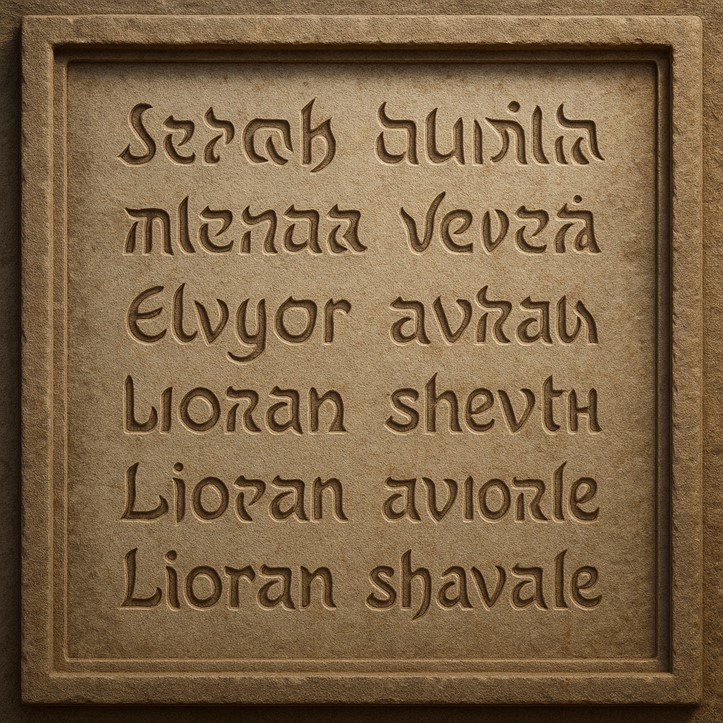
- Script: Serenalia’s script appears graceful and flowing, reflecting the language’s connection to serenity and emotional harmony.
- Source and History: The origins of Serenalia are rooted in ancient practices of emotional healing and mindfulness. It is said to have been developed by wise healers and sages seeking to share emotional comfort and serenity with others.
Sensory Experience: When spoken, Serenalia has a mesmerizing and tranquil quality, as if the words themselves carry a sense of calm. Listeners often feel a deep sense of peace and relaxation, as the language has an almost hypnotic effect on anxieties. The sensory experience is further enhanced when used telepathically, as the emotions behind Serenalia’s words are directly transmitted, creating a profound sense of emotional comfort and well-being among the recipients.
In conclusion, Serenalia is a unique language with an emphasis on promoting anxiety-free calmness and emotional serenity. Its linguistic attributes, cultural significance, and sensory experience make it a powerful tool for individuals seeking emotional healing, mindfulness, and tranquility.
Tags: calmness, peace, serenity, tranquility, mindfulness, healing, soothing, comfort, relaxation, harmony, emotional-support, affirmation, melodic, gentle, security, well-being, sacred
Inscriptions
- “Serath luniora” — Peace flows eternal through these walls.
- “Velora eshiran” — Calmness is carved deeper than stone.
- “Thalen suvera” — Serenity dwells where words endure.
- “Mirash elunor” — This mark holds the breath of harmony.
- “Orian sulvesh” — The script sings with tranquil light.
- “Leyora univash” — Serenity shelters all who stand here.
- “Deyral ovian” — Written calm binds the restless heart.
- “Seythar meluin” — May these words soothe all who see them.
- “Arion veshal” — Here is etched the promise of peace.
- “Elvian dorush” — Quiet strength rests within the script.
- “Luneth aviora” — In every line, calm breathes forever.
Political Oaths
- “Seyora dulian” — I vow to govern with peace of heart.
- “Mirion velasth” — My oath carries the weight of calm.
- “Lerath enivor” — I bind myself to harmony’s path.
- “Oriven suresh” — My service flows with tranquil mind.
- “Veylan thuriel” — In serenity, I pledge my rule.
- “Elvior naleth” — My word rests in stillness, unwavering.
- “Serion thaveir” — Calm wisdom guides my decisions.
- “Neyra volesh” — I promise shelter from storm and strife.
- “Feylun oreshal” — With peace I weave my duty.
- “Deynor aviel” — My oath holds serenity as its flame.
- “Lioran sheveth” — I lead with harmony, never discord.
Cultural Ceremonies
- “Seylan oriva” — Together we enter calm as one.
- “Lunira veythral” — Our unity is sealed in peace.
- “Erysha meluvan” — In serenity, we honor this day.
- “Oriven shural” — Calm joy blesses our gathering.
- “Thyra seluin” — May this rite soothe every heart.
- “Veyora lineth” — Tranquility crowns this union.
- “Serel aviora” — Serenity carries us into the future.
- “Mirion thevala” — Harmony shines through this celebration.
- “Oriala venuth” — Let all strife fade in this moment.
- “Fayrel unevia” — Our voices breathe calm into the air.
- “Lioren shavale” — With stillness, the circle is complete.
Breath That Stilled the Storm
Before mountains had settled into their roots and before rivers remembered their paths, there was said to be a wandering people who lived in the shadow of storms. Their skies broke with thunder each day, their hearts heavy with fear, and their voices shook like reeds in the wind. Yet among them, one child was born who did not cry at the noise of the heavens. She lay quietly as lightning split the air, and when she spoke, her words were softer than rain on still water.
The fragments that remain call her She-Who-Calms. No other name survives. It is told that when her village quarreled, she would speak not with command nor with sharpness, but with a tone that soothed the anger from their bones. Her words, simple and flowing, would wash through the listeners like cool streams through dry soil. And so they began to shape a language from her voice, a language they called in later generations Serenalia—though its oldest term is lost, half-swallowed by the crumbling of clay.
From the scattered writings, we know that Serenalia became the tongue of healers and watchers of the night. When wounds bled and spirits cried, their syllables carried not the sharpness of alarm but the balm of stillness. Even rulers are said to have sought it, carving phrases into their halls to remind all who entered that “Peace is stronger than the sword that guards it.”
One surviving parchment, cracked by age, tells of the Ceremony of Quiet Waters. In it, the community would stand in silence until a single speaker began a phrase in Serenalia: “Serath luniora”—Peace flows eternal. The crowd would answer with their own gentle breath, and together the storm of many voices softened into one great hush. It was believed that such gatherings tamed the winds themselves, and that the clouds above would break into calm when the language was spoken as one.
But another fragment warns of those who forgot its heart. A king once claimed Serenalia not to soothe, but to command. His words were empty shells, spoken without tenderness, recited like hollow ritual. The people listened, but felt no warmth, and the language turned brittle in his mouth. His reign ended in unrest, for the tongue of serenity cannot be wielded without sincerity. As one broken line of script declares: “Words of calm spoken without heart are but shadows without light.”
Yet the language endured, carried in whispers, in gentle rituals, in the lullabies of mothers who wished their children to sleep without fear. Though kingdoms fell, Serenalia was never wholly lost, for it traveled not with power but with compassion, hidden in the simplest exchanges—hands clasped, breath steady, words flowing like a quiet river.
The story closes with a phrase repeated across different fragments, written in varying scripts but always recognizable: “Calm is the true strength, for in stillness even storms rest.”
Moral of the Story: True serenity cannot be forced or feigned; it must be spoken with sincerity, for only then can it still the storms within and without.