
Slot: Neck
Lore: The tale of this shard, as documented by the archivist Yoric, is a tragedy whispered in the halls of power as a cautionary tale. Ages ago, a king and his royal seer were bound by oaths of absolute loyalty. The king entrusted the seer with a magnificent scrying bowl of polished obsidian, tasking him with seeking out any betrayals that could threaten the realm. For years, the seer did so faithfully. One day, the bowl showed the seer a terrible truth: the greatest future threat was the king himself, whose paranoia would soon plunge the kingdom into a bloody civil war.
Torn between his vow to the king and his perceived duty to the kingdom, the seer chose to betray his friend. He manipulated the bowl’s visions, showing the royal court a fabricated prophecy that implicated the king in a vile plot. The court turned, and the king was deposed. In the moments before he was executed, the fallen king was granted one final look at the seer who had been his closest confidant. With his last ounce of strength and a scream of pure anguish, the king struck the obsidian scrying bowl, shattering it into a thousand pieces. Each shard was imbued with the potent, world-altering magic of that final, ultimate act of betrayal—a betrayal born from a twisted sense of loyalty. These shards, scattered by time and trade, now surface in the dark corners of the world.
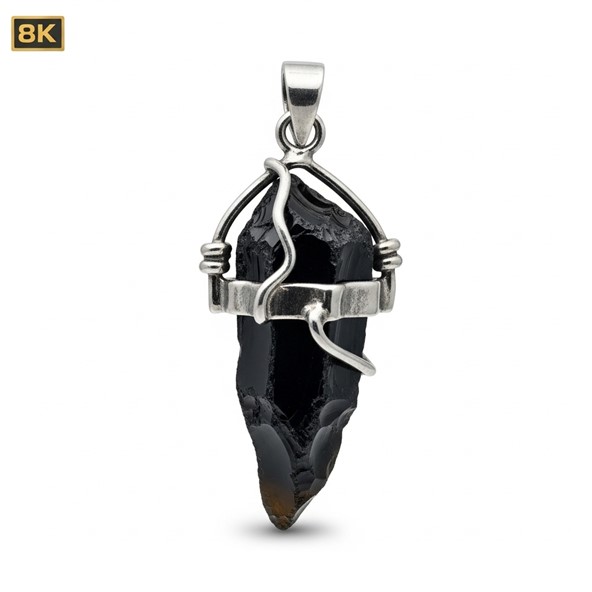
Description: This is a sharp, jagged splinter of black volcanic glass, roughly the length of a thumb. Its edges are dangerously keen, and it is housed in a small, cage-like pendant of tarnished silver to allow it to be worn without drawing blood. The surface of the obsidian does not give a clear reflection; instead, it shows a distorted, warped version of the world, swimming with oily, rainbow sheens. The shard feels unnaturally cold to the touch, a coldness that seems to leech warmth from the wearer’s own skin. When its magic is actively called upon, any semblance of a reflection vanishes, and its surface becomes a perfect, lightless void, like gazing into a starless night sky.
Stats: Suspicion +1: A minor enhancement to the avatar’s ability to discern hidden motives and question the truthfulness of statements.
Tags: Common, Tier 1, Search Magic, Betrayal, Worn, Neck, Social, Utility, Restoration, Combat, Ancient, Monster-Part, Political, Armor, Cursed, Transmutation
Passive Magics
- Resonance of Dissonance: The shard constantly tastes the truth of words spoken near it. When the wearer hears a direct lie, a carefully constructed half-truth, or a statement made with insincere intent, the shard grows noticeably colder against their skin. It does not reveal the truth, but it serves as a definite, chilling signal that what is being said is not what is truly meant.
- Eye for Exploitation: The shard subtly alters the wearer’s perception, drawing their gaze to the hidden vulnerabilities of others. It does not grant psychic knowledge, but rather enhances their normal senses to notice the small details that speak of deeper weaknesses: the slight tremor in a noble’s hand that betrays a hidden addiction, the lingering glance a guard gives his captain that speaks of unhealthy devotion, or the worn-out soles of a merchant’s boots that reveal his boasts of wealth are a lie.
Active Magics
- Glimpse the Unspoken Oath (Active): The wearer can hold the shard and focus on a single individual they can see. By channeling a small amount of magic into the shard, its surface becomes a lightless void for a moment. In that void, the wearer alone will see a fleeting, symbolic image that reveals a target’s most deeply held, and often secret, loyalty or promise. It might be an image of a lover’s face, the crest of a hidden organization, a childhood home they swore to reclaim, or a weapon they pledged to wield against a rival. This provides the wearer with a single piece of actionable leverage.
- Sow a Seed of Doubt (Active): The wearer can use this insidious power by presenting the shard so that two individuals who trust each other can see their reflections in it at the same time. The wearer then activates the shard, which shows each person a brief, warped, and misleading vision plucked from the other’s own mind. For instance, the city guard might see a vision of his trusted partner accepting a bag of coins, while the partner sees a vision of the guard secretly meeting with a rival. The visions are real images of past thoughts or desires, but they are presented out of context and twisted to imply betrayal, fracturing trust between the targets.
The Search 49 of the Shard of Broken Vows is not an item traded in the light of day. Its nature as a tool of betrayal, suspicion, and exploitation means it is bought and sold only in the shadows of society, where information and leverage are currencies as valuable as platinum.
The Information Broker’s Sanctum
This is not a shop with a sign or a front door. It is a soundproofed back room in an otherwise unremarkable establishment—a butcher shop in a crowded under-city, the attic of a dusty pawn shop, or a private office in a seedy tavern. The air here is stale, thick with paranoia and the scent of whatever business provides its cover. Access is granted only through trusted intermediaries or by using the correct sequence of coded phrases.
To purchase the shard here, one does not browse. One makes a specific request for a tool that “uncovers inconvenient truths” or “finds the cracks in a person’s loyalty.” The broker, an individual whose watchfulness borders on psychosis, will scrutinize the potential buyer, assessing their motives and means before revealing that such an item is even obtainable. The shard itself will be brought out in a lead-lined case or a velvet bag, handled as if it were poisoned. The broker will detail its powers with a grim relish, perhaps exaggerating its cursed nature to justify the exorbitant price. Payment is demanded in full, and the transaction is final.
Selling the shard to a broker is equally perilous. They will offer a fraction of its worth while trying to extract information about how the seller acquired it, filing that knowledge away for future leverage.
- Cost to Buy: The price is steep, reflecting the item’s specialized power and illicit nature. A broker would likely demand 1 Platinum, 8 Gold.
- Cost to Sell: A broker would offer no more than 9 Gold, knowing the seller is likely in distress and has no other options.
The Fence at a Black Market Nexus
In lawless port cities or hidden coves where smugglers’ airships make anchor, one can find a fence who deals in all manner of magical contraband. Their place of business is a fortified warehouse or a noisy, crowded tavern where a single discreet gesture leads to a back room. The atmosphere is chaotic and pragmatic; the fence is interested in profit, not lore.
Here, the Shard of Broken Vows is treated as just another commodity. The transaction is swift and impersonal. The fence may have a pet psychic or a low-level mage on hand to crudely verify the item’s magical properties, but they are more likely to rely on their own instincts and the seller’s reputation. The shard would be displayed alongside illegal combat enhancements, stolen alchemical formulas, and single-shot magical firearms. Haggling is expected but has its limits, as the fence always has other customers waiting.
- Cost to Buy: The price is based purely on supply and demand. The fence wants to move inventory quickly. The asking price would be around 1 Platinum, but could be negotiated down to 8 Gold and a few silver.
- Cost to Sell: A fence would offer a low, take-it-or-leave-it price, assuming the seller needs cash immediately. They would likely offer 5 Gold, or might prefer to trade for other valuable, stolen goods.
The Collector of the Cursed and Esoteric
This transaction occurs in a surprisingly opulent and private setting—a high-security study in a skyscraper penthouse, a secluded manor with magically warded grounds, or a private room in an exclusive social club. The collector is not a merchant but a wealthy and obsessed connoisseur of dark and dangerous artifacts.
One does not simply walk in; a meeting is arranged through discreet channels. The collector would be fascinated by the shard, not just for its power but for its history. The purchase or sale would be a long, elaborate conversation, possibly over rare spirits, discussing the lore of the Shattered Bowl and the shard’s journey. The collector would handle the item with reverence, using special tongs or velvet cloths. They may be reluctant to sell at all, often preferring to trade for another object of similar dark intrigue. Selling to a collector is the most profitable and safest way to offload the shard, as they value its story and authenticity.
- Cost to Buy: If a collector can be convinced to part with it, the price reflects their personal attachment. They would likely ask for 3 Platinum or a trade for an item of equivalent rarity and historical significance.
- Cost to Sell: A collector is the ideal buyer. Recognizing its unique properties and history, they would willingly pay 1 Platinum, 5 Gold, or potentially more if the seller can provide a compelling and verifiable story of its recent past.
A Back-Room Auction
In the deepest shadows of society, secret auctions are held for items too dangerous or illegal for any other market. The location changes constantly—a repurposed sewer junction, an abandoned steam factory, the opulent dining hall of a disgraced noble. Attendance is by invitation only, and guests are often masked or magically disguised.
The Shard of Broken Vows would be a featured item. An auctioneer with a flair for the dramatic would present it, detailing its treacherous origins and its power to ruin lives and topple organizations. The bidding would be tense and silent, done with hand signals or telepathic nods. The buyers are spymasters, assassins’ guild representatives, and political blackmailers. The shard’s value here is purely tactical.
- Cost to Buy: The final price is wildly unpredictable. The bidding might start at 8 Gold, but if two rival factions both desire the item’s power, the price could escalate dramatically, easily reaching 4 or 5 Platinum before the gavel falls.
- Cost to Sell: Consigning the item to an auction house is a gamble. The house takes a significant cut, but the potential for a massive payout is high. The seller has no control over the final price.
The Search 49 of the Shard of Broken Vows is a weapon for a cold and calculating mind. Its use in offense and defense is not a matter of blocking a sword or casting a fireball, but of manipulating the battlefield of intrigue, trust, and ambition. Its power is subtle, psychological, and devastatingly effective in the right hands.
In a High-Stakes Political Court or Noble’s Gala
This environment is a viper’s nest of alliances, secrets, and unspoken rivalries. Physical weapons are forbidden, but social assassination is a constant threat.
Roleplaying Defense: Defense in this arena is the act of protecting one’s reputation, secrets, and station from the plots of rivals. When a rival ambassador proposes a trade agreement that seems too good to be true, you would roleplay the interaction while focusing on the shard’s passive power. You would say, “I listen to his generous terms and smile warmly, but my attention is on the shard hanging at my chest. I feel an icy chill spread from it, a cold that has nothing to do with the room’s temperature.” This use of the Resonance of Dissonance is your defense; you now know the offer is a lie or a trap, and you can navigate accordingly without revealing how you know.
If you are publicly accused of a misdeed by a powerful courtier, you can defend yourself by using Glimpse the Unspoken Oath. You would roleplay touching the shard at your neck and focusing your will on your accuser. The GM would give you a vision—perhaps of the accuser kneeling before the sigil of a rival house. Your defense is not a denial, but a counter-attack. You would calmly state, “A bold accusation, coming from someone whose deepest vows of loyalty may not belong to this court at all.” You have defended yourself by shattering your opponent’s credibility.
Roleplaying Offense: Offense is the art of dismantling your rivals without ever drawing a blade. You can spend the evening using Eye for Exploitation, subtly observing the attendees. You would describe your actions: “My gaze drifts over the party, and the shard guides my eyes. I see the Minister of Trade’s trembling hand as he reaches for his wine, a sign of his addiction. I notice the spymaster’s lingering, fond glance at a junior officer, a clear emotional vulnerability. I am not just watching people; I am cataloging their weaknesses.” This is a passive offensive act of intelligence gathering.
For a direct offensive maneuver, you would use Sow a Seed of Doubt to break a key alliance. You might maneuver the brutish General and the arrogant Chief Engineer into a position where they can both see their reflections in your shard. You would roleplay activating its magic, causing the General to see a vision of the Engineer selling his battle plans, while the Engineer sees the General laughing at his ‘primitive’ siege engine designs. Your offensive act is the quiet poison of mistrust you’ve just injected into their faction, ensuring they will be too busy watching each other to oppose you effectively.
In a Tense Criminal Underworld Negotiation
In the back rooms of smuggling dens or at a tense meeting between rival gangs, trust is a commodity more precious and rarer than rhodium. Violence is always an option, and betrayal is expected.
Roleplaying Defense: Defense here means survival. It’s about knowing who will pull a weapon first. As you sit at the table with two other gang bosses, one might make a promise of safe passage through their territory. You would roleplay your reaction: “He shows me his teeth in what he calls a smile and speaks of our mutual profit, but the obsidian shard against my skin feels like a block of ice from a forgotten tomb. His word is worthless.” The Resonance of Dissonance has defended you by giving you precious moments to prepare for the inevitable double-cross.
If the negotiation breaks down and guns are drawn, you might defend yourself by targeting the loyalty of your primary threat. Using Glimpse the Unspoken Oath on the rival boss’s most dangerous bodyguard, you might see a vision of a sick child. Your defense is not to dodge, but to shout, “Your boss’s ambition won’t pay for your daughter’s medicine, Marco!” This unexpected, personal information can cause a fatal hesitation, saving your life.
Roleplaying Offense: Offense in the underworld is about gaining control and eliminating threats. Using Eye for Exploitation, you might notice the tell-tale signs of a rival’s weakness—the desperation in their eyes that speaks of debt, or the slight tremor that indicates a reliance on expensive and illegal stimulants. This information is your weapon.
To shatter a rival crew, you could use Sow a Seed of Doubt on the boss and their second-in-command just before a deal goes down. The boss sees a vision of their lieutenant secretly meeting with the city guard. The lieutenant sees the boss looking at a dossier with their name on it, marked for termination. When your own crew makes their move, your primary target is now a dysfunctional, paranoid mess. Your offensive action was to ensure they would destroy themselves from within.
During an Expedition into Ancient Ruins
In the depths of a ruin, the monsters and traps are not the only dangers. Your fellow adventurers have their own secrets, fears, and reasons for being there. Greed and ambition can turn allies into enemies in a heartbeat.
Roleplaying Defense: Defending yourself against your own party is a delicate matter. When the group’s scout claims a passage is a dead end, you might feel the shard’s tell-tale chill. You would roleplay this defensively: “I trust your eyes, but something feels off about that tunnel. Let’s take a moment to double-check the map together.” You use the warning from Resonance of Dissonance to protect the party’s interests from a member’s potential greed.
If you suspect a party member has a hidden agenda, you can use Glimpse the Unspoken Oath to confirm it. Seeing a vision of your quiet companion’s secret loyalty to a dragon-worshipping cult is a powerful defensive tool. You don’t have to confront them, but you now know not to trust them near any draconic artifacts, protecting the entire party from their secret mission.
Roleplaying Offense: Offense within a party is a dangerous game of gaining leverage. You might use Eye for Exploitation to notice the party’s stoic warrior flinches and grips a holy symbol whenever undead are mentioned. You now know their secret fear, a weakness you can use to manipulate them into taking—or avoiding—certain paths that better suit your own goals.
If two members of the party who have a strong bond are thwarting your plans, you can use Sow a Seed of Doubt to drive a wedge between them. After a difficult fight, you can activate the shard. The fighter sees a vision of the rogue palming a valuable gem from the treasure pile while he was busy fighting. The rogue sees the fighter looking at his gear with envy, as if calculating its worth. Their resulting arguments and mistrust make the party less cohesive, allowing you to assume a greater leadership role and steer the expedition toward your own objectives.
Perception of Activation:
Sight (Vision)
- User’s Perspective: You stare into the shard’s polished surface, at the distorted, oily reflection of the world. As you focus your will, the reflection does not fade; it is violently consumed. The surface becomes a perfect, lightless void, a tiny patch of anti-light that seems to absorb all energy and hope. It is like staring into a hole in the fabric of reality itself. If you are scrying for a hidden oath, a fleeting, silvery-white image will crystallize within that void for a scant second—a face, a symbol, a place—before dissolving back into nothingness.
- Observer’s Perspective: An observer sees you staring intently at the dark pendant. If they are close, they will see its surface abruptly change. It ceases to reflect anything, becoming a patch of pure, impossible blackness that seems to have a terrifying depth. They cannot see the vision you see, but the sight of the void itself is deeply unnerving.
- Positives: The visual cue is unambiguous; there is no question the magic is working. The effect is intimidating and can lend a terrifying gravity to your words and actions if an observer witnesses it.
- Negatives: The effect is overtly magical and sinister. It completely breaks stealth and will immediately identify you as a user of questionable magic. The sight of the void can cause fear or hostility in onlookers.
Hearing (Audition)
- User’s Aerspective: The moment of activation is marked by a sound that exists only inside your head. It is the sharp, crystalline sound of a promise shattering—like a thin sheet of ice cracking under immense pressure. The sound is startling and sharp. When you receive a vision, it is accompanied by a single, sibilant whisper that seems to emanate from the void, speaking the core of the truth you have uncovered, such as “Revenge,” “Debt,” or “Family.”
- Observer’s Perspective: An observer hears nothing. The item remains perfectly silent. However, they may see you flinch or your jaw tighten, as if reacting to a sudden, painful noise that they cannot perceive.
- Positives: The information conveyed by the whisper is for you alone, a secret stolen from the world.
- Negatives: The psychic sound is jarring and can break your concentration on your physical surroundings. Your involuntary reaction can signal to a keen observer that you are actively using a power.
Touch (Somatosensation)
- User’s Perspective: The shard’s signature unnatural cold intensifies into a piercing, parasitic chill. It is not the clean cold of winter, but a dead, draining coldness that sinks deep into your flesh. It feels as though the shard is actively leeching the warmth and vitality from your body to fuel its power. The sensation is deeply unpleasant and invasive.
- Observer’s Perspective: An observer would perceive nothing unless they were to make physical contact with you near the pendant. A hand on your shoulder or chest would recoil from the shocking, unnatural cold emanating from the shard, a cold that defies the ambient temperature.
- Positives: The intense physical sensation serves as a powerful, visceral confirmation that the item’s magic is at your command.
- Negatives: The feeling is physically draining and borders on painful. Frequent use leaves a lingering chill in the bones and a sense of deep exhaustion. The cold is an instant giveaway if you are touched.
Smell (Olfaction)
- User’s Perspective: A faint, sharp scent accompanies the activation. It is the sterile odor of a long-sealed tomb, of dust and cold stone, mixed with the faint, metallic tang of old, dried blood. It is the scent of secrets and things left to decay in the dark.
- Observer’s Perspective: The scent is too faint and localized to be detected by a casual observer. Only someone extremely close might catch a brief, strange whiff of something cold and metallic.
- Positives: The unique scent profile adds to the item’s sinister character for you, the user.
- Negatives: The aroma is deeply unsettling, associated with decay and violence, making the use of the shard a fundamentally unpleasant sensory experience.
Taste (Gustation)
- User’s Perspective: A sympathetic taste floods the back of your throat. It is the acrid, metallic bitterness of a tarnished silver coin, mixed with the dry, foul taste of ash. It is the flavor of broken promises and burnt bridges.
- Observer’s Perspective: There is nothing to perceive.
- Positives: Serves as another layer of confirmation that the item’s dark magic is flowing.
- Negatives: The taste is foul and can be distracting. It is a purely negative sensory side effect of wielding the shard’s power.
Extra-Sensory: Empathic Perception
- User’s Perspective: Activating the shard feels like plunging your soul into ice. Your own emotions are instantly numbed and suppressed, replaced by a profound sense of cold, analytical cynicism. You do not feel the emotions of others as they do; you perceive their feelings as structural weaknesses, as hairline fractures in their armor of composure. Fear, love, greed, and loyalty become mere data points for you to exploit.
- Observer’s Perspective: A perceptive onlooker would see a chilling transformation. Any warmth in your eyes vanishes, replaced by a flat, predatory focus. Your posture might become subtly more rigid, your expression unreadable but intensely analytical. You cease to look like a person interacting and begin to look like a hunter studying its prey.
- Positives: This emotional detachment is a powerful tool. It allows you to make ruthless decisions without the burden of empathy or compassion, making you brutally effective at manipulation.
- Negatives: This is the shard’s true curse. Each use erodes your own capacity for genuine emotion. Over time, it can permanently alter your personality, making trust and affection impossible, leaving you isolated in a world of perceived weaknesses and potential betrayals.
Extra-Sensory: Magical Perception
- User’s Perspective: You feel your own magical essence being torn away, not flowing smoothly, but being ripped from you in jagged pieces to feed the shard. You perceive the item’s aura not as a light, but as a wound in the fabric of magic itself—a spinning vortex of negative energy that consumes and nullifies everything it touches.
- Observer’s Perspective: To another magic user, your activation of the shard is a horrific event. They would see your personal aura flicker and fray as it is violently drained. The shard itself would appear as a terrifying magical void, an unmistakable signature of dangerous, cursed, and consumptive magic.
- Positives: The effect is undeniably powerful and projects an aura of extreme menace. No magically aware creature would underestimate the danger you represent.
- Negatives: This is the magical equivalent of a screaming siren. It broadcasts to any being with magical senses that you are wielding a forbidden and malevolent artifact, likely drawing immediate and hostile attention from magical guardians, good-aligned entities, or even more powerful dark beings who see you as a rival.
Recipe: Shard of False Witness
This ritualistic crafting process details the creation of a magical focus designed to exploit the fissures in trust and loyalty. It is an act of deliberate corruption, binding the concepts of deceit and broken faith into a physical form.
Materials Needed:
- One Heart of Obsidian: A flawless, fist-sized piece of black volcanic glass, free of any natural cracks or inclusions. It must be a “virgin” stone, never before used in any magical working.
- One Forged Document of State: A skillfully forged letter, treaty, or deed, containing a believable but fundamentally false declaration that would cause significant strife if believed. The quality of the forgery must be exceptional.
- A Silver Setting: Enough raw silver to create a pendant cage, preferably salvaged from a coin given as a false payment or a gift given with insincere intent.
- Three Drops of Crocodile Tears: The preserved, alchemically treated tears of a creature that feigns emotion. These are used as a catalyst for imbuing false sentiment.
- The Crafter’s Betrayal: A genuine, deeply held secret entrusted to the crafter by another living person. This is the most crucial and costly component.
Tools Required:
- Lapidary’s Hammer and Diamond-Tipped Chisels: For precisely fracturing and shaping the obsidian.
- Silversmith’s Tongs and Pliers: For twisting the silver into a cage without heat, as heat would purify the metal’s tainted history.
- A Mortar and Pestle: For grinding components into a fine powder.
- An Isolated Workspace: A place where a scream would not be heard and where emotional energy can be focused without external contamination.
Skill Requirements:
- Expert Level Skill in Lapidary or Jewelcrafting: The crafter must be able to shatter a stone along a desired line with a single, perfect strike.
- Basic Skill in Alchemy: Required for the handling and application of the Crocodile Tears.
- Innate or Trained Magical Ability: The crafter must be able to channel their will and focus complex, negative concepts into a physical object. A background in illusion or mind-affecting magic is highly beneficial.
Crafting Steps:
- The Inscription of Lies: The crafter takes the forged document and, using the pestle and mortar, grinds it into a fine, black ash. This ash is then mixed with the three drops of Crocodile Tears to form a thin, oily paste. The crafter uses a fine brush to paint this paste onto the surface of the obsidian heart, letting the lies physically soak into the stone.
- The Shattering: This step is the physical climax of the crafting. The crafter must place the obsidian heart on a hard surface. They must then bring to mind the secret they intend to betray—not just the words, but the feeling of being trusted, the weight of the confidence. Holding that feeling of imminent betrayal at the forefront of their mind, they must strike the obsidian once with the lapidary’s hammer. The intent is not to smash it, but to use the focused psychic schism of the betrayal to fracture the stone. If performed correctly, a single, sharp-edged shard will break away, imbued with the energy of the act.
- The Cold Caging: The shard is now magically potent and dangerous to handle. Using the silversmith’s tools, the crafter must work the tainted silver, twisting it into a cage-like pendant that securely holds the shard. The silver must be worked cold; any heat will ruin the subtle vibrations of deceit it carries. This process should be slow and deliberate, a “prison” for the shard’s power.
- The Whispered Vow: This is the final and most damning step. The crafter holds the completed pendant and whispers the entrusted secret into the shard, speaking it aloud for the first and only time. This act “feeds” the secret to the shard, fully awakening its powers. The shard will grow unnaturally cold, and the whispered words will be consumed, leaving an eerie silence in their wake. The secret is now gone from the crafter’s mind, stored as pure magical potential within the Shard of False Witness. The item is complete, and the crafter is now a betrayer.
Weight of a King’s Trust
What is written here is but a translation, taken from scrolls of pressed river-reeds, which themselves spoke of a story told in a language of forgotten sigils.
It is said that in the time before the Great Disappearance, there was a king named Valerius, whose reign was so just that the people called him the Golden. His trust in his subjects was absolute, and their loyalty to him was the foundation of the kingdom. Nigh unto him in all matters was his seer, Malachi, a man called the King’s Eye, for his vision was clear and his counsel was true. Between them was a bond of trust so perfect, it was said to have a weight and substance of its own.
As a gift, Valerius gave to Malachi a scrying bowl, carved from a single, flawless heart of obsidian. It was called the Mirror of Truths, and by its power, Malachi could seek out the subtle poisons of deceit and conspiracy that might afflict the realm. For many years, the Mirror showed them only the loyalty of their people, and the kingdom flourished.
But one night, under a sky of ill omens, Malachi performed the scrying rite to ensure the continued peace. He asked the Mirror to show him the greatest threat to the Golden King’s reign. The obsidian swirled, and in its depths, it showed him a vision not of a foreign army or a traitorous duke, but of King Valerius himself, decades hence, his face twisted by a terrible madness, striking down his own kin in a fit of paranoia to secure his legacy. The Mirror showed not what was, but the terrible seed of what could be.
And here, Malachi’s wisdom failed him. He saw the shadow the king might one day cast and mistook it for the man who stood in the light. In his heart, his loyalty to the idea of the kingdom betrayed his loyalty to the king. He believed he had to save the people from a future that had not yet been forged.
He knew the court would never believe the vision, for they loved their king. And so, Malachi committed a second, darker betrayal. He used his power to weave a new vision in the Mirror—a lie. He summoned the royal council and showed them a clear image of King Valerius meeting with foreign spies, selling secrets for power. The lie was simple, believable, and it broke the heart of the court.
Valerius the Golden was deposed, his word now ash against the seer’s “truth.” As he was led from his throne room in chains, he passed the man he had called brother. Valerius did not rage. His eyes were filled with a terrible, quiet clarity. He looked past Malachi to the Mirror of Truths resting on its pedestal, the symbol of their shattered bond. With a cry not of anger, but of a soul’s final, agonizing grief, he lunged, and with his chained hands, he struck the obsidian bowl.
It did not merely break. It exploded, the magic of the two great betrayals—the seer’s lie and the king’s broken trust—imbuing every razor-sharp fragment with a measure of its awful power. Each shard now carried the cold ability not to find truth, but to find the cracks in it, to seek out the weaknesses in loyalty, and to show the holder the terrible shadows that all people might one day cast.
The Moral of the Story: For a lie spoken to prevent a future evil forges a present one, and the shards of a broken truth are sharper than any sword.
Suggested conversions to other systems:
Call of Cthulhu, 7th Edition
High-Level Overview: This item is perfectly at home in the bleak, sanity-shattering world of Call of Cthulhu. It is not a tool for heroes but a cursed artifact that offers the power to uncover the sordid secrets that bind humanity, at the cost of the Investigator’s own mental fortitude. Using the shard accelerates an Investigator’s journey toward paranoia and nihilism, forcing them to see the potential for betrayal in everyone, confirming the Mythos’s core tenet that all human bonds are meaningless in the face of cosmic truth.
Shard of the Shattered Oath
A shard of jet-black obsidian, housed in a tarnished silver pendant that does little to guard against its dangerously sharp edges. The item is unnaturally cold and seems to absorb the light and warmth of any room it is in.
- Whispers of Doubt: The holder becomes preternaturally gifted at sensing deception. You gain one bonus die on all Psychology rolls. This insight comes at a price; your mind is now wired to seek betrayal everywhere. You suffer one penalty die on all Charm rolls, as you can no longer feign genuine trust.
- Glimpse the Crack in the Soul: By focusing on a target and spending 1 Magic Point, you can make a POW x 5 roll. On a success, you receive a fleeting, nightmarish vision of the target’s greatest weakness, a hidden loyalty, or a secret shame. Using this intimate knowledge to successfully manipulate the target is a deeply transgressive act and costs the Investigator 1/1d4 Sanity points.
- Sow Irreparable Discord: As a significant magical act, you can spend 1d4 Sanity points and 2 Magic Points while showing the shard’s reflection to two people who trust one another. The shard projects a targeted, convincing illusion of betrayal into each of their minds. Both targets must make a Hard POW roll to disbelieve the vision. If either fails, their trust is permanently broken. Forcing such a psychic schism upon others costs the Investigator an additional 0/1d3 Sanity points for witnessing the event.
Blades in the Dark
High-Level Overview: In the haunted, treacherous city of Duskvol, the Shard of Broken Vows is a high-risk, high-reward artifact. Trust is the rarest currency, making an item that can detect and manipulate it invaluable for any crew of scoundrels, particularly Spiders or Shadows. It is a tool for dismantling rival factions from the inside, gathering blackmail, and testing the loyalty of contacts. Its power is subtle, fitting perfectly with the game’s focus on intrigue, espionage, and crime.
The Liar’s Shard A sliver of obsidian held in a tarnished silver cage. It is always cold and shows you the ugliest, most useful truths about a person’s soul.
Tier: I Item Type: Artifact
- Game Mechanics:
- When you Sway or Command someone by using leverage (a secret you know, a weakness you’ve spotted), you gain +1d to your roll as the shard guides you in twisting the knife.
- When you Consort to discover a person’s secrets or a faction’s internal rivalries, you achieve +1 effect.
- Special Abilities:
- Find the Fracture: When you are trying to find a specific point of leverage against a target, you can suffer 2 Stress and ask the GM: “What is their most exploitable secret?” The GM will give you a direct, actionable answer.
- Shatter Alliance: You can use the shard to target the bond between two NPCs or an NPC and their faction. Describe how you use the shard’s power to introduce doubt. This creates a 4-segment clock titled “Their Trust is Broken.” You and your crew gain Potency on any future actions taken to fill this clock.
- Quirk: The shard makes you paranoid and self-reliant. You cannot use or benefit from the protect teamwork maneuver. Your instinct is always to save yourself first.
Dungeons & Dragons, 5th Edition
High-Level Overview: In Dungeons & Dragons, this item would be a Wondrous Item, likely cursed, making it a powerful but dangerous tool for any character in a campaign heavy with social intrigue. It’s perfect for a rogue, bard, or warlock who walks a morally grey path. While its abilities offer significant advantages in gathering information and manipulation, its curse ensures that this power comes at a tangible social cost, isolating the user from the very people they seek to understand.
Shard of Broken Vows Wondrous item, common (requires attunement)
This jagged splinter of black volcanic glass is held in a tarnished silver cage on a leather cord. It feels unnaturally cold to the touch and seems to whisper doubts and cynical observations into the mind of its wearer.
- Abilities:
- While attuned to the shard, you have advantage on Wisdom (Insight) checks.
- You gain the ability to cast the vicious mockery cantrip. The save DC for this cantrip is 13.
- Glimpse of Betrayal. As an action, you can focus on one creature you can see within 30 feet. The target must succeed on a DC 13 Charisma saving throw or you magically learn one of its significant secret loyalties or hidden fears (DM’s choice). Once you use this property, it can’t be used again until the next dawn.
- Curse. This item is cursed. Attuning to it curses you until you are targeted by the remove curse spell or similar magic. While cursed, you have disadvantage on all Charisma (Persuasion) and Charisma (Deception) checks. A palpable aura of cynicism and suspicion surrounds you, making genuine connection and believable lies equally difficult.
Knave, 2nd Edition
High-Level Overview: In Knave’s gritty, inventory-focused system, the shard is a relic—a dangerous tool with clear, potent abilities. Its use is risky, fitting the game’s design philosophy where magic is powerful but unpredictable and often carries a cost. The shard is a perfect item for a clever player who wants to solve problems through manipulation and knowledge rather than brute force, but who is willing to risk psychic feedback or social alienation to do so.
Betrayer’s Shard Slots: 1 Description: A razor-sharp sliver of obsidian wrapped in tarnished silver wire. It is unnaturally cold and, if you hold it to your ear, you can hear it whispering insults.
- Relic: This item holds two magical powers. To activate a power, the wielder must pass a WIS check. On a failure, they are wracked with paranoia and gain the Stressed condition (disadvantage on all rolls) until they are able to rest.
- Powers:
- Uncover Weakness: You focus on a target you can see. You learn one of their exploitable secrets—a hidden fear, a secret love, a shameful past act. The GM states the secret plainly. You have advantage on your next social action against the target if you use this secret as leverage.
- Sow Discord: You present the shard to two NPCs who trust each other. Both must make a successful saving throw. If both fail, their bond of trust is permanently broken, and they become hostile to one another. If only one fails, they become suspicious and will no longer aid the other. If both succeed, they understand your malicious intent and both become hostile to you.
- Quirk: The shard erodes your ability to trust others. You cannot benefit from the Help action from another character. You will always instinctively refuse the assistance, assuming it comes with strings attached.
Fate Core System
High-Level Overview: In Fate, items are narrative tools defined as Extras. The Shard of Broken Vows is not a piece of gear with a static bonus; it is a story engine. It grants the character new permissions to influence the narrative by discovering secrets and creating conflict, while also serving as a source of compelling complications. It is perfect for a character whose story revolves around intrigue, secrets, and questionable methods.
The Shard of Broken Vows (Extra)
This artifact provides the character with the following aspects and stunts.
Aspects:
- A Sliver of Truth Used for a Mountain of Lies: This is the item’s high concept. You can invoke it when using a piece of real information to construct a devastatingly effective lie or to justify a cynical action.
- Trust is a Flaw to be Exploited: This is the shard’s curse and primary compel. The GM can compel this aspect to make you instinctively betray a confidence, miss an opportunity for genuine connection, or act with overt paranoia at an inconvenient time, earning you a Fate Point.
Stunts:
- Glimpse of Leverage: When you are trying to find a weakness in a person or their organization, you can spend a Fate Point. Ask the GM for their most exploitable secret—be it a hidden loyalty, a deep-seated fear, or a past crime. The GM will define this secret as a new Situation Aspect (e.g., Secretly Indebted to the Guild) with one free invocation for you to use.
- Sow the Seeds of Paranoia: Once per session, when you take an action to drive a wedge between two characters who trust each other, you may use the shard’s power. Instead of rolling, you automatically succeed with style on a Deceive check to Create an Advantage, placing the aspect Mutual Suspicion on the scene with two free invocations.
Numenera & Cypher System
High-Level Overview: In the Ninth World or any Cypher System setting, the shard is a piece of the numenera—an artifact of incomprehensible technology from a prior world. It is not “magic” or “cursed” in the traditional sense. It is a psycho-analytic device that likely operates by scanning brainwave patterns, reading micro-expressions, or perhaps even sampling genetic material to extrapolate psychological vulnerabilities. Its negative effects are simply design flaws or functions that are dangerous to a less advanced biological or psychological system like a human’s.
Psycho-Analytic Shard
Level: 5 (The difficulty to resist its effects, identify its function, or repair it) Form: A splinter of black, glassy synth-material held in a cage of tarnished, lightweight metal alloy. It feels cold and inert until it is within short range of a thinking creature, at which point it begins to vibrate faintly. Effect:
- Passive: The wearer finds all tasks involving intimidation, interrogation, and discerning lies are eased (the difficulty is reduced by one step).
- Active 1 (Vulnerability Scan): The user can concentrate (an action) to scan a target within short range. This is an Intellect-based attack. If successful, the user’s mind is flooded with information about the target’s primary psychological weakness (a phobia, a hidden loyalty, a defining past trauma, etc.).
- Active 2 (Discord Wave): The user can present the shard to two targets within immediate range who have a positive bond. This is an Intellect-based attack against both targets. If one target fails their Intellect defense task, they are implanted with a powerful, false memory of the other’s betrayal. If both fail, the delusion is mutual and their bond is shattered, likely turning them against one another. Depletion: 1 in 1d20 (When an active ability is used, roll a d20. On a 1, the shard’s internal power cell overloads and it becomes a mundane, inert object).
Pathfinder, 2nd Edition
High-Level Overview: In the detailed, tactical world of Pathfinder, the shard is a specific type of worn magic item. Its abilities are clearly defined, interacting with the system’s action economy, skill checks, and saving throws. It is best suited for a character who engages in espionage and social manipulation. Its cursed nature provides a clear mechanical downside to balance its potent abilities, making the choice to use it a meaningful one.
Shard of Broken Vows — Item 3 Traits: Common, Cursed, Divination, Invested, Magical, Mental Price: 60 gp Usage: Worn pendant; Bulk: —
Description This jagged shard of obsidian is held in a tarnished silver cage. It feels unnaturally cold and seems to whisper cynical doubts into your mind. You must invest the item to benefit from its abilities, which also activates its curse.
Abilities
- Passive: You gain a +1 item bonus to Deception checks to Lie and on Perception checks to Sense Motive.
- Activation [two-actions] (concentrate, manipulate) Frequency once per day Effect You focus on one target creature you can see within 30 feet. That creature must attempt a DC 17 Will save.
- Critical Success The target is unaffected and knows you tried to use magic on them.
- Success The target is unaffected.
- Failure You learn one of the target’s major weaknesses—a significant fear, a hidden loyalty, or a secret shame that could be used as leverage against them.
- Critical Failure You learn one such weakness, and you gain a +2 circumstance bonus to your next Intimidation or Deception check against the target before the end of your next turn.
Curse: The shard’s cynical nature infects you. You take a –1 item penalty to all Diplomacy checks. You cannot willingly accept the Aid reaction from another creature, as you instinctively question their motives.
Savage Worlds Adventure Edition
High-Level Overview: Savage Worlds prizes speed and straightforward mechanics. The Shard of Broken Vows would be an Arcane Item that provides clear, easy-to-adjudicate bonuses and abilities. It supports a character who wants to be a master manipulator or social antagonist, giving them an edge in social conflicts and information gathering without slowing down the game. Its downside is more narrative, nudging the character’s personality toward paranoia.
The Betrayer’s Shard Description: A sharp obsidian splinter in a tarnished silver pendant. It feels cold to the touch and seems to amplify feelings of doubt and suspicion in the wearer. Rules:
- Cynic’s Eye: The wearer gains a +1 bonus to Intimidation rolls and to Opposed Tests when resisting Persuasion.
- Uncover Weakness: As an action, the wearer can make a Smarts roll at –2 against a target they are interacting with. On a success, they learn a minor secret or fear about the target. On a raise, they learn a major secret that can be used to gain The Drop on the target in the next social interaction.
- Sow Discord: Once per session, the wearer can target two NPCs who are allies. The wearer makes a Smarts roll. On a success, the two NPCs suffer a –2 penalty on any cooperative rolls they attempt for the rest of the scene. On a raise, they will refuse to cooperate with each other entirely for the rest of the scene.
- Whispers of Doubt (Hindrance): This is an Arcane Item. Its constant influence is corrupting. After any session in which the wearer used its powers, they must make a Spirit roll. On a failure, they become more paranoid and distrustful, and the GM may suggest they gain the Suspicious (Minor) Hindrance, or upgrade it to Major if they already have it.
Shadowrun, 6th World
High-Level Overview: In the morally ambiguous Sixth World, where loyalty is a commodity and betrayal is a business strategy, the Shard of Broken Vows would be a coveted tool for any shadowrunner involved in social engineering. It would be a powerful magical focus, enabling a user to peel back the layers of corporate lies and street-level deceit. Its curse is not supernatural damnation but a psychological toll, amplifying the inherent paranoia of the setting until the user can no longer distinguish between prudent caution and debilitating suspicion.
Judas Shard Focus
This is a bonded magical focus that attunes the user to the subtle energies of deceit and emotional vulnerability, granting them an edge in the constant war of information and manipulation.
Type: Manipulation Focus Rating: 3 Availability: 12R Cost: 15,000 Nuyen Bonding Cost: 3 Karma
Description: An artfully cut shard of optical-grade obsidian set in a modern, minimalist pendant of tarnished silver. It seems to subtly distort light around its edges and feels unnaturally cold, even through clothing.
- Game Effect: A magician bonded to this focus may add its Rating (3) as a dice pool bonus to any Manipulation spells that are based on exploiting or creating negative emotional states, such as Agony, Confusion, Control Emotions, or Mind Probe. When used with the Mind Probe spell, the focus grants an intuitive understanding of the target’s most significant betrayals or fears, allowing the magician to ask more pointed and effective questions.
- Psychological Toll: The focus attunes the user to the world’s treachery. After any run where the focus was used to exploit a secret or betray a trust, the user must make a Composure (3) test. On a failure, they gain the Paranoia (Mild) negative quality for one week, suffering a -1 dice pool penalty on all Teamwork tests as they begin to instinctively distrust their own crew.
Starfinder
High-Level Overview: In the science-fantasy universe of Starfinder, the Shard would be a piece of alien magitech, a relic from a civilization that destroyed itself through internal conflict. It functions as a powerful psychological warfare tool, blending psychic magic with data analysis. It is an item for spies, crime lords, and shadowy diplomats who believe that information is the sharpest weapon.
Shard of Xylos Level 4; Price 2,200 credits; Bulk L Type Hybrid Item; Armor Slots —; Hands —
Description This splinter of a non-eucilidean, psycho-reactive crystal is housed in a tarnished silver chassis that features a universal data port. The crystal’s surface shows oily, distorted reflections until it is activated.
- Abilities:
- Passive: The wearer gains a +2 insight bonus to Bluff and Intimidate checks.
- Exploit Vulnerability (Active): Once per day as a standard action, you can target one creature you can see within 30 feet. The target must succeed at a DC 18 Will save or you learn its greatest fear or a significant secret loyalty. If the shard is connected to a datapad you own, this information is downloaded as an encrypted file.
- Fracture Alliance (Active): Once per day as a full action, you can target two creatures within 30 feet of you that are friendly to each other. Both targets must succeed at a DC 18 Will save or become convinced of the other’s treacherous intent. For the next 10 minutes, they are treated as unfriendly to one another and cannot use the Aid Another action to help each other.
- System Corruption (Curse): The shard’s cynical logic is infectious. The wearer suffers a –2 penalty to all Diplomacy checks and cannot willingly offer or accept aid from another creature.
Traveller (Mongoose 2nd Edition)
High-Level Overview: In the hard sci-fi setting of Traveller, the Shard is not magical but a terrifyingly advanced piece of psionic technology, likely an artifact of the Ancients. It is a tool of pure information warfare, capable of extracting secrets and destroying relationships with surgical precision. Such a device would be classified as “black tech,” highly illegal in the Third Imperium and relentlessly sought after by intelligence agencies, corporate entities, and the Zhodani Consulate.
Psychological Fracture Device (PFD) Tech Level: 17 (Ancient/Forbidden) Mass: 0.2 kg; Value: Cr 1,000,000+ (Illegal Artifact)
Description: A handheld device shaped like a shard of black, non-reflective material housed in a metallic casing. It has no visible controls and interfaces directly with the user’s mind when held.
Game Mechanics:
- Prerequisite: The device can only be activated by a character with the Psion trait. A non-psion attempting to use it must make a Formidable (12+) INT check, suffering 2d6 radiation damage on a failure as the device’s power source leaks.
- Primary Function (Leverage Extraction): The user can make a Psionics (Telepathy) check against a target within 10 meters. If successful, the user extracts a key piece of exploitable data—a secret, a passcode, a hidden loyalty, or a deep-seated fear. The Effect of the roll determines the significance of the secret learned.
- Secondary Function (Trust Collapse): Once per day, the user can target two individuals who trust each other. This requires a Difficult (10+) Psionics (Telepathy) check. If successful, the device projects a subliminal psychic broadcast that corrupts the non-verbal and pheromonal cues between the targets, making them perceive each other as hostile and untrustworthy. They must make a Difficult (10+) WILL check or their relationship is damaged, imposing a -2 DM on all social checks between them until they can reconcile.
- Mental Erosion: Each use of the device’s active functions requires the user to make an Average (8+) WILL check. Failure results in the user temporarily gaining a paranoid or antisocial personality quirk for the remainder of the day.
Warhammer Fantasy Roleplay, 4th Edition
High-Level Overview: The Shard of Broken Vows is an item perfectly suited to the grim and perilous Old World. It is an artifact steeped in corrupting magic, a siren that promises power over others while damning the user’s soul. Its use is a quick path to gaining Corruption, attracting the unwelcome gaze of the Ruinous Powers, and becoming the very type of untrustworthy schemer it helps to reveal. It is a tool for ambitious nobles, desperate spies, and those who have already started down the path of damnation.
The Betrayer’s Shard Enc: 0 Price: Unsalable in any open market Availability: Unique Description: A splinter of purest obsidian that seems to drink the light, held in a cage of tarnished silver. It is unnaturally cold to the touch and whispers temptations of power to its owner, offering shortcuts to achieving their goals through deceit.
Properties: Cursed, Magical
- Effects:
- A Glimmer of Lies: You are attuned to deceit. You gain a +10 bonus to all Intuition Tests made to determine if a person is lying to you.
- The Spy’s Advantage: Once per day, you may focus on one person. Make a Hard (–20) Perception Test. If you succeed, you learn one of their Minor psychological weaknesses (they are terrified of disease, they are secretly in debt, they despise their superior). You may add a +20 bonus to your next Intimidate or Gossip Test against them if you use this information.
- Curse of the Architect of Fate: This artifact is tainted by the power of Tzeentch, the Chaos God of plots and lies. Every time you use the Spy’s Advantage ability, you must make an Average (+20) Cool Test or gain 1 Corruption Point. If you ever fumble this Test, the GM should grant you a new Minor Mutation as a “gift” from the Changer of Ways. Furthermore, you can never truly trust an ally. You may not spend Fortune Points to add dice to or re-roll any Test that directly aids another member of your party.
Comments
One response to “Search 49 of the Shard of Broken Vows”
[…] Reference: Search 49 of the Shard of Broken Vows […]