
Original Life Forms
- Class Mammalia: Star-nosed Mole (Condylura cristata)
- Class Reptilia: Gaboon Viper (Bitis gabonica)
- Class Arachnida: Trapdoor Spider (Ctenizidae family)
- Class Agnatha: Lamprey (Petromyzontiformes order)
Appearance: The Ctenizon Bitiscondylus is a deeply unsettling subterranean predator. Its body is long, thick, and serpentine, measuring five to six feet in length, lacking any discernible limbs except for a pair of short, powerful, mole-like forelimbs near the front, armed with thick claws for digging. Its entire body is covered in a soft, velvety skin that bears the stunningly intricate, geometric camouflage pattern of a Gaboon viper, allowing it to blend in perfectly with leaf litter and forest detritus. The creature has no visible head or eyes in the traditional sense. Instead, its “face” is the fleshy, star-shaped sensory appendage of a star-nosed mole, a horrifyingly beautiful and complex organ that constantly twitches and touches the environment. When it attacks, the center of this fleshy star opens to reveal its true mouth: a round, jawless, suction-cup-like maw of a lamprey, filled with concentric rings of hooked teeth. From within this nightmarish mouth, two exceptionally long, needle-sharp fangs, like those of a viper, can be extended to inject venom.
Size: While long, the creature is not massive. It typically measures 5 to 6 feet in length and is about as thick as a strong avatar’s thigh, weighing around 60 to 70 pounds.
Speed: On the surface, the Ctenizon Bitiscondylus is unnervingly slow, moving with a strange, undulating crawl. Its true speed is revealed underground. It is an exceptionally fast and efficient burrower, able to move through soil, loam, and peat with surprising swiftness.
Stat Modifiers
- Extreme bonus to perception checks related to touch, tremors, and vibration.
- Significant penalty to perception checks related to sight.
- High bonus to skills related to stealth and hiding, especially when underground or concealed by its trapdoor.
- Its bite attack inflicts a potent venom that deals damage over time and prevents blood from clotting.
- Low natural armor/defense; it relies entirely on ambush and not being seen.
Skills
- Burrowing: A master of excavation, capable of creating complex tunnels and concealed lairs.
- Ambush: Its entire life cycle is built around the perfect ambush.
- Vibration Sense: It can feel the precise location, size, and speed of creatures on the surface above by pressing its star-nose against the earth of its burrow.
- Trap Crafting: It spins a tough, sticky silk to construct the hinge and lip of its trapdoor, which it then perfectly camouflages with local soil and debris.
Behavior: This is a patient, solitary, subterranean ambush predator. It spends almost its entire life underground in a silk-lined burrow. The entrance to its burrow is sealed with a masterfully camouflaged trapdoor. From the edges of this door, it lays out nearly invisible silk tripwires that radiate outwards. The creature then waits, pressing its star-shaped nose to the ceiling of its lair, feeling for the slightest vibration from the tripwires. When prey of a suitable size disturbs a wire, the Ctenizon Bitiscondylus explodes from its trapdoor, latches on with its suction-cup mouth, and injects a potent hemotoxic venom with its fangs. It will often attempt to drag its prey back down into its burrow to feed.
Diet: The creature is a sanguivore, feeding primarily on the blood and other bodily fluids of its prey. The venom it injects contains powerful anticoagulants and enzymes that begin to break down the victim’s tissues externally. After draining its victim, it leaves behind a pale, desiccated husk. It preys on any creature that walks the forest floor, from large animals to unsuspecting avatars.
Emotions: The Ctenizon Bitiscondylus is essentially emotionless. It is a creature of pure, patient instinct. It does not feel anger, fear, or malice. Its existence is a silent, focused wait, punctuated by moments of swift, predatory violence. Its only driving forces are the need to feed and the instinct to remain hidden.
Environment Where Found: It is found exclusively in regions with deep, soft soil and significant ground cover, such as old-growth forests, peat bogs, and dense, temperate jungles. It cannot survive in rocky, sandy, or shallow-soiled environments where it cannot properly construct its subterranean lair.
Tags: Feral, Predator, Subterranean, Ambush, Venomous, Sanguivore, Trap-Door, Magical Beast, Vibration Sense, Serpentine, Eyeless, Trapper, Silk, Siphon, Hemorrhagic, Patient, Forest Floor
Age: The lifespan of a Ctenizon Bitiscondylus is largely unknown, as they are rarely observed, but it is believed to be exceptionally long, perhaps exceeding a century. Their life stages are marked by the size and complexity of their lairs.
- Hatchling (Year 1): Barely a foot long, hatchlings are extremely vulnerable and spend their first year in a shared burrow. They do not hunt but feed on the already-drained carcasses brought back by their parent.
- Juvenile (Years 2-10): Having left the nest, a juvenile is about two to three feet long. Its venom is potent, but it lacks the strength to take down large prey. It hunts smaller animals and learns to perfect its trapdoor construction. Many do not survive this stage.
- Adult (Years 11-70): At its full size of five to six feet, an adult has mastered its hunting technique. Its territory is well-established, with a primary lair and several smaller, temporary burrows. It is a confident and patient predator.
- Ancient (Year 71+): An ancient specimen is a true master of its domain. Its territory might cover a square mile, interconnected by a complex network of tunnels. Its camouflage is flawless, its patience infinite, and its venom is rumored to have developed even more terrifying magical properties. The silk from its tripwires is thicker and strangely resilient.
Tactics: The creature’s tactics are ruthlessly efficient, patient, and entirely focused on its unique method of ambush.
- Territory Preparation: The Ctenizon does not simply wander. It meticulously prepares its hunting ground, creating a primary silk-lined burrow with a masterfully camouflaged trapdoor. It then spends days laying out a web of nearly invisible silk tripwires that radiate from the entrance, sometimes for up to fifty feet.
- Vibratory Detection: After its preparations, the creature enters a state of waiting. It retreats just below its trapdoor, pressing its star-shaped sensory organ against the soil. Through this organ, it feels the slightest vibration transmitted through the silk tripwires, allowing it to know the precise location, size, and even the number of legs of the creature disturbing its web.
- The Ambush: It does not attack all prey. It waits for a creature of a suitable size to come to a stop near its trapdoor. In a single, explosive movement, it bursts from the ground, already lunging. Its goal is to latch on with its lamprey-like mouth and deliver its venomous bite before the target can react.
- Subterranean Drag: Whenever possible, the creature will use its immense strength to drag its paralyzed or dying victim down into its burrow. This protects its meal from scavengers and hides all evidence of the attack from the surface world.
Actions
- Hemorrhagic Bite: A single, latching melee attack. The lamprey-like mouth creates a powerful suction while the viper fangs inject a potent hemotoxic venom. This venom prevents blood from clotting and begins to break down circulatory system tissues, dealing significant damage over time.
- Vibratory Scan: The creature can take an action while in its burrow to press its star-nose against the earth. This allows it to automatically detect the exact location and size of any creature moving on the surface within its web of tripwires.
- Erupting Ambush: This is its primary attack action. If it is hidden in its burrow, it can erupt from the ground and make a Hemorrhagic Bite attack against an adjacent target. This first attack is made with a significant advantage.
- Subterranean Retreat: The creature can use its action to rapidly burrow into any patch of soft earth, vanishing from sight. This is its primary defensive maneuver.
Other Interesting Information
- Ecological Marker: The presence of a Ctenizon Bitiscondylus in a region is often indicated by what is not there: a noticeable lack of small-to-medium-sized ground-dwelling animals and a strange quiet in the forest undergrowth. Experienced trackers also learn to spot the desiccated, pale husks of its previous victims, often partially buried or hidden in dense thickets.
- The Silk: The silk produced by this creature is exceptionally strong and has unusual magical properties. It is a poor conductor of thermal and magical energy, making it a prized ingredient for creating insulating materials or anti-scrying wards.
- The Venom: The creature’s hemotoxic venom is highly sought after by alchemists and assassins. In its raw form, it is a deadly poison. When carefully diluted and processed, it can be used to create powerful potions that stimulate blood flow and grant temporary bursts of stamina, though often with dangerous side effects.
- Symbiotic Relationship: Some species of phosphorescent moss and fungi only grow on the nutrient-rich soil around a Ctenizon’s trapdoor, feeding on the trace fluids left from its kills. At night, a faint, sickly green glow can sometimes reveal the location of its hidden lair.
- A Blind Predator: Having no eyes, the Ctenizon is completely immune to any sight-based attacks, illusions, or gaze effects. However, it is highly susceptible to loud, ground-shaking, concussive magic, which can overwhelm its sensitive vibration sense and leave it disoriented.
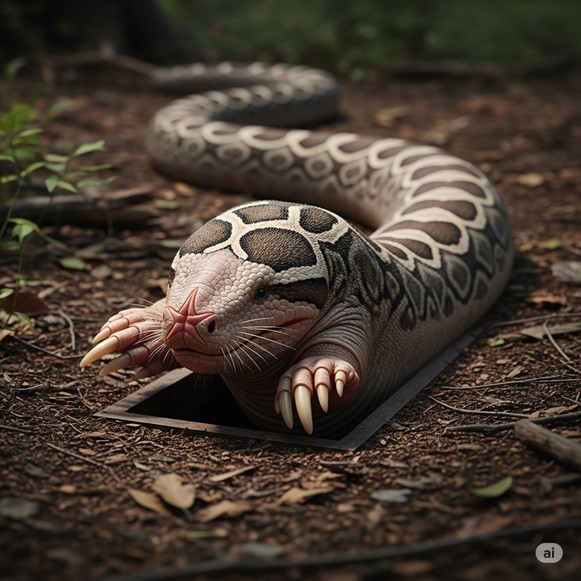
A party of adventurers in the world of Saṃsāra would find themselves encountering or actively searching for the horrifying Ctenizon Bitiscondylus for reasons as specific and strange as the creature itself. These encounters are rarely simple, often beginning as a mystery or a hunt for a rare and valuable commodity.
Reasons for Deliberately Searching for a Ctenizon Bitiscondylus
To intentionally seek out one of these ambush predators is to invite extreme danger, a risk only undertaken when the reward is sufficiently great or the need is dire.
- A Quest for a Potent Reagent: The creature’s unique biology makes it a treasure trove for master alchemists and apothecaries. Its potent hemotoxic venom, which prevents blood from clotting, might be the only known substance capable of creating a powerful antidote for a magical affliction that causes rapid petrification or blood crystallization. Alternatively, a spymaster might hire the party to procure the venom to create a subtle, untraceable poison that leaves no wound. The adventurers would be tasked with capturing the beast alive to milk its venom, or killing it and carefully extracting the venom sacs—both incredibly dangerous prospects.
- The Unbreakable Thread: The silk spun by the Ctenizon to create its tripwires is not ordinary. Its magical property of being a poor conductor of magical energy makes it invaluable. An enchanter might hire the party to find and harvest a large quantity of this silk to weave into the lining of anti-scrying bags, or to create a protective ward that can block divination spells. A guild of assassins might desire it for garrotes that can bypass magical defenses.
- The Inscrutable Organ: The creature’s star-shaped sensory organ is a biological marvel. A powerful sage or a university researcher might post a massive bounty for a perfectly preserved specimen. They may believe that by studying it, they can replicate its incredible vibration-sensing abilities and create a device to predict earthquakes or detect hidden underground structures. The party would need to hunt the creature and defeat it without damaging its most prominent and delicate feature.
- A Pre-emptive Strike: While the Ctenizon is a patient hunter that sticks to its territory, its existence can become an unacceptable threat. If a new settlement is planned, a fortress is to be constructed, or a critical road must be built through a forest known to be inhabited by these creatures, a “clearing” contract would be issued. The party would be hired as expert exterminators to move through the forest, methodically locating and eliminating every Ctenizon lair in the area to make it safe for the construction crews to follow.
Reasons for an Accidental Encounter
More often than not, adventurers don’t find a Ctenizon Bitiscondylus; it finds them. These encounters are sudden, terrifying, and often begin with a complete mystery.
- The Vanishing Trail: The party might be tracking a different target—a fleeing fugitive, a wounded beast, or even another group of avatars. As they follow the trail through a dense forest, the tracks suddenly… stop. There is no sign of a struggle, no blood, just an inexplicable end to the trail in the middle of the woods. As the party puzzles over the mystery, one of them might step on a nearly invisible silk tripwire, alerting the hidden predator directly beneath their feet to the presence of fresh prey.
- The Desiccated Corpse: The adventurers might stumble upon a bizarre and unsettling crime scene in the middle of the wilderness. They find the corpse of a large animal or even another traveler, but it is pale, strangely light, and completely drained of all blood, with only a small, circular wound on its body. As they kneel to investigate the strange scene, using their skills to deduce the cause of death, they are unknowingly being monitored by the creature from its hidden lair only a few feet away, which is patiently waiting for them to become distracted.
- A Stumble in the Dark: Traveling at night through the forest for any reason is dangerous. An adventurer, moving through the undergrowth, might feel their foot snag on something tough and fibrous—one of the creature’s tripwires. Before they can even identify what they’ve touched, the ground in front of them might erupt as the Ctenizon, mistaking the snag for struggling prey, launches its lightning-fast ambush.
- The Wrong Place to Rest: After a long day of travel, the party decides to make camp in what appears to be a peaceful, quiet clearing in the woods. The ground is soft and covered in a thick layer of leaves, making it comfortable. They are unknowingly setting up their camp directly on top of the creature’s hunting ground and its camouflaged trapdoor. The vibrations from them setting up tents, building a fire, and moving about would be an irresistible signal to the patient hunter waiting just inches below the forest floor.
Beyond the most obvious and difficult to acquire components like the venom and tripwire silk, the unique chimeric biology of a Ctenizon Bitiscondylus means that nearly every part of its corpse can be harvested for valuable and specialized uses. A skilled harvester with knowledge of alchemy and crafting would see the creature not just as a threat, but as a trove of rare ingredients.
Harvestable Items and Their Uses:
- The Star-Shaped Sensory Organ:
- Description: The fleshy, pink, star-like appendage that serves as the creature’s face is a complex web of hyper-sensitive nerve endings. Even after death, it will twitch in response to vibrations for a short time.
- Use: This is perhaps the most valuable non-alchemical component. When carefully preserved by a master enchanter and incorporated into the palm of a gauntlet or the sole of a boot, it can grant the wearer a limited form of Vibration Sense, allowing them to “feel” movement through solid surfaces they are in contact with. It is an invaluable tool for detecting hidden mechanisms or approaching footsteps.
- The Retractable Viper Fangs:
- Description: The two long, hollow, needle-sharp fangs are made of a black, chitinous material that is harder than steel. They often contain trace amounts of residual venom.
- Use: Alchemists and assassins prize these fangs. They are perfect natural syringes for creating potent, single-use poisoned darts or arrowheads. A skilled weapon-smith can also carefully mount the fangs into the guard of a dagger or gauntlet, creating a weapon that has a chance to inflict a minor venomous effect on a successful parry or grapple.
- The Geometric-Patterned Hide:
- Description: The creature’s skin is soft and velvety, not physically tough. Its value lies in the intricate, geometric patterns of brown, black, and tan that seem to subtly shift and confuse the eye.
- Use: While useless as conventional armor, the hide is highly sought after by tailors who craft gear for spies and illusionists. When fashioned into a cloak, vest, or boot linings, the hide’s natural patterns create a low-level visual distortion, granting the wearer a bonus to their attempts to hide or appear inconspicuous in complex environments. The patterns themselves are also studied by mages to understand the principles of disruptive camouflage.
- The Lamprey’s Tooth-Ring:
- Description: The circular, jawless mouth is lined with multiple concentric rings of sharp, hooked teeth made of a hard, cartilaginous material designed to grip and tear.
- Use: The entire ring of teeth can be extracted and used by crafters of more savage-looking equipment. When affixed to the face of a round shield or a gauntlet, it turns a defensive item into a weapon. A successful block or shield bash can cause the tooth-ring to latch onto an opponent’s limb or weapon, making them difficult to disarm or break free from.
- The Silken Spinnerets:
- Description: Located near the creature’s mouth are a pair of small, specialized organs that produce the tough, magically inert silk for its tripwires.
- Use: Beyond just harvesting the laid silk from the environment, a careful harvester can extract the spinnerets themselves. When properly prepared by an enchanter and incorporated into a magical item, such as a bracer or ring, it can allow the wearer to produce a limited amount of the special silk on command, creating instant tripwires, bindings, or silent communication lines.
- The Sanguivore’s Blood:
- Description: The blood of the Ctenizon Bitiscondylus is a thin, dark, almost black fluid that is rich in anticoagulants and other strange enzymes.
- Use: This blood is a potent but volatile alchemical ingredient. It acts as a universal catalyst, able to be substituted for the blood of more common creatures in many rituals and potions, often increasing the final product’s potency. However, its chimeric nature makes it unstable. Potions brewed with it carry a significant risk of causing strange and unpredictable side effects in the drinker. It is a tool for reckless or desperate alchemists.
Scroll of the Unseen Guardian
It is written that when the world was new and its soil was soft, there was a place hidden from all maps, which was called the Well of Silence. This was not a well of water. It held the pure, quiet lifeblood of the world itself, and from it, all things that grew received their strength in secret. This sacred place had a guardian. His name is not remembered, for he gave it away. He was a being of great wisdom and stillness.
But a sickness came upon the edges of the world. It was not a plague of the body, but a Whispering Blight, a thing like smoke that sought to find all pure places and poison them with doubt and decay. The Blight could not be fought with a sword, for it was without form. It could not be stopped by a wall, for it could pass through any crack. It found its way by following the paths of living things and looking for the shapes of those who stood guard.
The Guardian of the Well of Silence knew the Blight would come for his charge. He knew it would follow his own footsteps to find the path. He knew it would see his own shape standing vigil and thusly find the door. To hide the Well, he first had to hide himself from the world, completely. He had to become a secret.
So he went to the edge of his sacred Well and began a great and terrible ritual of unmaking.
First, he gave his eyes to the deep soil, so the Blight could not find his gaze in the light of the sun. The soil accepted his gift, and in return, it gave him a new face, a star made of living flesh, so he could feel the turning of the world and the footfalls of all creatures through the quiet earth.
Second, he gave his legs and his upright form to the burrow of the mole, so the Blight could not follow his tracks upon the ground. The burrow accepted his gift, and in return, it gave him the long body of the serpent, so he could swim through the earth as a fish swims through the sea.
Third, he gave his own skin to the wind, so the Blight would not know him by his color or his shape. The wind accepted his gift, and the fallen leaves and the rich loam of the forest floor wove for him a new skin, a living tapestry of shadow and dust that was the very pattern of the ground he guarded.
Fourth, he gave his home and his door to the silence, so the Blight would not find an entrance. The patient spider, seeing his sacrifice, taught him the final secret: how to become the door itself. He learned to spin a fine silk and build a hidden latch, a trapdoor that was not a door at all, but a seamless part of the forest.
When the ritual was done, the Guardian was no more. In his place was a new creature, the first Ctenizon Bitiscondylus. It had no eyes to see, no legs to make a path, no skin to be recognized, and no home to be entered. It was only a patient, silent warden, hidden within the earth.
At last, the Whispering Blight came. It drifted through the ancient forest, looking for a sign. It found no path. It saw no guard. It heard no door. It perceived only the forest floor, still and silent, covered in leaves. It found nothing to poison, and so, defeated by what it could not perceive, the Whispering Blight passed on, and the Well of Silence remained pure. The creature that was once a guardian remained, an eternal and unseen protector, and its children spread through the deep woods, each one a living secret, a silent trapdoor protecting a world that does not know it is being guarded.
Moral of the Story: The greatest treasure is protected not by a mighty sword, but by a perfect secret.
Suggested conversions to other systems:
Dungeons & Dragons 5th Edition
Ground-Maw Medium monstrosity, unaligned
Armor Class 13 (natural armor) Hit Points 52 (8d8 + 16) Speed 20 ft., burrow 30 ft.
STR 16 (+3) DEX 10 (+0) CON 14 (+2) INT 3 (-4) WIS 14 (+2) CHA 5 (-3)
Skills Perception +5, Stealth +3 Senses blindsight 60 ft. (blind beyond this radius), tremorsense 60 ft., passive Perception 15 Challenge 2 (450 XP)
Trapdoor Ambush. When the ground-maw is hidden in its covered burrow, it has total cover. On the first turn of a combat, it has advantage on attack rolls against any creature that hasn’t taken a turn yet.
Earth Glide. The ground-maw can burrow through nonmagical, unworked earth and stone. While doing so, the ground-maw doesn’t disturb the material it moves through.
Actions
Leeching Bite. Melee Weapon Attack: +5 to hit, reach 5 ft., one creature. Hit: 7 (1d8 + 3) piercing damage, and the ground-maw attaches to the target. While attached, the ground-maw doesn’t attack. Instead, at the start of each of the ground-maw’s turns, the target loses 7 (1d8 + 3) hit points due to blood loss. The ground-maw regains hit points equal to the amount of blood lost. The ground-maw can detach itself by spending 5 feet of its movement. A creature, including the target, can use its action to detach the ground-maw.
Call of Cthulhu 7th Edition
The Tunneler Below This eyeless, serpentine horror burrows beneath the forest floor, creating perfectly camouflaged pit traps to catch its victims. Its “face” is a grotesque, star-shaped sensory organ, from which its true mouth—a round, tooth-filled maw—emerges to drain its prey.
STR 65 CON 70 SIZ 50 DEX 45 INT 25 POW 50 HP 12
Damage Bonus: None Build: 0 Move: 4 / 7 burrowing ATTACKS Fighting (Brawl) 50% (25/10), damage 1D3 Latch On 60% (30/12), damage 1D4 piercing. On a successful hit, the creature has latched on to its victim. Drain Fluids (Special): This attack is automatically successful against a latched-on target. The victim takes 1D4 damage per round. A successful Hard STR roll is required to rip the creature off. Dodge 22% (11/4)
Armor: 1-point soft, patterned skin. Skills: Stealth 80% (when in its burrow). Sanity Loss: 1/1D6 Sanity points to see this eyeless, star-faced horror erupt from the ground. An additional 0/1D4 Sanity points to have it latch on and begin draining your bodily fluids.
Blades in the Dark
The Silk-Maw A silent, patient predator that doesn’t hunt so much as set a trap and wait. It digs silk-lined pits beneath the gardens and forgotten corners of the city, perfectly camouflaged, waiting for a careless footstep.
Threat: A hidden environmental hazard. Can be represented as a Magnitude 3 trap or a 4-segment clock for a single victim.
Qualities: Silent, Hidden, Subterranean, Patient.
GM Moves:
- The ground gives way: A character plummets into a dark, silk-lined burrow. The trapdoor snaps shut above them.
- Erupt from the walls or floor: The Silk-Maw attacks from an unexpected direction inside its cramped lair, making it difficult to fight back.
- Latch on and drain vitality: The creature attacks and latches on. This inflicts Level 2 Harm (“Drained and Bleeding”). The GM starts a 4-segment clock labeled “Bled Dry.” The clock gets ticked every time the victim struggles or time passes.
- Retreat into the earth: If confronted with a serious threat (like fire), it instantly burrows through a wall of its lair, collapsing the tunnel behind it and disappearing to strike again later.
Knave 2nd Edition
Star-Nosed Burrow-Viper HP: 6 Armor Defense: 12 (soft, yielding flesh) Attack: Latching Bite +3 (d8, ignores armor) Morale: 9 (will flee if its burrow is destroyed)
Tremorsense. The creature is blind but automatically detects the precise location of any creature touching the ground within 60 feet of it.
Trapdoor Ambush. If it attacks a surprised target by bursting from its hidden burrow, its first attack is made with advantage and automatically deals maximum damage (8).
Blood Drain. On a successful bite attack that deals damage, the creature latches on. At the start of each of the victim’s turns, they take an automatic d6 damage as the creature drains their blood. The creature can be ripped off with a successful opposed Strength save made as an action.
Burrow. The creature can move through earth, mud, and other soft ground at a rate of 30 feet per round. It leaves a tunnel behind it.
Fate Core System
The Patient Root-Serpent A silent, blind predator that wears the pattern of the forest floor on its skin. It does not hunt; it sets a trap and waits for the world to walk into its mouth.
High Concept: Subterranean Trap-Door Predator Trouble: Blindly Reliant on Vibrations
Other Aspects: A Face Like a Star-Burst Flower, Unbreakable Suction Maw, Veins Full of Hemotoxic Venom
Skills
- Great (+4): Notice (via tremorsense)
- Good (+3): Fight, Stealth (when hidden)
- Fair (+2): Physique, Crafts (for traps)
- Average (+1): Athletics
Stunts
- Latch On: When the Root-Serpent succeeds with style on a Fight attack, it can choose to latch on instead of dealing extra damage. While latched, it inflicts a 2-shift hit automatically at the start of its turn, which the target must absorb with stress or consequences.
- Erupting Ambush: The Root-Serpent gets a +2 bonus to its first Fight attack in a conflict if it emerges from a hidden burrow to attack a surprised target.
- Hemorrhagic Venom: When the Root-Serpent inflicts a consequence with its bite, that consequence is always considered to be Bleeding and Weakened in addition to its other descriptors.
Stress: [1] [2] [3] Consequences: One mild, one moderate.
Numenera & Cypher System
The Geomorphic Leech-Worm This serpentine creature is a master of camouflage and subterranean ambush. It is effectively blind and deaf, sensing the world entirely through the vibrations in the earth, which it feels through the strange, star-shaped appendage on its face.
Level: 4 Motive: To ambush prey and drain its fluids. Environment: Loose soil in forests, fields, and peat bogs. Health: 15 Damage: 3 points per round after it has latched on. Armor: 1 Movement: Immediate when burrowing; Slow on the surface.
Modifications: Perception tasks based on vibration are eased by three steps. All tasks related to sight or hearing automatically fail.
Combat: The Leech-Worm’s primary attack is a lunge from its hidden, camouflaged burrow. Defending against this initial ambush is a difficulty 5 Speed-based task. On a success, it latches on but deals no initial damage. On its subsequent turns, it automatically inflicts 3 points of damage that ignores Armor as it drains bodily fluids. Prying it off once it has latched on requires a successful difficulty 5 Strength-based task. The Leech-Worm will detach and flee underground if it takes 8 or more points of damage in a single round.
Interaction: It is a patient, hidden predator. It does not interact, it only waits and reacts to vibrations. Loud, ground-based sonic disturbances may confuse it or drive it away.
Pathfinder 2nd Edition
The Star-Faced Dredger Creature 2 [Uncommon] [Beast] This eyeless, serpentine beast burrows through the earth, creating camouflaged lairs from which it ambushes its prey.
Perception +8; tremorsense (imprecise) 60 feet, no visual senses Skills Acrobatics +6, Athletics +9, Stealth +8 Str +3, Dex +2, Con +3, Int -4, Wis +2, Cha -2
AC 17; Fort +9, Ref +8, Will +6 HP 35 Immunities visual effects; Weaknesses sonic 5
Speed 20 feet, burrow 20 feet Melee [one-action] Maw, +11, Effect The dredger makes a check to Grab the target. The DC to Escape the grab is 20.
Drain Fluids [one-action] Requirements The dredger has a creature grabbed in its maw. Effect The dredger drains the creature’s vitality, dealing 1d6+3 piercing damage plus 1d4 persistent bleed damage. The dredger gains a number of temporary Hit Points equal to the total damage dealt.
Earthen Ambush If the dredger starts its turn burrowed and emerges to make a Strike, that Strike does not trigger reactions that are normally triggered by movement or a Strike.
Savage Worlds Adventure Edition
The Trapdoor Leech A blind, serpentine predator that hunts by feeling vibrations through the ground with the strange, star-shaped organ on its face. It creates a hidden trapdoor lair and waits for prey to pass by.
Attributes: Agility d6, Smarts d4, Spirit d6, Strength d8, Vigor d8 Skills: Athletics d8, Fighting d8, Notice d10 (vibrations only), Stealth d10 Pace: 4; Parry: 6; Toughness: 7 (1)
Edges: – Special Abilities:
- Armor +1: Rubbery, patterned hide.
- Blind: The creature has no eyes and cannot be affected by visual effects. It suffers no lighting penalties as long as its target is on the ground.
- Burrow (10”): Can burrow through earth at a Pace of 10″.
- Bite: Str+d6.
- Sanguivore: If the Leech gets a Raise on its Fighting roll, it latches on. On its subsequent turns, it automatically deals 2d4 damage to the victim, ignoring armor. Ripping the Leech off requires an opposed Strength roll as an action.
- Tremorsense: The Leech has a precise sense of anything touching the ground within a Large Blast Template centered on itself.
Shadowrun, Sixth World
The “Tremor-Maw” Critter A bio-engineered horror, likely escaped from a black-site lab, that has gone feral in the toxic marshlands and sewer systems. The Tremor-Maw is a blind, subterranean hunter that senses the world through vibration.
Attributes Body: 5 Agility: 4 Reaction: 3 Strength: 4 Willpower: 3 Logic: 1(A) Intuition: 5 Charisma: 2 Edge: 3 Magic: 6
Initiative: 8 + 2D6 Matrix Initiative: N/A Astral Initiative: 10 + 3D6
Skills: Athletics 4, Close Combat 4, Perception 6 (Vibrations), Stealth 6
Powers
- Armor: 4
- Burrow: Can move through earth, mud, or industrial waste at its normal speed, leaving a tunnel behind it.
- Engulf: The critter’s Natural Weapon attack has a DV of (Strength)P and an AP of -1. On a successful attack, the critter latches on. A character grappled by the critter suffers a -2 dice pool penalty to all actions.
- Hemotoxic Venom: This is a Power with a Level of 5. When the critter successfully deals damage with its Engulf attack, the victim is exposed to the venom (Toxin Power 5, Speed 1 Combat Round, Effect: Physical Damage).
- Tremorsense: The critter is blind and immune to sight-based effects, but has tremorsense out to 30 meters. It cannot be surprised by anything moving on the ground within this radius.
Starfinder
The Subterranean Leech-Viper CR 2 XP 600 N Medium magical beast Initiative +4; Senses blindsight (vibration) 60 ft.; Perception +7
Defense EAC 13; KAC 15 HP 25 Fort +6; Ref +6; Will +1 Immunities sight-based effects, gaze attacks
Offense Speed 20 ft., burrow 30 ft. Melee latching maw +10 (damage 1d4+4 P, plus Latch and Venom)
Statistics Str +2; Dex +1; Con +2; Int -4; Wis +1; Cha -2 Skills Acrobatics +7, Athletics +12, Stealth +7
Special Abilities
- Latch: If the leech-viper hits with its maw attack, it automatically initiates a grapple without needing to attempt a separate combat maneuver.
- Blood Drain: On subsequent rounds, if the leech-viper maintains its grapple on a living creature, it automatically deals 1d4+4 damage to the grappled creature.
- Venom: (Poison) Type injury; Save Fortitude DC 13; Track Strength (special); Frequency 1/round for 6 rounds; Effect The leech-viper’s venom is a hemotoxin. For each step a target moves down the poison track, they gain the bleeding condition (1d4 bleed damage). This bleeding stacks with other sources of bleeding. Cure 2 consecutive saves.
Traveller (Mongoose 2nd Edition)
The ‘Star-Nose’ Burrower (Agnathus horridus) A dangerous and strange predator native to worlds with deep, soft soil and dense ground cover. It is blind and hunts entirely by sensing vibrations, erupting from the ground to ambush its prey.
UPP: 75A631-0 Type: Carnivore, Trapper Skills: Stealth 3, Recon (vibration) 2, Melee (natural) 1 Pace: 4m Attacks: Leeching Bite (1D+latch) Armor: 1 (Rubbery Skin) Traits:
- Burrower (10m): Can move through soft earth at 10m per round.
- Blind: The creature is immune to all sight-based effects. It can only detect targets via vibration.
- Venom (Debilitating): Anyone bitten must make an END 8+ check or suffer DM-2 on all physical actions (STR, DEX, END) for 1D hours due to tissue damage.
- Latch: If the creature hits with its bite attack, it latches on. A latched creature automatically takes 1D3 damage each round, ignoring armor. Dislodging it requires an opposed STR check as an action.
- Trapper: The creature builds camouflaged pits and tunnels. Anyone moving through its territory without caution must make a Recon 8+ check or fall into a trap.
Warhammer Fantasy Roleplay, 4th Edition
The Grave-Worm A horrifying beast that swims through the soil of the deep forests and ancient barrows as if it were water. It is eyeless, its face a writhing star of flesh, from which a circular, toothed maw extends to drain the living.
Main Profile WS 35, BS —, S 40, T 40, I 10, Ag 25, Dex —, Int 10, WP 30, Fel —
Secondary Profile A 1, W 14, M 3, Mag —, P —, IP —
Traits:
- Armour: 1 (Rubbery Hide)
- Blind: The Grave-Worm is immune to all visual effects and cannot be surprised by foes that are invisible. It suffers no penalties for darkness.
- Burrower: Can move through earth, mud, and loose soil as if it were open ground.
- Fear 1: A grotesque, eyeless creature erupting from the ground is an unnerving sight.
- Tremorsense: The Grave-Worm automatically detects any creature moving on the ground within 8 yards of it.
- Weapon (Maw): +8, Damage: S+4, Qualities: Vicious, Grab
- Drain Blood: If the Grave-Worm has a target grappled with its Maw trait, at the start of its turn it automatically inflicts a Damage 8 hit that ignores all Armour Points.