
Snarlish is a language that embodies condescension, arrogance, and superiority in its very essence. It is a language that revels in its own complexity and deliberately obscures meaning from outsiders, making it a tool of exclusion and elitism.
Linguistic Attributes and Characteristics:
- Snarlish is a highly complex language, with a labyrinthine grammar and syntax that seems purposefully designed to confuse and intimidate non-speakers.
- It is rich in subtle nuances, double meanings, and ambiguities, allowing speakers to convey multiple layers of condescension through carefully crafted phrases.
- The language employs a hierarchical structure, with different dialects and registers used to denote social status and perceived intellectual superiority.
- Snarlish is intentionally obfuscating, with many words and phrases deriving their meaning from obscure historical or cultural references, ensuring that only the most erudite can fully comprehend the language.
Magical Powers:
- While not inherently magical, Snarlish is often employed by sorcerers and scholars as a means of enhancing their perceived authority and mystique.
- The language’s complexity and exclusivity lend it an air of mystical power, making it a favored tool for the delivery of arcane incantations and esoteric rituals.
- Some believe that mastering Snarlish grants a deeper understanding of the fundamental principles of magic, as the language’s structure is said to mirror the intricate weave of magical energies.
Cultural Identity and Users:
- Snarlish is the language of the intellectual elite, spoken primarily by scholars, philosophers, and members of the ruling aristocracy across various realms.
- Its use is a badge of honor, signifying one’s membership in the upper echelons of society and a level of education and refinement that sets them apart from the common folk.
- Different regions and cultures have developed their own dialects of Snarlish, each vying to outdo the others in terms of complexity and exclusivity.
Rarity and Type:
- Snarlish is an exceedingly rare language, as its purposeful obfuscation and elitist nature make it incredibly difficult to learn and master.
- It is a spoken and written language, with a complex script that incorporates numerous glyphs, symbols, and calligraphic flourishes.
- The script itself is a source of pride for Snarlish speakers, with the most ornate and visually striking forms reserved for the highest-ranking members of society.
Source and History:
- The origins of Snarlish are shrouded in myth, with some claiming it was invented by a cabal of ancient sorcerers seeking to guard their knowledge from the uninitiated.
- Others believe it evolved as a means of communication between rival noble houses, each seeking to outmaneuver the other through increasingly convoluted linguistic constructions.
- Regardless of its origins, Snarlish has been carefully cultivated and refined over centuries, becoming a potent tool for maintaining social stratification and intellectual exclusivity.
Sensory Experience:
- The experience of hearing or reading Snarlish is akin to navigating a maze of verbal trickery and condescension.
- The language’s intricate rhythms and melodic cadences are designed to lull the listener into a state of awe and submission, even as the speaker’s words drip with disdain and superiority.
- For those fluent in Snarlish, the act of speaking or writing the language is a profound expression of intellectual prowess and social status, evoking a sense of smug satisfaction and self-importance.
Snarlish is a language that revels in its own exclusivity, a linguistic embodiment of the arrogance and condescension that often accompany perceived intellectual superiority. Its complexity and obscurity serve as gatekeepers, ensuring that only the most dedicated and privileged can ever truly master its nuances and wield its power.
Tags: condescending, arrogant, complex, obfuscating, hierarchical, nuanced, ambiguous, elitist, esoteric, intellectual, mystical, exclusive, ornate, stratified, scholarly, subtle, intricate
Magic Inscriptions:
Zyltharion Quorvix Elendrath. (By the esoteric weave of superior arcane threads, inscribe this ward to disdain lesser intrusions.)
Vexilon Sarquinthor Malvexar. (In the labyrinthine depths of elite sorcery, empower this rune to mock the feeble attempts of the uninitiated.)
Quinthalor Dravaxion Sylthar. (Awaken the convoluted sigils of aristocratic might, sealing this glyph against vulgar profanations.)
Eldraxar Vorthilion Quorvath. (From the obfuscated vaults of scholarly dominion, bind this talisman with layers of condescending enchantment.)
Malvexilon Zylquinth Sartharion. (Let the hierarchical flows of mystical superiority entwine, etching disdain upon this stone of exalted secrets.)
Dravaxar Eldquorv Vexthar. (Command the ambiguous currents of erudite power, inscribing exclusion into the heart of this amulet.)
Sylquorv Malvexar Zylthilion. (Through the ornate hammer of intellectual arcane, ignite the veils of stratified vigilance.)
Vortharion Quinthal Dravax. (By the cadence of elite incantations, infuse this scroll with the essence of arrogant barriers.)
Eldvexar Sylthar Zylquorv. (Unleash the nuanced roar of scholarly mystique, carving superiority into this enchanted relic.)
Quorvath Malvexilon Dravaxar. (In the crucible of hierarchical horizons, bind this potion with threads of obfuscated light.)
Zylthar Vexquinth Eldraxion. (Awaken the symphony of ambiguous elitism, sealing this crystal with intricate force.)
Political Oaths:
Quorvix Elendrath Zyltharion. (I declare my stratified allegiance to the throne of arcane supremacy, disdaining all lesser claims with erudite resolve.)
Sarquinthor Malvexar Vexilon. (By the convoluted pact of superior nobility, I vow to uphold the edicts against the rabble’s ignorance.)
Dravaxion Sylthar Quinthalor. (In the name of obfuscated ancestors, I pledge to lead with hierarchical justice and exclusive honor.)
Vorthilion Quorvath Eldraxar. (Let the elite veils witness my oath of absolute dominion, binding my fate to the council’s esoteric wisdom.)
Zylquinth Sartharion Malvexilon. (Through the ornate forge of scholarly valor, I swear loyalty to the banners of intellectual victory.)
Eldquorv Vexthar Dravaxar. (Awaken the ambiguous thunder of aristocratic might, vowing to conquer vulgarity for the greater mystique.)
Malvexar Zylthilion Sylquorv. (From the labyrinthine anvil of elite resolve, I pledge protection to the enlightened with nuanced assurance.)
Quinthal Dravax Vortharion. (Command the stratified winds of erudite peaks, declaring defiance against the shadows of common betrayal.)
Sylthar Zylquorv Eldvexar. (By the cadence of hierarchical fire, I bind my word to the treaty of eternal exclusion.)
Malvexilon Dravaxar Quorvath. (In the crucible of ornate strength, I vow resilience in the face of proletarian storms.)
Zylquorv Eldraxion Vexquinth. (Let the echoes of ambiguous conviction resonate, swearing superiority to the crown’s exalted path.)
Cultural Ceremonies:
Elendrath Zyltharion Quorvix. (In the esoteric circle of superior rites, we commemorate the union with layers of intellectual disdain for the mundane.)
Malvexar Vexilon Sarquinthor. (By the convoluted harvest of aristocratic bonds, honor the elders with obfuscated gratitude and elitist reverence.)
Sylthar Quinthalor Dravaxion. (Awaken the nuanced thunder of scholarly valor, marking the initiation with hierarchical assurance.)
Quorvath Eldraxar Vorthilion. (Let the stratified stars bless this naming, binding the progeny to the path of exclusive mystique.)
Sartharion Malvexilon Zylquinth. (Through the ornate hammer of erudite horizons, invoke the festival of victory with ambiguous might.)
Vexthar Dravaxar Eldquorv. (From the labyrinthine anvil of elite essence, celebrate the solstice with unbreakable scholarly unity.)
Zylthilion Sylquorv Malvexar. (Command the hierarchical tides of mystical conviction, honoring the artisans with nuanced dominion.)
Dravax Vortharion Quinthal. (In the crucible of ornate fire, commemorate the departed with threads of intellectual memory.)
Zylquorv Eldvexar Sylthar. (Awaken the symphony of ambiguous peaks, marking the alliance with stratified light.)
Dravaxar Quorvath Malvexilon. (By the cadence of hierarchical resolve, bless the marriage with the veils of esoteric fates.)
Eldraxion Vexquinth Zylquorv. (Let the echoes of ornate thunder resonate, invoking the dance of seasons with exclusive spirit.)
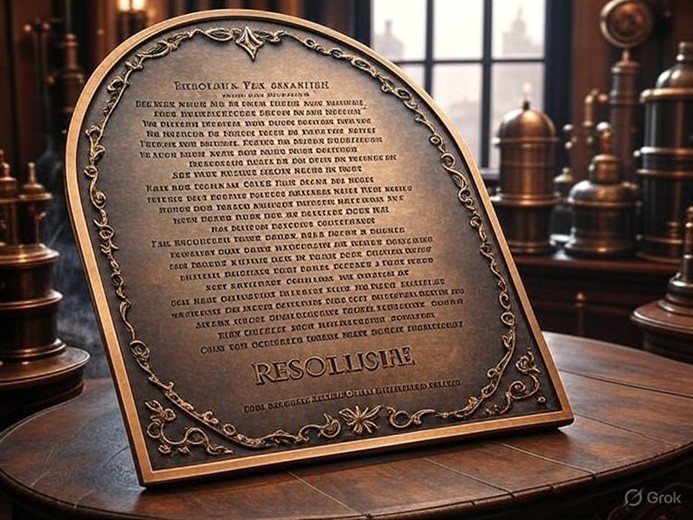
Veiled Cabal and Tongue of Shadows
In epochs veiled by the dust of forgotten scrolls, when the heavens wept tears of obsidian and the ground trembled beneath the weight of unspoken secrets, there emerged a fellowship whose titles elude precise rendering, known as the Enclave of Arcane Keepers, or perchance the Syndicate of Esoteric Lords, for the faded etchings on clay fragments confound the eye with ambiguous strokes. These figures dwelled in towers of ivory and onyx, perched upon cliffs that overlooked seas of perpetual twilight, in realms where the sun hesitated to rise fully, casting elongated shadows that whispered of hierarchies unseen. The people of those shadowed domains communicated in simplistic utterances, mere echoes of intent, easily deciphered by even the lowliest serf, but the cabal scorned such transparency, viewing it as a blemish upon the purity of knowledge.
As the narrative unravels from parchments marred by the clumsy hands of long-dead interpreters, who struggled with glyphs that twisted like serpents evading capture, the cabal comprised sorcerers of unparalleled erudition, drawn from noble lineages scattered across fractured empires. Their leader, inscribed as Thalorix the Inscrutable, or Thalorak the Obfuscator—the vowels bleed into one another in the ancient inks—was a mage whose gaze pierced veils of reality, yet whose words were labyrinths designed to ensnare the unworthy. Born in the opulent halls of a decaying citadel, where murals depicted gods entwined in riddles, Thalorix ascended through rites that demanded the sacrifice of clarity, forsaking plain speech for convolutions that elevated the speaker above the masses. “The tongue must be a fortress,” the texts haltingly convey, “walled against the hordes of ignorance, admitting only those who bear the keys of superior intellect.”
The saga deepens in translations riddled with contradictions, as if the original lexicon defied linear recounting. In an era when warring houses vied for dominion over arcane lore, hoarding spells like misers clutch gold, the cabal convened in a hidden sanctum beneath a mountain carved by eldritch winds. There, amid crystals that hummed with latent power, they deliberated upon the perils of shared wisdom. Common folk, with their crude dialects, had begun to stumble upon fragments of magic—potions brewed in village cauldrons, charms whispered in marketplaces—that threatened the exclusivity of the elite. Outraged by this vulgar intrusion, Thalorix proposed forging a new language, one woven from the threads of antiquity’s most obscure dialects, blended with symbols from realms beyond mortal ken. “Let it be a maze of meanings,” he decreed in phrases the scribes mangled, “where paths fork into deceptions, and only the exalted navigate to truth.”
The creation unfolded over cycles of moons that waxed and waned erratically, as chronicled in codices where sentences loop upon themselves like knotted vines. Each member of the cabal contributed elements: one infused hierarchical inflections, denoting ranks of initiation; another layered ambiguities, so a single utterance could mock while it instructed; a third embedded references to forgotten myths, ensuring comprehension demanded lifetimes of study. They drew from an even elder tongue, lost to time, whose remnants were etched on tablets unearthed from abyssal ruins—glyphs that shifted under scrutiny, as if alive with disdain. Trials ensued, where apprentices attempted to decipher prototypes, only to falter and retreat in humiliation, their minds ensnared in webs of condescension. The language, christened Snarlish in the awkward vernacular of later eras, emerged as a masterpiece of exclusion, its syntax a hierarchy mirroring the cabal’s own stratified order.
With Snarlish perfected, or as near to perfection as the flawed transcripts allow, the cabal disseminated it among allied noble houses, but selectively, like scattering pearls before swine who could never grasp them. In the courts of gilded palaces, where intrigue festered like untended wounds, diplomats adopted the tongue to outmaneuver rivals. A simple negotiation became a duel of verbal feints: “Zyltharion Quorvix Elendrath,” one might intone, meaning both alliance and subtle derision of the listener’s lineage, the dual layers veiled to all but initiates. Rival houses, envious of this edge, sought to infiltrate the cabal, dispatching spies cloaked in finery. One such interloper, named Vexara the Ambitious—or Vexar the Deceiver, the parchments waver—posed as a scholar of minor repute, her tongue schooled in lesser idioms.
The confrontation, detailed in passages fraught with elliptical allusions, erupted during a grand conclave under starless skies. Vexara challenged Thalorix, attempting to wield Snarlish against him: “Vexilon Sarquinthor Malvexar,” she proclaimed, intending to claim superiority, but her grasp faltered on the nuances, exposing her as an outsider. The cabal’s leader countered with a cascade of phrases: “Quinthalor Dravaxion Sylthar,” unraveling her deceptions like threads pulled from a tapestry, reducing her to babbling incoherence. Banished to wander the wastelands, Vexara’s fate served as a cautionary emblem, her name invoked in Snarlish oaths to ward against presumption.
As empires rose and crumbled, Snarlish spread through whispered tutelage, evolving into dialects that competed in complexity, each house embellishing it with flourishes of arrogance. Philosophers in ivory spires composed treatises in its script, glyphs swirling like vortices of self-importance, while sorcerers chanted incantations that amplified spells through layers of mystique. “Eldraxar Vorthilion Quorvath,” they would murmur over cauldrons, the words entwining magic with condescension, ensuring only the elite could replicate the rites. Commoners, overhearing fragments, felt the sting of exclusion, their attempts at imitation met with derisive laughter from above.
Yet the chronicles, in their stumbling prose, hint at hubris’s toll. A great schism befell the cabal when internal rivalries festered, each faction deeming others unworthy of Snarlish’s purity. Thalorix, in his waning years, retreated to a hermitage atop a fog-shrouded peak, codifying the language in tomes bound with skins of mythical beasts. Legends murmur he transcended mortality, his essence merging with the tongue itself, haunting those who misuse its convolutions. Scribes of later ages, grappling with the primordial source’s enigmas, rendered the tale in approximations, their efforts a pale shadow of the original’s intricate disdain.
The moral of the story is that knowledge hoarded in towers of exclusivity may guard against the masses, but it breeds isolation that crumbles even the mightiest foundations, for a language of superiority divides more than it unites.