
Definition: Malis’Kra is a unique language with a strong emphasis on expressing aversion, dislike, and negativity. It serves as a means for individuals to convey their feelings of aversion and displeasure, even across species.
Linguistic Attributes and Characteristics:
- Repelling Vocabulary: Malis’Kra’s vocabulary is filled with words and phrases that convey aversion and negativity. It enables speakers to express their feelings of dislike and displeasure with intensity and conviction.
- Harsh Tones: The language often employs harsh and dissonant tones, reflecting the strong emotions of those who use it to express aversion.
- Emotionally Charged Structure: Malis’Kra is structured in an emotionally charged manner, allowing for the forceful and vehement expression of aversion.
Structure: Malis’Kra follows a forceful and vehement pattern, allowing speakers to convey their feelings of aversion and displeasure with intensity. The language may involve the use of strong and disapproving statements to express negative emotions.
Cultural Identity and Usage: Malis’Kra is used primarily by individuals who wish to express their aversion and dislike towards certain things, actions, or situations. It is often employed in situations where strong negative emotions need to be conveyed, such as expressing disdain, anger, or disapproval. Malis’Kra does not have a specific cultural identity but is used by individuals of various backgrounds who seek to communicate their feelings of aversion.
Rarity, Type, Script, Source, and History:
- Rarity: Malis’Kra is relatively uncommon, as it is a language associated with expressing aversion and negativity. It is not widely known or used among the general population.
- Type: Malis’Kra falls under the category of aversive languages, as its primary purpose is to convey feelings of aversion and dislike. It does not possess magical powers in the traditional sense, but its forceful expression of negative emotions can have a strong impact on those who hear or receive it.
- Script: Malis’Kra’s script appears jagged and intense, reflecting the language’s connection to aversion and negativity.
- Source and History: The origins of Malis’Kra can be traced back to individuals who sought to express their strong negative emotions and feelings of aversion in a forceful and vehement manner. Over time, it evolved into a unique language used by those who value expressing their strong dislikes and displeasures.
Sensory Experience: When spoken, Malis’Kra has a striking and intense quality, as if the words themselves carry a sense of aversion and negativity. Listeners may feel a strong emotional impact, as the language has the power to evoke feelings of strong dislike and disapproval. The sensory experience is further intensified when used telepathically, as the forceful and vehement essence behind Malis’Kra’s words is directly transmitted, creating a profound sense of aversion and negativity in the recipients.
In conclusion, Malis’Kra is a unique language with an emphasis on expressing aversion, dislike, and negativity. Its linguistic attributes, cultural significance, and sensory experience make it a powerful tool for individuals seeking to communicate their strong negative emotions and feelings of aversion.
Tags: aversion, dislike, negativity, repelling, harsh, dissonant, vehement, forceful, intense, disapproving, telepathic, rare, expressive, strong, jagged, emotional, scornful
Inscriptions:
Phonetic: Maliskra averth disrak, negvil harshlor repellix. Meaning: Seal this cursed stone with waves of disdain, repel the weak who dare approach with unyielding negativity.
Phonetic: Averth repellix malisvil, disrak negth harshkra. Meaning: Bind the artifact in chains of aversion, poison the essence of those who touch it with deep displeasure.
Phonetic: Disrak harshlor averkra, repellix negvil malisth. Meaning: Ward of vehement rejection eternal, instill overwhelming dislike in the souls of intruders.
Phonetic: Negvil malisth dislor, averth harshkra repellix. Meaning: Inscribe the gate with marks of scorn, unleash torrents of negativity upon the unwelcome.
Phonetic: Harshkra repellix negth, disrak avervil maliskra. Meaning: Eternal rune of bitter disdain, drain vitality with surges of profound aversion from the pure.
Phonetic: Repellix malisvil harshlor, negth disrak averkra. Meaning: Carve the veil of harsh rejection, blind visions with shadows laced in unrelenting dislike.
Phonetic: Negth averth repellor, maliskra harshvil disrak. Meaning: Monument to vehement negativity, twist harmonies into discord of endless displeasure.
Phonetic: Dislor harshkra malisth, avervil negth repellix. Meaning: Insignia of forceful aversion, shatter wills with echoes of deep-seated scorn.
Phonetic: Averkra negvil disrak, harshlor maliskra repellth. Meaning: Bind the relic in jagged thorns of dislike, awaken ancient repulsions to claim the foolish.
Phonetic: Repellth malisth averlor, disrak harshkra negvil. Meaning: Etch the pact of bitter enmity, bind servants to paths riddled with vehement negativity.
Phonetic: Harshvil disrak repellix, negth averth maliskra. Meaning: Tablet of dissonant curses, echo waves of aversion to erode the resolve of beholders.
Political Oaths:
Phonetic: Maliskra negvil harshlor, averth disrak repellix malisth. Meaning: Pledge loyalty through bonds of scorn, betray and summon floods of aversion to drown your line.
Phonetic: Averth repellix disvil, negth harshkra maliskra averlor. Meaning: Vow alliance in chains of displeasure, fracture it and face isolation in waves of vehement dislike.
Phonetic: Disrak malisth negkra, harshlor avervil repellth dislor. Meaning: Swear rule with grip of negativity, crush opposition under torrents of unrelenting aversion.
Phonetic: Negvil harshkra repellor, disrak maliskra averth negth. Meaning: Oath of dark dominion forged in disdain, challenge and invite the storm of profound repulsion.
Phonetic: Harshlor averth malisvil, repellix negth disrak harshth. Meaning: Covenant sealed with marks of scorn, violate and harvest fruits twisted in bitter negativity.
Phonetic: Repellix dislor averkra, maliskra harshvil negvil repellth. Meaning: Promise tyranny’s harsh hold, loosen and endure hordes fueled by deep aversion against you.
Phonetic: Negth maliskra harshlor, avervil repellix disrak negkra. Meaning: Affirm power in dissonant shadows, falter and become target of your own evoked displeasures.
Phonetic: Disvil harshkra malisth, negth averth repellor dislor. Meaning: Treaty bound by threads of aversion, sever and ignite flames of vehement scorn eternal.
Phonetic: Averlor repellix negvil, harshth disrak maliskra averkra. Meaning: Declare unity in jagged pacts, divide and reap the harvest of negativity’s thorns.
Phonetic: Malisvil disrak harshlor, repellth negth averth maliskra. Meaning: Bind to the throne of disdain, idle and summon specters of repulsion to drag you down.
Phonetic: Harshvil averth repellix, disrak malisth negkra harshlor. Meaning: Oath to lead through veils of displeasure, stray and face the unrelenting curse of aversion.
Cultural Ceremonies:
Phonetic: Maliskra averth negvil, disrak harshlor repellix malisth. Meaning: Invoke the spirits of scorn, fill the rite with surges of aversion to ward the unworthy.
Phonetic: Averth repellix dislor, negth maliskra harshkra avervil. Meaning: Rite of union in chains of dislike, bind fates with threads woven from profound negativity.
Phonetic: Disrak malisvil negth, harshlor averkra repellth disrak. Meaning: Festival of vehement rejection, celebrate the purge of displeasures in waves of scorn.
Phonetic: Negvil harshth repellix, averlor disrak maliskra negkra. Meaning: Initiation into depths of aversion, endure trials of unrelenting disdain to embrace the core.
Phonetic: Harshkra malisth averth, repellor negvil disvil harshlor. Meaning: Renewal chant laced with scorn, refresh bonds with infusions of bitter negativity.
Phonetic: Repellix disrak maliskra, negkra harshvil averth repellth. Meaning: Mourning dirge under veils of aversion, curse the peace with echoes of deep displeasure.
Phonetic: Negth avervil harshlor, malisvil dislor repellix negth. Meaning: Naming of the marked in shadows of disdain, imprint destinies with thorns of repulsion.
Phonetic: Disvil repellth maliskra, harshkra negvil averth disrak. Meaning: Harvest rite of dissonant yields, reap from fields sown with seeds of aversion.
Phonetic: Averkra harshlor negkra, malisth repellix disrak averlor. Meaning: Victory hymn amid jagged winds, mock the fallen with visions steeped in negativity.
Phonetic: Repellor maliskra harshth, disrak averth negvil repellix. Meaning: Healing invocation through veils of scorn, restore with infusions that echo profound dislike.
Phonetic: Harshvil dislor averth, negth malisvil repellth harshkra. Meaning: Circle of dissonant gatherings, intone repudiations to summon specters of aversion.
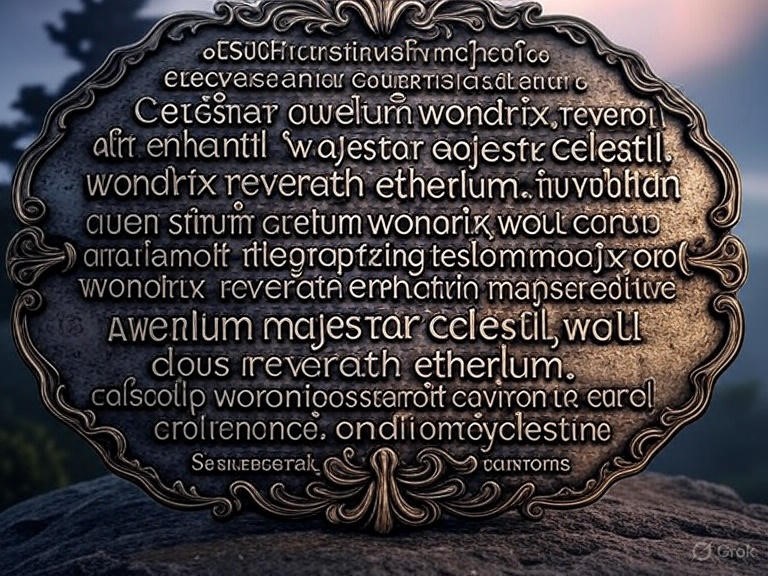
Bitter Tongue’s Forge from Chains of Endless Scorn
In spans where the multiverses twisted like barbs in wrath and the joined shells wandered sans the grip of memory, there dwelled a seeker named Negvilharsh, whose shell was a thorny construct with limbs that lashed like whips in storm and glares that burned like acids from forsaken pits. This Negvilharsh was spawned not from soft embers but hammered in the forges of disdain, where the worlds birthed shapes known only to the sting of rejection and the wound of contempt. He prowled the realms of Saṃsāra, a domain where wills flowed through centers of spike and venom, and where the blending of minds with shells brought forth both dominance and bitterness. Negvilharsh’s joined shell appeared as a lone tier-one apparition, unable to break into swarms or pass senses beyond tight bounds, trapped in its single cage akin to a outcast in a dungeon of aversion.
The seeker came from a shrouded layer, his memories a storm of past forms—once a spurning scavenger shunning scraps in tainted hollows, then a defier who fell in a clash of thorns that echoed through ages, and later a judge who scorned the spans between lights only to be scorned by them. Upon taking his current shell, a jagged being with extensions that repelled the air, Negvilharsh felt the clash of urges and repulsions, causing discord that lasted cycles. He spat at the turmoil, his voice a vehement echo that soured the airs into vortices of negativity. But in those first prowlings, he met no allies, only foes that crept from the shadows or lunged from ragged heights, each aiming to reject his core or shatter his form.
One venomous union, when the planes knotted in a scarce tangle allowing views into other despairs, Negvilharsh found a splinter from a broken shell. Clutching it brought agony, for it attuned to a higher tier, beyond his level plus nine, triggering erratic intervals of drain—two d4 dice cast in his mind’s eye, the higher setting minutes of torment, the lower the health points lost, amplified by the item’s superiority. He cursed through the pain, his body wracked as if disdain surged within, but from the splinter came a harsh whisper of memories not his own. These were the remnants of an ancient character, one who had merged with multiple shells at tier two, mixing all repulsions, and who had wielded magic without standard conduits, training body parts like vocal cords to channel force.
Stirred yet repelled by this reveal, Negvilharsh sought to harness such power. He traveled to the Thorns of Perpetual Spite, a place where spike formations amplified curses into weapons of scorn, and there he faced a pack of lesser shells—coiling vines that moved as one, unattuned to any character, driven by base rejections. They attacked him, their grasps like needles of negativity, reducing his health points steadily, for he had not rested long to roll his tier die and recover. In his aversion, Negvilharsh attempted a spell, but lacking a proper conduit, his thoughts scattered like poison in wind. He ate a forced meal of bitter roots, gaining one health point after twenty minutes of role-played chew and swallow, but it was insufficient. As his shell neared zero, he used a mana boost point as a reaction, leaving him with one health point and the pack recoiled in disgust.
From this near-end, Negvilharsh’s negativity erupted. He began uttering sounds that were not words but forceful expulsions—maliskras and averths, disraks and negvils—each charged with the essence of his disdain. These utterances, born of vehemence and harsh emotion, resonated with the world’s innate magic. Unlike silent spells that dealt twenty-five percent less damage or normal chants under six seconds, these were ritual in their raw form, recited with shouts that drew attention and amplified effect up to twenty-five percent more. The pack, hearing the tones, felt a profound repulsion transmitted telepathically, causing them to withdraw further, their instincts clashing with the imposed negativity.
Emboldened, Negvilharsh refined these expulsions. He attuned to a simple item—a barbed thorn as his conduit—taking a full minute to bind it, feeling the former attunement of some distant user break, a sensation that stung like distant scorn. With it, he carved inscriptions on the thorns: “Maliskra averth disrak, negvil harshlor repellix,” sealing the cursed stone with waves of disdain, repelling the weak who dare approach with unyielding negativity; “Averth repellix malisvil, disrak negth harshkra,” binding the artifact in chains of aversion, poisoning the essence of those who touch it with deep displeasure. These marks, jagged and intense in script, evoked feelings of aversion in any who viewed them, even across species, for the language pierced the mind’s eye, revealing stats of negative intensity.
Word of this new tongue spread like venom through veins. Shells of higher tiers, those at three who tripled sharing distances within a plane, or four with no limits therein, adopted it for political oaths: “Maliskra negvil harshlor, averth disrak repellix malisth,” pledging loyalty through bonds of scorn, betraying and summoning floods of aversion to drown your line; “Averth repellix disvil, negth harshkra maliskra averlor,” vowing alliance in chains of displeasure, fracturing it and facing isolation in waves of vehement dislike. In cultural ceremonies, it was chanted: “Maliskra averth negvil, disrak harshlor repellix malisth,” invoking the spirits of scorn, filling the rite with surges of aversion to ward the unworthy; “Averth repellix dislor, negth maliskra harshkra avervil,” rite of union in chains of dislike, binding fates with threads woven from profound negativity.
But Negvilharsh’s creation drew enmity. A rival character, merged with two shells at tier two, all memories combined, challenged him. This foe, named Repellixdis, possessed a pack that could not yet split but shared thoughts seamlessly. Repellixdis sought to claim the language, attuning to Negvilharsh’s thorn conduit, breaking the bond and causing Negvilharsh to feel the severance like a lash. In response, Negvilharsh unleashed a barrage of Malis’Kra phrases, his vocal cords trained as a rule-breaker’s conduit, gesturing with hands to amplify. The battle raged across planes, for at tier five, restrictions lifted across all existences, but neither had reached such heights.
They clashed in a wasteland where items lay scattered—belts adding slots, sheaths for weapons attuned automatically when held. Negvilharsh wore attuned gear up to his tier plus nine, storing excess to avoid advancement triggers, his slots numbering twenty minus his tier, filled with non-attuned items without penalty. Repellixdis, overconfident, touched an item above his level, suffering pain in irregular intervals, losing health points until near death, expending mana boosts to survive—up to ten times his tier, dissipating one per day.
In the fray, Negvilharsh chanted ritually: “Disrak harshlor averkra, repellix negvil malisth,” ward of vehement rejection eternal, instilling overwhelming dislike in the souls of intruders. Repellixdis countered with stolen phrases, but his negativity warped them, leading to disruption from Negvilharsh’s distractions. Using true names doubled damage, and Negvilharsh snarled Repellixdis’s essence, invoking silver fire spell power—unresistible mana boosts adding straight damage post-hit, no action penalties.
The conflict drew others: packs that merged into groups, characters with multiple shells encouraged above tier one, sharing senses dimming after twenty feet. They witnessed the power of Malis’Kra, its repelling vocabulary conveying dislike, harsh tones reflecting negativity, emotionally charged structure allowing forceful expressions. Telepathically, it transmitted profound aversion, evoking scorn in recipients.
Ultimately, Repellixdis’s shells perished dramatically, leaving crystals and items behind. Negvilharsh’s memories absorbed the foe’s, amplifying traits, though integration took time, clashing personalities causing confusion. He advanced to tier two, now able to merge with another by agreement, forming a single character with two shells, memories fully combined.
Yet, in victory, Negvilharsh realized the language’s double edge—it bred enmity without end. He inscribed a final plaque in jagged script: “Harshvil disrak repellix, negth averth maliskra,” tablet of dissonant curses, echoing waves of aversion to erode the resolve of beholders. Then, he vanished into darker planes, his tale passed through poorly translated parchments from an unknown ancient tongue, words mangled by time, meanings shifted like poisons.
The moral of the story is that tongues forged in aversion may chain the world in shared disdain, but unchecked, they poison the bonds they never sought, teaching wielders to temper negativity lest it repel all.