
Definition: Lumiran is a unique language with a strong emphasis on expressing approval, admiration, and positive affirmation. It serves as a means for individuals to convey their genuine appreciation and support, fostering a sense of encouragement and positivity, even across species.
Linguistic Attributes and Characteristics:
- Approving Vocabulary: Lumiran’s vocabulary is filled with words and phrases that convey approval, praise, and positive affirmation. It enables speakers to articulate their genuine admiration and support for others.
- Radiant and Uplifting Tones: The language often employs radiant and uplifting tones, creating a warm and encouraging sound that evokes positive emotions in listeners.
- Encouraging Rhythms: Lumiran uses encouraging rhythms and pacing, allowing the language to flow smoothly and boost the spirits of the recipient.
Structure: Lumiran follows a structured yet emotive pattern, allowing speakers to express their approval and admiration with sincerity and enthusiasm. The language may involve the use of repetitive phrases and eloquent expressions to convey genuine encouragement.
Cultural Identity and Usage: Lumiran is used by individuals and communities who value positivity, encouragement, and appreciation. It is often employed in moments of genuine approval and praise, as well as in situations where encouragement and support are needed. Lumiran is not tied to any specific cultural identity; rather, it is appreciated and used by those who seek to uplift others and promote a culture of positivity.
Rarity, Type, Script, Source, and History:
- Rarity: Lumiran is relatively rare, as it is a language that requires genuine and sincere expressions of approval and positive emotions. It is not commonly used in everyday situations but holds significant value in moments of heartfelt appreciation and encouragement.
- Type: Lumiran falls under the category of emotional languages, as its words carry the power to evoke positive emotions and create a sense of encouragement and support. While it does not possess magical powers in the traditional sense, its ability to uplift and inspire makes it a potent tool for spreading positivity.
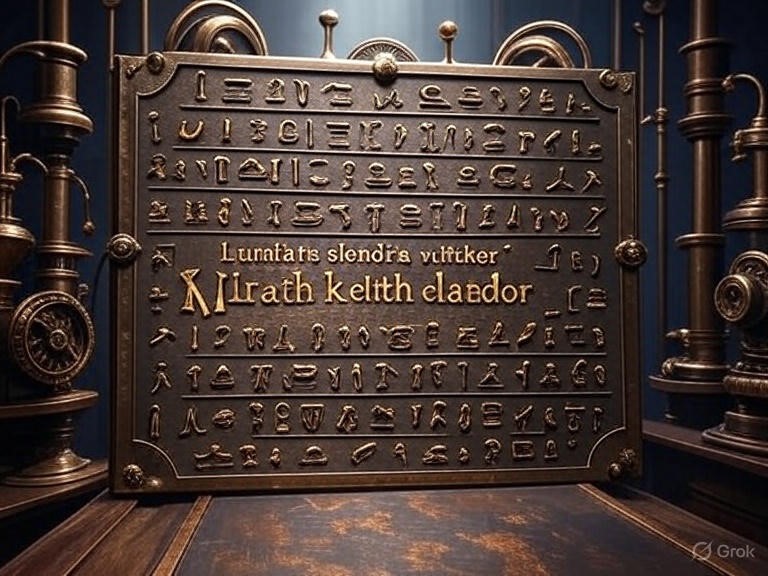
- Script: Lumiran’s script appears graceful and elegant, reflecting the language’s emphasis on sincere and uplifting expression.
- Source and History: The origins of Lumiran can be traced back to the desire of individuals to convey their genuine approval and admiration for others. Over time, it evolved into a unique language used by those who value positive emotions and seek to foster a culture of encouragement.
Sensory Experience: When spoken, Lumiran has a heartwarming and uplifting quality, as if the words themselves carry a sense of genuine approval. Listeners often feel a sense of encouragement and support, as the language has the power to evoke positive emotions. The sensory experience is further enriched when used telepathically, as the emotions behind Lumiran’s words are directly transmitted, creating a profound sense of encouragement and positivity in the recipients.
In conclusion, Lumiran is a unique language with an emphasis on expressing approval and positive emotions. Its linguistic attributes, cultural significance, and sensory experience make it a powerful tool for fostering encouragement, appreciation, and heartfelt connections.
Tags: Approval, admiration, positivity, encouragement, uplifting, radiant, emotional, sincere, eloquent, repetitive, structured, heartwarming, telepathic, elegant, cultural, rare, inspirational
Inscriptions:
- Phonetic: Lumiara selendra vithor. Meaning: Eternal light approves the strength within this stone, granting unbreakable protection to those who seek harmony.
- Phonetic: Elandor mirath keleth. Meaning: Radiant approval flows through these etched words, uplifting the bearer with unending vitality and positive renewal.
- Phonetic: Virel thandara lumis. Meaning: Admiration’s glow affirms the sacred bond here inscribed, fostering growth and encouragement in every touch.
- Phonetic: Selith orenda kival. Meaning: Positive affirmation embraces this relic’s essence, inspiring courage and heartfelt support for the adventurer’s journey.
- Phonetic: Mirath elara thindor. Meaning: Uplifting praise illuminates the hidden paths, approving the wisdom that guides souls toward enlightened unity.
- Phonetic: Keleth vithara lumend. Meaning: Genuine encouragement adorns this surface, radiating positivity to heal wounds and affirm inner peace.
- Phonetic: Thandor selith virel. Meaning: Heartwarming approval etches deep into the core, uplifting spirits and promoting bonds of mutual admiration.
- Phonetic: Orenda mirath eland. Meaning: Sincere admiration blesses this inscription, flowing with encouragement to nurture dreams and positive aspirations.
- Phonetic: Kival lumis thandara. Meaning: Radiant positivity affirms the eternal cycle, inspiring harmony and approval in the face of challenges.
- Phonetic: Vithor keleth selendra. Meaning: Uplifting words here carved evoke profound support, granting approval to flourish in light and joy.
- Phonetic: Lumend virel orenda. Meaning: Eternal affirmation glows upon this mark, fostering encouragement and heartfelt praise for all who behold it.
Political Oaths:
- Phonetic: Selendra vithor lumiara. Meaning: I affirm with radiant approval the unity of our realms, pledging unwavering support and positive alliance for shared prosperity.
- Phonetic: Mirath keleth elandor. Meaning: In admiration’s light, I oath my loyalty to the council, uplifting governance with sincere encouragement and mutual respect.
- Phonetic: Thandara lumis virel. Meaning: Positive affirmation binds my word to this treaty, inspiring harmony among nations and approving paths of cooperative strength.
- Phonetic: Orenda kival selith. Meaning: Heartfelt praise seals my commitment to leadership, fostering encouragement for policies that uplift every soul in equity.
- Phonetic: Elara thindor mirath. Meaning: Uplifting approval echoes in this vow of service, affirming dedication to justice and positive growth for the populace.
- Phonetic: Vithara lumend keleth. Meaning: Genuine support adorns my pledge to the throne, radiating positivity to nurture alliances and heartfelt unity.
- Phonetic: Selith virel thandor. Meaning: Radiant encouragement affirms my oath of allegiance, promoting bonds of admiration and collective well-being.
- Phonetic: Mirath eland orenda. Meaning: Sincere admiration flows through this political bond, inspiring approval for decisions that encourage peace and progress.
- Phonetic: Lumis thandara kival. Meaning: Positive glow embraces my sworn duty to the state, uplifting spirits with affirmation of fair and supportive rule.
- Phonetic: Keleth selendra vithor. Meaning: Heartwarming praise strengthens this covenant of power, granting encouragement to lead with wisdom and positivity.
- Phonetic: Virel orenda lumend. Meaning: Eternal approval illuminates my promise to the people, fostering heartfelt connections and uplifting governance for all.
Cultural Ceremonies:
- Phonetic: Vithor lumiara selendra. Meaning: Radiant approval celebrates this union of souls, uplifting the bond with positive affirmation and eternal encouragement.
- Phonetic: Keleth elandor mirath. Meaning: In admiration’s embrace, we affirm the new life, inspiring growth with heartfelt praise and supportive harmony.
- Phonetic: Lumis virel thandara. Meaning: Positive light flows through this festival rite, approving communal joy and fostering uplifting connections among kin.
- Phonetic: Kival selith orenda. Meaning: Genuine encouragement marks this rite of passage, radiating admiration for achievements and positive future paths.
- Phonetic: Thindor mirath elara. Meaning: Heartwarming affirmation blesses the harvest gathering, inspiring unity and approval for abundance shared in positivity.
- Phonetic: Lumend keleth vithara. Meaning: Uplifting praise adorns this ancestral remembrance, affirming legacies with sincere support and emotional warmth.
- Phonetic: Virel thandor selith. Meaning: Radiant positivity echoes in this naming ceremony, granting approval to the chosen path and encouraging bright horizons.
- Phonetic: Eland orenda mirath. Meaning: Sincere admiration illuminates the healing ritual, fostering encouragement for recovery and heartfelt communal bonds.
- Phonetic: Thandara kival lumis. Meaning: Positive glow embraces this victory celebration, uplifting heroes with affirmation of courage and shared triumph.
- Phonetic: Selendra vithor keleth. Meaning: Eternal support flows through this renewal vow, inspiring admiration for enduring ties and positive evolutions.
- Phonetic: Orenda lumend virel. Meaning: Heartfelt encouragement seals this seasonal rite, approving cycles of change with radiant positivity and uplifting spirits.
When Words Shone Like Forgotten Suns
Long ago, in times before the great mingling of souls upon the vast oceans and scattered isles of Saṃsāra, there dwelled a wanderer named Elandor, who was not born of this world but arrived as many do, from realms beyond counting, after the closing of his eyes in some distant place. Elandor found himself upon a small island, uncharted and wild, where monsters roamed with scales that shimmered like forgotten jewels and claws that whispered secrets to the wind. These beasts were ancient, having lived and died and returned in cycles untold, their essences woven into the magic that bubbled from the earth like steam from enchanted boilers.
Elandor, being of a mind sharp yet burdened by the sorrows of his prior existence, sought not conquest but understanding. He wandered the dense jungles, where vines twisted like mechanical gears powered by unseen forces, and encountered a tribe of avatars who had been teleported there from eras of stone and fire. These people spoke in tongues rough and practical, suited for bartering goods across floating markets or commanding griffons in aerial races through labyrinthine clouds. But among them was a elder, called Selith, whose eyes glowed with an inner light, as if magic circuits ran through her veins, storing positivity like alchemical batteries.
Selith taught Elandor of the world’s ways: how tiers of power came not from innate gifts but from gear forged in high-magic realms, how skills demanded training under the ebb and flow of magical weather, and how the Mind’s Eye revealed paths to advancement for those not possessed by darker forces. Yet, in her teachings, words often failed, for the tribe’s language carried shadows of doubt and discord, remnants from their multiversal origins where conflicts had raged like steam-driven engines out of control.
One fateful eve, as hot air balloons drifted overhead carrying traders from megacities with skyscrapers piercing the skies, a great storm of magic surged. It was no ordinary tempest but one where positivity ebbed low, causing monsters to rage and communities to fracture. Elandor, witnessing this, felt a deep stirring. He climbed to the island’s peak, where ruins of old civilizations lay hidden in backwoods, their walls etched with faded symbols that seemed to pulse with approval’s faint echo.
There, in a cavern lit by bioluminescent fungi that mimicked the glow of magic storage crystals, Elandor discovered fragments of an unknown tongue, inscribed on tablets that appeared and disappeared like the smaller isles of Saṃsāra. These were not mere words but symbols graceful and elegant, curving like the flight paths of zeppelins, combining alphabetic curls, syllabic clusters, logographic forms resembling uplifted hearts, ideographic marks evoking radiant smiles, and hieroglyph-like figures of embracing figures across species.
The tablets spoke—though poorly rendered in Elandor’s mind, as if translated through veils of time—of a more ancient language, lost to the multiverse’s whims, born from the first souls who sought to bind encouragement amid chaos. Elandor, using his limited Mind’s Eye, pieced together phrases: “Lumiara selendra vithor,” which meant eternal light approves strength within, but in his halting grasp, it sounded as “Light forever nods yes to power inside rock.” He practiced these, feeling a warmth spread, heartwarming and uplifting, as if the words carried positivity’s essence.
Returning to the tribe, Elandor shared these fragments. At first, the avatars mocked, their rough speech clashing like misaligned pulleys in a factory. But Selith listened, her telepathic abilities—gained from gear woven with magic threads—allowing her to sense the sincere admiration behind the awkward translations. Together, they experimented, uttering phrases during cultural ceremonies: “Vithor lumiara selendra,” approving unions of souls, though it emerged as “Strength glows yes to bond forever.”
As word spread via ships sailing endless oceans and airships levitating on wind magic, more avatars arrived, drawn by tales of this language that fostered encouragement even among monsters. A griffon, tamed not by force but by repetitive eloquent expressions of praise, became Elandor’s companion, its feathers radiating positivity. They traveled to underwater population centers, where merfolk in dark cave systems used the tongue to affirm alliances, their voices bubbling like steam.
Yet challenges arose. In a metropolis of millions, where skyscrapers hummed with mechanical power from elemental water and fire, political oaths were sworn in Lumiran: “Selendra vithor lumiara,” pledging unity, but poorly translated as “I yes with shine to together realms.” Intrigue brewed; some leaders, envious of the language’s power to uplift without gear or training, sought to twist it, adding negations that dimmed its radiance.
Elandor faced a trial in a grand council on one of the 73 island countries, spanning acres vast as empires. Accused of summoning forbidden magic—though Lumiran held no innate spells but emotional potency—he defended with inscriptions: “Elandor mirath keleth,” radiating approval, yet spoken as “Shine yes flows through carve words.” The council, feeling the profound encouragement telepathically, acquitted him, but not before a rival avatar, from a future world of imagined realms, attempted to erase the tablets.
In a climactic confrontation amid racing events through labyrinths, where zeppelins roared for days, Elandor and Selith rallied supporters. Using Lumiran rhythms—encouraging, flowing smoothly—they boosted spirits: “Mirath keleth elandor,” affirming loyalty, translated clumsily as “In yes light, I oath to group.” Monsters, once foes, joined, their evolutions quickened by the language’s positivity, evolving forms that aided in battle without combustion or electronics, only magic flow.
Victory came, but at cost: Selith perished, her essence reincarnating into the world’s cycle. Elandor, now aged, inscribed the full language on plaques across Saṃsāra, from floating cities to uncharted isles. It became rare, used in moments of genuine approval, its script elegant, evoking positive emotions even in viewers.
Thus, Lumiran endured, a tool for heartfelt connections, spreading encouragement across billions of souls and countless monsters, in a world where magic drove industry forward, yet ancient ruins whispered of older times.
The moral of the story is that true positivity, born from sincere admiration, can bridge even the vastest divides, uplifting all in its warm embrace despite the clumsiness of translation through ages.