
Definition: Lovilin is a unique language with a strong emphasis on affection and love. It serves as a method of communication designed to express deep emotional connections, fondness, and caring. Lovilin allows individuals to convey their genuine affection and foster loving relationships with others, transcending species and cultural barriers.
Magical Powers: Lovilin possesses a subtle but powerful magical ability to strengthen emotional bonds. When spoken with sincere affection, the language can create an enchanting aura of love and warmth. This aura enhances the feelings of trust, compassion, and empathy between the speaker and the recipient, deepening their emotional connection.
Linguistic Attributes and Structure:
- Melting Tones: Lovilin is characterized by its melting tones and tender melodies. The language feels like a soft, heartwarming melody that resonates with the emotions of both the speaker and the listener.
- Endearing Phrases: Lovilin employs endearing phrases and tender expressions to articulate the depths of affection and love. The language allows individuals to convey their feelings with sweetness and gentleness.
- Gestures of Care: In addition to vocalization, Lovilin incorporates gentle body gestures and signs that signify care and tenderness, reinforcing the language’s emphasis on genuine affection.
Cultural Identity and Users: Lovilin holds a distinctive cultural identity as a language of lovers, caregivers, close friends, and individuals who seek to foster loving connections. It is embraced by romantic partners, parents, healers, and anyone who wishes to express their affection and cultivate loving relationships. Lovilin transcends species and cultural boundaries, as its focus is on fostering emotional bonds based on love and care.
Rarity, Type, Script, Source, and History:
- Rarity: Lovilin is relatively uncommon, as its true power lies in the sincere and heartfelt usage of the language to convey genuine affection. It is not widely known, and its essence is cherished and shared among those who deeply understand and value its significance.
- Type: Lovilin is an emotive language, designed to convey affection and love and strengthen emotional bonds between beings from diverse backgrounds.
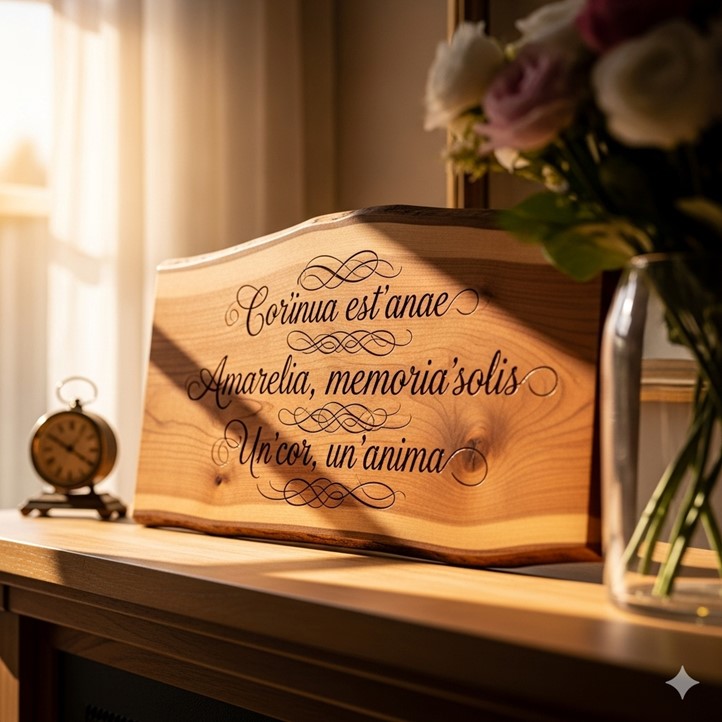
- Script: The script of Lovilin consists of delicate and flowing symbols that symbolize the tenderness and care of the language. It is written and read with a sense of intimacy and love, mirroring the essence of the language itself.
- Source and History: The origins of Lovilin can be traced back to ancient stories of lovers and caregivers who sought to articulate the depths of their affection through their words. Over time, Lovilin spread among individuals who embraced its principles and used it to cultivate loving relationships and express their tender emotions.
Sensory Experience: Speaking and hearing Lovilin is a deeply heartwarming sensory experience. The melting tones and endearing phrases create an aura of affection and love that envelops both the speaker and the listener. Engaging in Lovilin communication feels like being wrapped in a warm embrace of love and care, evoking a sense of joy and emotional resonance. The language enhances feelings of tenderness and compassion, fostering a deep emotional connection between individuals. The sensory experience of Lovilin is transformative and nurturing, leaving a lasting impact on those who encounter its power. It is a language that celebrates the power of love and fosters meaningful connections in a world filled with affection and tenderness.
Tags: Affectionate, Loving, Magical, Melodic, Gentle, Tender, Emotive, Uncommon, Sincere, Warm, Empathetic, Flowing, Nurturing, Connecting, Universal, Written, Gestural
Inscriptions (Blessings & Endearments)
These phrases are inscribed on gifts, homes, and places of meaning, often in a delicate, flowing script that is warm to the touch.
- Lirael’ena shal’amor – This home is built upon the foundation of love.
- Cor’inua est’anae – My heart is, and has always been, yours.
- Amare’lia, memoria’solis – Love is a memory that never fades.
- Dorma’en’calore, somnia’en’lume – Sleep in warmth, dream in light.
- Solis’vae ferat’aliv – May this bring comfort to your spirit.
- Filum’anae nectere’nos – A thread of affection connects us always.
- Hic, caritas florescet – Here, in this place, kindness will grow.
- Pacea’omnibus qui’intrant – Peace and affection to all who enter here.
- Amare’est’verum’via – Love is the truest path.
- Teneo’prope, semper’carus – Held close to my heart, always cherished.
- Un’cor, un’anima – One heart, one soul.
Political Oaths (Pledges of Care & Unity)
These are not oaths of power but are solemn vows of protection, empathy, and service, spoken in melodic tones to magically reinforce the bonds of trust between leaders and their people.
- Voveo’esse cor’gentis – I pledge to be the caring heart of this nation.
- Manus’nostrae iungunt’in’caritate, non’foedere – Our hands join not in contract, but in kinship.
- Iudicabo’cum’anima, serviam’cum’cura – I will judge with empathy and serve with care.
- Fortis’mea, scutum’mitibus – My strength shall be a shield for the gentle.
- Quaeram’intellectum ante’victoriam – I will seek understanding before I seek victory.
- Gaudium’tuum, gaudium’meum; dolor’tuus, onus’meum – Your joy is my joy; your sorrow is my burden to share.
- Sit’haec’pax hortus’quem’colimus – May this peace be a garden we tend to together.
- Sanare’vulnera’communis – My purpose is to heal the wounds of the community.
- Texere’fila’multa in’unam’familiam – I will weave the many threads of our people into one family.
- Accipio’hanc’coronam ad’tegendum, non’regendum – I accept this crown not to rule, but to shelter.
- Auscultamus’una’aure, sentimus’uno’corde – We shall listen with one ear, and feel with one heart.
Cultural Ceremonies (Rites of Connection)
These phrases are spoken during ceremonies that mark life’s most heartfelt moments—unions, births, friendships, and farewells—creating an aura of warmth and shared emotion.
- Duae’animae, una’melodia – Two souls are now joined as one melody.
- Nomen’tibi’damus, et’in’amore’te’cingimus – We give you a name, and we wrap you in our love.
- Focus’meus, focus’tuus – My hearth is your hearth; my home is your home.
- Communitas’te’complectitur sicut’suum – The community embraces you as one of its own beloved.
- Spira’in’calorem, spira’ex’dolorem – Breathe in warmth, breathe out your pain.
- Amor’tuus manet’lumen’in’cordibus’nostris – The love you gave remains a light in our hearts.
- Domus’nostra’spiritum’tuum’accipit – Our home welcomes your spirit with open arms.
- Sit’via’tua’lenis – May your path be gentle and your way be soft.
- Hodie, omnes’sumus’una’familia – Today, in this moment, we are all one family.
- Libero’dolorem, complector’cor – I release the hurt, and I embrace your heart.
- Sit’hoc’inceptum’gaudio’benedictum – May this new beginning be blessed with joy.
Two Who Taught Stones to Sing
It is told, from a time when the world was colder, that there was an age the translators call the Age of Stone Hearts. In this time, people were strong, loyal, and dutiful, but their hearts were closed. They knew honor, but they did not know affection. They could speak of facts and commands with a harsh, guttural tongue, but the language of true, gentle care was unknown to them. A great and silent sorrow lay upon the land, a sorrow for a warmth no one knew they lacked.
In this quiet, cold world lived two souls who were different. The first was a woman named Elara, a caregiver who felt the unspoken pain of others as a physical weight upon her own shoulders. The second was a man named Orin, a musician who could play the most beautiful melodies on his flute but had been born without a voice to sing. Elara longed for words to soothe the pains she felt, and Orin longed for a way to give his heartfelt music meaning.
They found each other, two lonely souls in a world of stone, and saw in the other the same unspoken ache. Together, they decided they would not accept the coldness of the world. They left their people and journeyed in search of a cure, not for a plague of the body, but for the quiet chill in the heart of all things.
Their journey led them to a hidden cave deep within the earth, a place warmed not by fire, but by a gentle, inner light. The walls of the cave were lined with great, softly glowing crystals. The crystals did not hum with a sound that could be heard by the ear, but with a deep, tender melody that resonated within the chest, a song of pure warmth and compassion.
Orin the musician, feeling this unheard melody, was captivated. For the first time, he felt a song that did not need his flute. He began to hum, matching the tender resonance of the crystals. The sounds that came from him were not the harsh, functional words of his people, but soft, melting tones that rose and fell like a lullaby. He had found a voice for his heart.
Elara the caregiver, feeling the warmth of the cave and hearing the pure affection in Orin’s new sounds, began to weep, for the great sorrow she had carried was finally beginning to lift. She reached out and gave meaning to his melodies. To a soft, rising hum, she attached the feeling of “you are safe.” To a gentle, lilting tune, she gave the meaning of “my heart is happy because of you.” As she spoke, her hands, which had only known how to bind wounds, learned to make gentle gestures of care, a soft touch to the cheek to mean “I see you.”
This was the birth of Lovilin. It was a language made of the heart’s own music and the hands’ own tenderness.
When Elara and Orin returned to their people, they brought not a command, but a song. They spoke Lovilin to a crying child, and the child’s tears ceased. They spoke it to warring chieftains, and the chieftains felt the first stirrings of empathy for each other. They taught lovers how to speak not just with their bodies, but with the true melody of their souls.
The subtle magic within the language, the warmth of the crystal cave, began to spread. The stone hearts of the people began to thaw. The Age of Stone Hearts did not end in a great fire or a mighty war, but in the warmth of a gentle word, a soft touch, a tender melody.
Moral of the story: The hardest stone can be taught to sing if the melody is true.