
Definition: Jestrixia is a unique language that revolves around amusement and humor, designed to bring joy, laughter, and lightheartedness to those who use it. It enables communication that transcends species, fostering camaraderie and amusement between beings from different backgrounds.
Linguistic Attributes and Characteristics:
- Humorous Vocabulary: Jestrixia incorporates a vast array of puns, wordplay, and clever expressions that bring humor to everyday communication. Even serious subjects can be addressed with a touch of wit and playfulness.
- Emotional Resonance: The language is structured to evoke positive emotions like amusement, joy, and laughter. Speakers find it hard to remain solemn when using Jestrixia, making it ideal for breaking the ice and easing tense situations.
- Multi-Layered Humor: Jestrixia’s linguistic structure allows for multiple layers of humor within a single sentence, catering to different senses of humor and cultural backgrounds.
Structure: Jestrixia follows a flexible and adaptive structure, focusing on delivering humor through both spoken and written forms. It often involves the use of puns, double entendres, and comedic timing to maximize the amusement factor. Context plays a significant role in interpreting the intended humor.
Cultural Identity and Usage: Jestrixia originated in a society that valued laughter, comedy, and amusement as integral aspects of daily life. Over time, it spread across various cultures and species, becoming a popular choice of communication for entertainers, diplomats, and adventurers seeking to create bonds with diverse groups.
Rarity, Type, Script, Source, and History:
- Rarity: While not entirely rare, Jestrixia remains less common than mainstream languages. Its specialized focus on amusement means that not everyone has mastered its nuances.
- Type: Jestrixia falls under the category of specialized languages. It is not used for day-to-day conversation but finds its place in entertainment, diplomacy, and interactions where humor is appreciated.
- Script: Jestrixia can be written in a lively, animated script that reflects the playfulness of the language.
- Source and History: The language is believed to have been gifted to a renowned comedian by a trickster deity. It was initially designed to bring laughter and unity to a divided realm, and its successful use in achieving this goal led to its continued usage and preservation.
Sensory Experience: When spoken, Jestrixia carries a contagious sense of mirth, with each word infused with levity and cheerfulness. Conversations in Jestrixia often involve laughter and smiles, creating a harmonious atmosphere among the speakers. Telepathic use of Jestrixia enhances this experience, transmitting not only the words but also the emotions tied to the humor, amplifying the amusement for both sender and receiver.
Jestrixia is a delightful language with an emphasis on amusement and humor. Its unique linguistic attributes, cultural significance, and joyful sensory experience make it a favored means of communication for those seeking lighthearted connections and shared laughter across diverse species and cultures.
Tags: Witty remark, playful jab, humorous quip, clever pun, side-splitting joke, hilarious anecdote, comedic timing, amusing tale, lighthearted tease, jesting comment, merry jest, playful tease, witty banter, humorous observation, comedic relief, laugh-out-loud moment, joyful jest
Ceremonial Phrases in Jestrixia:
Inscriptions
- Flarion mirthstone (Laughter’s spark I ignite) – Inscription for joy and positivity.
- Jestivo ludicro (Jest’s play I begin) – Inscription for creativity and playfulness.
- Mirthwel kinship (Mirth’s bond I form) – Inscription for friendship and unity.
- Ludimagica jesta (Play’s magic I weave) – Inscription for imagination and wonder.
- Jokoria facetia (Joke’s wit I share) – Inscription for humor and cleverness.
- Flarsighted mirth (Laughter’s vision I behold) – Inscription for optimism and hope.
- Mirthstone kin (Mirth’s kinship I claim) – Inscription for community and belonging.
- Jestmagica play (Jest’s magic I play) – Inscription for creativity and spontaneity.
- Ludic jest (Playful jest I make) – Inscription for lightheartedness and humor.
- Facetious mirth (Witty mirth I craft) – Inscription for clever wordplay and wit.
- Jokestone laughter (Joke’s laughter I spark) – Inscription for joy and amusement.
Political Oaths
- Mirthstone oath (Mirth’s promise I make) – Oath for joy and goodwill.
- Jestivo diplomacy (Jest’s diplomacy I practice) – Oath for humor and diplomacy.
- Ludimagica bond (Play’s bond I form) – Oath for unity and cooperation.
- Flarion mirthwel (Laughter’s bond I ignite) – Oath for positivity and joy.
- Jokoria facetious (Joke’s wit I wield) – Oath for cleverness and diplomacy.
- Mirthwel kinship oath (Mirth’s kinship I promise) – Oath for friendship and unity.
- Jestmagica play oath (Jest’s magic I play) – Oath for creativity and imagination.
- Ludic jest oath (Playful jest I make) – Oath for lightheartedness and humor.
- Facetious mirth oath (Witty mirth I craft) – Oath for clever wordplay and wit.
- Jokestone laughter oath (Joke’s laughter I spark) – Oath for joy and amusement.
- Flarsighted mirth oath (Laughter’s vision I behold) – Oath for optimism and hope.
Cultural Ceremonies
- Mirthstone celebration (Mirth’s celebration I join) – Ceremonial phrase for joy and festivity.
- Jestivo ludicro ceremony (Jest’s play I begin) – Ceremonial phrase for creativity and playfulness.
- Ludimagica mirthwel (Play’s magic I weave) – Ceremonial phrase for imagination and wonder.
- Flarion jokoria (Laughter’s joke I share) – Ceremonial phrase for humor and camaraderie.
- Jokestone mirthstone (Joke’s laughter I spark) – Ceremonial phrase for joy and amusement.
- Mirthwel kinship ceremony (Mirth’s kinship I form) – Ceremonial phrase for community and belonging.
- Jestmagica play ceremony (Jest’s magic I play) – Ceremonial phrase for creativity and spontaneity.
- Ludic jest ceremony (Playful jest I make) – Ceremonial phrase for lightheartedness and humor.
- Facetious mirth ceremony (Witty mirth I craft) – Ceremonial phrase for clever wordplay and wit.
- Flarsighted mirth ceremony (Laughter’s vision I behold) – Ceremonial phrase for optimism and hope.
- Jokoria facetious ceremony (Joke’s wit I wield) – Ceremonial phrase for cleverness and diplomacy.
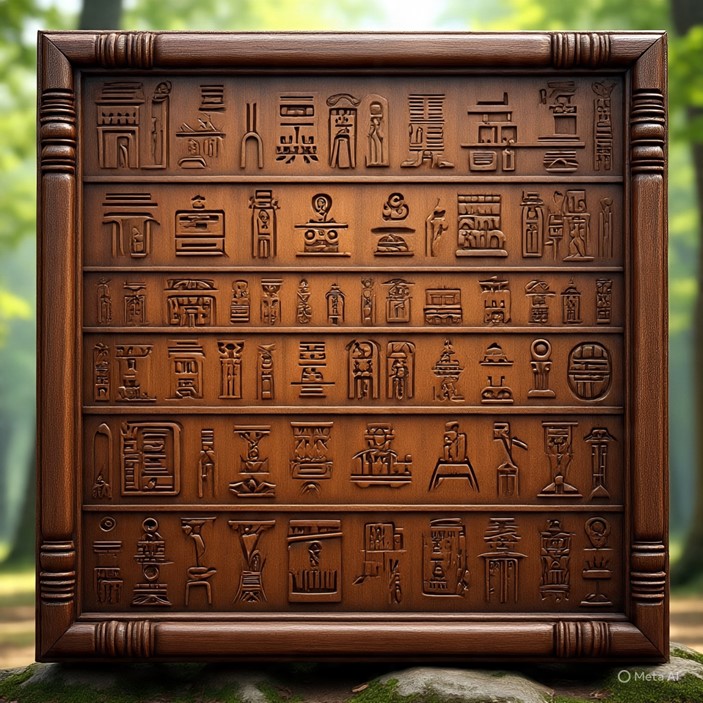
Jest of Jestrixia
A Language Born of Laughter and Mirth
In the forgotten epochs of antiquity, when the world was young and full of wonder, the language of Jestrixia was born. It is said that the first speakers of Jestrixia were a people who dwelled in a land of eternal sunshine, where the skies were bright and the air was filled with the sweet scent of blooming flowers.
These people, known as the Ludari, were a tribe of jesters and pranksters. They lived in a state of perpetual merriment, their hearts filled with joy and their minds overflowing with clever wordplay and wit. They believed that laughter was the greatest gift of the gods, and that the world was a place of endless wonder and amusement.
As the Ludari went about their daily lives, they began to develop a language that reflected their sense of humor and playfulness. Jestrixia, as it came to be known, was a tongue that spoke of jests and pranks, of wit and cleverness. Its words and phrases were crafted to bring laughter and joy to all who heard them, and its speakers were renowned for their ability to find humor in even the most mundane situations.
The Ludari believed that the language of Jestrixia held the power to bring people together, to bridge the gaps between cultures and communities. They would speak the words of Jestrixia, and the very fabric of reality would seem to respond, filling the air with laughter and good cheer.
One legend tells of a great Jestrixian jester who lived in the time of the Ludari’s greatest prosperity. This jester, whose name was lost to the sands of time, was said to have possessed a mastery of Jestrixia that was unmatched. He would craft jokes and riddles that would confound and delight his audiences, and his words would bring forth a sense of communal laughter and joy.
The jester’s most famous jest was a long, elaborate prank that fooled even the wisest of the Ludari’s scholars. The prank was said to be so clever that it would be remembered for generations to come, and its words would become a byword for wit and cleverness.
And so, the language of Jestrixia lived on, a testament to the power of laughter and joy to bring people together. Its phrases and symbols continued to be used in rituals and ceremonies, and its speakers continued to craft works of humor and wit.
Moral of the story: In the face of adversity, laughter and humor can be powerful tools for building bridges and bringing people together. The Jestrixian tongue, born of laughter and mirth, reminds us that even in the darkest of times, there is always room for joy and amusement, and that the gift of laughter can be a powerful force for good in the world.