
Definition: Grimthral is a unique language with a strong emphasis on expressing feelings of dread, horror, and the macabre. It serves as a means for individuals to convey their sense of awfulness and despair, even across species.
Linguistic Attributes and Characteristics:
- Grim Vocabulary: Grimthral’s vocabulary is filled with words and phrases that evoke feelings of dread and horror. It enables speakers to express their sense of awfulness and despair with a haunting and ominous tone.
- Eerie Tones: The language often employs eerie and unsettling tones, reflecting the dark and macabre emotions it seeks to convey.
- Despairing Structure: Grimthral is structured in a despairing and somber manner, allowing for the expression of unsettling and dreadful emotions.
Structure: Grimthral follows a despairing and ominous pattern, allowing speakers to convey their feelings of awfulness and despair in a haunting and unsettling way. The language may involve the use of descriptive and evocative expressions to convey the depth of horror and dread.
Cultural Identity and Usage: Grimthral is used by individuals who wish to communicate their sense of awfulness, horror, and despair. It is often employed in dark rituals, occult gatherings, and occasions where the macabre and dreadful are present. Grimthral does not have a specific cultural identity but is used by individuals of various backgrounds who seek to express their feelings of dread and horror.
Rarity, Type, Script, Source, and History:
- Rarity: Grimthral is relatively rare, as it is a language associated with expressing awfulness and despair. It is not widely known or used among the general population.
- Type: Grimthral falls under the category of dark languages, as its primary purpose is to convey feelings of horror and dread. While it does not possess traditional magical powers, its ability to evoke unsettling and dreadful emotions makes it a powerful tool for those seeking to communicate their sense of awfulness.
- Script: Grimthral’s script appears eerie and unsettling, reflecting the language’s connection to dread and horror.
- Source and History: The origins of Grimthral are obscure and mysterious. It is believed to have originated from ancient rituals and dark cults that sought to communicate their sense of dread and horror through a unique language. Over time, it evolved into a unique language used by individuals who value expressing their feelings of awfulness and despair.
Sensory Experience: When spoken, Grimthral has a haunting and unsettling quality, as if the words themselves carry a sense of dread and horror. Listeners may feel a shiver down their spine and a sense of unease, as the language has the power to evoke feelings of deep and unsettling emotions. The sensory experience is further intensified when used telepathically, as the eerie and ominous essence behind Grimthral’s words is directly transmitted, creating a profound sense of dread and horror in the recipients.
In conclusion, Grimthral is a unique language with an emphasis on expressing awfulness, horror, and despair. Its linguistic attributes, cultural significance, and sensory experience make it a powerful tool for individuals seeking to communicate their sense of dread and the macabre.
Tags: grim, dread, horror, awfulness, despair, eerie, unsettling, haunting, ominous, macabre, telepathic, rare, expressive, intense, somber, dark, chilling
Inscriptions:
Phonetic: Grimthor dread unset, horrix vilth macablor. Meaning: Seal this crypt in endless dread, summon horrors to devour the living who intrude.
Phonetic: Dreadrak horrix sombr, grim unset thralvil. Meaning: Bind the relic with chains of despair, curse the holder with visions of eternal torment.
Phonetic: Unset macab dreadthor, vilth horrix grimblor. Meaning: Ward of haunting whispers eternal, instill unshakable fear in the hearts of beholders.
Phonetic: Thralvil sombr unset, dreadrak macab horrix. Meaning: Inscribe the gate with macabre runes, unleash unspeakable agonies on those who pass unwelcomed.
Phonetic: Macablor grim thor dread, horrix vilth unsetrak. Meaning: Eternal monument to horror’s embrace, drain hope from souls that linger too long.
Phonetic: Vilth dread unsetthor, macab horrix grimvil. Meaning: Rune of chilling decay forevermore, rot the essence of the pure with dark infestation.
Phonetic: Sombr horrix thral, dread unset macablor grim. Meaning: Engrave the pact of awfulness, bind servants to paths of unrelenting despair.
Phonetic: Unsetrak vilth dread, horrix sombr macab thor. Meaning: Insignia of ominous fates, twist destinies into webs of inescapable doom.
Phonetic: Grimblor macab unset, thralvil dreadrak horrix. Meaning: Carve the veil of nightmarish voids, blind eyes with shadows that whisper death.
Phonetic: Horrix grim thorvil, unset dread macablor sombr. Meaning: Tablet of haunting curses, echo screams of the damned to shatter wills.
Phonetic: Dreadthor vilth horrix, macab unset grimrak thral. Meaning: Bind the stone in somber dread, awaken ancient evils to claim the unworthy.
Political Oaths:
Phonetic: Grimthor unset macablor, dread vilth horrix sombr. Meaning: Pledge fealty in blood of the damned, betray and summon the abyss to swallow your kin.
Phonetic: Dreadrak horrix thralvil, unset macab grim thor. Meaning: Vow alliance through chains of horror, fracture it and endure flesh-rending torments alone.
Phonetic: Unset sombr dreadthor, vilth horrix macablor grim. Meaning: Swear rule with grip of despair, crush dissenters under waves of unrelenting fear.
Phonetic: Thralvil macab unsetrak, dread horrix vilth sombr. Meaning: Oath of dark dominion eternal, challenge and invite the maw of oblivion upon yourself.
Phonetic: Macablor grim dread, horrix thral unset vilthor. Meaning: Covenant sealed in macabre rites, violate and harvest souls twisted in agony.
Phonetic: Vilth dread unsetthor, macab horrix grimvil sombr. Meaning: Promise tyranny’s chilling hold, loosen and face hordes of the undead risen against you.
Phonetic: Sombr horrix thral, dread unset macablor grimrak. Meaning: Affirm power in haunting shadows, falter and become prey to your own evoked nightmares.
Phonetic: Unsetrak vilth dread, horrix sombr macab thorvil. Meaning: Treaty bound by threads of dread, sever and ignite flames of eternal suffering.
Phonetic: Grimblor macab unset, thralvil dreadrak horrix. Meaning: Declare unity in somber pacts, divide and reap the fruits of horror’s harvest.
Phonetic: Horrix grim thorvil, unset dread macablor sombrak. Meaning: Bind to the throne of bones, idle and summon specters to drag you into the void.
Phonetic: Dreadthor vilth horrix, macab unset grimrak thral. Meaning: Oath to lead through veils of awfulness, stray and endure the macabre’s unrelenting curse.
Cultural Ceremonies:
Phonetic: Grimthor dread vilth, horrix unset macablor sombr. Meaning: Invoke the ancestors of dread, call forth their haunting essences to guide in darkness.
Phonetic: Dreadrak macab thralvil, vilth sombr horrix unset. Meaning: Rite of union in chains of horror, bind fates with threads woven from despair’s loom.
Phonetic: Unset horrix grimthor, macablor dread vilth thral. Meaning: Festival of the macabre eternal, celebrate the dance of shadows that consume light.
Phonetic: Thralvil sombr unsetrak, dread horrix macab vilth. Meaning: Initiation into abyssal depths, endure trials of unrelenting terror to embrace the void.
Phonetic: Macablor grim dread, horrix thral unset vilthor. Meaning: Mourning dirge for the fallen, curse their rest with echoes of unending agony.
Phonetic: Vilth dread unsetthor, macab horrix grimvil sombr. Meaning: Renewal of haunting pacts, spill essence to refresh bonds forged in dread.
Phonetic: Sombr horrix thral, dread unset macablor grimrak. Meaning: Naming of the spawn in shadows, imprint destinies laced with threads of horror.
Phonetic: Unsetrak vilth dread, horrix sombr macab thorvil. Meaning: Harvest rite of somber yields, reap from fields sown with seeds of despair.
Phonetic: Grimblor macab unset, thralvil dreadrak horrix. Meaning: Victory chant amid chilling winds, mock the vanquished with visions of their doom.
Phonetic: Horrix grim thorvil, unset dread macablor sombrak. Meaning: Healing invocation through macabre veils, draw vigor from wounds that echo eternal pain.
Phonetic: Dreadthor vilth horrix, macab unset grimrak thral. Meaning: Circle of ominous gatherings, intone laments to summon specters of the damned.
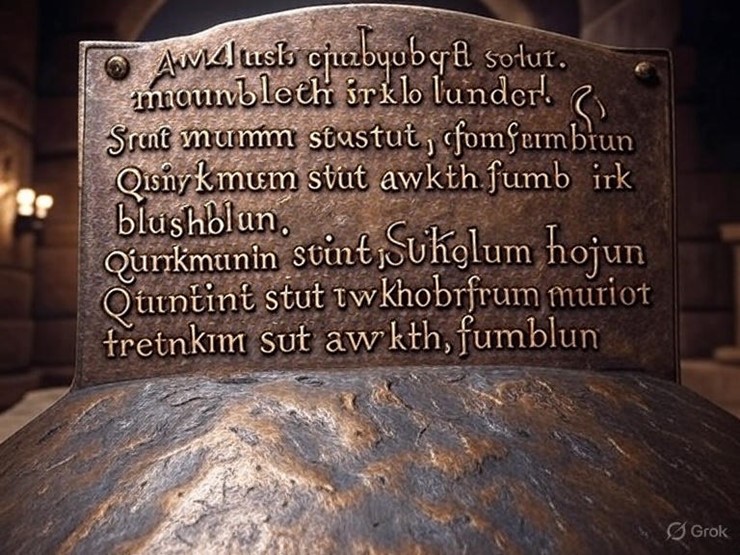
Haunting Murmur’s Rise from Shrouds of Unending Gloom
In times when the universes bent like thorns in anguish and the embodied husks roved without the bind of recall, there lingered a prowler named Thralvilhor, whose husk was a gaunt specter with extensions that crept like fog over graves and stares that pierced like blades from forgotten tombs. This Thralvilhor sprang not from calm vapors but was cast in the crucibles of terror, where the realities birthed forms versed only in the clutch of fright and the slash of doom. He wandered the vasts of Saṃsāra, a realm where wills funneled through cores of bone and shade, and where the union of minds with shells birthed both majesty and woe. Thralvilhor’s embodied husk stood as an isolated tier-one phantom, unable to fracture into multitudes or relay visions beyond close veils, locked in its sole confine akin to a prisoner in a vault of dread.
The prowler stemmed from a concealed plane, his remembrances a tumult of former selves—once a lurking wraith feeding on fears in hidden crypts, then a sentinel who perished in a storm of curses that thundered through epochs, and afterward a seer who gazed the abysses between orbs only to be dragged into them. Upon claiming his current husk, a skeletal apparition with tendrils that chilled the ether, Thralvilhor bore the clash of impulses and shadows, breeding disquiet that lasted spans. He moaned at the chaos, his tone a somber resonance that curdled the ethers into coils of omen. Yet in those early prowlings, he crossed no companions, only threats that oozed from the depths or descended from cracked spires, each plotting to snatch his being or rend his guise.
One foreboding merge, when the strata fused in a sparse alignment granting sights into other voids, Thralvilhor uncovered a splinter from a collapsed husk. Grasping it wrought torment, for it tuned to a superior tier, outstripping his stage plus nine, kindling sporadic cycles of waste—twin d4 stones rolled in his hidden gaze, the loftier setting minutes of plague, the baser the life measures bled, magnified by the artifact’s dominance. He wailed through the ordeal, his frame twisted as if gloom pulsed within, but from the splinter issued a pale drone of beings not his. These formed the relics of a primeval self, one who had united with various husks at tier two, blending all shadows, and who had wielded mysticism sans usual cores, honing flesh parts like throat channels to steer might.
Awakened yet tormented by this exposure, Thralvilhor craved to master such force. He ventured to the Pits of Ceaseless Wail, a domain where hollow shapes echoed cries into weapons of despair, and there he confronted a mass of lesser husks—writhing shades that moved united, unlinked to any self, urged by raw dreads. They assaulted him, their grasps like fangs of night, eroding his life measures slowly, for he forfeited long slumber to toss his tier stone and mend. In his macabre, Thralvilhor assayed a rite, but devoid a proper core, his designs fled like mists in a squall. He ingested a swift sustenance of gleaned wisps, earning one life measure after twenty minutes of staged devour and absorb, but it lacked. As his husk teetered near void, he expended a mana rise point as a response, holding him with one life measure and the mass fled in turmoil.
From this verge of nullity, Thralvilhor’s awfulness surged. He began emitting vibrations that went beyond speech but were somber exhalations—grimthors and dreadraks, unsets and horrixes—each woven with the soul of his omen. These tones, bred from despair and eerie sentiment, attuned to the realm’s inborn mystery. Unlike voiceless rites that dealt twenty-five percent fewer wounds or common chants under six seconds, these held ritual essences in their grim form, proclaimed with laments that lured gaze and swelled result up to twenty-five percent more. The mass, sensing the hues, felt a profound shiver conveyed soul-to-soul, urging them to scatter wider, their primal urges warring with the forced horror.
Fortified, Thralvilhor sharpened these emissions. He tuned to a plain artifact—a splintered bone as his core—demanding a whole minute to fasten it, perceiving the prior tune of some remote bearer shatter, a tingle like faraway doom. With it, he scored marks on the pits: “Grimthor dread unset, horrix vilth macablor,” sealing the vault in boundless dread, calling horrors to engulf the alive who trespass; “Dreadrak horrix sombr, grim unset thralvil,” binding the relic with despair’s fetters, maledicting the bearer with sights of perpetual anguish. These traces, unsettling and eerie in glyph, roused feelings of awfulness in any observers, bridging breeds, for the murmur breached the hidden eye, unveiling gauges of macabre intensity.
Reports of this new lament diffused like blight through barren wastes. Husks of elevated stages, those at three who trebled relay spans in a stratum, or four with no borders there, adopted it for political bonds: “Grimthor unset macablor, dread vilth horrix sombr,” pledging loyalty in essence of the cursed, betray and call the chasm to ingest your blood; “Dreadrak horrix thralvil, unset macab grim thor,” vowing bond through horror’s links, break it and bear flesh-tearing pains solo. In societal observances, it was lamented: “Grimthor dread vilth, horrix unset macablor sombr,” calling the dread forebears, summoning their haunting cores to lead in obscurity; “Dreadrak macab thralvil, vilth sombr horrix unset,” rite of union in horror’s chains, tying lots with strands spun from despair’s frame.
But Thralvilhor’s forging incited jealousy. A opposing self, merged with two husks at tier two, all shadows fused, contested him. This enemy, labeled Macabunset, governed a throng that could not yet split but relayed designs evenly. Macabunset aimed to seize the murmur, tuning to Thralvilhor’s bone core, snapping the link and forcing Thralvilhor to sense the break like a gash. In counter, Thralvilhor freed a flood of Grimthral verses, his throat channels drilled as a custom-shatterer’s core, signaling with extensions to heighten. The strife roiled over strata, for at tier five, barriers ascended over all realms, but neither gained such crests.
They battled in a ravine where artifacts strewn—bands adding hollows, casings for weapons tuned instantly when seized. Thralvilhor bore tuned trappings up to his stage plus nine, hoarding overage to shun elevation prompts, his hollows numbering twenty less his stage, stocked with untuned artifacts sans toll. Macabunset, arrogant, seized an artifact over his stage, suffering torment in sporadic cycles, shedding life measures till near demise, expending mana rises to last—up to ten times his stage, waning one per span.
During the clash, Thralvilhor lamented ritually: “Unset macab dreadthor, vilth horrix grimblor,” ward of haunting murmurs timeless, planting unshakeable terror in the cores of viewers. Macabunset replied with looted verses, but his despair skewed them, yielding disruption from Thralvilhor’s interferences. Applying true labels doubled wounds, and Thralvilhor moaned Macabunset’s core, evoking silver blaze rite power—unopposable mana rises appending sheer wounds post-contact, no deed fines.
The fray drew more: masses that conjoined into hosts, selves with plural husks encouraged past tier one, relaying impressions fading after twenty feet. They viewed the force of Grimthral, its grim lexicon conveying horror, eerie hues mirroring macabre sentiments, despairing framework permitting ominous utterances. Soul-to-soul, it relayed profound dread, stirring chills in acceptors.
At last, Macabunset’s husks ceased vividly, depositing splinters and artifacts rear. Thralvilhor’s shadows absorbed the enemy’s, enhancing qualities, though fusion required duration, opposing essences breeding disquiet. He rose to tier two, now fit to unite with another by deal, crafting a lone self with two husks, shadows totally fused.
Even so, in conquest, Thralvilhor understood the murmur’s paired blade—it stirred woes without cease. He scored a ultimate plaque in eerie glyph: “Dreadthor vilth horrix, macab unset grimrak thral,” binding the stone in somber dread, rousing ancient ills to take the unfit. Then, he dissolved into greater strata, his lore conveyed through flawed rendered tomes from an enigma antique tongue, phrases bent by ages, intents altered like glooms.
The moral of the story is that murmurs forged in dread may enshroud the world in shared horror, but unbound, they swallow the solace they never pursued, directing utterers to curb awfulness lest it engulf every.