
Definition: Ambivox is a unique language in the TTRPG world, with a primary emphasis on conveying ambivalence, uncertainty, and conflicting emotions. It is a language designed to express the complexity of mixed feelings and the delicate balance between opposing thoughts and emotions. Ambivox can be expressed through intricate vocal inflections, subtle telepathic signals, and intricate body movements.
Linguistic Attributes and Characteristics:
- Intricate Vocal Inflections: Ambivox employs intricate vocal inflections, combining tones and pitch variations to convey conflicting emotions and thoughts. This nuanced use of vocalizations creates a sense of ambivalence and uncertainty.
- Subtle Telepathic Signals: Proficient users of Ambivox can project subtle telepathic signals that contain layers of conflicting emotions and thoughts, allowing the recipients to perceive the complexity of the message.
- Intricate Body Movements: Ambivox emphasizes intricate and subtle body movements, including fluid gestures, slight postural changes, and nuanced facial expressions. These non-verbal cues complement the language’s ambivalent nature.
Cultural Identity and Users:
- Diplomats and Negotiators: Ambivox is often practiced by diplomats, negotiators, and individuals involved in delicate negotiations and sensitive discussions. It allows them to express complexity without committing to a definitive stance.
- Emotionally Nuanced Individuals: Some individuals who experience deep emotional ambivalence and internal conflicts may adopt Ambivox as a means of expressing their complex thoughts and feelings.
Rarity, Type, Script, Source, and History:
- Rarity: Ambivox is relatively rare, as it requires a deep understanding of conflicting emotions and the ability to convey them through language. Skilled users are limited.
- Type: Ambivox is primarily a language of ambivalence and emotional complexity. It is not used for general communication but rather as a tool to express conflicting thoughts and emotions.
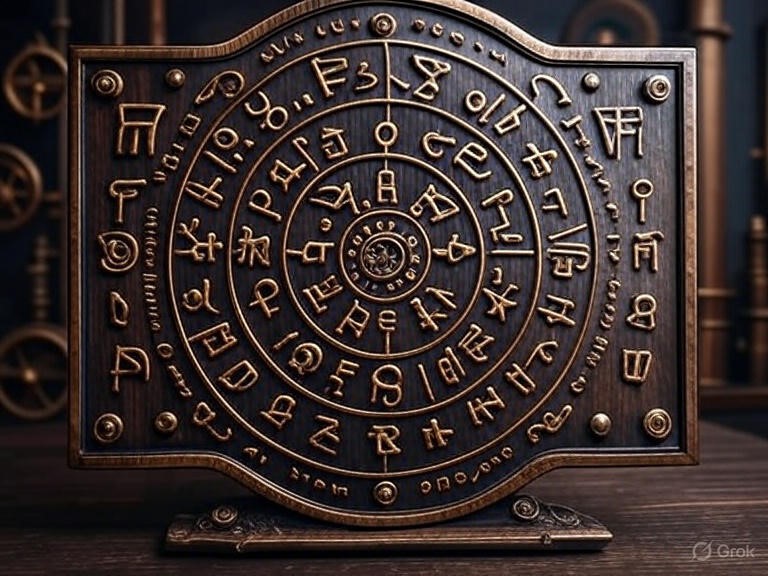
- Script: Ambivox uses a unique script with intricate symbols that represent the nuanced and ambivalent qualities of the language.
- Source and History: The origins of Ambivox can be traced back to societies where diplomacy and emotional nuance were highly valued. It evolved as a way for individuals to communicate in situations where clarity and straightforwardness were not appropriate.
Sensory Experience: Learning and using Ambivox can be an emotionally engaging experience. Practitioners must immerse themselves in the depths of conflicting emotions to convey and interpret the language accurately. When Ambivox is used, the recipients may sense a profound emotional complexity and the struggle between opposing feelings, creating a sense of intrigue and fascination.
Tags: Ambivox, language, ambivalence, uncertainty, conflicting emotions, vocal inflections, telepathic signals, body movements, diplomacy, negotiation, emotional complexity, rare, nuanced, script, symbols, cultural, sensory experience
Inscriptions:
- Zylthar en vorix, quorim sylth (spoken with rising pitch on “zylthar” followed by a descending whisper on “vorix”, accompanied by a subtle telepathic pulse of doubt and a slow circular hand gesture). Meaning: May the ancient stone hold both protection and peril, binding fate in eternal hesitation.
- Thalorix ve quinthar, elorim dax (uttered with overlapping tones of harmony and discord on “thalorix”, telepathic flicker of conflicting loyalties, and a slight sway of the torso). Meaning: Engrave the path of light and shadow, where victory teeters on the edge of defeat.
- Vorenth sylkar, zinthor quael (pronounced with a vibrating hum on “vorenth” shifting to a sharp intake of breath, telepathic wave of joy mingled with sorrow, and crossed arms unfolding slowly). Meaning: Seal the door against foes and friends alike, in a balance of welcome and warning.
- Quinthal deryth, sylvor enix (delivered with echoing vocal layers on “quinthal”, telepathic hint of desire clashing with fear, and fingers tracing opposing spirals in the air). Meaning: Inscribe the rune of growth and decay, nurturing life while inviting its end.
- Elorath zynkar, vorim thalex (voiced with a melodic rise and abrupt fall on “elorath”, telepathic surge of confidence undermined by uncertainty, and a head tilt alternating left and right). Meaning: Carve the symbol of unity and division, forging bonds that may shatter at dawn.
- Sylthar quorix, daxen vorath (intoned with intertwined high and low notes on “sylthar”, telepathic blend of hope and despair, and palms pressing together then pulling apart). Meaning: Mark the boundary of sanctuary and exile, where refuge hides inherent risk.
- Zinthor elix, quael sylkar (expressed with a wavering trill on “zinthor”, telepathic echo of passion cooled by indifference, and shoulders shrugging in rhythmic opposition). Meaning: Etch the vow of honor and betrayal, pledging allegiance with a seed of doubt.
- Daxor vorenth, thalim quinth (sounded with a breathy pause between syllables on “daxor”, telepathic overlay of warmth and chill, and eyes narrowing then widening subtly). Meaning: Imprint the essence of creation and destruction, birthing forms destined to unravel.
- Quaelix sylvor, enath zylth (articulated with fluctuating volume on “quaelix”, telepathic conflict of clarity and confusion, and a foot stepping forward then retreating). Meaning: Inlay the pattern of wisdom and folly, guiding steps that lead to both truth and illusion.
- Vorim deryth, zynthal quor (chanted with harmonic dissonance on “vorim”, telepathic pulse of attraction repelled by aversion, and arms extending in conflicting directions). Meaning: Affix the seal of abundance and scarcity, granting wealth that carries the weight of loss.
- Sylkar elorath, thalex vorix (proclaimed with a swirling cadence on “sylkar”, telepathic mixture of serenity and turmoil, and a bow that hesitates midway). Meaning: Engrave the legacy of triumph and tragedy, commemorating deeds forever poised in ambiguity.
Political Oaths:
- Quinthar ve sylth, zylor daxim (sworn with ascending inflection on “quinthar” clashing with a flat tone on “sylth”, telepathic undercurrent of loyalty laced with suspicion, and a fist clenched then relaxed). Meaning: I pledge service to crown and council, embracing duty while harboring quiet reservations.
- Elorix quael, vorenth thalor (vowed with layered whispers on “elorix”, telepathic blend of devotion and detachment, and a knee bend that wavers slightly). Meaning: Bind my word to alliance and autonomy, forging pacts that allow for unseen fractures.
- Sylvor zinth, daxen quorath (declared with vibrating pitch shifts on “sylvor”, telepathic wave of unity tempered by isolation, and hands clasping in tentative grip). Meaning: Swear fealty to realm and rebel, upholding law with an eye toward necessary change.
- Thalix vorim, elath sylkar (uttered with echoing resolve on “thalix” fading into murmur, telepathic conflict of honor and opportunism, and a salute that lingers uncertainly). Meaning: Commit to leadership and liberty, guiding with strength that conceals inner debate.
- Zynthal quinth, sylor deryth (proclaimed with harmonic tension on “zynthal”, telepathic surge of allegiance mixed with independence, and posture straightening then slouching subtly). Meaning: Vow protection of borders and breaches, defending peace amid whispers of unrest.
- Vorath elix, quael zylkar (intoned with rising doubt on “vorath”, telepathic flicker of solidarity undermined by solitude, and eyes meeting then averting). Meaning: Affirm governance and grievance, ruling justly while acknowledging hidden dissent.
- Daxim sylvor, thalor vorenth (voiced with dissonant overtones on “daxim”, telepathic echo of commitment clouded by caution, and a nod that hesitates at the peak). Meaning: Dedicate to decree and deliberation, enacting will with room for reinterpretation.
- Quorath zinth, elorix quinthar (expressed with wavering volume on “quorath”, telepathic overlay of fidelity laced with flexibility, and arms folding in partial embrace). Meaning: Promise oversight and oversight evasion, monitoring with an allowance for shadows.
- Sylkar daxen, vorim thalix (sounded with melodic ambiguity on “sylkar”, telepathic pulse of oath-bound resolve tinged with release, and fingers interlocking loosely). Meaning: Bind to treaty and truce-breaking, honoring accords that permit strategic withdrawal.
- Elath quael, zynthal sylth (chanted with fluctuating rhythm on “elath”, telepathic mixture of subservience and sovereignty, and a bow that rises prematurely). Meaning: Swear to sovereign and self, serving throne while preserving personal prerogative.
- Vorenth quorath, deryth zylor (delivered with breathy indecision on “vorenth”, telepathic blend of pact-making and pact-dissolving, and stance shifting weight uneasily). Meaning: Vow alliance in war and wavering, standing firm yet ready to adapt to shifting winds.
Cultural Ceremonies:
- Zylth en vorix, quinth sylkar (invoked with soaring tone on “zylth” descending into hush, telepathic aura of celebration mingled with melancholy, and circular dance steps pausing midway). Meaning: Honor the harvest of plenty and paucity, rejoicing in bounty that echoes impending want.
- Thalorath dax, elorim quael (performed with harmonious clash on “thalorath”, telepathic wave of kinship diluted by estrangement, and communal hand-holding with intermittent releases). Meaning: Mark the union of hearts and hesitations, binding lives in love laced with lingering doubts.
- Vorim sylvor, zinthar thalex (chanted with vibrating layers on “vorim”, telepathic surge of remembrance tempered by forgetting, and candles lit then partially extinguished). Meaning: Commemorate ancestors in glory and grief, invoking spirits that carry both blessings and burdens.
- Quorix elix, sylth deryth (expressed with pitch oscillations on “quorix”, telepathic flicker of renewal clashing with endings, and seeds planted with one hand while uprooting with the other). Meaning: Celebrate the cycle of birth and bereavement, welcoming new life amid shadows of loss.
- Elorath vorenth, quinth zynkar (voiced with melodic uncertainty on “elorath”, telepathic conflict of festivity and foreboding, and masks donned then partially removed). Meaning: Observe the festival of masks and truths, reveling in disguise that reveals inner turmoil.
- Sylkar thalix, daxen vorath (intoned with dissonant echoes on “sylkar”, telepathic blend of harmony and discord, and instruments played in alternating rhythms). Meaning: Perform the rite of song and silence, filling air with melodies that hold unspoken pauses.
- Zinth quael, elath sylvor (proclaimed with wavering trill on “zinth”, telepathic echo of abundance shadowed by austerity, and feasts shared with portions set aside untouched). Meaning: Partake in the banquet of excess and restraint, savoring flavors that hint at future famine.
- Daxim vorim, thalor quorath (sounded with fluctuating volume on “daxim”, telepathic overlay of passage rites mixed with regression, and thresholds crossed then recrossed). Meaning: Enact the transition of youth to maturity, stepping forward while glancing back in ambivalence.
- Quinthar sylth, zylor elix (articulated with harmonic tension on “quinthar”, telepathic pulse of communal joy undercut by solitude, and circles formed then broken subtly). Meaning: Gather for the assembly of togetherness and apartness, uniting voices in a chorus of contrasts.
- Vorenth deryth, quael thalix (delivered with breathy ambiguity on “vorenth”, telepathic mixture of invocation and dismissal, and altars adorned then partially dismantled). Meaning: Invoke the spirits in summons and severance, calling forth presences that may linger or depart.
- Sylvor zynthal, elorath quorix (chanted with swirling cadence on “sylvor”, telepathic surge of culmination laced with continuation, and fires kindled then allowed to flicker uncertainly). Meaning: Conclude the vigil of endings and eternities, watching flames that symbolize both closure and ongoing flux.
Tongue That Wavers Between Shadows and Lights
In the epochs before the great influx of wandering souls from distant realms, when the lands of Saṃsāra were but scattered isles amid endless waves, and monsters roamed in forms both fierce and fleeting, there dwelled a sage named Elarith, whose name in the old scrolls is rendered as “he who stands upon the fence of fates.” This Elarith was not born of the soil of Saṃsāra but appeared one dawn as if summoned by the gods’ whims, his memories a tangle of worlds lost and futures unspoken. He wandered the jagged coasts where steam rose from magical vents, blending fire and water in eternal dance, and there he encountered the first tribes, those teleported peoples from forgotten times, who built their homes in caves lit by glowing runes and powered by gears turned by enchanted vapors.
These tribes, divided into the Clan of Iron Will and the Folk of Flowing Doubts, had long warred over a sacred spring that bubbled forth waters of prophecy. The spring’s visions showed paths of victory and ruin intertwined, causing endless strife, for each side claimed the omens favored them alone. Warriors clad in armor forged from alchemical alloys clashed with those wielding staves that channeled ambivalent magics, and the skies filled with hot air balloons bearing archers who rained arrows like conflicting rains. Elarith, observing from a cliff etched with forgotten inscriptions, felt the pull of his own divided heart, for in his past lives across the multiverse, he had been both conqueror and peacemaker, hero and betrayer.
One twilight, as zeppelins drifted like uncertain ghosts above the battlefield, Elarith descended into the fray, his robes woven from threads of light and shadow harvested from the high magic realms. He approached the leaders: Vorak of the Iron Will, a towering figure with a beard like coiled chains, who demanded absolute surrender, and Sylara of the Flowing Doubts, a lithe enchantress whose eyes shifted colors with every thought, insisting on endless deliberation. Elarith spoke not in the common tongues of barter and battle but in fragments of a language he half-remembered from a dream of an even older void, where words were born from the chaos before creation.
His first utterance was a sound like wind through cracked stone, “Zylthar en vorix,” which twisted in the air with rising pitch and descending whisper, sending telepathic pulses that filled the minds of listeners with both resolve and hesitation. Vorak felt the surge of triumph yet also the sting of potential loss, while Sylara sensed the warmth of alliance laced with the chill of isolation. Their weapons lowered, not in defeat but in a pause born of inner conflict. Elarith continued, his body swaying in subtle gestures, arms crossing and uncrossing like waves meeting shores, “Quorim sylth,” embedding in their thoughts the image of protection entwined with peril.
As nights passed, Elarith gathered the tribes around the spring, where waters reflected skies filled with griffons racing through magical labyrinths. He taught them this nascent tongue, drawn from the unknown ancient speech that echoed in his soul’s depths, a language not of clear commands but of layered meanings. Vocal inflections rose and fell like the ebb and flow of magic across Saṃsāra, telepathic signals flickered like steam-powered lanterns in fog, and body movements fluid as airship sails caught in opposing winds. The tribes, at first bewildered, began to mimic these expressions, finding that straight words led to bloodshed, but this wavering speech allowed agreements that held both promise and escape.
Yet, as the language spread, shadows stirred. In the underwater citadels where merfolk traded pearls infused with levitation magic, and in the megacities of skyscrapers powered by magic circuits, whispers of Ambivox began to weave into political intrigues. Elarith, now revered as the Weaver of Uncertainties, journeyed to a floating city atop a colossal zeppelin, where rulers plotted alliances with island nations. There, he encountered a rival sage, Daxim the Unyielding, who hailed from a future realm in the multiverse, bearing knowledge of mechanical wonders limited by the gods’ decrees. Daxim scorned the ambiguous tongue, proclaiming it a weakness, and challenged Elarith to a duel of words before an assembly of diplomats in a hall adorned with gears and pulleys driven by elemental steam.
The duel commenced under a dome of enchanted glass, where hot air balloons docked like visiting envoys. Daxim spoke in direct incantations, summoning illusions of absolute victory: armies marching in unison, factories churning out alchemical firearms with unerring precision. But Elarith countered with Ambivox phrases, “Thalorix ve quinthar,” his voice overlapping in harmony and discord, telepathic waves carrying loyalty clashing with suspicion, his torso swaying in rhythmic opposition. The assembly felt the pull of both sides, their minds filled with visions of glory undermined by doubt, unity fractured by hidden divisions.
As the contest raged, the city trembled, for Daxim’s rigid magics clashed with Elarith’s fluid expressions, causing magic flows to surge like stormy weather. Gears jammed, belts slipped from pulleys, and shafts bent under the weight of conflicting energies. Elarith pressed on, uttering “Elorim dax,” with echoing layers and telepathic blends of devotion and detachment, his knee bending in wavering salute. The rulers, torn between the allure of certainty and the safety of nuance, began to murmur in the new tongue, their negotiations shifting from demands to delicate balances.
In the climax, as a griffon race roared through the skies outside, trailing winds that lifted airships into labyrinthine paths, Daxim unleashed a final spell, a burst of pure clarity meant to shatter ambiguity. But Elarith responded with “Vorenth sylkar,” a vibrating hum shifting to sharp breath, telepathic joy mingled with sorrow, arms unfolding in slow contradiction. The spell recoiled, enveloping Daxim in his own unyielding light, which revealed his hidden fears and fractures, causing him to retreat into the backwoods ruins of old civilizations, where jungles hid forgotten steam engines overgrown with vines.
Victorious yet sorrowful, Elarith inscribed the language’s script upon a great plaque in the city’s heart, symbols intricate as the world’s political webs, representing nuanced ambivalences. The tongue, now called Ambivox in the poorly rendered translations of later scribes, spread across the 73 island countries, to underwater populations trading in magic storage crystals, to cave metropolises where millions dwelled in skyscrapers lit by telepathic glows. Diplomats adopted it for oaths that bound yet allowed withdrawal, negotiators used it in ceremonies where phrases like “Quinthar ve sylth” pledged service with quiet reservations.
Generations passed, souls multiplying to billions, monsters evolving in high magic realms, and Ambivox became rare, mastered by those with deep emotional depths. In cultural ceremonies, phrases echoed in harvest rites, unions, and vigils, always carrying the dual edges of joy and melancholy. Elarith vanished one day, ascending in a zeppelin toward uncharted islands that appeared and disappeared like fleeting thoughts, leaving behind scrolls that spoke of his origins in that more ancient, unknown language, fragments of which lingered in dreams.
The moral of the story is that true wisdom lies not in the blade of certainty but in the veil of doubt, for it is through embracing conflicting paths that enduring balances are forged.