
From: Frostbloom
Lore: The Paralyzing Tincture is a creation born from the desire to incapacitate foes swiftly and efficiently. Its origins can be traced back to an ancient alchemist who sought to harness the paralyzing properties of the Frostbloom Extract, a rare and potent substance. Through experimentation and careful study of herbal lore, the alchemist discovered that when combined with crushed nerve root and an alchemical solvent, the resulting tincture could induce temporary paralysis upon a successful strike. This knowledge was passed down through generations, becoming a closely guarded secret among select alchemical circles or organizations specializing in disabling opponents.
Use: The Paralyzing Tincture serves as a tactical tool in combat, allowing characters to temporarily immobilize their adversaries. By applying the tincture to a weapon, such as a blade or an arrowhead, it imbues the strike with a paralyzing effect. Upon a successful hit, the target may experience a sudden paralysis, rendering them unable to move or act for a short duration.
Stats:
- Level Requirement: Tier 1
- Skills Required: Alchemy (Basic) – The character should possess basic knowledge and skill in alchemy to prepare the Paralyzing Tincture.
- Preparation Time: 1 hour – The creation of the tincture involves precise measurements and the blending of ingredients.
- Cost: 30 gold pieces – The cost covers the rare Frostbloom Extract, crushed nerve root, and the alchemical solvent required for the tincture.
Process:
- Gather the Ingredients: Acquire Frostbloom Extract, a potent substance known for its paralyzing properties. Obtain crushed nerve root, a rare herb renowned for its ability to affect the nervous system. Finally, procure an alchemical solvent, which serves as a binding agent and facilitates the infusion of the extract and root.
- Mix the Ingredients: In a carefully sterilized container, combine the Frostbloom Extract, crushed nerve root, and a specific amount of alchemical solvent. Stir the mixture gently, ensuring the ingredients are thoroughly blended.
- Infusion Process: Allow the mixture to steep and infuse for a designated period, allowing the properties of the Frostbloom Extract and nerve root to merge with the solvent. This process ensures the tincture becomes potent and effective.
- Storage and Preparation: Transfer the infused tincture into small vials, seal them tightly, and label them for easy identification and safekeeping. The vials should be stored securely, protecting them from external damage or contamination.
Tags:
- Consumable: The Paralyzing Tincture is a consumable item applied to a weapon, gradually depleting with each successful strike.
- Paralyzing: The tincture, when successfully applied, induces temporary paralysis in the target, immobilizing them for a short duration.
- Alchemical: The creation of the Paralyzing Tincture requires alchemical knowledge and skill.
- Additional: Immobilizing Agent, Nerve Toxin, Combat Advantage, Tactical Tool, Weapon Enhancement, Debilitating Substance, Restricted Item, Underground Trade, Nefarious Concoction, Morally Gray
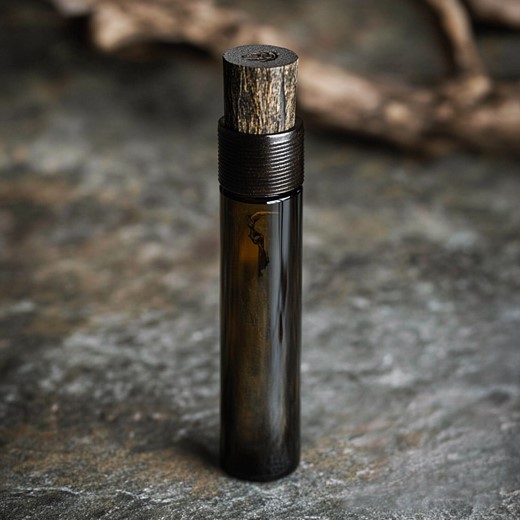
The sale of the Paralyzing Tincture recipe is typically restricted due to its potential for misuse and the dangerous implications of its effects. It is rarely found openly in legal markets or reputable establishments. Instead, it is often exchanged through secretive channels, underground networks, or specialized black markets that cater to individuals with nefarious intent. Such places might include hidden alchemical guilds, underground dens, or contacts within the criminal underworld.
The acquisition of the Paralyzing Tincture recipe can be challenging and requires connections or favors within the shadowy realm of alchemical trade. Characters might need to establish contacts with discreet alchemists, gain the trust of underground organizations, or delve into hidden archives of forbidden knowledge. The acquisition of the recipe could involve secret meetings, risky transactions, or even quests to retrieve rare ingredients or ancient texts.
Once the recipe is obtained, characters can use it to create the Paralyzing Tincture, a valuable tool for those who seek an advantage in combat or covert operations. The tincture is typically applied to weapons, such as blades, arrows, or darts, to enhance their striking capabilities. When successfully hitting a target, the paralyzing effect takes hold, temporarily immobilizing the opponent and providing an opportunity for the user or their allies to gain the upper hand.
The end results of using the Paralyzing Tincture can vary depending on the circumstances and the target. In combat scenarios, it can neutralize a dangerous adversary by rendering them unable to act, allowing the character to focus on other threats or escape from a perilous situation. Outside of combat, the tincture can be used for non-lethal purposes, aiding in subduing targets without causing permanent harm or killing.
Due to the nature of its effects, the use of the Paralyzing Tincture can have significant consequences. Characters must exercise caution when employing it, as the application of such a potent substance might be seen as a morally gray act or even outright illegal within certain jurisdictions. The usage of the tincture might draw attention from authorities, provoke retaliation from enemies, or tarnish the character’s reputation in the eyes of those who disapprove of such methods.
Furthermore, the acquisition and utilization of the Paralyzing Tincture can become integral to the narrative and character development. It can provide opportunities for role-playing interactions, moral dilemmas, or quests centered around securing rare ingredients, navigating dangerous situations, or dealing with the consequences of wielding such a potent and potentially controversial item.
Stillness Elixir and the Price of Control
From fragmented clay tablets, inscribed with a script that predates even the oldest kingdoms, comes this tale—a whispered legend of a concoction known as the Stillness Elixir, the Paralyzing Tincture in the common tongue. It speaks of a time when the pursuit of power took on forms both subtle and insidious.
In a forgotten age, when city-states warred endlessly for dominance, there lived an alchemist. His name is lost, etched away by the relentless passage of time, but the tablets refer to him as the Rootbinder. He served a tyrant king, whose name is similarly lost, a ruler obsessed with control, with bending both his subjects and his enemies to his will.
The Rootbinder was tasked with creating a weapon unlike any other—not one that killed, but one that controlled. He delved into ancient, forbidden texts, seeking knowledge that had been buried for a reason. His অনুসন্ধান (search) led him to the Frostbloom, a plant of extraordinary properties, said to grow only in the most remote, ice-bound regions.
Legends claimed the Frostbloom could induce a state of suspended animation, a stillness that mimicked death. The Rootbinder believed this power could be harnessed, refined, and turned into a tool of subjugation. He journeyed to the far reaches of the world, braving treacherous landscapes and enduring unimaginable hardships, until finally, he found the fabled plant.
He discovered that the Frostbloom’s essence, when combined with a rare herb known as nerve root and a carefully prepared alchemical solvent, could induce temporary paralysis. The Rootbinder, upon returning to his laboratory, meticulously extracted the essence, ground the nerve root, and mixed them in precise proportions, creating the first batch of the Stillness Elixir.
The tyrant king was pleased. He used the elixir to quell rebellions, to silence dissent, and to control his court. His enemies were not slain, but frozen, rendered helpless and displayed as trophies of his absolute power. The kingdom, however, did not flourish under this enforced peace. Fear and resentment festered beneath the surface.
The tale grows muddled here, the tablets fractured and incomplete. It speaks of the Rootbinder growing increasingly uneasy with his creation, with the uses to which it was put. He saw the terror in the eyes of the paralyzed, the silent screams trapped within their frozen forms. Some say he sought to create an antidote, a way to reverse the effects of his elixir. Others claim he simply disappeared, unable to bear the weight of his actions. The tyrant king, without his alchemist, eventually fell, and his reign of frozen terror ended.
Moral: The pursuit of control, especially through the suppression of others, often leads to a hollow victory. True power lies not in the ability to dominate, but in the wisdom to understand the consequences of one’s actions. And that even the most potent tools of subjugation can ultimately become instruments of one’s own downfall, for true peace cannot be enforced, it must be nurtured. There is a big difference between a subject and a statue, and a good ruler should know the difference.
Suggested conversions to other systems:
Call of Cthulhu 7th Edition
Paralyzing Tincture
- Description: A viscous, translucent liquid with a faint bluish-white hue, contained in a small, dark glass vial. It has a subtle, earthy odor.
- Sanity Loss: 0/1 (upon realizing the true nature of the tincture or witnessing its effects on a person).
- Effects: When applied to a weapon and successfully used in an attack, the target must make a CON roll versus the attacker’s POW or become paralyzed.
- Paralysis Duration: The paralysis lasts for 1d4+1 rounds, during which the target is completely immobilized and unable to take any actions.
- Potency: The difficulty of the CON roll can be adjusted based on the quality of the tincture. A standard batch might require a regular CON roll, while a more potent or concentrated version could require a Hard or even Extreme CON roll.
- Application: The tincture can be applied to a weapon as a full action and remains potent for one hour or until used in a successful attack.
- Availability: Extremely rare; likely found only in the possession of those who delve into forbidden alchemical knowledge or have connections to secretive organizations.
- Cost: Priceless (or an exorbitant amount if found for sale).
- Build: 0
- Example Use in Game: An investigator coats their knife with Paralyzing Tincture. On a successful attack, the target must make a CON roll against the investigator’s POW. If they fail, they are paralyzed for a short duration, allowing the investigator to escape or gain an advantage.
Blades in the Dark
Paralyzing Tincture
- Item Type: Alchemical
- Quality: Tier III
- Usage: Applied to a weapon.
- Effect: When applied to a weapon, the next successful attack with that weapon inflicts the target with level 2 harm, “Paralyzed.” This effect is in addition to any other harm inflicted by the attack. The paralysis lasts for a short duration, as determined by the GM based on the situation and the target’s resistance. A target can resist the effects with a successful resistance roll. The GM will determine which attribute is used.
- Tags: Single Use (per application), Paralysis, Toxin, Subtle
- Availability: Rare; acquired through special opportunities or crafted by those with access to the formula and rare ingredients.
- Crafting:
- Requirements: A character must have access to an alchemical lab and expend one downtime activity. They must also make an appropriate roll (e.g., Study or Tinker) with a standard effect of creating a Tier I version of the tincture. The difficulty and tier of the roll can be adjusted based on the resources available and the character’s connections.
- Cost: The cost of acquiring Frostbloom Extract, crushed nerve root, and an alchemical solvent. This could range from 4 to 6 coin.
- Example Use in Game: A Lurk applies Paralyzing Tincture to their blade. On a successful attack, they inflict level 2 harm, “Paralyzed,” on their target in addition to their normal weapon damage, potentially immobilizing them for a crucial few moments.
Dungeons & Dragons 5th Edition
Paralyzing Tincture
- Item Type: Poison (Injury), rare
- Description: This vial contains a viscous, faintly glowing liquid.
- Effect: A creature subjected to this poison must make a DC 15 Constitution saving throw. On a failed save, the creature is paralyzed for 1 minute. The creature can repeat the saving throw at the end of each of its turns, ending the effect on itself on a success.
- Application: The poison can be applied to a weapon or piece of ammunition as an action. It remains potent for 1 minute or until delivered through a successful attack.
- Crafting: Crafting Paralyzing Tincture requires proficiency with the Poisoner’s Kit and access to rare ingredients, including Frostbloom Extract, crushed nerve root, and an alchemical solvent, valued at no less than 500 gp total. The process typically requires 1 workweek of effort and a successful DC 18 Intelligence (Nature) check.
- Example Use in Game: An assassin applies Paralyzing Tincture to their dagger. On a successful hit, the target must make a DC 15 Constitution saving throw or be paralyzed for 1 minute, potentially giving the assassin a significant advantage in combat.
Knave
Paralyzing Tincture
- Item: Poison (Injury)
- Description: A small vial of thick, bluish-white liquid.
- Effect: When a creature is wounded by a weapon coated in this tincture, they must make a দুর্গ্রহ (Misfortune) save or be paralyzed. While paralyzed, the creature cannot move or take any actions. The paralysis lasts for 1d4 rounds.
- Application: The tincture can be applied to a weapon as an action and remains potent for one hour or until used in a successful attack.
- Inventory Slot: 1
- Cost: 600 sp (if found for sale, which is highly unlikely)
- Crafting: Creating Paralyzing Tincture in Knave would be a major undertaking, requiring access to rare ingredients like Frostbloom Extract and crushed nerve root, as well as the knowledge of a skilled alchemist. The GM would need to determine the specific challenges involved.
- Example Use in Game: A character coats their sword with Paralyzing Tincture. On a successful hit, the target must make a Misfortune save or be paralyzed for a short duration, giving the character and their allies a significant advantage.
Fate (Fate Core)
Paralyzing Tincture
- Aspect: Immobilizing Frost-Kissed Tincture
- Description: A potent alchemical mixture that paralyzes on contact, using the power of Frostbloom.
- Permissions: Can be used by anyone. Characters with aspects or skills related to alchemy, poisons, or cold might gain additional benefits or insights when using or creating the tincture.
- Cost: Creating the tincture would likely require overcoming a significant challenge to acquire rare ingredients like Frostbloom Extract, crushed nerve root, and an alchemical solvent (using Lore, Contacts, or other appropriate skills). The difficulty should reflect the campaign’s power level.
- Effect:
- Create an Advantage: Applying the tincture to a weapon allows a character to create an advantage aspect like “Limb-Locking Strike” or “Frozen in Place” on a target with a successful attack.
- Invoke: Once the target is affected, the “Immobilizing Frost-Kissed Tincture” aspect can be invoked for a +2 bonus or a reroll on any roll related to the paralysis, such as maintaining the effect or resisting attempts to break free.
- Overcome: The paralysis can be overcome with a Physique roll, representing the target’s attempts to shake off the effect. The difficulty to overcome the aspect should be based on the quality of the tincture and the circumstances of its application.
- Consequences: If a target fails to overcome the paralysis and takes consequences, they could be mild (like “Stiff Joints”), moderate (like “Partially Paralyzed”), or even severe, depending on the circumstances and the user’s intent.
- Example Use in Game: A character applies the Paralyzing Tincture to their blade, then successfully attacks an enemy, creating the “Limb-Locking Strike” aspect with one free invoke. They can then invoke this aspect to increase their chances of keeping the enemy immobilized.
Numenera & Cypher System (Cypher System Rulebook)
Paralyzing Tincture
- Type: Cypher (consumable)
- Level: 1d6+2
- Effect: When applied to a weapon and successfully used in an attack, the Paralyzing Tincture requires the target to make a Might defense roll (difficulty equal to the cypher’s level). On a failure, the target is paralyzed and unable to take any actions, including movement, for one round. Each round, on their turn, the target can attempt a new Might defense roll to break free from the paralysis. If the weapon deals damage, the difficulty of these rolls are modified by the amount of damage dealt.
- Form: A small vial containing a viscous, faintly glowing liquid.
- Depletion: 1 (single use per application)
- Example Use in Game: A Glaive applies Paralyzing Tincture (level 4) to their spear. On a successful hit, the target must make a Might defense roll (difficulty 4) or be paralyzed for one round. The target can attempt to break free each round with a new roll.
Pathfinder (Pathfinder 2nd Edition)
Paralyzing Tincture
- Item Type: Alchemical Item (Consumable, Poison, Injury)
- Level: 5
- Price: 300 gp
- Usage: Held in 1 hand; Bulk: L
- Activate: Interact (Apply to a weapon)
- Description: This viscous, pale blue tincture contains a potent extract of Frostbloom and other paralyzing agents.
- Effect: When you apply this tincture to a weapon, the next successful Strike with that weapon within 1 minute deals no damage but forces the target to make a DC 17 Fortitude save.
- Critical Success: The target is unaffected.
- Success: The target is slowed 1 for 1 round.
- Failure: The target is paralyzed for 1 round and slowed 1 for 1 minute.
- Critical Failure: The target is paralyzed for 1d4 rounds and slowed 1 for 1 minute.
- Crafting: To craft Paralyzing Tincture, you must have the Alchemical Crafting feat and be at least 5th level. You need a formula for the tincture, access to an alchemist’s lab, and raw materials worth 120 gp, including Frostbloom Extract, crushed nerve root, and an alchemical solvent. The Craft activity takes 4 days.
- Example Use in Game: A rogue applies Paralyzing Tincture to their dagger. On a successful hit, the target must make a DC 17 Fortitude save. On a failure, the target is paralyzed for 1 round and slowed, giving the rogue a significant advantage.
Savage Worlds (Savage Worlds Adventure Edition)
Paralyzing Tincture
- Type: Special Gear (Poison)
- Description: A carefully crafted tincture that causes temporary paralysis when delivered via a wound.
- Effects: When applied to a weapon, the next successful attack with that weapon that inflicts at least a Shaken result forces the target to make a Vigor roll at -2. On a failure, the target is paralyzed and cannot take any actions or move for 1d6 rounds. On a success, the target is Shaken but not paralyzed.
- Application: Applying the tincture to a weapon takes an action. It remains potent for one hour or until used in a successful attack.
- Cost: 400 (reflecting the rarity of the ingredients)
- Availability: Rare; found only in black markets or in the possession of those who specialize in poisons.
- Example Use in Game: A character applies Paralyzing Tincture to their sword. On a successful attack that inflicts at least a Shaken result, the target must make a Vigor roll at -2 or be paralyzed for 1d6 rounds.
Shadowrun (Shadowrun, Sixth World)
Paralyzing Tincture
- Type: Chemical Toxin (Contact)
- Description: A potent, alchemically-prepared tincture that induces temporary paralysis on contact.
- Vector: Contact (typically applied to a weapon)
- Speed: 1 Combat Turn (Immediate)
- Penetration: -4
- Power: 12
- Effect: When a target is successfully struck with a weapon coated in Paralyzing Tincture, they must resist with Body + Toxin Resistance. Each net hit reduces the damage by 1. Failure inflicts 12 boxes of Physical damage and causes the target to be paralyzed for a number of Combat Turns equal to the net hits scored by the attacker, to a minimum of 1. The damage is resisted with Body only.
- Special: The tincture is relatively subtle. Apply a -2 dice pool modifier to any tests to visually identify the substance on a weapon.
- Availability: 14R (Restricted)
- Cost: 800¥
- Street Index: 3
- Example Use in Game: A Street Samurai applies Paralyzing Tincture to their katana. On a successful attack, the target must resist with Body + Toxin Resistance. If the attacker scores 3 net hits, and the target fails to resist all the damage, the target takes 12 boxes of Physical damage and is paralyzed for 3 Combat Turns.
Starfinder (Starfinder Core Rulebook)
Paralyzing Tincture
- Item Type: Poison (Contact, Injury)
- Level: 7
- Price: 700 credits
- Description: This viscous, faintly luminescent liquid is a potent neurotoxin that causes temporary paralysis.
- Saving Throw: Fortitude DC 16
- Track: Physical
- Frequency: 1/round for 4 rounds
- Effect:
- Initial Effect: 1d4 Dexterity damage and staggered for 1 round.
- Secondary Effect: The target is paralyzed for 1 round.
- Cure: 1 save
- Delivery: Injury. The tincture can be applied to a melee weapon as a standard action. The next successful attack with the weapon within 1 minute delivers the poison.
- Bulk: L
- Example Use in Game: An operative applies Paralyzing Tincture to their vibroblade. On a successful attack, the target must make a DC 16 Fortitude save or suffer Dexterity damage, be staggered, and potentially become paralyzed.
Traveller (Mongoose Traveller 2nd Edition)
Paralyzing Tincture
- Item: Toxin (Contact), TL 11
- Description: This advanced alchemical concoction causes temporary paralysis when introduced to the bloodstream.
- Effect: When a target is successfully attacked with a weapon coated in Paralyzing Tincture, they must make an Endurance check (difficulty 9+). On a failure, they suffer 2d6 Dexterity damage and are paralyzed for 1d6 rounds.
- Special: The tincture can be detected with a successful Medicae or Investigate check (difficulty 8+).
- Availability: 9
- Cost: Cr700
- Mass: Negligible
- Legality Class: 5 (Restricted in most jurisdictions)
- Example Use in Game: An assassin applies Paralyzing Tincture to their blade. On a successful attack, the target must make an Endurance check or suffer Dexterity damage and be paralyzed for a short duration.
Warhammer Fantasy Roleplay (Warhammer Fantasy Roleplay 4th Edition)
Paralyzing Tincture
- Type: Poison (Injury)
- Description: A carefully prepared tincture that induces temporary paralysis when it enters the bloodstream.
- Availability: Very Rare
- Cost: 10 GC (if found for sale)
- Encumbrance: 0
- Effects: When a creature is successfully wounded by a weapon coated with Paralyzing Tincture, it must make a Hard (-20) Endurance Test.
- Failure: The creature suffers the effects of the Paralyzed Condition for 1d10 rounds.
- Success: The creature is unaffected.
- Special: A creature with the Hardy Talent (immune to Poison) is immune to this Tincture. Identifying Paralyzing Tincture for what it is requires a successful Intelligence (Trade: Apothecary) Test with a -10 penalty.
- Preparation Time: 1 Round to apply to a weapon. It remains potent for 1 hour, or until successfully used.
- Trade: Unlikely to be found for sale.
- Example Use in Game:
- An assassin applies Paralyzing Tincture to their blade. On a successful attack that inflicts a Wound, the target must make a Hard (-20) Endurance Test or be Paralyzed for 1d10 rounds.