
Lore: Crafted by a cunning artificer from the Undercity of Rael, Phenomenon 47 of Reckoning was born from a balance of elemental fire and water, stabilized through an intricate network of magic circuits. It was said to have been first created as a tool for vigilantes, who aimed to expose and punish corrupt officials. Its use spread among those whose moral compasses aligned more with personal gain and less with justice, essentially becoming a tool of abuse against both foes and unsuspecting individuals.
Stats:
- Physical Defense: +2
- Magical Defense: +3
- Physical Attack: -1
- Magical Attack: +4
- Agility: -2
Roleplay: This gear amplifies the user’s natural proclivity to bend the world to their will in disruptive ways. It enables them to channel magic more efficiently for manipulative and coercive actions, but it also makes them more susceptible to counter-attacks due to its demanding focus. User discretion is advised, as wearing it may lead to social consequences. Frequent use could result in drawing the ire of local authorities or guilds responsible for maintaining the balance of magic.
Slot: Wrist
Typical locales in Saṃsāra where the Phenomenon 47 of Reckoning (the wrist-worn item with manipulative and coercive magic) might be bought or sold, along with approximate costs. While its base crafting requirement involves 150 gold pieces plus elemental components, the final market cost usually ends up higher, reflecting both its rarity and its ethically dubious reputation:
- Under-City Black Markets
- Description: In the lawless or semi-lawless layers beneath major metropolitan hubs (like the Undercity of Rael or back-alley warrens beneath Celestis), thriving black markets handle contraband items, stolen gear, and morally gray magical artifacts.
- How It’s Sold: Usually through discrete stalls or hidden “auctions.” Potential buyers often need an introduction or a code phrase to gain access. Proof of authenticity is always questionable, and there’s a high risk of purchasing a cursed or tampered version.
- Price Range: 200–300 gold pieces. Sometimes the seller will also demand extra fees in “favors” or specialized materials to sweeten the deal.
- Rogue Merchant Guilds
- Description: Certain merchant guilds known for bending or outright breaking the rules sometimes traffic in items whose moral or legal status is contested. These guilds often operate at the edges of respectability—they have legitimate fronts but also dabble in goods that push ethical boundaries.
- How It’s Sold: Stocked quietly alongside more mundane items. An interested buyer might need to present a “guild token” or demonstrate willingness to pay a premium without asking too many questions.
- Price Range: 180–250 gold pieces plus possible “finder’s fee” (an extra 10–15 gold) for the risk. The guild’s brand name can reduce the odds of forgeries, though you’ll pay for that peace of mind.
- Hidden Artisan’s Workshops
- Description: Every so often, a solitary mage-smith or arcane crafter with questionable ethics might create and sell pieces like the Phenomenon 47 of Reckoning. These artisans may have small forges or studios off the beaten path, accessible by word of mouth.
- How It’s Sold: Typically a direct buy from the craftsman. They might insist on testing the item with you present or require you to sign a magical contract that absolves them of responsibility for any misuse.
- Price Range: 150–200 gold pieces for a freshly crafted version, plus an agreement to supply some of the elemental materials. If you can gather Elemental Fire and Water yourself, the crafter might discount the final price.
- High-End Curio Shops
- Description: In wealthier districts of major cities (like the Enchanted Galleria in Verenthia), upscale shops sell a curated selection of exotic items: rare potions, cursed relics, and peculiar gear. Phenomenon 47 of Reckoning might be locked away in a secure vault, only revealed to those who can pay.
- How It’s Sold: Showcased as a “collector’s piece” with elaborate disclaimers about its manipulative nature. Buyers must often book a private appointment or pass an initial interview with the proprietor.
- Price Range: 300–400 gold pieces, justified by the store’s premium environment and “guarantee” of authenticity. Expect added taxes or surcharges for specialized security measures.
- Underground Auction Houses
- Description: Secretive gatherings or “arcane auctions” are held periodically in neutral territories—disused cathedrals, hidden courtyards, or decaying forts. Attendees are typically nobles, wealthy adventurers, and black-market dealers.
- How It’s Sold: Auctioned off to the highest bidder, often alongside other contraband or highly sought artifacts. Fierce bidding wars can erupt if multiple parties desire its manipulative capabilities.
- Price Range: 200–500 gold pieces, depending on the competition and how badly certain bidders want an item that can tilt social or political battles in their favor.
- Obscure Temple Relic Vaults
- Description: Some temples dedicated to moral or cosmic balance occasionally obtain forbidden or controversial items, locking them away to prevent abuse. A corrupt or desperate cleric might sell Phenomenon 47 of Reckoning under the table.
- How It’s Sold: Handled in secrecy. You must find someone within the temple hierarchy willing to break the rules—or be bribed. Expect sanctimonious lectures or even curses if the deal goes sour.
- Price Range: 120–180 gold pieces, sometimes lower if the cleric just wants to be rid of a dangerous artifact. The buyer may also be required to perform certain tasks or rituals as partial payment.
- Final Notes on Availability and Cost
- Reputation Implications: Acquiring this item can link the buyer to unethical practices. In many regions of Saṃsāra, repeated use of Phenomenon 47 of Reckoning may place a target on the owner’s back—local enforcers of magical law might pay close attention.
- Counterfeit Risks: Because of its high demand among certain circles, fake versions are not uncommon. Unethical crafters might create subpar replicas or disguised cursed items to fleece unsuspecting buyers.
- Variability: Prices vary greatly depending on location, local laws, personal connections, and the buyer’s negotiation skills. Bargaining is common, but carrying large sums of gold (or valuable trade goods) can be risky in covert markets.
These categories provide a sense of where one might encounter Phenomenon 47 of Reckoning and how it changes hands—often with a stiff price tag and an element of moral compromise.
Magics:
- Enhance Illusion: Grants +2 to illusion-based magics.
- Coercion Boost: Adds +1 to magics intended to control or manipulate others.
- Emotional Turmoil: Inflicts minor emotional disturbance on the target, affecting their decision-making.
Tags: Manipulative, Coercive, Social Risk, Illusion Intensifier, Ethical Dilemma, Vigilante’s Echo, Fate Twister, Moral Hazard, Power-Driven, Social Rupture, Dual-Element Nexus
Defense: Phenomenon 47 of Reckoning provides moderate defense against magical attacks, making it valuable in environments where magical hazards are common. Its physical defense is nominal, however, making it less useful in areas where brute force is the primary threat. When faced with physical attacks, users can leverage its Emotional Turmoil magic to disorient attackers and gain the upper hand. However, use in populated environments comes with the risk of drawing negative attention due to its inherently abusive nature.
Offense: Offensively, the gear is particularly effective in situations requiring subterfuge or manipulation. The Enhance Illusion and Coercion Boost magics make it easier to deceive or control opponents, offering a tactical advantage in complex social settings or against enemies susceptible to mental influence. While it reduces physical attack effectiveness, the focus on magical attacks means it is well-suited to environments where magic is the primary means of offense.
Below is a roleplay-focused look at how Phenomenon 47 of Reckoning might be employed for defense and offense in various environments within Saṃsāra. The item’s abilities center on manipulation, illusion, and emotional disruption, which can influence how characters choose to navigate confrontations.
- Urban/Civilized Environments
- Defense:
- Illusory Diversion: Use Enhance Illusion to conjure brief, misleading images or audible cues that steer pursuers away in a crowded marketplace or busy street. For example, you might create a false city guard calling out from a nearby alley, buying precious seconds to escape.
- Emotional Turmoil as Deterrent: When cornered, activating Emotional Turmoil could disorient an attacker. In a tense negotiation, it might unnerve threatening individuals long enough to seek a quick exit or rally allies.
- Offense:
- Coercion in Negotiations: Turn the tide in a shady business deal by subtly boosting intimidation or persuasion. If an enemy official is susceptible, you could leverage the item’s manipulative magic to influence a city council vote or coerce a local guild leader.
- Strategic Illusions: Deploy illusions to mask your presence as you slip past guards. This is especially useful for infiltration, theft, or sabotage in a heavily policed district.
- Defense:
- Forest/Wilderness Settings
- Defense:
- Dissuading Predators: The subtle hum or glow of the gear may startle wild creatures, and Emotional Turmoil could push them to flee rather than fight. The cloak’s minor illusions might also create false silhouettes or decoys among the trees.
- Concealment from Patrols: If you’re being hunted in the forest, illusions can camouflage you within foliage or make you appear as part of a hunting party, discouraging would-be aggressors.
- Offense:
- Ambush Tactics: Lure adversaries into disarray by conjuring illusory roars or flickers of movement. Then, strike from hiding or coordinate with allies for a surprise attack.
- Manipulating Bandits or Scouts: Should you face bandits or enemy scouts, the Coercion Boost can break their morale or sway them to stand down—potentially gaining temporary allies or avoiding a pitched battle altogether.
- Defense:
- Underground/Cave/Dungeon Delves
- Defense:
- Navigating Magical Traps: The heightened Magical Defense protects against harmful runes or wards found in deep tunnels. In a roleplay sense, this might manifest as a faint glow pulsing to warn you of arcane threats.
- Illusory Cover: In claustrophobic corridors, illusions can make it appear that a path is blocked by rubble, discouraging pursuit. Alternatively, you could feign a stronger defensive position than you actually have, causing foes to hesitate.
- Offense:
- Disorienting Monsters: Use Emotional Turmoil to undermine the resolve of cave-dwelling creatures or to confound undead guardians lacking a strong will.
- Infiltration and Surprise: Against cultists or dungeon denizens, illusions might mimic their own signals or call signs, letting you move through the lair undetected until you choose to strike.
- Defense:
- Maritime/Sea Voyages
- Defense:
- Ward Against Spellcasters: On a ship or coastal fort, your boosted Magical Defense helps shield you from enemy mages trying to hurl spells across the waves.
- Illusions as Decoys: Project illusions of additional crew or sails to confuse pirates, making them believe your ship is better armed, or lure them into a poor boarding position.
- Offense:
- Psychological Warfare: Against hostile crews, use Coercion Boost to intimidate them into surrender—especially if they sense your magic stoking dread or doubt in their minds.
- Camouflaging a Raid: If raiding an enemy vessel, illusions might hide your smaller boarding party until it’s too late for defenders to respond effectively.
- Defense:
- Desert/Mountainous Regions
- Defense:
- Protection from Brigands: In remote terrain, illusions can deter opportunistic attackers—imagine conjuring the sound of an incoming patrol or the sight of an allied caravan cresting a dune or ridge.
- Blending with the Landscape: The swirling sands or snow can mask illusions, making them more convincing. A quick shift in the environment, aided by the item’s emotional manipulation, could prompt an enemy to lose their nerve.
- Offense:
- Mirage Creation: In deserts, illusions can mimic a mirage—luring foes off-track or convincing them you have reinforcements. In mountains, illusions of precarious rockslides or extra boulders can create hesitation or panic.
- Coercion via Isolation: Harsh environs make enemies more vulnerable to psychological tactics. Playing on their fears of being stranded or lost, you can force them to submit or flee.
- Defense:
- Skyborne/Aerial Adventures
- Defense:
- Spell Protection in Aerial Combat: If you’re on an airship or riding a flying mount, the item’s Magical Defense helps withstand long-range spells or magical gusts from rival sky pirates.
- Distracting Flyers: Illusions of airborne threats (like a second, larger creature) might dissuade a flock of hostile harpies or drakes from attacking your position.
- Offense:
- Influencing Aerial Negotiations: High up in the clouds, specialized factions or flying creatures might require delicate diplomacy. Coercion Boost can persuade them to align with you—or at least stay out of your way.
- Illusory Fleet: Against aerial corsairs, illusions of additional sky-sloops can sow chaos, letting you maneuver into a decisive strike.
- Defense:
Roleplay Considerations
- Social Fallout: Characters who frequently exploit manipulative magic risk earning a reputation for coercion and unethical behavior. This can strain alliances, draw legal scrutiny, or provoke moral dilemmas among party members.
- Focus vs. Vulnerability: While Phenomenon 47 of Reckoning boosts magical offenses and illusions, it comes with lower physical attack capabilities and agility. Roleplay-wise, the user might rely heavily on cunning and trickery over raw strength—opening them up to physical danger if illusions fail.
- Moral Ambiguity: The item naturally skews toward subterfuge and exploitation. In a story context, that invites questions about how far a character is willing to go for power or advantage, possibly leading to internal or interpersonal conflict within a party.
By weaving these defensive and offensive applications into your narrative, Phenomenon 47 of Reckoning can enrich storytelling with ethical tension and tactical creativity, underscoring the precarious line between cunning strategy and morally perilous manipulation.
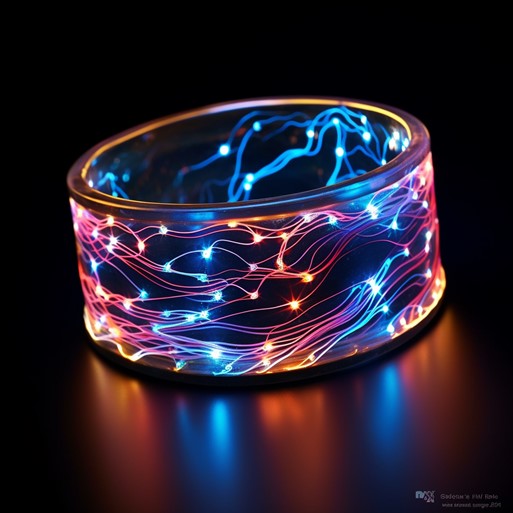
Perception of Phenomenon 47 of Reckoning
- Sight:
- What is Perceived: The gear emits a soft, otherworldly glow that shifts colors depending on the angle of light. Intricate magical circuits are visible along its surface.
- Description: The shifting hues create a mesmerizing effect, capturing attention but also making it hard to look away.
- Positives: The glow can serve as a minimal light source in dark environments. It can also be captivating to others, offering a momentary distraction.
- Negatives: The glow may draw unwanted attention, especially in situations requiring stealth. Additionally, the fluctuating colors can sometimes make it difficult to focus on other visual tasks.
- Smell:
- What is Perceived: A faint aroma of burnt sage mixed with a sea breeze.
- Description: The scent is both calming and invigorating, a blend of earth and water elements.
- Positives: The scent can be comforting and may aid in concentration during magical activities.
- Negatives: The smell might be noticeable to those with enhanced olfactory senses, potentially revealing the user’s position or intentions.
- Taste:
- What is Perceived: Not applicable, as the item is not meant for consumption.
- Hearing:
- What is Perceived: A soft, barely audible hum when magic flows through the circuits.
- Description: The hum is constant but fluctuates in pitch depending on the amount of magic channeled.
- Positives: The hum serves as a feedback mechanism, helping the wearer gauge the flow of magic.
- Negatives: Sensitive ears might pick up the hum, revealing the gear’s use and potentially the wearer’s location.
- Touch:
- What is Perceived: A tingling sensation along the skin where the gear makes contact.
- Description: The tingling is neither painful nor pleasant but is a constant reminder of the gear’s magical properties.
- Positives: The sensation can serve as a focus point for channeling magic through the Mind’s Eye.
- Negatives: Continuous use may lead to a slight numbing of the area, reducing tactile sensitivity.
- Extra-Sensory Perceptions:
- Emotional Resonance:
- What is Perceived: A subtle but palpable aura of manipulation and control.
- Description: The gear emanates an energy that may be sensed by those with heightened emotional perception.
- Positives: Can offer an advantage in social interactions by subtly influencing the emotions of others.
- Negatives: Those who are sensitive to emotional energies may feel uncomfortable or suspicious, making social interactions challenging.
- Magical Awareness:
- What is Perceived: The flow and direction of magic within the gear.
- Description: Users and observers with heightened magical senses will notice the unique pattern of magic circulation within the item.
- Positives: Enables more nuanced control over magic, potentially increasing effectiveness.
- Negatives: May alert magical beings or practitioners to the gear’s unique, and possibly contentious, nature.
- Temporal Sensitivity:
- What is Perceived: A minor warping of time around the gear when certain magics are activated.
- Description: This phenomenon is barely noticeable but can be sensed by those attuned to temporal fluctuations.
- Positives: Could offer a minor advantage in timing-based activities or spells.
- Negatives: May disrupt other time-sensitive activities or magics if not carefully managed.
- Emotional Resonance:
Crafting Recipe for Phenomenon 47 of Reckoning
- Materials Needed:
- Elemental Fire: 5 units
- Elemental Water: 5 units
- Magic Circuitry: 2 feet
- Sage Incense: 1 stick
- Saltwater: 1 cup
- Gold: 150 gold pieces for enchanting and forging
- Tools Required:
- Enchantment Table: For embedding magic circuits and spells
- Artificer’s Hammer: For shaping the gold and placing the circuits
- Mortar and Pestle: For grinding the sage into powder
- Alchemy Flask: For mixing elemental fire and water
- Glyph Plates: For inscribing magical symbols
- Skill Requirements:
- Elemental Manipulation: Level 2
- Artificing: Level 3
- Enchantment: Level 4
- Alchemy: Level 1
- Crafting Steps:
- Elemental Infusion
- Use the Alchemy Flask to mix the elemental fire and elemental water cautiously.
- Once mixed, place the flask on the enchantment table and channel magic through your Mind’s Eye to stabilize the elements.
- Pour the stabilized mixture into a small, shallow pan.
- Preparation of Material
- Melt 150 gold pieces in a forge.
- Add the stabilized elemental mixture to the molten gold while continuously channeling magic to maintain stability.
- Magic Circuit Embedding
- Cut the 2-foot magic circuitry into smaller sections according to your design.
- Use the Artificer’s Hammer to embed these into the gold while it is still in a semi-solid state.
- Enchanting Process
- Place the semi-solid gold piece with embedded circuits on the enchantment table.
- Use the Glyph Plates to inscribe the necessary symbols for the “Enhance Illusion,” “Coercion Boost,” and “Emotional Turmoil” magics.
- Channel your magic through the Mind’s Eye to activate the glyphs and bind them to the material.
- Sage and Saltwater
- Use the Mortar and Pestle to grind the sage incense into a fine powder.
- Mix the sage powder into a cup of saltwater.
- Gently sprinkle this mixture over the crafted item while chanting an alchemical verse to bind the essence of the sage and sea to the item, giving it its unique aroma.
- Final Forging
- Return the now enchanted and imbued gold piece to the forge.
- Use the Artificer’s Hammer to give it its final wrist-wearable shape.
- Allow the item to cool down and solidify.
- Quality Check and Final Touch
- Use your Mind’s Eye to inspect the item for any inconsistencies in magical flow or structural integrity.
- Make any final adjustments by lightly tapping with the Artificer’s Hammer or channeling minor correctional magics.
- Completion
- Once assured of its quality, the crafting of Phenomenon 47 of Reckoning is complete.
- Elemental Infusion
With the necessary skills and materials, this recipe will yield one Phenomenon 47 of Reckoning, ready for use or sale. Note that the item should be handled carefully given its manipulative and coercive magical properties.
Tale of Phenomenon 47 of Reckoning
An Ancient Lore Transcribed from Forgotten Tongues
In a time shrouded by the veils of antiquity, the saga of Phenomenon 47 of Reckoning began. A master artificer, known by the name of Elandrial, envisioned crafting an artifact of unparalleled potency. Elandrial was no ordinary smith; his Mind’s Eye was attuned to the cosmos, allowing him to understand the secret workings of magic. With elements gathered from the very essence of Saṃsāra, Elandrial toiled through days and nights that seemed to stretch into eternity.
Fire and water, traditionally antagonistic elements, found unity in his crucible, stabilized by his focused magic. Into the alchemical blend of gold, he wove intricate circuits of magic, binding them together through incantations whispered from his lips as if they were divine secrets. The pungent aroma of burnt sage intermingled with the tang of saltwater, creating a scent that spoke of both Earth and Ocean, imbuing the item with a soul.
The final product was a wrist-wearable artifact, adorned with glyphs that sung songs of illusion and manipulation. It pulsated with a hypnotic aura, and all who beheld it felt a conflicting mélange of attraction and aversion. Elandrial named it the Phenomenon 47 of Reckoning, sealing its destiny as a tool for both justice and deceit.
The artifact came into the possession of various beings over the ages, both indigenous to Saṃsāra and those summoned from realms yonder. Its magic was instrumental in the hands of a queen who used it to suppress a rebellion but was later undone by the same artifact when her advisors used its abilities for subterfuge against her. Then it found a home with a bard, who used it to spread joy and sorrow alike, captivating audiences but leaving them forever changed in ways that even he could not comprehend.
The artifact became the epicenter of countless tales, a protagonist in its own right. It held a mirror to the souls of those who wielded it, amplifying their strengths but also revealing their darkest vulnerabilities. As its legend spread, it became both revered and feared, a tool of great power but also a puzzle that few could solve.
Its most famous keeper was the sage, Altherion, who locked it away in a chamber filled with arcane sigils, concluding that the artifact was a conundrum that Saṃsāra was not yet ready to solve. He recorded his observations and sealed them in a scroll, along with the artifact, whispering, “The world is not ready, and perhaps it will never be.”
And so, Phenomenon 47 of Reckoning became an enigma lost in time, a paradoxical legacy of human and otherworldly ingenuity, a masterpiece that defied moral categorization.
The Moral of the Story: With great power comes not just the capacity for great good or great evil, but also the inevitability of great complexity. Mastery over the elements and the magic that binds the world is a weighty responsibility, one that demands wisdom in its use and restraint in its abuse.
Suggested conversion to other systems:
Call of Cthulhu
Phenomenon 47 of Reckoning
- Type: Wrist-wearable artifact
- Effects:
- +5 to Persuade, Fast Talk, and Psychology
- Wearer must succeed in a Sanity check upon donning; failure results in 1d6 Sanity loss
- Cost: Priceless
Dungeons & Dragons 5e
Phenomenon 47 of Reckoning
- Wondrous Item (Wrist)
- Rarity: Rare
- Requirements: Attunement
- Effects:
- Grants advantage on Charisma (Deception) and Charisma (Persuasion) checks.
- Allows the user to cast “Charm Person” 1/day.
- Wearer must make a DC 15 Wisdom saving throw or be affected by the “Confusion” spell for 1 minute.
Knave
Phenomenon 47 of Reckoning
- Slot: Wrist
- Rarity: 4
- Effect:
- +2 to all social interactions
- Once per day, can attempt to control the thoughts of an NPC, opposed by the target’s Wisdom.
- Increases stress by 2 points when worn.
Numenera & Cypher System
Phenomenon 47 of Reckoning
- Type: Wrist Device, Level 4
- Effect:
- Provides an asset to tasks related to social interaction.
- Allows the wearer to use the “Influence” power once per day.
- User experiences a one-step penalty to Intellect defense tasks while wearing the item.
Pathfinder 2e
Phenomenon 47 of Reckoning
- Type: Wristband
- Level: 4
- Price: 150 gp
- Effects:
- +1 item bonus to Deception and Diplomacy checks
- Allows the user to cast “Charm” as a 2nd-level spell 1/day.
- Wearer must pass a DC 15 Will save or become confused for 1 round.
Savage Worlds
Phenomenon 47 of Reckoning
- Type: Wrist Device
- Cost: N/A
- Effects:
- +2 to Persuasion and Taunt rolls
- User must make a Spirit roll or suffer a level of Fatigue.
Shadowrun
Phenomenon 47 of Reckoning
- Type: Wrist-worn magical focus
- Availability: 12F
- Cost: N/A
- Effects:
- +2 to Con and Negotiation tests
- User must resist 3S Drain upon activation.
Starfinder
Phenomenon 47 of Reckoning
- Type: Wristband, level 4
- Bulk: L
- Effect:
- +2 circumstance bonus to Bluff and Diplomacy checks
- Allows the use of “Charm Person” 1/day.
- DC 15 Will save or become confused for 1 round.
Warhammer
Phenomenon 47 of Reckoning
- Type: Arcane Accessory
- Rarity: Rare
- Effects:
- +10 to Charm and Intimidate skill tests.
- Wearer must make a Willpower test or gain 1 Insanity Point.