
Lore: Before cures had names and fevers had numbers, there were the Morrow-Fade Keepers—silent stewards of the Blisterwood Thickets, who whispered to roots and sang to flies. Their task was not to fight disease, but to outlast it. They taught that illness was not an invader, but a tide—rising, falling, and sometimes drowning the unprepared.
Among their relics survives the Rootwrap—a charm woven from the whitegut root and nettle-bark twine, soaked in dew collected from beneath diseased leaves. Not meant for surgeons or priests, it is worn by those who care for the sick, walk through pestfields, or speak to coughing souls without fear. It does not cure—but it recognizes.
Description: A simple knotted wrap of fibrous bark and bleached root, looped twice and worn on the upper arm or forearm. Its fibers pulse faintly in the presence of contagion. Smells faintly of bitter tea and damp soil. When pressed to a fevered brow, it softens to the skin and cools momentarily.
Tier: 1
Rarity: Common
Slot: Arm (counts as 1 worn magical item)
Weight: Negligible
Durability: Resilient unless burned or soaked in alcohol or bile
Passive Magics:
• Sickness-Sense – The wearer can subtly detect the presence of disease in a creature or space within 10 feet. They feel a tightness in the wrist and taste ash at the back of the tongue.
• Low Fever Resistance – Gain minor resistance to non-magical contagions: -1 DC when resisting infection; wearer receives a +2 to checks made to remain standing or coherent when afflicted by illness.
• Flesh-Memory Threading – The wrap stores a sensory impression of the last illness it touched (scent, color, cough-pattern). This may aid in diagnosis or folk divination (DM discretion).
Activable Magics:
- Quiet the Shivers (1/day)
Activation: Touch the wrap to a diseased creature while humming a tune known to the patient or their culture
Effect: For 1 hour, the creature ignores all penalties from fatigue or fever-based illness. May speak clearly, rest peacefully, or complete a simple task without collapse. Does not cure. - Pale-Bark Exchange (1/week)
Activation: Soak the wrap in a basin containing water mixed with the sweat, breath, or blood of a sick person
Effect: The wrap draws out a portion of the illness into itself. The patient regains 1d4 HP (or equivalent recovery) and feels temporary relief. The wrap becomes stiff and unusable until buried beneath a healthy tree at dusk.
Tags: Folk Magic, Common Item, Tier 1, Disease‑Linked, Arm Slot, Contagion‑Sensitive, Herbal‑Crafted, Caregiver’s Tool, Passive‑Detection, Fever‑Aid, Root‑Woven, Healing‑Adjacent, Folk‑Lorekeeper, Seasonal‑Resistance, Spirit‑Soothing, Rot‑Warden, Morrow‑Crafted, Fever‑Sense, Caretaker‑Ritual, Plague‑Resilient, Root‑Fiber, Sweat‑Activated, Blight‑Tracker, Dusk‑Burial, Folk‑Apothecary
Shops and Acquisition of Folk 193 of Morrow-Fade Rootwrap in Saṃsāra
1. Hollow-Sprig Dispensary (Ruin’s Edge Hamlet Clinics)
Location: Villages and townships near ancient plaguefields or recovering war zones
Vendor: Healer-grannies, scarred apothecaries, or root-surgeons with tattooed palms
Presentation: Sold from cracked glass drawers or fungus-dried cabinets, often accompanied by warnings in hand-written sigil runes
Cost: 4–6 silver drabs or traded for bundles of dried sweatgrass, sealed medicinal notes, or three days’ field aid to the clinic
2. Wane-Tallow Herbalists (Wandering Folk Charm Wagons)
Location: Traveling healer carts, seasonal fairs, or old bridge-stalls after midspring
Vendor: Folk healers, charm-weavers, or apprentice disease-callers trained to identify magical infection signatures
Presentation: Displayed on twisted branches set into honey-jar stands, often beside sicklewort sachets and breath-inked masks
Cost: 3–5 silver pips or barter for whispered family remedies, dried samples of rare illness, or a song to soothe the fevered
3. House of Enduring Sleep (Monastic Orders of the Slumbering Verdance)
Location: Overgrown sanctuaries nestled in fungal groves or mossy ruins
Vendor: Silent caretakers who offer goods in trade for vows of mercy or burial assistance
Presentation: Placed beneath bell jars on moss altars, scented with myrrh and damp cedar
Cost: Free to those who aid the dying, or 1 moon token and a completed vigil for a fever-broken patient
4. Dustlane Apothecaries (Old City Folk Districts)
Location: Deep within neglected quarters of large cities, where illness is common and regulation rare
Vendor: Masked vendors, flesh-binder guild affiliates, or former plague warders
Presentation: Hung like garlic from ceiling beams, labeled in chalk-script; sold alongside dubious brews and rot-testing bones
Cost: 5–7 silver scratchings or negotiable with proven medical deeds or signed wardpass from city healers
5. Blisterwood Tithe-Stalls (Remote Pilgrim Rest Havens)
Location: Shrines deep in the Blisterwood Thickets or forested plaguepaths
Vendor: Unnamed wood-keepers or offering guardians who do not speak aloud
Presentation: Found bound in moss-wrap beside jars of tea and offerings of ancestor-spun thread
Cost: One secret illness confessed into a hollow stump and a branch offered in silence—if accepted, the wrap is found at dawn
In all cases, the item is not sold for coin alone—it is given or traded as part of communal trust, health rites, or acknowledgment of quiet service. Those who seek it with greed or for display will find only dead bark and empty knots.
Roleplay Use of Folk 193 of Morrow-Fade Rootwrap in Varied Environments for Defense and Offense
Urban Setting (Quarantined Districts, Alley Clinics, or Underground Wards)
Defense Roleplay:
The avatar wears the Rootwrap openly while tending to the ill in overburdened sickhouses or haggling for clean water from hostile district guards. Its presence marks them as “disease-aware” and trusted by local healers, granting passive immunity to suspicion. When a crowd begins to panic from an outbreak, the avatar calms the masses with steady presence and knowledge of symptoms, using Quiet the Shivers on a coughing NPC to display control.
Offense Roleplay:
In confrontation with an antagonist exploiting or spreading sickness (e.g., a corrupt alchemist or diseased cultist), the avatar uses the Rootwrap to identify latent disease in the foe, leveraging the information to shame or manipulate them socially (“you cough before you lie”). Alternately, during interrogation, they may activate Pale-Bark Exchange to absorb a foe’s affliction, gaining leverage or insight into magical contagion patterns.
Wilderness Setting (Swamps, Rot-Woods, Pest-Ridden Fields)
Defense Roleplay:
While crossing through rot-heavy zones or sacred plague groves, the avatar detects dangerous disease-bearing spores or animal carriers using the wrap’s Sickness-Sense. Their steady grip and ritualistic behavior gain them the cautious respect of forest spirits, druids, or disease-touched fae. Roleplay includes cautious step-taking, mid-step breath readings, or offering the Rootwrap as a token of appeasement to local spirits.
Offense Roleplay:
Against nature-corrupted beasts or carriers of blight, the avatar may distract or disarm them through knowledge of their weakness (gleaned from the Rootwrap’s stored Flesh-Memory Threading). In a confrontation with territorial plague-stags, the avatar might smear the wrap’s residue onto rocks to trigger territorial displays elsewhere—turning infection against itself.
Steampunk or Arcane-Tech Zones (Hospitals, Mage Labs, Gear Districts)
Defense Roleplay:
The Rootwrap serves as a hybrid interface between magical-biological and folk-biological paradigms. When others rely on sterile machines or arcane filtration, the avatar uses scent, memory, and empathy to detect infections the machines miss. Their folk methods may be mocked at first, but the Rootwrap’s activation visibly soothes test subjects—gaining credibility, or even invoking “data sympathy” protocols in overly clinical systems.
Offense Roleplay:
The avatar may purposefully allow themselves exposure to a non-lethal contagion and activate Quiet the Shivers to walk calmly into a sterile meeting chamber—causing alarm, confusion, and opening negotiation pathways. Alternately, using the wrap’s spent petals and infection traces as blackmail (“your gears have blood-rot in their bolts, engineer”), they turn healing into leverage.
Religious or Cultural Festivals (Ancestor Vigils, Disease Rites, Pilgrimages)
Defense Roleplay:
Worn during rituals of mourning or remembrance, the Rootwrap is a sacred emblem—granting the avatar authority to lead disease-purging chants or serve as vessel for symbolic illness transfer. NPCs suffering shame from affliction may trust the avatar implicitly. Roleplay includes long silence beside the ill, reciting folk chants, and pressing the wrap gently to the cheeks of mourners.
Offense Roleplay:
In sacred confrontations—such as rooting out a false healer or disruptive exile—the avatar uses the Rootwrap to reveal hidden signs of infection (emotional or physical). Calling upon the crowd’s witness, they dramatize the sickness by causing the wrap to pulse or harden, driving out liars through symbolic illness association. Enemies risk being branded “out-of-cycle” by the crowd.
Sieges, War Camps, or Crisis Zones
Defense Roleplay:
Among the wounded and the dying, the avatar becomes a beacon of endurance. With the Rootwrap’s passive protections and calming presence, they can keep morale steady in trenches, help wounded soldiers through pain, or even be permitted entry to otherwise sealed triage zones. Roleplay includes wiping fevered brows, enduring hours of contact with the sick, and recording cough-patterns into their journal.
Offense Roleplay:
Against battlefield necromancers or plague-sowers, the avatar repurposes the Rootwrap’s functions to trace back magical contagions or store fever residue to expose magical origin. They may even use Pale-Bark Exchange to momentarily rob a corrupted enemy of their plague-based advantage, redistributing its energy into ritual exorcism.
This item encourages quiet bravery, ritualistic behavior, and thoughtful attention to affliction—not through cleansing, but through endurance and presence. It makes avatars agents of empathy-as-resistance and turns observation into action, especially in grim, disease-tinged environments where fear often overpowers reason.
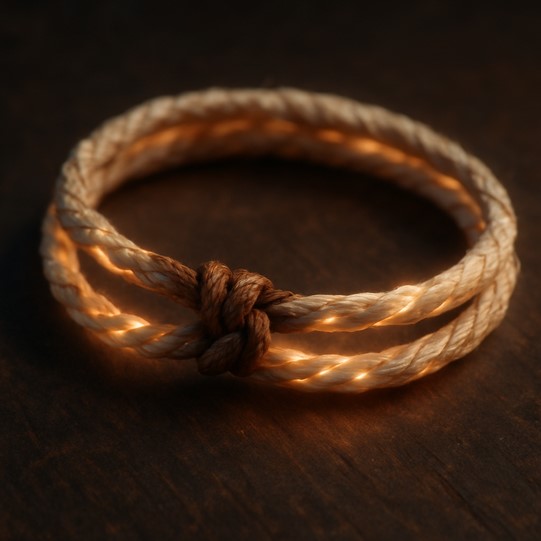
Perception of Activation:
User’s Perspective
Sight: The fibers of the Rootwrap pulse faintly with a dull greenish light, like a heartbeat seen through wet bark. Small striations appear across the surface, briefly revealing root-vein patterns that seem to shift in rhythm with nearby breath.
Sound: A low crackle, like twigs bending in moist soil, murmurs at the edge of hearing. Beneath it, a muffled hum, almost breath-like, rises and fades with each heartbeat.
Touch: As the user activates the wrap—especially when touching it to an ill creature—the texture softens from coarse to supple, like damp cloth warmed by body heat. A subtle chill follows, leeching not just heat but tension from the skin. When worn on the arm, a creeping coolness wraps the limb, numbing inflammation.
Smell: The scent sharpens—bitter tea leaves over old wood ash and moss. As activation continues, a hint of menthol rises, cut with the earthy note of decomposing bark. The scent lingers even after the wrap stills.
Taste: A slight bitterness climbs into the back of the throat as if having swallowed herbal decoction residue—sharp, dry, but not unpleasant. It tingles the tongue with astringency, often prompting the user to swallow reflexively.
Extrasensory Perceptions:
• Symptom Echo – The user gains a phantom impression of the illness they are treating or detecting. For a moment, they might feel a single cough, a flash of vertigo, or a hot bloom at the joints—just enough to recognize what the afflicted suffers.
• Contagion Pulse – A subtle aura overlays the environment: clean spaces feel cool and matte, while infected zones carry an emotional “humidity”—oppressive, close, sticky in sensation.
• Memory of Disease – The Rootwrap holds faint echoes of past illnesses it has encountered. These may surface as flashes of patient faces, snippets of moans or breath rhythms, or tactile recollections of swollen skin and shaking hands.
Observer’s Perspective
Sight: To nearby observers, the wrap visibly pulses—its fibers twitching with life, a faint green glow emerging briefly like embers beneath a fallen log. If placed against someone sick, the wrap briefly darkens before brightening anew.
Sound: Most hear nothing, though exceptionally sensitive ears may detect a whispering thrum or the sound of wind moving through dry grass, especially in quiet surroundings.
Touch (if touched): Contact with the wrap during activation feels unusually alive—cool, yet warm at the core, like a living pulse beneath bark. It is not wet, but leaves a sense of dampness on the skin.
Smell: Observers near the user catch a blend of herbs and soil, like tea brewed in clay and poured over damp leaves. The scent intensifies if standing near an infected subject.
Extrasensory Perceptions:
• Sickness Awareness – Observers may feel slightly more alert to who nearby is coughing or trembling, as if the wrap subtly tunes attention toward illness.
• Emotive Shifting – Infected NPCs or creatures often calm subtly when in the user’s presence during activation, sensing the comforting, neutral pressure of something other that does not recoil from them.
Positives
• Enables early detection of contagion, even before symptoms are obvious
• Grants clarity of symptoms and emotional empathy with the afflicted
• Provides social power in medical or healing scenarios through visible calm
• Enhances non-magical diagnosis and aids folk treatment rituals
• Temporarily suppresses symptoms to allow rest, speech, or focused activity
Negatives
• Empathic feedback can disorient users, especially with severe diseases
• Using the wrap near large outbreaks may attract disease spirits or pathogen-bound entities sensitive to magical interference
• Cannot distinguish magical vs. mundane illness without additional tools
• Repeated activation without rest may cause psychic fatigue (e.g., headaches, minor tremors, or emotional dullness)
• In sterile or mechanically-enforced clinics, the item may be dismissed or banned as “unsanctioned folkware”
Crafting Recipe: “Binding the Morrow-Fade Rootwrap”
A ritual of barkwork and sympathy weaving, used by folk healers in thicket-burdened lowlands and plague-border hamlets across Saṃsāra.
Materials Needed
• 1 strip of whitegut root-bark (harvested from a tree grown near a fevered household; must be stripped at dawn and steeped in rainwater)
• 2 arm-lengths of nettle-thread or bark-fiber cord (soaked in sweat and dried beneath moonlight)
• 1 dried fever-petal (from a bloom grown in infected soil, traditionally worn on mourning garlands)
• 3 drops of patient’s breath-condensed water (gathered from the underside of a sleeping fever victim’s cot or bedframe)
• Handful of bitter tea leaves (infused with rot-root, crow-thistle, and eldermint)
• 1 thin sliver of bark taken from a tree struck by lightning within the past year
Tools Required
• Bone-bladed herbalist’s knife or obsidian root-scraper
• Smoke-bowl (used for sanitizing and blessing the wrap mid-process)
• Binding stone or lap-stone (flat rock with etched sigils of endurance or care)
• Soft-bristle ashbrush (to dust in powdered herbs and carve guiding grain lines)
• Breath-jar (a glass or clay vessel used to hold the collected fever breath condensation)
Skill Requirements
• Folk Healing (Novice): Understanding of symptom-based triage, basic illness cycles, and ritual purity practices
• Sympathy Weaving (Apprentice): Ability to tie threadlines in ritual sequence without breaking bark fibers
• Disease Memory: Must have spent one night in the presence of real sickness without intervening, observing quietly and without judgment
• Seasonal Timing: The crafting must be completed during either a fog-laden dawn or in the hour before sunset on a dry day
Crafting Steps
- Sanctify the Root-Bark
Soak the whitegut bark in a mixture of bitter tea and the patient’s breath-water overnight. Lay it across the binding stone at first light. Use the ashbrush to dust crow-thistle powder along its grain while reciting a single remembered cough or moan from the ill. - Twine the Wrap
Begin wrapping the nettle-thread around the bark in alternating coils, knotting it every third loop. For each knot, speak the name of a known illness—real, local, or ancestral. The twine should hum faintly when pulled tight if correctly attuned. - Embed the Fever-Petal
Grind the fever petal into powder and rub it across the inner surface of the wrap while whispering a true statement about suffering. Fold the bark gently inward until the powder disappears into its grain. The wrap should stiffen briefly and then relax. - Imprint the Lightning Bark
Using the bone knife, score a thin line of lightning-struck bark into the wrap’s spine—this anchors its pulse to the rhythm of sudden illness and reminds the wearer that disease may strike unseen. - Smoke and Set
Hold the finished wrap over a bowl of smoking eldermint and rot-root for one full breath per finger of the hand you used to bind it. As the smoke curls around it, whisper the phrase: “Let it feel, but not falter.” Seal it in silence for three minutes.
A functioning Folk 193 of Morrow-Fade Rootwrap, tuned to the balance between endurance and empathy. It remembers sickness and quiet courage. If made with indifference, it stiffens to the touch and crumbles within a day. If worn with pride rather than purpose, its pulse ceases and cannot be restored.
Of the Sick-Knot Who Sat Beside Flame
(Recovered via stitched vellum fragments sealed in bone-box beneath the forgotten shrine of Ogranth’s Hollow. Translated first from Low Verdant into Lichmark Chant, then rendered poorly into trade glyphs, and finally into common tongue by the monk-dreamers of the Third Wake.)
In the elder-ago, before water knew to run downhill, there was a time of breathless days. The clouds turned inwards, the sun became pale as goat-fat, and all the children born of wheat were coughing into their sleep-skins.
Came then a waver-being, neither tall nor bowed, named only in whisper-cough as She-Who-Tied. Her hair was the gray of boiled nettle, and her fingers were scab-knuckled with silence. They said she ate only the soup of sick roots and never bathed but in the steam of dying men.
She came not to heal the village of Drothmere, for healing was a luxury of sky-people and temple brass. She came to sit.
She sat beside the hearth. She did not speak. When asked for her name, she answered only with a nod and the sound of tea being poured.
Each dusk, She-Who-Tied would leave and return with bark in her lap—bark bleached pale as moon‑bone, bark that stank of grave-shadows and wildfire. She boiled it, braided it with her own spit, and knotted it with twine taken from weeping cots.
The first night, she placed her wrap on a child whose lungs rattled like wasp jars. The child did not rise. But the rattling stopped.
The second night, she pressed it to a hunter who bled green from his gums. He sat up for an hour and spoke every name of his forgotten dog, then lay back down and passed with calm in his eyes.
The third night, the old baker’s wife wore it on her brow and wept so sweetly that all who heard forgot they were ill. Her breath lasted seven days longer than the stars said she had.
Then came the Mayor, whose robes were stitched with luck-charms and goat-prayers. He said, “You carry no cure. You bring only endings slowed. This is not kindness, this is delay.”
She-Who-Tied stood. The Rootwrap pulsed. And all in the room heard their own cough, once, as if from behind them.
She answered, not in words, but in sitting. She took her place beside the Mayor’s daughter, and said nothing, not even when the girl’s sweat cooled into healing sleep.
When the sickness passed, they found no trace of her—only a single wrap left coiled around the old hearthstone, warm to the touch and smelling faintly of bitter tea and damp mornings.
Since then, in places where cures falter and strength is all that remains, the rootwrap is tied by those who know: some do not heal with potions. Some heal by enduring beside.
Moral: Even when no cure comes, presence may still be medicine.
Suggested conversions to other systems:
Call of Cthulhu 7th Edition
Item Name: Folk 193 of Morrow-Fade Rootwrap
Type: Folk Magic Charm – Disease-Sensitive Wrap
Description: A knotted strip of root-bark and nettle cord worn on the forearm. Used by folk healers to detect, endure, and mildly alleviate disease symptoms in others.
Effects:
• While worn, grants a +10% bonus to First Aid or Medicine rolls specifically when diagnosing illness.
• When touching a diseased person, roll INT × 5. On success, the user gains a rough intuitive sense of the disease’s nature and severity.
• Once per day, the wearer may calm a fevered individual, negating 1D4 SAN loss related to physical suffering or helplessness.
• However, repeated exposure without rest (more than 3 uses per day) may cause the user to suffer hallucinations of shared sickness (INT roll to resist, or gain 1D2 temporary SAN loss).
Slot/Restrictions: Must be worn continuously to remain attuned. Functions only for those with Folk Lore or Herbalism background.
Blades in the Dark
Item Name: Folk 193 of Morrow-Fade Rootwrap
Item Type: Fine Healing Tool (Utility/Folk Magic)
Effect:
• Provides increased effect when using Tinker or Wreck to treat biological ailments, resist infection, or brew cures.
• Gain potency when performing downtime recovery for disease-based trauma or wounds.
• If worn during a Consort or Sway roll with sick, outcast, or plague-touched individuals, gain +1d.
Special Ability (1 use/session):
Activate to momentarily relieve the symptoms of a diseased NPC, making them calm, lucid, or functional for a scene.
Load: 0 (as a fine personal item, counts as charm/jewelry)
Dungeons & Dragons 5th Edition
Item Name: Folk 193 of Morrow-Fade Rootwrap
Wondrous Item (common), requires attunement (Tier 1 avatars only)
Slot: Worn on forearm or upper arm (counts toward magical item limit)
Passive Abilities:
• Detect Disease: While worn, the Rootwrap pulses gently if a creature within 10 ft. is suffering from a disease (DC 12 Medicine check to interpret specifics).
• Disease Resistance: You have advantage on saving throws against non-magical diseases.
• Memory of Illness: Once per day, you may learn one fact about a disease affecting a target you’ve touched (symptom, method of spread, stage).
Activable Abilities:
• Quiet the Shivers (1/day): As an action, touch a creature to suppress visible symptoms of disease and remove disadvantage from Constitution checks for 1 hour.
• Pale-Bark Exchange (1/week): As a ritual (10 minutes), draw 1d4 HP worth of relief from a diseased target; the user cannot benefit from magical healing until they rest.
Notes: Does not prevent or cure disease—its power is rooted in endurance and empathy.
Knave (Compatible with OSR systems)
Item Name: Folk 193 of Morrow-Fade Rootwrap
Type: Magic Item – Charm, Arm Slot
Effect:
• While worn, you automatically sense when someone within 10 feet has a disease (GM will indicate subtly).
• You have +2 to all Constitution saves made to resist illness or disease.
• Once per day, you can suppress a disease’s penalties on another creature for 1 hour by pressing the wrap to their skin and concentrating.
Usage:
• After 3 uses without rest, roll a WIS save or suffer hallucinations of the disease you’ve interacted with.
• After drawing out a sickness (once/week), the wrap becomes stiff and unusable until buried under a tree and left overnight.
Encumbrance: Negligible
Rarity: Common (but only available through Folk Healer NPCs)
Fate Core
Item Name: Folk 193 of Morrow-Fade Rootwrap
Aspect: “Knotted Healer’s Patience Bound in Root”
Invokes:
• Gain a +2 when treating disease, calming the afflicted, or empathizing with the suffering
• Once per scene, spend a Fate Point to suppress a target’s visible disease symptoms or make a contagious NPC approachable
Compels:
• The Rootwrap attracts spirits, pests, or attention from those touched by sickness
• Sensing disease can overwhelm the wearer with empathic or phantom symptoms at dramatic moments
Stunt (Optional):
Stillness Beside Suffering – Once per session, suppress all penalties from a disease on one character for a scene. They function as if healthy until the scene ends or their condition worsens.
Note: Most effective in narrative healing and social conflict scenes.
Numenera / Cypher System
Item Name: Folk 193 of Morrow-Fade Rootwrap
Level: 1
Form: Soft bark-and-root cord worn on the forearm
Effect:
• While worn, the user gains an asset on any Intellect or Healing task related to detecting or diagnosing disease
• Detects when a creature within immediate range is diseased; pulsing sensation alerts the user
• Once per day, you can soothe a diseased creature: reduce their disease penalties by one step for one hour
• Wearing it too long around active sickness (GM discretion) may cause a one-time Intellect defense roll to resist fatigue or hallucinations
Depletion: 1 in 1d20 (for major active use like full suppression of a disease symptom)
Crafting Note: Considered a folk relic, not advanced numenera—cannot be scanned or improved with high-tech tools
Pathfinder 2e
Item Name: Folk 193 of Morrow-Fade Rootwrap
Item Type: Worn Magic Item (Common)
Level: 1
Price: 5 gp
Usage: Worn on arm; does not occupy a hand
Bulk: L
Effects:
• Passive: While worn, grants a +1 item bonus to Medicine checks to Diagnose Illness
• Disease Sense (once per hour): The Rootwrap pulses subtly when a diseased creature is within 30 feet; this does not reveal identity or details
• Empathic Relief (once per day): As a single action (concentrate, manipulate), you can suppress one stage of a disease affecting a touched creature for 10 minutes. The disease still progresses, but the target gains no penalties from that stage during the effect
Craft Requirements: Herbalism Lore or Medicine skill rank 1, plus access to a fevered rootbark and nettle-fiber braid
Savage Worlds (Adventure Edition)
Item Name: Folk 193 of Morrow-Fade Rootwrap
Type: Magic Item – Folk Charm
Rarity: Common
Slot: Arm
Passive Effects:
• +1 bonus to Healing rolls made against diseases
• Grants the user an Alertness-like edge, but only for noticing signs of illness or spotting contagious creatures
• Once per session, the user can automatically succeed on a Healing roll made to identify a disease’s type or transmission
Active Power (1 Power Point or once per session without Arcane Background):
Quiet the Shivers – Temporarily remove all disease penalties from a creature for 1 hour. This has no effect on disease progression but allows unimpeded activity or clarity
Drawback:
• After using the active power, make a Vigor roll at -2 or suffer a level of Fatigue from empathic burden
• Creatures attuned to suffering or necromancy may be drawn to the wrap’s pulse
Shadowrun (6th Edition)
Item Name: Folk 193 of Morrow-Fade Rootwrap
Category: Worn Gear – Biotraditional Focus
Availability: 2
Cost: 200¥
Essence: 0
Description: A braided forearm wrap of organic fibers and herbal bark, pulsing faintly with subtle biofeedback when worn by Awakened or empathically attuned users. Common among urban herbalists and back-alley shamans.
Game Mechanics:
• Grants +1 dice on Biotech (Medicine) or First Aid tests when identifying or treating diseases
• When worn by a magically active character, provides a +1 bonus on Assensing tests to detect diseased or magically ailing targets
• May be used once per run to reduce disease stage progression for a single target by 1 stage for 6 hours (requires touch and a Complex Action)
Limitations:
• Does not stack with medical-grade diagnostic tools
• Causes minor distraction (-1 die to Logic-based rolls) for 1 hour if worn in sterile or cyber-enhanced environments due to empathic feedback
Starfinder
Item Name: Folk 193 of Morrow-Fade Rootwrap
Item Level: 1
Price: 85 credits
Slot: Arm (counts toward magic item slots)
Bulk: L
Type: Hybrid Item (Magitech)
Description: A woven charm of rootbark and fiber imbued with pre-Gap botanical enchantments. Still popular among backworld healers and mystics.
Passive Abilities:
• Gain +1 enhancement bonus to Medicine checks when diagnosing or treating disease
• Automatically detect when a creature within 10 feet is suffering from a disease (no action required)
Activated Ability (1/day):
Calm the Infection – As a standard action, you touch a diseased creature to suppress symptoms and penalties for 1 hour (disease still progresses normally)
Usage: 1 charge
Capacity: 1
Recharge: Solar exposure (10 min under sunlight)
Traveller (Mongoose 2e)
Item Name: Folk 193 of Morrow-Fade Rootwrap
Tech Level: 2
Cost: Cr50
Mass: Negligible
Description: An ancient charm originating in fringe systems of Saṃsāra-class biospheres. Used by low-tech field medics and superstition-bound caregivers.
Effects:
• While worn, grants DM+1 to Medic checks when diagnosing or treating a disease using low-tech or improvised tools
• Automatically alerts the user when in close proximity (1–2 meters) to someone carrying a biological contagion
• Once per day, can suppress the visible symptoms of a disease for 1D6 hours (does not stop progression or transmission)
Limitations:
• Ineffective in zero-G or vacuum environments unless preserved in sealed casing
• Reduces Persuade checks by DM–1 with high-tech medical personnel or authorities who view the item as “folk superstition”
Warhammer 40,000 (Wrath & Glory)
Item Name: Folk 193 of Morrow-Fade Rootwrap
Rarity: Uncommon (Tier 1)
Item Type: Relic (Folk Talisman)
Keywords: Gear, Arm Slot, Medicus Minoris
Description: A decaying relic from the deathworlds of Saṃsāra, woven by hedge-witches during plagues. Favored by silent medicae and void-hospitallers who remember faith beyond steel.
Rules:
• When worn, the user gains +1 bonus die on Medicae tests related to disease or bodily affliction
• Once per session, the wearer may suppress any disease-related condition for one scene by invoking a silent rite (DN 3 Medicae test)
• When in the presence of active plague or warp-spawned illness, the wrap pulses faintly—granting the wearer +1 to Resolve tests to resist fear or corruption caused by disease
Wrath Complication (GM Option):
On a complication, the wrap stores the echo of disease within it—risking future wearer exposure unless ritually cleansed at a shrine or by a sanctioned psyker
Comments
One response to “Folk 193 of Morrow Fade Rootwrap”
[…] Folk 193 of Morrow-Fade Rootwrap […]