
Lore: The Eldertuft Sheep is a venerable breed found in the highlands of Saṃsāra. Legends say that the first Eldertuft was born from the woolen clouds of dusk, gaining a natural affinity with the magical ethers that paint the sky at twilight. Revered by the locals as the “Wool of the Ancients,” these sheep are integral to various cultural rites and are often the centerpiece in plays and festivals celebrating the solstice and equinox, embodying themes of renewal and magic.
Roleplay Emphasis: Acting. Eldertuft Sheep are used in ceremonial reenactments and theatrical performances. Their majestic appearance and innate calm make them perfect for live performances, often playing roles linked to myths or acting as companions to high mages and heroes in staged battles or tales of yore.
Passive Magics:
- Twilight Cloak: Their wool passively absorbs and diffuses magical energy, providing a subtle shield against low-level enchantments to those who wear garments made from it.
- Ethereal Grace: Eldertuft Sheep emit a calming aura that reduces hostility in nearby creatures, making them ideal for gatherings and reducing conflicts in their vicinity.
Active Magics:
- Dusk’s Veil: Once per day, an Eldertuft can release a burst of twilight mist, creating a temporary zone of obscurity that can be used to escape or hide during rituals or performances.
- Luminescent Fleece: Their wool can be charged with magical light during rituals, glowing with ethereal light to enhance the visual spectacle of performances and ceremonies.
Statistics:
- Health: Moderate
- Magic Resistance: High
- Speed: Low
- Strength: Low
Related Skills:
- Wool Crafting: Mastery in crafting with Eldertuft wool is highly prized, particularly for making ceremonial robes and tapestries.
- Ritual Knowledge: Understanding the various cultural and magical rituals involving Eldertuft Sheep can enhance their effectiveness in magical practices and performances.
- Animal Handling: Required for managing these somewhat mystical creatures, especially in preparation for their role in performances or rituals.
Tags: Ceremonial, Magical Creature, Theatrical Use, Cultural Symbol
The Eldertuft Sheep enriches the cultural and magical tapestry of Saṃsāra, playing a vital role in both the economy and the spiritual life of the communities that raise and cherish them. Their presence in Saṃsāra not only provides practical benefits but also deepens the connection between the people and the magical world around them.
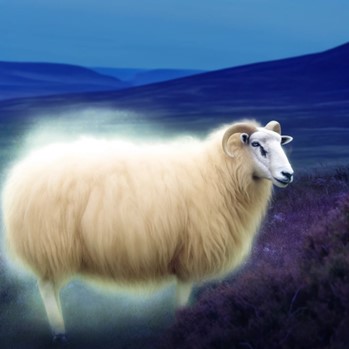
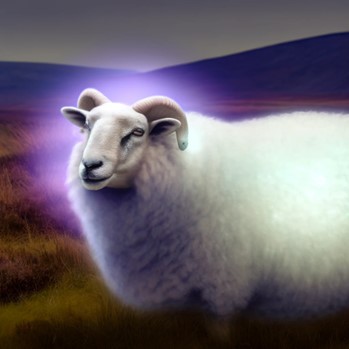
Examples of different Eldertuft Sheep
Primary Reasons for Domestication
- Magical Wool Production
- Original Experience: The primary incentive for domesticating Eldertuft Sheep was their magical wool. From early encounters, settlers noticed the wool’s inherent properties, such as its resistance to magical fire and its ability to diffuse magical energies.
- Learned Experience: As communities developed ways to harness and refine magic, the wool of Eldertuft Sheep became even more valuable. Artisans and mages learned to craft from it garments and artifacts that were not only protective but also enhanced magical abilities.
- Cultural and Ritual Significance
- Original Experience: Initially, the Eldertuft’s serene presence and its twilight-born mythos integrated it into local folklore and rituals. It was seen as a creature of good omen and was associated with peace and protection.
- Learned Experience: Over time, these sheep became central to annual festivals, rites of passage, and theatrical plays, reinforcing their role in both daily life and significant cultural events.
Additional Reasons for Domestication
- Ecological Harmony
- Original Experience: The first communities noted that areas inhabited by Eldertuft Sheep tended to have a balanced ecosystem. The sheep’s grazing habits helped maintain the health of the highlands’ flora, which in turn supported diverse fauna.
- Learned Experience: As understanding of ecosystem management grew, the sheep’s role in ecological balance became a deliberate part of agricultural practices, ensuring sustainable use of highland areas.
- Economic Asset
- Original Experience: Beyond wool, Eldertuft Sheep were also valued for their meat and milk, which were found to be nutritious and beneficial for health, likely enhanced by their magical nature.
- Learned Experience: Trade in Eldertuft products (wool, meat, milk) grew to be a significant economic booster, especially as other regions and islands learned of their unique properties, driving inter-island commerce.
- Companion and Therapeutic Uses
- Original Experience: The calming aura of Eldertuft Sheep made them favored companions among healers and therapists, as they naturally eased anxiety and discord.
- Learned Experience: Therapeutic uses expanded as people discovered that interactions with these sheep could aid in the recovery from magical exhaustion and emotional distress, leading to their presence in healing centers and sanctuaries.
These reasons combined to make Eldertuft Sheep a highly valued species within Saṃsāra, integrated deeply into the fabric of both practical and mystical aspects of society. Their domestication reflects a blend of utilitarian benefit and cultural enrichment, enhancing the connection between the magical and the mundane in this high-magic world.
Livestock Farming Process for Eldertuft Sheep in Saṃsāra
- Environment
- Process: Eldertuft Sheep are typically raised in the highland regions of Saṃsāra, where the climate and terrain suit their needs and magical properties. These areas are rich in natural magic, which the sheep absorb and incorporate into their wool. The farming practices are designed to enhance the natural ecosystem, with rotational grazing to prevent overgrazing and to maintain the health of the grasslands.
- Pros:
- Enhances biodiversity by supporting various plant and animal species.
- The magical properties of the sheep promote a healthier ecosystem, balancing both flora and fauna.
- Cons:
- Requires careful management to avoid environmental degradation.
- Limited to specific highland areas, which may restrict expansion.
- Upkeep
- Process: Eldertuft Sheep require regular care, including shearing, feeding, and health monitoring. Their magical wool grows rapidly, necessitating frequent shearing, which is both a labor-intensive and skillful process. Farmers also practice magical enhancements to improve the quality and properties of the wool.
- Pros:
- Regular shearing and care ensure high-quality wool, essential for economic prosperity.
- Provides employment and skill development in rural communities.
- Cons:
- High maintenance costs due to the need for specialized care and magical treatments.
- The necessity for skilled labor limits who can effectively raise and care for these sheep.
- Treatment
- Process: Eldertuft Sheep are treated with a high degree of respect and care, often seen as semi-sacred due to their role in society and magic. Ethical treatment is paramount, with regulations in place to ensure humane handling, feeding, and housing.
- Pros:
- Ethical treatment enhances the sheep’s health and magical properties.
- Reinforces cultural values of respect and care towards nature and magical creatures.
- Cons:
- Strict regulations can be costly to enforce and maintain.
- Ethical breaches can lead to significant social and legal consequences.
- Sustainability
- Process: Sustainable practices are integral to Eldertuft Sheep farming. This includes the use of magical practices to renew and enhance soil fertility and water conservation techniques to ensure the highlands remain fertile and productive.
- Pros:
- Promotes long-term ecological health and sustainability of highland regions.
- Ensures a steady supply of high-quality magical wool.
- Cons:
- Can be more expensive than conventional farming due to the additional magical inputs.
- Requires continuous innovation and magical research to maintain sustainability.
- Economy
- Process: The wool, meat, and milk of Eldertuft Sheep are valuable commodities. Wool is particularly prized for its magical properties and is a major export product. The economy surrounding these sheep includes farming, processing, crafting, and trading.
- Pros:
- Drives economic growth through trade and commerce.
- Creates a diverse range of jobs from rural farming to urban crafting and trading.
- Cons:
- Market fluctuations can significantly impact income stability.
- Dependence on a single type of livestock can make the economy vulnerable to diseases or environmental changes.
- Society
- Process: Eldertuft Sheep are deeply woven into the cultural fabric of Saṃsāra. They feature in myths, legends, and festivals, and are often associated with magic and heritage. Families and communities that raise these sheep often hold esteemed positions in society.
- Pros:
- Strengthens community bonds and cultural identity.
- Promotes social stability and respect for traditions and the magical environment.
- Cons:
- Can lead to social stratification, where sheep farmers are viewed as more prestigious or wealthy.
- Cultural pressures can restrict changes in farming practices or innovations that deviate from traditional methods.
Eldertuft Sheep farming in Saṃsāra is a complex interplay of environmental stewardship, careful upkeep, ethical treatment, sustainability, economic benefit, and societal integration. While there are numerous benefits, the challenges must be managed through careful policy and community engagement to ensure the continued prosperity and balance of both the sheep and the society that depends on them.
In the world of Saṃsāra, the buying and selling of Eldertuft Sheep, due to their significant economic, magical, and cultural value, is a well-regulated and often ceremonial process. Here’s an overview of where and how Eldertuft Sheep might be traded, as well as insights into the factors that determine their cost:
- Trading Venues
- Highland Markets: The primary venues for buying Eldertuft Sheep are the highland markets located in the regions where these sheep are raised. These markets are not just commercial hubs but also serve as cultural centers where farmers, traders, and buyers from different islands gather. They typically occur on specific dates aligned with the lunar or solar cycles, reflecting the magical significance of these sheep.
- Magical Livestock Fairs: Periodically, larger fairs are held where magical livestock of all kinds are traded. These fairs are more elaborate, often sponsored by mage guilds or wealthy patrons, and feature not only trading but also exhibitions of magical abilities, wool crafting competitions, and discussions on magical breeding techniques.
- Private Estates and Auctions: For highly prized specimens, especially those with rare magical qualities or exceptional lineage, private sales and auctions are common. These are usually attended by wealthy collectors, high-ranking mages, and representatives of powerful families or guilds.
- Methods of Transaction
- Direct Purchase: At markets and fairs, buyers can directly purchase Eldertuft Sheep from the farmers. Transactions typically involve detailed inspections, verification of magical properties, and sometimes a demonstration of the sheep’s abilities.
- Auctions: More valuable or rare Eldertuft Sheep are often sold at auctions. These can be open or sealed-bid auctions, with the sheep’s magical attributes and pedigree significantly influencing the bidding.
- Trade and Barter: In some cases, especially within the more traditional or rural communities, Eldertuft Sheep may be traded for other goods or services, particularly those that involve magical artifacts or other livestock with complementary magical properties.
- Cost Determinants
- Magical Properties: The most significant factor affecting the cost of an Eldertuft Sheep is its magical properties. Sheep with rare or powerful abilities, such as enhanced magical resistance or unique magical effects, command higher prices.
- Wool Quality: The quality, quantity, and magical attributes of the wool significantly impact the price. Wool that is inherently luminescent or has greater protective properties is especially valuable.
- Lineage: The pedigree of an Eldertuft Sheep affects its value. Sheep descended from historically significant or particularly magical ancestors are more expensive.
- Age and Health: Younger sheep that can produce wool for a longer period are more valuable, as are those in prime health, which ensures they can endure the rigors of magical practices and breeding.
- Cultural Significance: Sheep that have featured in notable cultural or magical events, or those bred by renowned farmers or mages, might also fetch higher prices due to their storied pasts.
- Typical Costs
- The cost of Eldertuft Sheep can vary widely, from a few hundred to several thousand gold pieces, depending on the factors above. Exceptional specimens, particularly those intended for ceremonial or high magical use, can even reach tens of thousands of gold pieces.
The trade of Eldertuft Sheep in Saṃsāra is a complex and culturally rich practice, reflecting the deep interconnections between economics, magic, and society in this world.
Eldertuft Sheep in Saṃsāra yield a variety of valuable products and by-products, each imbued with unique properties due to the magical nature of the sheep. Here are some detailed examples of these products and their uses:
- Magical Wool
- Description: The wool of Eldertuft Sheep is thick, soft, and imbued with inherent magical properties. It can absorb and diffuse magical energies, and is often luminescent, shimmering with subtle hues of the twilight.
- Uses:
- Clothing and Robes: Crafted into garments that offer protection against low-level magical attacks and environmental effects.
- Magical Components: Used in the creation of enchanted tapestries and artifacts that serve as focal points for magical rituals or as protective barriers.
- Trade Goods: Highly prized in trade, especially with communities and mages seeking materials for magical crafting.
- Enchanted Milk
- Description: The milk of Eldertuft Sheep is creamy and enriched with mild restorative magic. It is said to have calming properties and can slightly hasten the healing of minor wounds and ailments.
- Uses:
- Potions and Elixirs: Incorporated into health potions and restorative elixirs used by healers and mages.
- Nutritional Beverage: Consumed regularly by the locals for its health benefits, particularly in enhancing vitality and longevity.
- Culinary Delights: Used in the preparation of enchanted cheeses and desserts that are both nutritious and beneficial in bolstering minor magical resistance.
- Healing Fleece
- Description: Occasionally, the fleece of Eldertuft Sheep undergoes a rare magical phenomenon, gaining heightened healing properties. This fleece is especially soft and warm, emitting a gentle, therapeutic radiance.
- Uses:
- Medical Wraps and Bandages: Crafted into bandages that accelerate healing when wrapped around wounds or injuries.
- Comfort Items: Used to make blankets and pillows that aid in recovery from magical exhaustion and stress.
- Sacred Offerings: Valued in religious or spiritual ceremonies for its healing attributes, symbolizing renewal and health.
- Horns and Hooves
- Description: Although less commonly used than wool and milk, the horns and hooves of Eldertuft Sheep are durable and contain residual magical energies.
- Uses:
- Crafting Materials: Carved into tools, handles, and ornamental objects that retain minor magical properties, such as enhancing the durability of the items.
- Powdered Components: Ground into a fine powder, they are used in certain magical concoctions to act as a binding agent for spells requiring stability and endurance.
- Musical Instruments: Used to create wind instruments that produce sounds capable of mild enchantment or soothing emotional distress.
- Dung
- Description: The dung of Eldertuft Sheep is rich in nutrients and has slight magical properties.
- Uses:
- Fertilizer: Used to enrich the soil in magical herb gardens and crop fields, enhancing growth rates and the potency of magical plants.
- Fuel: Composted and used as a biofuel in some traditional industries, providing a clean-burning energy source for heating and cooking.
Each of these products and by-products plays a crucial role in the economy and daily life of Saṃsāra, demonstrating the integral place of Eldertuft Sheep in both practical and magical spheres.
Eldertuft Sheep products are integral to the culinary and alchemical traditions of Saṃsāra, utilized in recipes that span from everyday sustenance to high magical concoctions. Here are detailed recipes using the magical products and by-products from Eldertuft Sheep:
- Twilight Glow Cheese
- Ingredients:
- 2 liters of Enchanted Milk from Eldertuft Sheep1 teaspoon of refined saltMagical coagulant (derived from a mild herb found in the highlands)1 tablespoon of crushed twilight herbs (for added luminescence and flavor)
- Procedure:
- Heat the enchanted milk to just below boiling and add the magical coagulant to separate the curds from the whey.
- Stir gently while sprinkling in the refined salt and twilight herbs, infusing the curds with a subtle glow and magical properties.
- Drain the curds and press into a mold. Age in a cool, magical-infused cellar for at least two months.
- The resulting cheese glows faintly and can aid in night vision and mild magical resistance when consumed.
- Ingredients:
- Healing Wool Wraps
- Ingredients:
- Strips of Healing Fleece from Eldertuft SheepHealing salve (made from healing herbs and enchanted oils)Silver thread (for binding the magical energies)
- Cut the healing fleece into strips suitable for wrapping around limbs or torso.Generously apply the healing salve to one side of each fleece strip.Use silver threads to stitch patterns that enhance the healing energies of the fleece.
- Use these wraps to cover wounds or sore areas, securing with additional silver threads. The magical properties expedite healing and reduce pain.
- Ingredients:
- Luminous Night Ale
- Ingredients:
- 500 ml of Enchanted Milk from Eldertuft Sheep1 kg of luminescent barley (grown in magically enhanced soil)100 grams of moon hops (for a slight silvery effervescence)Water and yeast
- Procedure:
- Brew the luminescent barley in water to extract flavors and magical properties, creating a wort.
- Add moon hops during the boil for their mystical properties and flavor.
- Cool the mixture and add yeast along with the enchanted milk, beginning the fermentation process.
- Allow to ferment in a dark, cool place until the ale develops a deep, rich taste and a glow that pulsates gently.
- Bottle the ale and store in a cool place; serve chilled for a refreshing drink that enhances mood and magical perception.
- Ingredients:
- Magical Hoof Ink
- Ingredients:
- Powdered hooves of Eldertuft SheepSoot from a magical fireBinding agent (tree sap or dragon jelly)Water
- Grind the powdered hooves into a very fine dust.Mix the hoof powder with soot and a chosen binding agent until a paste forms.Dilute the paste with water to achieve the desired consistency for ink.Store in airtight jars imbued with minor preservation spells.
- Use this ink for writing magical scripts or crafting runes, as it enhances the potency of magical symbols and spells inscribed with it.
- Ingredients:
These recipes demonstrate the versatility and magical integration of Eldertuft Sheep products in the daily and mystical practices of Saṃsāra, enhancing both the culinary arts and magical crafts within the realm.
The Twilight Weave of Eldertuft
Long and time past, in highland’s embrace, where magic’s breath kissed the earth, there dwelt Eldertuft, the sheep of dusk. Born from the twilight’s loom, their fleece woven with the day’s last light and night’s first dream, these creatures roamed the velvet meadows under starry veils.
It was in those days, a shepherd of no name, who through fate or fortune, found a lamb of Eldertuft wandering alone, its fleece aglow like the soft fires of dusk. Moved by its grace, the shepherd, under the spindle of stars, vowed to guard the lamb against the shadow’s reach.
But as tales twist like rivers, the lamb’s light lured both kin and crown. From distant thrones and hidden homes came many, seeking the fleece’s magic. To each, the shepherd spoke, “Neither gold nor sword can sway the weave of twilight bound to Eldertuft’s fleece.”
Years like leaves fell, and with them, grew the lamb into a beacon of the highlands. Its fleece, a tapestry of magic and warmth, brought healers for its touch and scholars for its mystery. Yet through seasons and solstice, none could claim the fleece, for only pure intent, as light as twilight’s own breath, might hold it.
Came then a winter harsh and biting, the meadows a cradle of frost. The people of the highlands, gripped by cold’s cruel claw, sought the shepherd’s aid. “Let us take the fleece,” they pleaded, “to warm our babes and elders against the frost’s bite.”
With heart torn like the storm’s cloud, the shepherd sought the Eldertuft’s eyes. Beneath the lamb’s gaze, silent and deep as the night itself, the shepherd understood. The fleece was sheared, not with blade or bargain, but with promise: to warm all, not one.
And so, the fleece was shared, each strand a whisper of warmth spread through the highland homes. And as the fleece warmed the many, so too did it grow anew upon the Eldertuft, for magic bound by greed fades, but that given with generosity flourishes evermore.
Moral: The greatest power lies not in possessing magic, but in sharing its warmth with all.
Suggested conversions to other systems:
Call of Cthulhu (7th Edition)
Eldertuft Sheep
- STR: 40
- CON: 55
- SIZ: 45
- DEX: 35
- INT: 20 (Animalistic)
- POW: 65
- HP: 10
- Damage Bonus: None
- Build: -1
- Magic Points: 13
- Skills: Dodge 25%, Spot Hidden 45%
- Powers:
- Twilight Cloak: Once per day, can create a mist that obscures the area around it, giving attackers a penalty die on attacks against anyone within the mist.
- Aura of Tranquility: Reduces hostility in nearby creatures; effective radius of 10 meters.
- Description: Eldertuft Sheep are known for their magical fleece and peaceful nature, making them an unusual but potentially valuable ally or plot element in a mystery or horror scenario centered around rural or mystical settings.
Blades in the Dark
Eldertuft Sheep
- Type: Arcane Beast
- Tier: II
- Attributes: Quality 2, Scale 1
- Traits:
- Magically Resilient: Resistance to low-level magical attacks.
- Ethereal Fleece: Provides ingredients for crafting or enhancing arcane implements.
- Special Abilities:
- Dusk’s Veil: Can emit a cloud of twilight mist to aid in escape or concealment once per score.
- Description: Eldertuft Sheep can be a valuable asset for crews dealing in occult artifacts or as a complication in scores involving rural or magical locations.
Dungeons & Dragons (5th Edition)
Eldertuft Sheep
- Size: Medium
- Type: Beast
- Alignment: Neutral Good
- Armor Class: 12
- Hit Points: 11 (2d8 + 2)
- Speed: 30 ft.
- Abilities:
- STR: 8
- DEX: 10
- CON: 12
- INT: 2
- WIS: 14
- CHA: 10
- Skills: Perception +4
- Senses: passive Perception 14
- Languages: –
- Challenge: 1/4 (50 XP)
- Abilities:
- Magical Fleece: Grants resistance to fire damage when worn.
- Calming Aura: Creatures within 5 ft. have disadvantage on attack rolls against the sheep.
- Description: Eldertuft Sheep are magical creatures used in various rituals and are highly prized for their fleece.
Knave
Eldertuft Sheep
- HD: 2
- Armor: As leather
- Damage: 1d4 (kick)
- Traits:
- Magical Wool: Anyone wearing garments made from Eldertuft wool gains +1 to all saving throws against magical effects.
- Luminescent Fleece: Emits soft light, illuminating a 10-ft radius.
- Morale: 8
- Description: Eldertuft Sheep are a staple in magical communities, valued for their beneficial wool and used in various protective and enchanting capacities.
Fate Core System
Eldertuft Sheep
- High Concept: Mystical Sheep with Twilight-Infused Wool
- Trouble: Sought After by Many
- Aspects:
- Inherent Magical Resistance: Offers inherent resistance against magical attacks.
- Aura of Calm: Naturally reduces hostility in nearby creatures.
- Stunts:
- Twilight Shroud: Once per session, can create a dense mist to obscure and protect itself and its allies within a zone.
- Healing Wool: The wool can be used once per game to heal a character or reduce the severity of a consequence by one level.
- Skills:
- Good (+3): Will
- Fair (+2): Athletics, Notice
- Description: Eldertuft Sheep are integral in mystical rituals and coveted for their magical fleece. Their presence brings a sense of peace, making them valuable in conflict-driven scenarios.
Numenera & Cypher System
Eldertuft Sheep
- Level: 2
- Type: Creature
- Disposition: Neutral
- Health: 6
- Damage Inflicted: 2 points
- Armor: 1
- Modifications: Resistance to magic as level 4.
- Special Abilities:
- Luminescent Wool: Illuminates within immediate range, can be used to distract or blind foes temporarily.
- Calming Presence: Reduces difficulty of social interactions in its presence by one step.
- Description: Eldertuft Sheep are valuable for their wool and magical properties, often kept in herds guarded by those who understand their worth and abilities.
Pathfinder (2nd Edition)
Eldertuft Sheep
- Creature Level: 1/2
- Type: Animal
- Alignment: Neutral
- Size: Medium
- AC: 13; Fort: +5, Ref: +3, Will: +2
- HP: 20
- Speed: 30 feet
- Abilities:
- Melee: Hoof, +8 (agile), Damage 1d4 bludgeoning
- Magical Wool: Grants +1 status bonus to saving throws against magical effects when crafted into clothing.
- Aura of Serenity: Creatures within 10 feet feel a sense of calm, imposing a -1 status penalty to their attack rolls.
- Description: Eldertuft Sheep are docile yet magical creatures, their wool highly prized for crafting and magical defenses.
Savage Worlds
Eldertuft Sheep
- Attributes: Agility d6, Smarts d4 (A), Spirit d8, Strength d4, Vigor d6
- Skills: Notice d6, Healing d6
- Pace: 6; Parry: 2; Toughness: 4
- Special Abilities:
- Magical Resistance: +2 Armor against magical attacks.
- Calming Aura: Reduces aggression in nearby creatures; hostile actions within 10 feet incur a -1 penalty.
- Twilight Wool: Can be harvested and crafted into items that grant magical bonuses.
- Description: In the world of Savage Worlds, Eldertuft Sheep are valued both as gentle farm animals and for their magical protective qualities, making them targets for various factions.
Shadowrun (6th Edition)
Eldertuft Sheep
- Type: Critter
- Body: 3
- Agility: 2
- Reaction: 2
- Strength: 3
- Willpower: 5
- Logic: 1
- Intuition: 4
- Charisma: 2
- Edge: 2
- Essence: 6
- Initiative: 6+1D6
- Powers:
- Mystic Guard: Provides a natural armor rating of 2 against magical attacks.
- Aura of Peace: Reduces aggression in an area (5-meter radius). All combat actions within this area suffer a -1 dice pool penalty.
- Skills:
- Perception: 4
- Survival: 3
- Description: Eldertuft Sheep in Shadowrun could be used in runs involving magical research facilities, eco-terrorist plots, or as magical pets for powerful Awakened individuals.
Starfinder
Eldertuft Sheep
- Type: Magical Beast
- CR: 1/2
- XP: 200
- Init: +1; Senses: Low-light vision
- HP: 13
- EAC: 10; KAC: 12
- Fort: +3; Ref: +3; Will: +1
- Abilities:
- Magical Fleece: Provides a +1 bonus to EAC when woven into armor or clothing.
- Tranquil Aura: Affects creatures within 10 feet, making them less likely to initiate combat.
- Speed: 30 ft.
- Melee: Hoof -1 (1d4 Bludgeoning)
- Description: In Starfinder, Eldertuft Sheep are valuable on planets where magical flora and fauna exist, and their magical properties are used in both scientific and mystical applications.
Traveller
Eldertuft Sheep
- Type: Animal
- Size: 1 (Small)
- Traits:
- Passive: Low maintenance; requires minimal sustenance.
- Magical Wool: Provides a natural barrier against environmental hazards and minor physical injuries.
- Behavior: Herbivore Grazer
- Skills:
- Survival 0
- Recon 0
- Description: In Traveller, Eldertuft Sheep can be transported across star systems as exotic pets, for agricultural projects on new colonies, or for luxury goods production.
Warhammer Fantasy Roleplay (4th Edition)
Eldertuft Sheep
- Race: Beast
- Wounds: 14
- Move: 4
- Weapon Skill: 15
- Ballistic Skill: 10
- Strength: 20
- Toughness: 25
- Agility: 25
- Intelligence: 10
- Will Power: 30
- Fellowship: 10
- Armour: Natural Fleece (1 All)
- Abilities:
- Magical Fleece: Grants the wearer of any garment made from it +10% resistance to magic.
- Aura of Calm: Enemy units within 6 meters suffer a -1 penalty to their Charge and Attack rolls.
- Skills:
- Outdoor Survival: 30
- Perception: 25
- Description: In the context of Warhammer, Eldertuft Sheep might be part of a magical forest’s ecosystem, sought after by wizards and alchemists for their fleece’s protective qualities against dark magic.
Comments
4 responses to “Livestock 317 Eldertuft Sheep”
[…] From: Livestock 317 Eldertuft Sheep […]
[…] From: Livestock 317 Eldertuft Sheep […]
[…] From: Livestock 317 Eldertuft Sheep […]
[…] From: Livestock 317 Eldertuft Sheep […]