
Lore: The Mutable Antennae Sheaths trace their humble origins to the nomadic K’klik’t Hive-Wanderers, an insectoid race from the ever-shifting Salt Flats and Volcanic Borderlands of Saṃsāra. These resilient beings constantly traversed environments where the very air could change from acrid and dust-choked to cloyingly humid or filled with strange, unfamiliar pollen within a single day’s journey. Their survival depended on their ability to rapidly process and adapt to these fluctuating sensory landscapes. The first Sheaths were not so much crafted as grown or adapted from the shed chrysalis casings of a particular desert beetle, treated with resilient oils and a subtle imbuement of earth-aspected aether. These casings, already possessing inherent properties of environmental resilience, were found to, when carefully prepared and fitted over their antennae, allow the K’klik’t to filter out minor irritants and more quickly make sense of novel sensory inputs. They are not tools of great power, but rather simple, ingenious aids for endurance and acclimatization, a testament to the practical ingenuity born from a life of constant adaptation. Their commonality arises from the relative ease of sourcing similar resilient natural materials and the widespread need for such basic sensory comfort among the diverse antennated denizens of Saṃsāra.
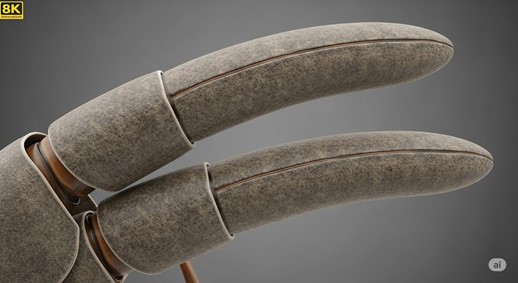
Description: The Mutable Antennae Sheaths are a pair of lightweight, flexible coverings designed to be slipped over one or two medial segments of an avatar’s antennae. They typically appear as though made from a tough, slightly leathery or chitinous material, often in mottled grey-brown, dusty ochre, or dull olive hues that resemble natural camouflage. The surface is usually matte and may bear very faint, almost imperceptible striations or scale-like patterns. When encountering a new or mildly challenging sensory environment, these sheaths subtly adjust the antennae’s receptivity by minutely shifting their own micro-porosity or resonant frequency. This helps the wearer to more quickly acclimate to unfamiliar but non-damaging ambient conditions (like unusual atmospheric particles, pervasive background odors, or slight shifts in humidity) or to subtly dampen the intensity of common, low-level sensory irritants, allowing them to maintain focus and sensory clarity.
Stats (Tier 1):
- Tier Requirement: 1
- Primary Bonus: Enhances sensory acclimatization and provides minor resistance to common environmental antennal irritants. (Mechanical benefits are primarily through its passive and active magic).
- Weight: Negligible.
- Color: Mottled grey-brown, dusty ochre, or dull olive green, often with a matte finish. Some variants might show very subtle, almost imperceptible color shifts depending on the ambient light, mimicking natural camouflage.
- Specific Antennae Slot: Adaptive Segment Sheaths (a pair, each covering one or two medial segments of an antenna, designed for flexibility and unobtrusive wear). Counts as a single worn item for slot limitation purposes.
- Tags: Tier 1, Common, Worn Item, Antennae Slot, Adapt, Environmental Acclimatization, Sensory Filter (Dynamic), Resilience (Minor Irritants), Sensory Comfort, Versatility Aid, Sensory Buffer, Environmental Equalizer (Minor), Antennal Shield (Subtle), Focus Aid (Environmental), Nomad’s Friend, Resilient Hide, Stimulus Dampener, Adaptive Overlay, Naturalistic Design
Passive Magic:
- Environmental Filter (Mild Irritants): The sheaths passively attempt to reduce the impact of common, low-level environmental sensory irritants that primarily affect the antennae. This includes mitigating the distraction or discomfort from excessive mundane dust, pervasive non-toxic pollens, slight unnatural vibrations in the air, or very faint, non-damaging but unpleasant chemical traces. While it doesn’t grant immunity, it makes it slightly more comfortable for the wearer to operate in such environments without suffering minor penalties to concentration or perception due to antennal irritation.
- Rapid Sensory Acclimation (Novel Mundane Stimuli): When the wearer enters a new environment characterized by a host of unfamiliar but non-harmful ambient sensory inputs (e.g., the cacophony of smells and sounds in a strange city’s market, the unique humidity and myriad floral/faunal scents of an alien jungle, the unusual atmospheric pressure of a deep cavern), the sheaths aid the wearer’s sensory organs and brain in processing and categorizing these new stimuli more efficiently. After a short period of exposure (typically 10-15 minutes), the initial feeling of sensory “overload,” novelty-induced distraction, or slight disorientation lessens significantly, allowing them to focus more clearly and operate with their normal level of perception sooner than they might otherwise.
Active Magic:
- Focused Sensory Recalibration:
- Once per short rest (or an equivalent period of taking shelter and refocusing one’s senses), the wearer can spend one minute consciously directing their antennae, allowing the Mutable Antennae Sheaths to perform a focused recalibration of their sensory input in relation to a single, specific, persistent, and mildly adverse environmental stimulus that is currently and directly affecting their antennal perception or comfort. Examples include: a moderately strong and unusual but non-toxic odor that is proving distracting; a constant, irritating but non-damaging airborne particulate like fine sand or volcanic ash causing antennal discomfort; or a noticeable but non-harmful ambient humidity or temperature extreme that is slightly impairing normal antennal function.
- During this minute of concentration, the sheaths subtly shift their texture, porosity, or energetic resonance. For the next hour, the wearer experiences a notable reduction in the negative impact of that one chosen environmental stimulus on their antennal senses. This might manifest as:
- The perceived intensity of the targeted irritating smell is significantly dampened, allowing other scents to be more clearly discerned.
- The physical irritation from fine airborne particles on the antennae is lessened, reducing distraction.
- The antennae function with greater normalcy despite the ambient temperature or humidity, mitigating minor penalties to sensory checks that might otherwise occur.
This ability does not grant immunity to damage, negate the primary effects of toxins or harmful energies, or allow operation in environments that would normally overwhelm or destroy the antennae. It is a tool for fine-tuning sensory input to maintain operational effectiveness and comfort in mildly challenging or unfamiliar, but not acutely dangerous, sensory conditions.
The Mutable Antennae Sheaths, being common Tier 1 items designed for practical environmental adaptation and sensory comfort, would likely be found in establishments catering to travelers, survivalists, or those living in or frequently traversing challenging or varied terrains within Saṃsāra.
Here are some types of shops and vendors where one might acquire or sell such an item:
- The Well-Worn Path Outfitters (Found in frontier settlements, caravan crossroads, and the rougher market districts of diverse cities):
- Shop Description: This kind of shop smells of treated leather, trail dust, preserved rations, and a faint hint of a dozen different wilderness environments. It’s cluttered but organized, with practical gear hanging from rafters and stacked on sturdy wooden shelves – everything from all-weather cloaks and sturdy boots to water purifiers and basic survival tools. The proprietor is usually a seasoned individual, perhaps a retired explorer or a member of a hardy, wandering race, who values function over finery.
- How it’s Bought/Sold: Transactions are typically straightforward and based on practical need. The proprietor might ask about the intended environments to ensure the Sheaths are a good fit, perhaps offering advice on their care. Selling to such a shop would involve them assessing the Sheaths’ durability and general condition for resale to practical-minded customers.
- Cost: Reflecting their common utility for travelers, the price would be fair and accessible, likely between 15 to 25 Shards. Discounts might be available if buying a larger kit of survival gear.
- K’klik’t Hive-Trader Stalls or Nomadic Artisan Markets (Temporary markets set up by nomadic groups, or specific enclaves within larger cities where such communities trade their unique wares):
- Shop Description: Imagine a vibrant, earthy stall run by a K’klik’t Hive-Wanderer or a similar nomadic artisan. The “shop” might be a collection of woven mats spread on the ground, displaying items crafted from chitin, resilient desert flora, and strange mineral deposits. The air would be filled with unusual, organic scents. The Mutable Antennae Sheaths here might be displayed alongside hardy desert cloaks, insect-gland salves for skin protection, or tools made from obsidian and bone.
- How it’s Bought/Sold: Barter is often preferred over currency, or transactions might involve specific trade goods valued by the nomadic community (like certain types of metal tools, potent herbs they cannot easily find, or durable textiles). The seller would likely demonstrate the Sheaths’ flexibility and resilience, perhaps sharing a brief anecdote of how they aided in a specific challenging environment. They would value craftsmanship and true utility when buying.
- Cost: If purchased with currency, it could be relatively inexpensive, perhaps 10 to 20 Shards, especially if buying directly from a member of a community that commonly makes or uses them. The true “cost” might be in finding the right trade goods.
- Bio-Adaptive Crafters & Naturalist Outfitters (In settlements that blend technology with nature, or communities known for their symbiotic relationship with their environment):
- Shop Description: This workshop or store would feel like a fusion of a naturalist’s study and an artisan’s studio. Preserved flora and fauna might be displayed alongside tools and garments designed to enhance interaction with the natural world. The Acu-Resonance Filaments would be seen as a simple but elegant example of bio-mimicry or adaptive design. The proprietor might be a scholar of xeno-biology or an artisan who specializes in crafting gear from sustainably harvested natural components.
- How it’s Bought/Sold: The discussion might involve the specific materials used in the Sheaths, their resonant properties with certain environments, or how they compare to more “advanced” (and expensive) technological solutions. The seller would appreciate a buyer who understands the philosophy of adaptation.
- Cost: Prices could range from 20 to 30 Shards, depending on the perceived quality of the natural materials used (e.g., “prime chrysalis silk blend” vs. “standard resilient hide”) and any minor, custom attunements the artisan might claim to have added for specific environmental conditions (like “enhanced for volcanic ash zones”).
- The Frontier Post General Store (In isolated outposts bordering harsh deserts, volcanic plains, pungent swamps, or magically unstable regions):
- Shop Description: A utilitarian, often dusty establishment that stocks the bare necessities and a few specialized items crucial for survival in the local challenging environment. The Mutable Antennae Sheaths might be found alongside breathing masks, protective goggles, water canteens, and anti-irritant salves.
- How it’s Bought/Sold: Purchases are quick and based on immediate need. The storekeeper, often a grizzled local, knows these items are regularly sought by anyone passing through or living in the area. There’s little room for haggling on such essential minor aids.
- Cost: A fair but firm price reflecting local demand and the difficulty of resupply, likely around 18 to 28 Shards. They know their customers often need such items.
- Explorers’ Guild Consignment or Field Researcher’s Supply Depot (In university towns, major port cities that launch expeditions, or near entrances to largely unexplored territories):
- Shop Description: These establishments cater to academics, explorers, and researchers venturing into unknown or hazardous environments for study. The Sheaths would be valued for their lightweight, low-tech reliability in providing basic sensory comfort and adaptation in alien ecosystems without interfering with more sophisticated scanning equipment.
- How it’s Bought/Sold: Often sold as part of a larger kit for field research. The clerks might be junior researchers themselves, able to discuss the practical benefits of such an item for maintaining focus during prolonged environmental exposure.
- Cost: Prices might be slightly higher due to the specialized clientele and the Guild/Depot’s markup, perhaps 25 to 35 Shards. They might also offer slightly more robust or scientifically “verified” common variants.
The Mutable Antennae Sheaths are not tools of direct aggression or overt shielding; their power in matters of offense and defense is subtle, rooted in the wearer’s enhanced ability to acclimate, maintain sensory clarity, and operate effectively in environments that would hinder or distract others. An avatar equipped with these sheaths uses them to turn the environment itself from a potential adversary into a neutral, or even advantageous, field of operation.
- Urban Environments (Smog-Choked Industrial Zones, Pungent Alchemical Districts, Crowded Spice Markets, Areas with Unusual Magical Emanations):
- Defensive Roleplay:
- Navigating Irritant-Filled Air: Imagine your character, “Twitch,” an insectoid urban scout, entering a district notorious for its acrid chemical fumes from unregulated dye factories. While companions cough and their eyes water, Twitch, after a minute of Focused Sensory Recalibration, describes, “The Sheaths have… tuned out the worst of the sulfurous bite. My antennae are no longer recoiling from the primary irritant. I can still detect the underlying metallic tang of the pursuit droids and the subtle ozone crackle of the warding glyphs on that warehouse. They, however,” gesturing to nearby coughing thugs, “seem rather preoccupied.” This allows Twitch to maintain situational awareness and track threats while others are impaired, effectively defending by being better prepared.
- Resisting Sensory Overload in Markets: In a chaotic Saṃsāran bazaar, a cacophony of smells (exotic spices, alien foods, strange perfumes, unwashed bodies) and sounds might overwhelm a sensitive antennated being. Twitch’s Sheaths (via Rapid Sensory Acclimation) help them process this barrage more quickly. “Initially, it was a sensory storm,” Twitch might think or relay, “but the Sheaths are helping to categorize, to filter… I can now isolate the pheromonal trace of the double-dealing Glargon merchant amidst the perfume of the Xylan Flower vendor. He’s nervous. He’s hiding something.” This prevents disorientation and allows for better perception of subtle social cues or threats.
- Enduring Mild Magical Irritation: If a certain area is suffused with a low-level, distracting magical hum or a faint, illusionary visual shimmer designed to unsettle (but not directly harm), Twitch can use Focused Sensory Recalibration. “The annoying flicker in the air here, the one making your antennae buzz, Grondar? My Sheaths have found its… frequency. I can mostly ignore it now. Focus on the task.” This defends against minor magical annoyances designed to break concentration or wear down intruders.
- Offensive Roleplay (Exploiting Environments):
- Luring Foes into a Prepared Zone: Knowing an area has a specific, pervasive environmental irritant (e.g., the dust from a nearby gem-cutting facility that clogs most creatures’ sensory organs), Twitch, having used Focused Sensory Recalibration to adapt, can deliberately lead pursuers into that zone. “They follow blindly,” Twitch might muse, as their foes begin to cough and slow, “while this delightful crystalline dust simply… clarifies my other senses. Their disadvantage is my opportunity.” This turns a normally hostile environment into a tactical advantage.
- Maintaining Focus During a “Dirty” Fight: If opponents try to use common, low-grade smoke bombs, stink bombs, or other sensory irritants that aren’t potent enough to cause real damage but are designed to distract, Twitch’s passive Environmental Filter provides a slight edge. “Your attempt to cloud my senses with common Skunk-Musk is… noted,” Twitch might say with barely a twitch of an antenna, “but ultimately, rather pedestrian. My Sheaths find it merely… piquant.” This allows Twitch to continue offensive actions with less impairment than an unadapted foe.
- Outlasting Opponents in Uncomfortable Conditions: In a prolonged standoff in a damp, mold-spore-filled sewer tunnel, Twitch’s ability to acclimate and filter (both passive and potentially active recalibration against the spores) means they remain more alert and less physically distressed than opponents, potentially leading to an offensive opportunity when the others falter from discomfort or growing illness.
- Defensive Roleplay:
- Natural Terrains (Volcanic Ashfall Zones, Pollen-Heavy Jungles, Saline Coastal Flats, Caves with Stagnant Air or Mineral Dust):
- Defensive Roleplay:
- Operating in Volcanic Ash: While traversing a plain downwind from an active volcano, constant fine ash falls, irritating eyes and sensitive antennae. Twitch uses Focused Sensory Recalibration. “The ash no longer feels like tiny needles against my feelers,” Twitch explains. “The Sheaths have adjusted their… receptivity. I can focus on the tremors in the ground, the scent of sulfur indicating new vents, rather than this constant gritty annoyance.” This enhanced awareness helps avoid more significant volcanic hazards.
- Resisting Jungle Pollen Overload: In a Saṃsāran jungle teeming with gigantic, bioluminescent flora releasing clouds of diverse, overwhelmingly strong pollens, Twitch’s Rapid Sensory Acclimation helps them sort through the initial olfactory chaos faster than companions. “Give me a moment,” Twitch signals, antennae sweeping slowly. “The Sheaths are cataloging… yes. The sweet, cloying scent is merely a harmless nectar bloom. The sharp, peppery one… that leads to the Spine-Trap Vines. Avoid.”
- Maintaining Vision on Salt Flats: The glare and fine salt spray on vast salt flats can be debilitating. The Sheaths, while not eye protection, help the antennae resist the irritating salt crystals and maintain their function in detecting air currents or faint temperature shifts that might indicate changing weather or distant creatures, thus providing better overall environmental awareness for defense.
- Offensive Roleplay (Leveraging Adaptation):
- Tracking Through Irritating Environments: A quarry flees into a sulfurous geothermal area. Most trackers would be severely hampered. Twitch, after using Focused Sensory Recalibration on the sulfurous fumes, can pursue with less discomfort and more focused senses. “He thinks the sulfur will mask his trail,” Twitch notes, antennae questing. “But to my recalibrated senses, his fear-scent now cuts through it like a discordant note in a badly tuned symphony.”
- Enduring for a Better Shot/Opportunity: If an offensive opportunity requires waiting patiently in an environment with mild but persistent irritants (e.g., a windy, dusty ruin for an ambush), Twitch’s Sheaths (passively and potentially actively) allow them to remain more comfortable and alert for longer than an unadapted individual, ensuring they are at peak readiness when the moment to strike arrives.
- Using the Environment as a Soft Barrier: If aware of an area with, for example, a high concentration of non-toxic but intensely irritating spores that most creatures avoid, Twitch (adapted via Recalibration) could maneuver an opponent towards it, knowing the foe will be more hampered by the environment than Twitch is, creating an offensive imbalance.
- Defensive Roleplay:
- Specialized/Magical Environments (Areas with Mild, Persistent Aetheric Static, Zones of Sensory Distortion):
- Defensive Roleplay:
- Filtering Minor Aetheric “Noise”: In an area with a low level of chaotic magical energy or aetheric static that causes a distracting “buzz” or disorientation to most sensory organs, Twitch’s Sheaths (perhaps after a Focused Sensory Recalibration) can help to filter this background interference. “The ambient magic here is… agitated,” Twitch might observe, “but the Sheaths are creating a sort of… calm pocket for my antennae. I can still discern the true magical signatures from this… noise.” This helps defend against being overwhelmed by minor magical pollution.
- Acclimatizing to Sensory Illusions: If an area is protected by weak, persistent sensory illusions (e.g., a faint, shimmering heat haze that distorts vision slightly, a constant, low hum designed to mask other sounds), the Rapid Sensory Acclimation and potentially the Focused Sensory Recalibration can help Twitch’s brain and antennae “see through” or adapt to the baseline illusion more quickly, allowing them to spot true anomalies or threats hidden within or behind it.
- Offensive Roleplay (Subtle Edges):
- Operating in a Zone of Confusion: If a conflict occurs in an area that naturally or magically causes minor sensory confusion to most (e.g., a hall of mirrors with faint illusionary duplicates, a cavern with disorienting echoes and faint, shifting lights), Twitch’s ability to adapt and filter slightly better with the Sheaths might provide just enough clarity to act more decisively or target more accurately than an equally confused opponent.
- Resisting Minor Mental Suggestion (Sensory-Based): If a very weak form of magical suggestion relies on overwhelming or distorting one specific antennal sense (e.g., a pheromonal lure, a confusing scent trail), the Sheaths’ filtering and recalibration ability might offer a slight edge in resisting its full effect, allowing Twitch to maintain a clearer head for offensive or defensive action.
- Defensive Roleplay:
The Mutable Antennae Sheaths grant their wearer the ability to transform from a victim of harsh or confusing environments into a more resilient and perceptive inhabitant. Their “offense” and “defense” are therefore proactive and subtle – the defense of maintained awareness and focus, and the offense of being able to act with greater clarity and endurance when others are compromised by the very air they breathe or the ground they walk upon.
Perception of Activation:
- Sight
- What is Perceived: Passively, the Mutable Antennae Sheaths are designed for unobtrusiveness, their mottled grey-brown, dusty ochre, or dull olive hues blending readily with natural armors or chitin. Their matte finish prevents glare. During the one-minute activation of Focused Sensory Recalibration, any visual change is exceptionally subtle, almost subliminal. There is no glow or emission of light. Instead, if one were to scrutinize the surface of the sheaths with extreme magnification under precise lighting, they might observe an almost imperceptible shift in the material’s texture or a very slight deepening or lightening of its mottled coloration, as if the micro-pores or resonant fibers within the sheath material are minutely reconfiguring themselves to adapt to the targeted environmental stimulus. This is less a distinct visual effect and more a fractional alteration of the material’s surface properties.
- User’s Perspective: Visually, the user perceives little to no change in the sheaths themselves during passive or active use. The primary visual experience is the consequence of the sheaths’ function – for instance, after recalibrating against airborne dust, their vision of the environment (perceived through their eyes, if applicable, or general sensory clarity) might seem less hazy because their antennae are no longer being constantly irritated and distracting them. They don’t see the sheaths “do” something, but rather experience the world more clearly afterwards.
- Observer’s Perspective: It is highly unlikely that an observer would notice any visual change in the Mutable Antennae Sheaths during activation. Their adaptive process is designed to be internal and material-based, not a display of overt energy. Someone staring intently at the wearer’s antennae for the full minute of concentration might only note the wearer’s focused demeanor.
- Positives: The extreme visual subtlety ensures the wearer does not draw attention when activating the ability or benefiting from its passive effects. This is ideal for stealth or for situations where displaying magical item use would be undesirable.
- Negatives: There is no clear visual feedback for the user to confirm that the active recalibration process is underway or has successfully completed, beyond the eventual subjective experience of the targeted irritant being lessened. This might lead to uncertainty about whether the ability has functioned correctly until its effects are felt.
- Sound
- What is Perceived: The Mutable Antennae Sheaths are completely silent in their operation, both passively and during the active Focused Sensory Recalibration. Their adaptive function is based on subtle material property changes and energetic attunement, not on any mechanical or sound-producing process.
- User’s Perspective: The user hears no sound emanating from the sheaths. Any perceived “quieting” of the environment would be a result of their antennae being less overwhelmed by a specific irritating stimulus they have recalibrated against, thus allowing other, previously masked sounds to become more discernible. For instance, after recalibrating against a pervasive, distracting wind-howl affecting their antennae, they might suddenly find it easier to hear faint footsteps.
- Observer’s Perspective: An observer will hear absolutely nothing from the sheaths.
- Positives: Complete silence ensures total discretion and allows the wearer to remain attuned to actual environmental sounds without interference from the item itself.
- Negatives: No auditory cue is provided to the user or allies to indicate that the active ability is engaged or has taken effect.
- Touch
- What is Perceived: Passively, the sheaths feel like a lightweight, flexible, and slightly textured second skin over the covered segments of the antennae. They are designed for comfort and non-interference with normal antennal movement. During the one-minute activation of Focused Sensory Recalibration, the wearer might feel a very subtle, almost imperceptible change in the sensation of the sheaths against their antennae. This could be a fleeting feeling of the material minutely tightening or relaxing, a fractional shift in its surface texture (perhaps becoming infinitesimally smoother or more porous depending on what it’s adapting to), or a faint, almost subliminal vibration as the internal structure of the sheaths reconfigures. It might also feel like a very slight change in the perceived temperature of the sheath material itself, as it adapts its insulative or conductive properties minutely.
- User’s Perspective: This subtle tactile shift is often the primary direct feedback for the user that the recalibration process is actively occurring. It might feel like their antennae are being gently “tuned” or that the sheaths are “settling in” to counter the specific environmental stimulus. The sensation is not uncomfortable but rather a focused, internal adjustment.
- Observer’s Perspective: An observer would have no way of perceiving these minute tactile changes.
- Positives: Provides a direct, albeit very subtle, tactile confirmation to the user that the active ability is engaged and the sheaths are undergoing their adaptive process. The sensation reinforces the concept of active, material-based recalibration.
- Negatives: The tactile feedback is so subtle that a user who is highly distracted by the environmental stimulus they are trying to adapt to, or who is not particularly focused on the sensation, might miss it entirely, leading to uncertainty about the activation.
- Smell
- What is Perceived: The Mutable Antennae Sheaths are crafted from materials that are inherently neutral and non-odorous, or which quickly take on the ambient scent of the wearer and their environment. They do not emit any smell when passive or during active use.
- User’s Perspective: The user perceives no specific smell originating from the sheaths themselves. The primary olfactory experience related to the sheaths is the effect of their function: if the Focused Sensory Recalibration is used to adapt to a pervasive, irritating environmental odor, the user will perceive that targeted odor as significantly dampened, less pungent, or less distracting, allowing them to better discern other, more subtle scents in the environment.
- Observer’s Perspective: An observer would not perceive any smell emanating from the Mutable Antennae Sheaths.
- Positives: The lack of any olfactory signature ensures the sheaths are entirely discreet and will not betray the user’s presence or the use of an adaptive item to creatures with keen noses. The ability to effectively dampen a specific unwanted odor is a significant boon to the wearer’s sensory comfort and clarity.
- Negatives: There is no olfactory cue to confirm the item’s activation state for the user or for others, beyond the eventual subjective reduction of a targeted scent.
- Taste
- What is Perceived: The Mutable Antennae Sheaths produce no taste. They are external adornments/tools for antennae and are not designed for any form of oral contact or ingestion.
- User’s Perspective: The user experiences no taste related to the item itself.
- Observer’s Perspective: No taste is perceived by an observer.
- Positives: No risk of any unpleasant or distracting taste associated with the item’s use.
- Negatives: There is no gustatory cue related to the item’s function.
- Extra-Sensory Perceptions
- Environmental Stimulus Attunement / Sensory Normalization (Active Recalibration Focus)
- What is Perceived: This is the core extra-sensory (or perhaps more accurately, hyper-sensory processing) experience during the Focused Sensory Recalibration. As the user concentrates for one minute on a specific, mildly adverse environmental stimulus, they perceive a gradual shift in how their antennae, aided by the sheaths, are processing that particular input. It’s not that the stimulus vanishes, but rather that its “signal strength” or its “irritant factor” is progressively dampened or filtered out from their direct conscious perception. It might feel like their sensory system is “learning” to deprioritize that specific input, moving it from the foreground of their awareness to the distant background.
- User’s Perspective: This feels like a focused act of will guiding a subtle, internal recalibration. If adapting to an irritating sound only perceptible via antennae, that sound seems to recede or lose its jarring quality. If adapting to an unusual atmospheric pressure affecting antennal function, there’s a growing sense of their antennae returning to a more normal, comfortable state of operation. It’s a sensation of gaining control over how their senses react to a specific, manageable environmental stressor, achieving a localized “sensory peace” regarding that one element.
- Observer’s Perspective (if possessing extremely advanced sensory diagnostic abilities or specialized tech/magic): An exceptionally sophisticated observer might detect a minute alteration in the micro-energetic field immediately around the user’s antennae as the sheaths change their resonant or filtering properties. This would not be a broad aura, but a highly localized and very subtle shift in how the antennae interact with or reflect ambient energies related to the targeted stimulus. To most, nothing would be apparent.
- Positives: Provides a direct and tangible benefit, allowing the user to operate with significantly reduced distraction or discomfort in environments with specific, mildly adverse conditions. Empowers the user to actively manage their sensory input regarding one chosen irritant.
- Negatives: The recalibration is highly specific to one chosen stimulus per activation and requires a full minute of dedicated concentration, making it unsuitable for rapidly changing threats or immediate crises. It only addresses mildly adverse conditions, not truly dangerous or damaging ones. The focus on one irritant might, in very rare cases, make the user slightly less aware of a different, newly emerging subtle stimulus if they are not careful.
- Enhanced Clarity of Unfiltered Senses (Post-Recalibration Benefit)
- What is Perceived: Once the Focused Sensory Recalibration has successfully dampened or normalized the perception of a targeted environmental irritant, the user often experiences a corresponding heightening of clarity in their other sensory inputs, or in their ability to perceive stimuli not related to the one that was filtered. With the primary source of antennal “noise” or discomfort now less intrusive, their overall sensory acuity for other details in the environment subtly improves.
- User’s Perspective: This feels like a fog has partially lifted from one aspect of their senses, allowing them to dedicate more “bandwidth” to other incoming information. Faint sounds might seem clearer, subtle movements easier to track, other less pervasive scents more discernible, because the dominant irritant is no longer overwhelming their perceptive capacity. It’s a feeling of restored or even slightly enhanced sensory focus and clarity regarding the broader environment.
- Observer’s Perspective: An observer might notice that after a period of apparent concentration, the user seems more alert, more perceptive of their surroundings, or responds more quickly to subtle cues than they did before, especially if the environment was visibly affecting others more severely. They might seem more “present” and less distracted.
- Positives: Improves overall situational awareness and the ability to focus on important details once a key environmental irritant has been mitigated. Enhances the utility of the antennae for their primary sensory functions by removing a specific source of interference.
- Negatives: This heightened clarity is a secondary effect and entirely contingent on successfully recalibrating against a specific irritant. If the recalibration is only partially effective or if other, stronger irritants are present, this benefit will be minimal or unnoticed. It doesn’t grant new sensory abilities, merely optimizes existing ones by reducing specific interference.
- Adaptive Confidence / Psychological Resilience (Subtle Passive Effect)
- What is Perceived: A subtle, almost subconscious psychological effect stems from wearing the sheaths and knowing one possesses the ability to actively adapt, even in minor ways, to challenging sensory environments. This isn’t a magical aura of bravery, but rather a learned confidence that comes from having a tool to manage minor environmental discomforts.
- User’s Perspective: The user may feel a slightly greater sense of preparedness and resilience when facing unfamiliar or mildly uncomfortable environments. Knowing they can actively “tune out” or adjust to a specific irritant can reduce the low-level stress and anxiety often associated with entering such areas. This allows for a calmer, more methodical, and less reactive approach to exploring or operating within diverse sensory landscapes.
- Observer’s Perspective: Over time, observers might note that the user seems less phased by minor environmental annoyances (dust, strange smells, humidity shifts) than others, or perhaps shows a greater willingness to enter and operate in areas with unusual but generally non-lethal sensory conditions. They might appear more “stoic” or “adaptable” in their general demeanor when faced with such stimuli.
- Positives: Boosts the wearer’s psychological ability to cope with and function effectively in a wider range of common environmental conditions. Promotes a proactive rather than purely reactive mindset when encountering new or mildly irritating sensory stimuli. Can reduce minor travel fatigue or stress related to sensory discomfort.
- Negatives: This is primarily a subjective and minor psychological benefit; it does not grant any actual physical resistance beyond the sheaths’ direct filtering or recalibration effects. There’s a small risk that this learned confidence might lead to a slight underestimation of more serious environmental threats if the user becomes overly reliant on the sheaths’ ability to mitigate minor discomforts.
- Environmental Stimulus Attunement / Sensory Normalization (Active Recalibration Focus)
Artisan’s Process: Crafting Mutable Antennae Sheaths — This document describes the traditional method for crafting Mutable Antennae Sheaths, a common Tier 1 item valued by travelers and those who dwell in Saṃsāra’s ever-changing or mildly irksome environments. The process emphasizes the careful selection and treatment of natural, resilient materials, imbuing them with subtle adaptive properties through patient craft rather than potent enchantment.
- Materials Needed:
- Core Sheath Material (Sufficient for one pair):
- Giant Desert Scarab Chrysalis Sections (2, well-preserved): Harvested from the shed, hardened chrysalis casings of the Giant Desert Scarab, found in arid sand flats. These casings are naturally lightweight, surprisingly resilient, and possess a micro-porous structure. Only unblemished, flexible sections are suitable.
- Alternatively: Woven Iron-Reed Fiber Mat (small, tightly woven square): Crafted from the mature, sun-cured fibers of the Iron-Reed plant, known for its tensile strength and ability to withstand environmental stresses. This requires pre-processing of the reeds into workable fibers.
- Resilient Oil Compound (1 small vial): A blend of Rock-Rose Resin (for flexibility and water resistance) and Sand-Drake Oil (rendered from the fat of the common Sand-Drake, prized for its ability to keep natural materials supple in harsh conditions). The oils should be filtered and allowed to settle.
- Adaptive Mineral Pigment Mix (1 pouch): A combination of finely ground Volcanic Ash (for its subtle heat-retention/dissipation properties and grey tones), Ochre Clay Powder (for earthy coloration and a slightly absorbent quality), and Powdered Slate or Shale (for durability and darker mottling). The specific blend determines the final camouflaged appearance.
- Aether-Charged Desert Sand (A very small pinch, collected with reverence): Sand gathered from specific, remote desert locations known to hum with a faint, residual earth-aspected aetheric energy, often identified by the unusual growth patterns of hardy desert flora or by a subtle warmth felt in the sand even during cool nights. This is the key “imbuing” agent.
- Natural Chitinous Binder (1 small pot): A sticky, flexible glue derived from boiling down the cleaned carapaces of common desert beetles or locusts, mixed with a small amount of tree sap (like that from the hardy Thorn-Acacia) to enhance its adhesive and flexible properties once cured.
- Fine Sinew or Plant-Fiber Thread (Optional): For reinforcing seams or creating subtle adjustment loops if the design requires it. Must be treated with the Resilient Oil Compound.
- Soft Hide Scraps (for polishing and application).
- Core Sheath Material (Sufficient for one pair):
- Tools Required:
- Delicate Material Working Kit:
- Obsidian Flakes or Sharp Chitin Shards: For precise cutting and shaping of the chrysalis or fiber mat.
- Bone Awls and Needles (various sizes): For piercing, stitching (if using thread reinforcement), and manipulating materials.
- Smooth Stone or Bone Scrapers: For thinning edges and ensuring an even surface.
- Alchemist’s or Herbalist’s Grinding Implements (Small, sturdy stone or ceramic mortar and pestle): For pulverizing the mineral pigments and ensuring a consistent, fine powder.
- Shallow Earthenware or Wooden Bowls (2-3): For mixing the oils, binder, and pigment mixture.
- Small, Stiff-Bristled Application Brushes (crafted from animal hair or tough plant fibers): For evenly applying the Resilient Oil Compound and the Adaptive Mineral Pigment Mix.
- Antennal Shaping Mandrels (Workshop-made): A set of smooth, tapered dowels or carved pieces of soft wood, in various common antennae diameters and segment lengths. These are used to shape the sheaths correctly.
- Sun-Drying Rack or Warm-Stone Curing Surface: A clean, flat surface in a warm, dry area, ideally exposed to gentle sunlight for curing the treated sheaths. A large, flat river stone that retains warmth can also be used.
- Polishing Stones (Fine-grained river stones) and Soft, Oiled Hide Buffs.
- Delicate Material Working Kit:
- Skill Requirements:
- Proficient Craft (Leatherworking, Chitin-Carving, or Natural Fiber Artistry): The artisan must be adept at carefully cutting, shaping, molding, and treating resilient yet delicate natural materials to create precise, form-fitting items. An understanding of how these materials react to oils and binding agents is crucial.
- Basic Knowledge (Herbalism, Geomancy, or Natural Philosophy): Required to correctly identify and prepare the Resilient Oil Compound, to select the appropriate mineral pigments for both coloration and subtle environmental interaction, and to understand the significance and proper handling of the Aether-Charged Desert Sand. This is less about casting spells and more about traditional folk knowledge of natural material properties.
- Meticulous Hand-Eye Coordination & Patience: The creation of these sheaths involves fine detail work, careful application of mixtures, and slow curing processes. Rushing or carelessness will result in a stiff, ill-fitting, or non-functional product.
- Resourcefulness (Foraging or Bartering): Many of the specific natural materials may need to be personally gathered from appropriate environments or traded for with communities that specialize in their collection.
- Crafting Steps:
- Material Selection and Initial Preparation (The Shaping of Resilience):
- Carefully select two sections of Giant Desert Scarab Chrysalis (or the Iron-Reed Fiber Mat) that are free from cracks or significant blemishes. If using chrysalis, gently clean any remaining organic matter. If using fiber mat, ensure it is tightly woven and flexible.
- Using the obsidian flakes or sharp chitin shards, meticulously cut the chosen material to the approximate size and shape required for the antennal sheaths, allowing a little extra for molding. The cuts must be clean and precise.
- If the material is stiff, it may need to be gently soaked in warm water (infused with a touch of Rock-Rose Resin to prevent brittleness) and then slowly molded over appropriately sized Antennal Shaping Mandrels. Secure lightly with sinew or plant fiber thread and allow to partially dry to hold its basic tubular shape.
- Oil Treatment and Flexibility Infusion (The Suppling):
- Once the basic shapes are formed and relatively dry, liberally apply the Resilient Oil Compound to both the interior and exterior surfaces of the sheaths using a soft brush or hide scrap. Work the oil gently into the material.
- Allow the oiled sheaths to rest on the Sun-Drying Rack for several hours, or overnight, enabling the oils to fully penetrate and impart flexibility and resistance to environmental extremes like dryness or excessive humidity. Reapply a second, lighter coat if the material seems to have absorbed it all too quickly.
- Adaptive Pigment and Aetheric Imbuement (The Blending with Environment):
- In an earthenware bowl, thoroughly mix the chosen Adaptive Mineral Pigment powders (Volcanic Ash, Ochre Clay, Powdered Slate) to achieve the desired mottled, camouflaged coloration.
- Add a small amount of the Natural Chitinous Binder to the pigment mix, stirring until a smooth, paint-like consistency is achieved.
- Finally, with due reverence, add the tiny pinch of Aether-Charged Desert Sand to the pigment-binder mixture, stirring it in gently but thoroughly. This sand is believed to attune the sheaths to the subtle energetic shifts of the environment.
- Carefully apply a thin, even coat of this prepared mixture to the exterior surface of the oiled sheaths using a fine brush. The goal is not a thick, painted layer, but a durable, textured finish that integrates the pigments and sand into the sheath material itself. Create mottled patterns by dabbing different shades or densities of the mixture.
- Curing and Setting (The Hardening of Purpose):
- Place the coated sheaths back on the Antennal Shaping Mandrels (or a similar support that maintains their shape) and allow them to cure completely on the Sun-Drying Rack or Warm-Stone Curing Surface. This process may take one to three full days, depending on ambient temperature and humidity. The sheaths must be protected from excessive moisture or direct, harsh sunlight during this critical phase. The slow curing allows the binder to set properly and the aetheric sand to “settle” its energies within the material.
- Finishing and Final Calibration (The Awakening of Sense):
- Once fully cured, the sheaths should be tough yet retain a degree of flexibility. Carefully remove them from the mandrels.
- Gently polish the exterior with fine polishing stones and then buff with an oiled hide scrap to smooth any minor roughness from the pigment application and to bring out a subtle, matte luster in the mottled coloration. Ensure the interior remains smooth and comfortable.
- The final step is a subtle calibration. This is often done by the crafter themself if they possess antennae, or by carefully fitting the sheaths onto a set of highly sensitive “master” antennae (perhaps preserved from a revered creature or crafted for this purpose). The crafter then exposes the sheathed antennae to a variety of gentle, natural stimuli – soft breezes, the scent of common plants, faint sunlight – while focusing their intent on the concept of “adaptation” and “sensory harmony.” This is not a magical enchantment in the forceful sense, but a gentle “awakening” of the materials’ inherent properties, coaxing them into their intended function.
- Material Selection and Initial Preparation (The Shaping of Resilience):
The completed Mutable Antennae Sheaths will now be ready to offer their wearer a measure of comfort and enhanced focus when navigating the diverse and often sensorily challenging environments of Saṃsāra.
Scroll of the Sand-Strider
The Sheaths That Tasted the Wind
From the time when the Great Salt Waste sighed with winds that carried the ghosts of forgotten mountains, and the Volcanic Marches did breathe forth smokes of many strange colors, there comes this account, passed down by the K’klik’t Hive-Wanderers, a people whose carapaces were like the desert stones and whose antennae tasted the humors of the ever-shifting world. Their speech, it is told, was a clicking and a scraping, a language of the sand and the dry reed, and so what is here writ in the flowing signs of men is but a pale shadow, a much-broken echo of what was once a vibrant, shifting truth. Forgive, then, the clumsiness of this telling.
In those days, the K’klik’t, they did not build high towers of stone, nor delve deep for shining metals to hoard. Their fortress was the wind itself, their wealth the knowledge of where the bitter-water springs might next erupt, or where the Sky-Fire (which you call the sun) would bake the sands least fiercely. Their lives were a dance with the land, a constant tasting and testing of its moods, and their chiefest tools were their antennae, those long, jointed feelers that drank in the world’s breath – its dusts, its steams, its hidden tremblings.
But there came a season, or perhaps an age, for the K’klik’t reckon time by the great storms and the shifting of the dunes, not by the small turnings of a man’s short life. In this age, the winds grew angry. They carried not just the usual grit of the Salt Waste, but a new, finer dust, sharp as ground glass, that came from the ever-more-frequent outpourings of the Smoking Mountains. This dust, it clogged the delicate sensilla of the antennae, it made the air thick and hard to read, it brought a stinging blindness to the feelers that were the K’klik’t’s eyes upon the unseen world. The Hive-Minders, the old ones who held the deepest memories, they chittered with much anxiety, for how could the K’klik’t wander, how could they find the scarce sustenance, if their antennae were thus made blind and dumb by this ceaseless, biting affliction?
It was then that a K’klik’t named K’chirr – whose name, it might be poorly said, means “He-Who-Listens-To-the-Earth’s-Heartbeat” – grew troubled in his many small hearts. K’chirr was not a great warrior, nor a chanter of powerful spirit-songs. He was a Sand-Strider, a scout, one whose task was to walk the edges of the livable lands and bring back tidings of new paths, new dangers, new hopes. And his antennae, they suffered greatly under the lash of the new, acrid winds.
K’chirr, it is told, sat for many turnings of the Sky-Fire in the hollow of a great, wind-scoured rock, watching the Desert Scarabs, those hardy beetles whose casings gleamed like polished bronze. He saw how, when the storms were at their worst, the Scarabs would burrow deep, yes, but also how their old, shed chrysalis husks, light and tough, would skitter across the sands, unharmed by the stinging dust, their inner surfaces still holding a kind of resilient smoothness. He saw too how the Iron-Reeds that grew sparsely near the bitter-springs would bend in the harshest gales, their outer layers tough and fibrous, yet their core remaining pliable, still able to taste the faintest hint of moisture in the air.
And a thought, like a seed long dormant, began to sprout in K’chirr’s mind-parts. He gathered the shed chrysalis-skins of the Giant Scarab, those that were thinnest and most flexible. He collected the sticky, resilient oils that oozed from the sun-baked Rock-Rose. He took fine volcanic ash, and the ochre clays from the Painted Gully, and even a pinch of that strange, glittering sand found only near the places where the earth itself hummed with a faint, aetheric warmth – a sand the K’klik’t believed held the memory of the world’s first, gentlest breath.
With tools of sharpened bone and smooth river-stones, K’chirr worked. He scraped the chrysalis-skins thin, impossibly thin, yet leaving their toughness. He treated them with the Rock-Rose oils until they were supple as his own hide. He mixed the ash and clays with a binder made from locust-spit and tree-sap, and into this, he stirred the pinch of aether-sand. This mixture he applied in a thin, mottled layer to the shaped chrysalis-skins, making them like the very desert itself, able to shift and blend. These were not to be armor, no. They were to be a second skin, a thinking skin, for the antennae themselves. The first Mutable Antennae Sheaths, or so the oldest clickings suggest.
When K’chirr first slipped these delicate, mottled sheaths over his own long, sensitive antennae, it was not a great magic he felt. There was no burst of power, no sudden vision. But as he stepped out into the stinging, dust-laden wind, he found he could breathe the world again through his feelers. The sharpest bite of the ash was… softened. The overwhelming roar of a thousand tiny impacts against his sensilla was… muted, filtered. He could still taste the direction of the wind, still feel the subtle shifts in temperature that spoke of a distant oasis, still sense the faint pheromonal trails of his kin, but the constant, irritating static of the harsh environment was lessened, allowing the true signals to emerge with a newfound clarity. He found he could walk further, endure longer, his mind less frayed by the constant sensory assault. He could adapt.
He brought this knowledge, these simple sheaths, back to the Hive-Minders. At first, there was skepticism. The K’klik’t trusted their unadorned senses, the legacy of a thousand thousand generations of survival. But as others tried K’chirr’s sheaths, especially the young scouts whose antennae were not yet hardened by long exposure, they found the same relief, the same clarity in the face of the world’s harshness. The sheaths did not make them stronger, not in the way of a warrior’s sharpened mandible. They made them more… enduring. More attuned to the subtle truths that lay hidden beneath the overwhelming noise of a hostile land.
And so, the Mutable Antennae Sheaths became a part of the K’klik’t way. A common thing, yet a precious one. They were a symbol not of power over the environment, but of a deep understanding of how to live within it, how to bend like the Iron-Reed, how to wear the resilience of the Scarab. The story of K’chirr and his simple invention became a teaching tale, a reminder that the greatest adaptations are often born not of grand sorceries, but of quiet observation, patient craftsmanship, and a humble willingness to learn from the smallest of the world’s creatures.
Moral of the Story: The loudest storm may not be overcome by the strongest stance, but by the wisdom to weave a shelter from the wind’s own breath. True survival lies not in defying the world, but in learning to wear its many skins with grace and understanding.
Suggested conversions to other systems:
Call of Cthulhu (7th Edition)
K’klik’t Adaptation Coils
- These are a pair of finely etched bronze circlets designed to be affixed to an Investigator’s suitable sensory appendages (such as antennae, if applicable to their species or a strange graft). They are said to subtly filter and interpret the myriad sensory data perceived by such appendages, offering a slight edge in unusual or sensorily overwhelming environments.
- Passive – Environmental Filter: The Keeper may determine that certain common environmental irritants (heavy dust, strong mundane odors, constant fine drizzle) that might normally impose a Penalty Die on Perception or specific antennal-based rolls for the Investigator are reduced to a minor inconvenience or impose no penalty while the coils are worn. This does not apply to toxic gases, damaging conditions, or supernaturally potent sensory assaults.
- Passive – Rapid Acclimation: When entering a new environment with a barrage of unfamiliar but non-threatening sensory inputs (e.g., a bustling foreign marketplace with myriad new smells and sounds, a strange biome with unusual but harmless atmospheric particles), after approximately 10-15 minutes of exposure, the Investigator finds it easier to filter out the “noise” and focus. The Keeper might waive an initial INT roll that would normally be required to avoid minor disorientation or to begin effectively processing the new stimuli for clues or information.
- Active – Focused Recalibration: Once per game day (or per significant period of rest and system recovery), the Investigator can spend 1 minute in uninterrupted concentration to attune the coils to a single, specific, persistent, mildly adverse environmental condition directly affecting their antennae (e.g., a pervasive non-toxic chemical scent used as a background marker by cultists, irritating but non-damaging pollen from an alien plant, or a specific type of mundane airborne dust hindering tracking). For the next hour, any Penalty Die that would normally be imposed on relevant skill rolls (like Spot Hidden, Listen, or Track) due to that specific stimulus interfering with their antennal senses is negated. This ability does not grant immunity to damage, overcome potent toxins, or negate more severe environmental effects.
- Notes: This item is considered a piece of highly specialized, perhaps ethnographically unique, sensory equipment rather than overt Mythos magic. Its effects are subtle and grounded in enhancing natural (if alien) sensory processing.
Blades in the Dark
Shifting Chrysalis Sheaths
- (Delicate, chitin-like sheaths that fit over antennae or similar sensory organs. They seem to subtly change texture in response to the environment. Takes 0 Load if considered an intrinsic part of specialized gear or an insectoid character’s adaptation; otherwise, 1 Load if it’s a distinct piece of equipment requiring care.)
- These sheaths, inspired by the adaptive carapaces of certain resilient vermin from the Deathlands or remote isles, help the wearer endure and process difficult sensory environments.
- Passive – Environmental Buffer: When you face a consequence from operating in a difficult environment due to mild, pervasive irritants (such as choking dust, overwhelming stenches, or disorienting humidity) that would impose a condition like “Distracted,” “Coughing Fit,” or “Senses Dulled,” you can describe how your Sheaths filter or adapt to the worst of it. The GM might reduce the severity of such a consequence (e.g., a level 2 harm becomes level 1) or allow you to make a Prowess or Resolve resistance roll with +1d.
- Passive – Quick Acclimation: When you enter a new environment that is sensorily overwhelming (but not directly harmful, like a suddenly loud factory or a disorienting hall of mirrors with strange perfumes), you can take a moment to Study it, focusing through your Sheaths. You quickly get your bearings and process the new inputs. You may ask one additional question from the Study list, specifically about how to navigate or best operate within that sensory environment.
- Active – Sensory Recalibration (Can be used once per score. For additional uses, you could mark 1 Stress if the situation is pressing and you push the Sheaths beyond their normal limits): When you are facing a persistent, mildly annoying environmental factor that directly impacts your antennal senses and is hindering your actions (e.g., a specific cloying perfume used by a target to mask other scents, the grinding dust of a particular workshop making it hard to hear, the constant drone of certain machinery affecting your fine sensory hairs), you can take a few minutes of game time (or a setup action if time is critical) to focus and allow your Sheaths to adapt to that specific stimulus. For the rest of the current scene (or approximately one hour of in-game time), you ignore any minor penalties or distractions that specific stimulus would normally cause you. This might grant you Potency (improved effect) when you take actions in that environment if others are still demonstrably affected by the stimulus you have adapted to.
Dungeons & Dragons (5th Edition)
Sheaths of Mutable Sensing
- Wondrous item, common (requires attunement by a creature with antennae or similar external sensory organs to which the sheaths can be affixed)
- These flexible, mottled grey-brown sheaths are crafted from a resilient, chitin-like material that seems to subtly shift in texture and opacity. While wearing these sheaths on your antennae and attuned to them, you gain the following benefits:
- Passive – Environmental Filter: You have advantage on saving throws made to resist the effects of common airborne irritants that are not inherently damaging but could cause minor conditions or distractions. This includes mundane dust, natural pollens, or non-magical, non-toxic fumes that might otherwise impose conditions like being temporarily unable to use your sense of smell effectively or suffering disadvantage on Wisdom (Perception) checks relying on your antennae. This does not protect against effects that deal damage or impose more severe magical conditions.
- Passive – Rapid Acclimatization: When you enter a new environment with significantly different but generally non-harmful ambient conditions (such as a sudden change in humidity within tolerable ranges, a shift in temperature that is uncomfortable but not extreme, or a barrage of unfamiliar but mundane smells and sounds that would normally be disorienting), you become accustomed to these conditions in half the normal time typically required (or within 10 minutes if no specific acclimatization time is usually needed, as determined by the DM). During this shortened acclimatization period, you do not suffer disadvantage on Wisdom (Perception) checks that rely on your antennal senses due to the unfamiliar nature of the stimuli.
- Active – Focused Sensory Recalibration (This feature can be used once, and regains its use after you finish a Short or Long Rest): As an action, you can spend 1 minute concentrating (as if concentrating on a spell) to allow the sheaths to adapt your antennal senses to one specific, persistent, mildly adverse environmental stimulus that is currently affecting you (such as a strong but non-magical odor that is proving distracting, irritating but non-damaging airborne particles like fine ash or sand, or a level of ambient humidity or dryness that slightly dulls or overstimulates your antennal senses without causing harm). For the next hour, you are considered adapted to that specific stimulus: you do not suffer disadvantage on Wisdom (Perception) checks caused by it, and you have advantage on any saving throw specifically made to resist its distracting or mildly impairing effects (such as a save against becoming temporarily overwhelmed by a powerful, non-damaging scent). This feature does not grant immunity to damage or negate the effects of potent toxins or magical hazards.
Knave (1st or 2nd Edition)
Wanderer’s Antennae Wraps
- (Takes up 1 inventory slot. These are lightweight, flexible wraps of treated hide or chitin.)
- Quality: Resilient, mottled grey-brown material that feels slightly adaptive to the touch.
- Passive Qualities (these are always active if the character is wearing the Wraps and using their antennae):
- Irritant Filter: When you are in an area with common environmental irritants such as heavy mundane dust, strong natural smells (like a tannery or a bog), or thick pollen that would normally cause significant discomfort or distraction to your antennal senses (as described by the GM), you can make a WIL (Willpower) save. If successful, you are largely unaffected or only mildly inconvenienced, while others without such protection might suffer penalties to tasks requiring concentration or clear perception, or simply roleplay significant discomfort.
- Quick Adjustment: When you enter a new area with very different but generally non-harmful sensory inputs (e.g., moving from a quiet, dark cave into a cacophonous and brightly lit marketplace, or from a dry desert into a steaming jungle), you take only half as long as would normally be expected (or just a few rounds, if the GM deems it a quick adjustment period) to get your bearings and stop feeling sensorily overwhelmed or disoriented. The GM will tell you when you are considered fully acclimated.
- Active Ability – Sensory Attunement (Can be used once per day, typically after a period of rest or when entering a new environment for an extended stay): You can choose to spend 1 minute (which is equivalent to one exploration Turn if your game uses them for dungeon exploration) focusing your attention and allowing the Wraps to attune your antennae to a single, specific, persistent, and mildly unpleasant environmental factor that is directly affecting them (e.g., a specific strong but non-toxic smell that is making tracking difficult, fine grit in the air that is irritating your antennae, an annoying background hum or vibration picked up primarily by your antennae). For the next hour, you effectively ignore the distracting or mildly impairing sensory aspects of that specific chosen irritant. Any saves you might have had to make against its distracting or mildly impairing effects (not against actual damage) are automatically successful, or you simply suffer no ill effects from its presence on your senses. This does not protect against actual harm, toxins, or potent magical effects.
Fate Core System
K’klik’t Traveler’s Filters
- This item is best represented as an Extra, likely a piece of specialized personal gear that grants specific situational aspects or minor stunts. It requires the character to possess antennae or similar prominent external sensory organs.
- Core Item Aspect: Antennae Sheathed in K’klik’t Resilience (This aspect is fundamental. It can be invoked when enduring mildly adverse environmental conditions that affect sensory perception, or to represent your character’s knack for quickly adapting to new surroundings. It can also be compelled by the GM if a particularly potent or unusual stimulus overwhelms the filters’ common capabilities, or if their muted appearance causes social misinterpretations.)
- Passive Stunt – Environmental Buffer: Because you wear the Antennae Sheathed in K’klik’t Resilience, you gain a +1 bonus when you attempt to Overcome or Defend against obstacles or consequences arising from common, non-damaging environmental irritants (such as pervasive mundane dust, strong but non-toxic natural smells, or oppressive humidity) that primarily affect your antennal senses and might distract or slightly impair others.
- Passive Stunt – Swift Acclimation: When you enter a new environment with a confusing but generally non-harmful array of sensory information (like a bustling alien marketplace or a jungle with a cacophony of unfamiliar natural sounds and scents), you can more quickly Create an Advantage like Accustomed to Local Sensory Conditions or Undistracted by the Chaos. The GM might lower the difficulty for such an action or grant an extra free invoke upon success, representing your accelerated adaptation.
- Active Stunt – Focused Adaptation (Once per session for free; you may spend a Fate Point for an additional use if the situation is critical): You can declare that you are spending a few minutes (this doesn’t usually require a full scene action, but signifies a period of focused concentration and adjustment) to allow your Antennae Sheathed in K’klik’t Resilience to adapt to one specific, persistent, mildly unpleasant environmental stimulus that is currently hampering your antennal perception (e.g., a particular cloying regional scent, gritty wind carrying fine sand, a monotonous background hum). For the rest of the current scene or a reasonable duration as determined by the GM (likely an hour or two), you can ignore minor situational aspects or penalties that would normally be imposed only by that specific stimulus. You might even be able to Create an Advantage related to operating effectively despite it, such as Unfazed by the Spore-Dust, while others struggle.
Numenera & Cypher System
Adaptive Resonators (Antennae)
- Level: 2 (Artifact)
- Form: A pair of flexible, somewhat leathery or chitinous sheaths of a mottled grey-brown or dull ochre hue. They are designed to be slipped over a segment of a creature’s antennae or similar external sensory organs. They feel slightly warm and resilient.
- Effect: The Adaptive Resonators help the wearer’s antennae filter out minor environmental irritants and more quickly acclimate to novel, non-threatening sensory inputs, allowing for clearer perception and reduced distraction in mildly adverse conditions.
- Charges: The passive effects of the Resonators are continuous while worn. The primary active ability has a specific usage limitation rather than consuming charges from a pool.
- Depletion: The primary active ability, “Focused Sensory Recalibration,” has a standard depletion of “— (Once per 28 hours)”. If the GM desires more flexible use for such a common-tier artifact, they could rule a depletion of “1 in 1d10” if attempts are made to use it more frequently than once per 28 hours, with failure on the depletion roll meaning the item’s adaptive capabilities are temporarily exhausted or miscalibrated for a few hours.
- Abilities:
- Passive – Sensory Dampening (Mild Irritants): Tasks performed by the wearer that involve resisting distraction or minor physical impairment from common environmental irritants of Level 3 or less (e.g., mundane dust causing sneezing, overpowering but non-toxic smells inducing slight nausea, irritating but non-damaging ambient vibrations affecting fine antennal hairs) that primarily affect the antennae are eased by one step. This does not protect against actual damage or potent toxins.
- Passive – Rapid Acclimatization: When the wearer enters a new environment characterized by a significant but non-harmful shift in ambient sensory conditions (e.g., moving from a dry, quiet desert into a humid, noisy jungle), the Resonators help their sensory system process and normalize these new inputs more rapidly. The time typically required to become fully acclimated and operate without minor penalty or distraction due to the novelty of the stimuli (as determined by the GM) is halved, often reducing it to 10-15 minutes of exposure.
- Active – Focused Sensory Recalibration (Action, requires 1 minute of uninterrupted concentration): Once per 28-hour period (or as per depletion roll, if the GM opts for that method for more frequent use), the wearer can consciously focus the Adaptive Resonators on a single, specific, persistent, and mildly adverse environmental stimulus (of Level 3 or less) that is currently impairing their antennal senses or causing significant distraction (e.g., a pervasive non-toxic odor like strong industrial solvents, irritating airborne particles like fine volcanic ash, or a level of ambient humidity or temperature that is uncomfortable and slightly impairs normal antennal function without causing actual harm). For the next hour, any difficulty imposed by that one specific chosen stimulus on perception-based tasks that rely on the antennae, or on tasks requiring concentration that are being hampered by that stimulus, is negated (effectively easing such tasks by up to one step if a penalty was being applied). This ability does not grant immunity to damage or the effects of more potent environmental hazards.
Pathfinder (2nd Edition)
Nomad’s Antennae Sheaths
- Item 1
- Common, Invested, Abjuration (Subtle), Magical, Worn (Antennae Slot, or integrated into a specialized Headwear item that interfaces with antennae)
- Price 12 gp
- Usage worn on antennae (pair); Bulk — (negligible)
- You must Invest this item for 10 minutes. This process involves carefully calibrating the sheaths to the specific resonant frequencies and adaptive capabilities of your antennae. This item can only be effectively Invested by a creature possessing suitable antennae or equivalent prominent biological sensory appendages.
- While wearing and Invested in the Nomad’s Antennae Sheaths, you gain the following benefits:
- Passive – Environmental Filter: You gain a +1 item bonus to saving throws against effects that would cause minor sensory irritation or distraction through your antennae due to common, non-damaging environmental conditions (such as mundane dust clouds causing coughing or sneezing, strong non-magical smells that might otherwise impose a minor circumstance penalty to Perception, or irritating natural pollens). This bonus does not apply to effects that deal damage or impose more significant or magical conditions.
- Passive – Swift Acclimation: When you enter an environment with harmless but potentially overwhelming new sensory stimuli (such as a bustling and noisy alien marketplace, a dense jungle filled with a cacophony of unfamiliar natural sounds and potent floral scents, or a cave system with unusual echoing acoustics and drafts), you acclimate to these conditions more quickly. After spending 1 minute consciously focusing on your surroundings through the sheaths, you no longer take any circumstance penalty to Perception checks that the GM might normally impose for being in such a novel or distracting sensory environment.
- Active – Focused Adaptation ([one-action] Interact activity that takes 1 minute to complete) Frequency once per day (this recharges when you make your daily preparations); Effect You spend 1 minute allowing the sheaths to analyze and recalibrate your antennal senses against one specific, persistent, mildly adverse environmental condition that is currently affecting you (such as a pervasive non-toxic odor that is proving distracting, irritating airborne particles like fine ash or sand that are causing discomfort, or a non-damaging ambient temperature or humidity extreme that is making your antennae uncomfortably sensitive or sluggish). For the next hour, you do not suffer circumstance penalties to Perception checks or Will saves against distraction caused by that specific chosen condition. Furthermore, if that condition would normally impose a minor item penalty to certain skill checks (like a -1 to Survival for tracking in a dust storm due to antennal interference), that penalty is negated. This does not negate damage or effects from truly hazardous conditions.
Savage Worlds Adventure Edition (SWADE)
K’klik’t Adaptation Wraps
- Description: A pair of simple, flexible wraps crafted from a resilient, mottled hide or chitin-like material, often in earthy tones. They are designed to be secured around a creature’s antennae (if they possess them) and are known among certain nomadic cultures for aiding adaptation to harsh environments.
- Weight: 0.2 lbs; Notes: Common Item. Primarily useful for characters with natural antennae or similar sensitive external sensory appendages. Provides no direct combat bonuses but aids in resilience against minor environmental discomforts.
- Passive Abilities (these benefits are active while the Wraps are worn):
- Irritant Buffer: The wearer gains a +1 bonus to their Vigor rolls made to resist the effects of common, minor environmental irritants that primarily affect their antennae and could cause temporary distraction or slight physical discomfort (e.g., thick mundane dust causing sneezing or coughing fits, non-toxic but overpowering natural smells that might impose a minor penalty on tasks requiring concentration, or irritating pollens). This bonus does not apply against attacks that deal actual damage, potent toxins, or significant magical effects.
- Quick Acclimatization: When the wearer enters a new environment that presents a barrage of unfamiliar but generally non-harmful sensory input (like a chaotic urban center after weeks in the wilderness, or a humid, noisy swamp after time in arid plains), they overcome any initial sense of being sensorily overwhelmed or disoriented more quickly. The GM might waive a typically required Smarts or Notice roll to “get one’s bearings” in such a new environment, or they may rule that any situational penalties for unfamiliarity fade in half the usual time (often within a few minutes of exposure).
- Active Ability:
- Sensory Recalibration (Once per game session, or once per day in game time, at the GM’s discretion for a common item): The wearer can choose to take a full round (dedicating their standard action for that round, representing focused effort and concentration) to allow the K’klik’t Adaptation Wraps to specifically attune their antennal senses to one particular, ongoing, mildly unpleasant environmental factor that is currently hampering them (e.g., a specific irritating pervasive smell like that of a nearby tannery, fine sand constantly blowing into their antennae, a pervasive background hum or vibration that is proving distracting). For the next hour of game time, they effectively ignore any situational penalties (up to a -1 penalty) that this specific chosen factor would normally impose on their Trait rolls for tasks relying heavily on antennal perception (such as Notice for subtle clues, or Stealth if the irritant might cause them to make noise). If the environmental factor was significant enough to potentially cause a Distracted state due to sensory irritation, they are no longer Distracted by that specific source while this ability is active. This does not provide protection against actual damage or more severe environmental threats.
Shadowrun (6th World)
“Metran” Datafilter Antennae Coils
- Type: Bioware (Rating 1, Cultured) or Advanced Electronic Gear (if for prosthetic antennae)
- Rating: 1 (Reflecting its common, subtle effect)
- Availability: 4R (Commonly found in clinics or specialized gear shops catering to diverse metahumanity)
- Essence Cost (if Bioware): 0.1
- Cost: 1,500 nuyen
- Description: These are a pair of flexible, bio-compatible or finely tuned technological coils designed to sheathe a segment of existing antennae. Their mottled grey-brown surface incorporates micro-filters and adaptive resonance materials that respond to environmental stimuli.
- Mechanics:
- Passive – Environmental Filter System: The coils automatically provide a +1 dice pool bonus to any tests made to resist the distracting or mildly impairing effects of common, low-level environmental irritants directly affecting the antennae (e.g., mundane dust clouds, non-toxic pollen concentrations, faint but pervasive industrial fumes, minor background electromagnetic interference). This does not protect against damaging toxins or significant hazards.
- Passive – Rapid Sensory Acclimation: When the wearer enters a new environment with a barrage of unfamiliar but generally non-harmful sensory inputs (e.g., a crowded foreign marketplace, a dense jungle with overwhelming natural scents, a factory floor with a cacophony of new sounds), the coils help to quickly normalize these inputs. After approximately 10 minutes of exposure, any general dice pool penalties the GM might have imposed due to sensory overload or unfamiliarity are negated.
- Active – Focused Sensory Recalibration (Complex Action; Usable once per hour, or requires a Willpower + Logic (2) test for more frequent uses): The user can spend a Complex Action to consciously focus the coils on adapting to one specific, persistent, mildly adverse environmental stimulus that is currently impairing their antennal senses or causing distraction (e.g., a specific strong, non-toxic chemical odor; irritating airborne particles like ash or sand; a pervasive, non-damaging but annoying background hum or vibration). For the next hour, any dice pool penalties (up to -2) that would normally be applied due to that specific chosen stimulus are negated for the wearer. This does not grant immunity to actual damage or more severe environmental effects, but allows for clearer perception and action despite the specific mild irritant.
Starfinder
Adaptive Resonance Sheaths
- Level: 1; Price: 250 credits; Bulk: L (negligible when worn on antennae)
- Type: Technological Item (worn sensory augmentation)
- Capacity: — (Passive abilities are continuous); Usage: — (Passive) / 1/day (Active ability)
- Description: A pair of flexible, lightweight sheaths made from a resilient, dull-hued polymer composite that seems to subtly shift in texture. They are designed to fit snugly over a portion of an individual’s antennae, enhancing their ability to adapt to varied sensory environments.
- Abilities:
- Passive – Environmental Filter: While wearing these sheaths, you gain a +1 circumstance bonus to saving throws against effects caused by common airborne irritants that primarily target or distract via your antennae (such as mundane dust, non-toxic pollens, or mild, non-damaging chemical fumes that might impose conditions like sickened for 1 round or disadvantage on certain Perception checks). This bonus does not apply against effects that deal hit point damage or more severe conditions.
- Passive – Rapid Acclimatization: When you enter a new environment with significantly different but non-harmful ambient conditions that would normally require a period of adjustment for your antennal senses (such as a sudden change in atmospheric pressure within safe limits, pervasive unfamiliar but mundane smells, or a cacophony of new but non-threatening sounds), you become fully accustomed to these conditions in half the normal time (typically within 10 minutes, or as determined by the GM). During this shortened acclimatization period, you do not suffer disadvantage on Perception checks related to your antennal senses due to the unfamiliar stimuli.
- Active – Focused Sensory Recalibration (1/day): As a standard action that requires you to spend 1 minute concentrating, you can allow the sheaths to adapt your antennal senses to one specific, persistent, mildly adverse environmental stimulus that is currently affecting you (such as a strong but non-magical odor causing distraction, irritating but non-damaging airborne particles like fine ash, or a level of ambient humidity or temperature that slightly impairs your normal antennal function without causing harm). For the next hour, you are considered adapted to that specific stimulus: you automatically succeed on any saving throw against becoming distracted or suffering minor sensory impairment from it, and you do not suffer disadvantage on Wisdom (Perception) checks caused by it. This does not grant immunity to actual damage or more severe environmental conditions.
Traveller (Mongoose 2nd Edition)
Adaptive Antennae Modulators (TL10)
- Tech Level (TL): 10 (Represents sophisticated personal environmental adaptation technology, common in certain specialized fields or for species frequently encountering diverse planetary conditions.)
- Skill (for advanced maintenance, repair, or replication): Electronics (sensors) TL10 or Science (Xenotechnology) TL10.
- Weight: 0.02 kg (for the pair); Cost: Cr 2,500
- Power: Internal micro-power cell (6 months duration of standard use); replacement cell Cr 20.
- Description: A pair of sleek, flexible sheaths made from a smart-polymer composite with a mottled grey-brown, matte finish. They are designed to encircle a segment of the user’s antennae and contain micro-actuators and programmable filters that respond to ambient conditions.
- Abilities:
- Passive – Environmental Stimulus Dampening: The Modulators automatically provide DM+1 to any Endurance or relevant skill checks made to resist the distracting or mildly debilitating effects of common, low-level environmental irritants primarily affecting the antennae (e.g., pervasive mundane dust storms reducing visibility slightly, non-toxic but strong pollen clouds causing sneezing or minor sensory clouding, faint but persistent industrial chemical smells causing mild nausea or headaches). This does not protect against genuinely harmful toxins or damaging conditions.
- Passive – Accelerated Sensory Acclimatization: When the wearer enters a new environment with a significantly different but non-harmful suite of ambient sensory inputs (e.g., a planet with unusual atmospheric composition leading to strange smells and sounds, a dense alien jungle with a barrage of new biological signals), the Modulators help the wearer’s sensory system process and normalize these inputs more rapidly. The time typically required to become fully acclimated to such an environment (and overcome any initial minor penalties to perception or concentration due to sensory overload, as determined by the Referee) is halved.
- Active – Focused Environmental Recalibration (Once per day, or once per significant rest/maintenance cycle): The wearer can spend 1 minute consciously focusing their attention and allowing the Modulators to perform a deep scan and recalibration routine targeted at one specific, persistent, mildly adverse environmental stimulus currently affecting their antennal senses (e.g., a specific pervasive, unusual but non-toxic atmospheric gas causing mild irritation; a constant, irritating but non-damaging level of airborne particulate like fine sand or volcanic ash; a noticeable but non-harmful ambient humidity or temperature extreme that slightly impairs normal antennal function or comfort). For the next 1D6 hours, any negative DMs (up to DM-2) that would normally be applied to skill checks due to that specific chosen environmental stimulus are negated for the wearer. This ability does not grant immunity to actual damage, remove the need for protective gear in truly hazardous environments, or affect more than one stimulus at a time.
Warhammer Fantasy Roleplay (4th Edition)
K’klik’t Nomad’s Antennae Sheaths
- Encumbrance: 3 (Very light and unobtrusive when worn)
- Price: 12 Shillings (12/-); (A well-made, if somewhat specialized, piece of traveler’s gear)
- Availability: Scarce (More common amongst Tilean traders dealing with exotic goods, Border Princes explorers, or perhaps some well-travelled Halfling communities who appreciate practical comforts.)
- Qualities & Flaws: Practical, Resilient (against minor wear).
- Description: A pair of unassuming, flexible sheaths crafted from what appears to be treated insect chitin or exceptionally tough, cured hide, often dyed in mottled greys, browns, or dull greens. They are designed to fit snugly over a section of an individual’s antennae (should they possess such appendages, as some Beastmen or unique mutants might). They offer subtle protection and aid in adapting to unpleasant, but not lethal, environments.
- Mechanics:
- Passive – Irritant Filter: While wearing these sheaths, the character gains a +10 bonus to any Toughness Tests made to resist the distracting or mildly unpleasant effects of common, non-magical environmental irritants that would primarily affect their antennae (such as clouds of mundane dust, overpowering natural stenches like those from a tannery or midden heap, or thick pollen that might cause sneezing or watery eyes). This does not protect against the actual damage or potent effects of true poisons, corrosive fumes, or magical diseases.
- Passive – Swift Acclimation: When the character enters a new environment with a significantly different but generally non-harmful set of ambient conditions (e.g., moving from a dry desert into a steaming jungle, or from a quiet forest into the cacophony of a crowded human city), they find it easier to adjust. Any minor penalties the GM might impose for the initial shock or unfamiliarity of such sensory overload (e.g., a temporary -5 to Perception Tests for the first hour) are either negated or their duration is halved.
- Active – Focused Adaptation (Once per day, after a Short Rest or a similar period of calm readjustment): The wearer can spend 1 minute (approximately 10 Rounds if in a structured time environment, though not usable in combat) consciously focusing their antennae and allowing the sheaths to attune to one specific, persistent, mildly adverse environmental stimulus that is currently causing them distraction or minor sensory impairment (such as a specific pervasive, unpleasant but non-toxic odour; irritating but non-damaging airborne particles like heavy smoke or ash; or a level of humidity or dryness that makes their antennae uncomfortably brittle or overly sensitive without causing actual Wounds). For the next 1d3+1 hours, the character gains a +1 SL to any Tests made to resist distraction or overcome minor penalties specifically caused by that one chosen environmental stimulus. For example, if adapting to a specific irritating smoke, they might find it easier to make Observation Tests within that smoke. This ability does not grant immunity to harm or negate the need for proper protection in truly dangerous environments.