
Tag: Waist
-
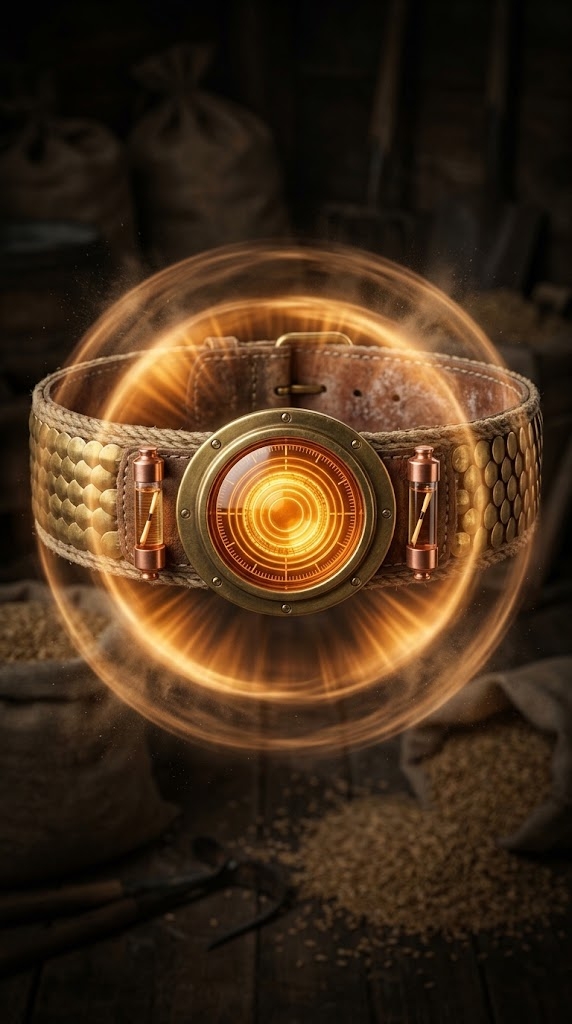
Reflecting 47 of the Dieticians Caloric Cincture
Lore: Forged along the agrarian valley communes and famine-stricken frontier hospices of Saṃsāra, this metabolic belt was engineered for nutritional counselors, ration-masters, and holistic dieticians who managed severe food scarcity and metabolic wasting. During long sieges and blight seasons, starving scavengers, ravenous beasts, and desperate riot mobs frequently assaulted provisions storehouses and nutritional overseers. By…
-
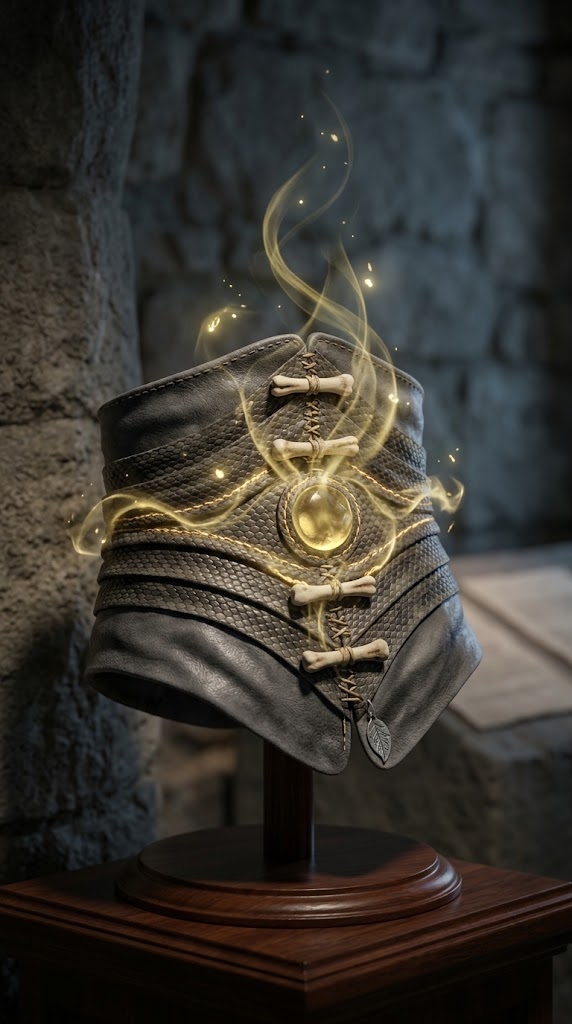
Myth 19 of the Boundless Serpent
Lore: Across Saṃsāra, street buskers, roof-striders, and escaped captives share an enduring superstition: “The bone that knows how to bow never breaks, and no cage can hold what learns to flow like milk.” This myth traces back to folk ballads of the Silk-Jointed Weaver, a legendary street acrobat of the early river cities who was…
-
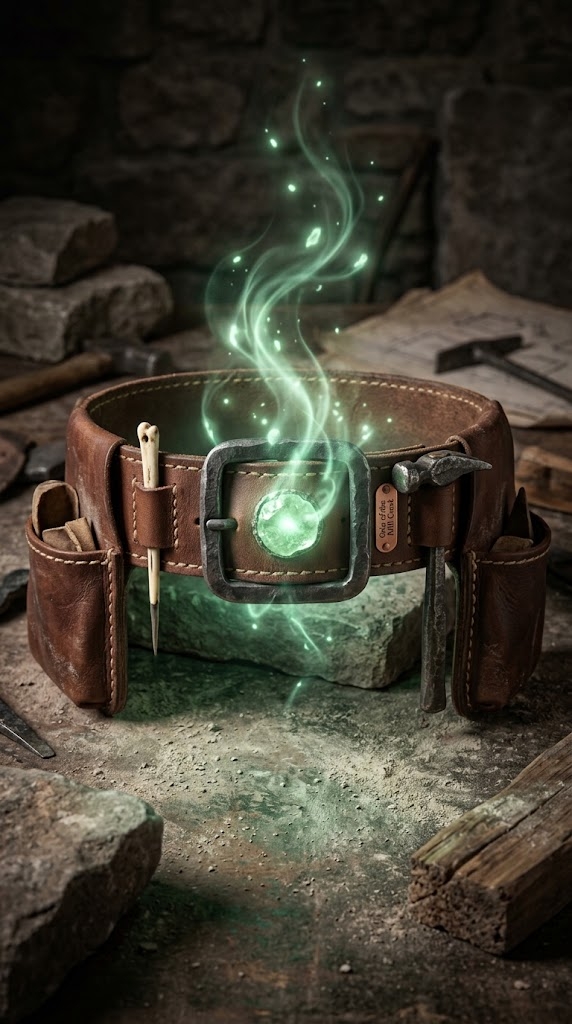
Myth 42 of the Indestructible Foundation
Lore: Across the disparate cultures of Saṃsāra, there exists an ancient, comforting superstition: “A house built upon a true foundation can never truly fall.” This belief stems from stories of master builders who, through pure conviction in their craft and unwavering faith in their designs, created structures that defied both storms and siege. The legend…
-

Myth 31 of the Frugal Husbandman
Lore: Originating among the agrarian homesteads of the Banpo plains, the superstition of the Frugal Husbandman claims that the land never truly takes back from those who refuse to waste a scrap, as grease, thread, and seed instinctively multiply within the bins of the thrifty. Across multiple island nations, rural carters, leather tanners, and hedge-foragers…
-
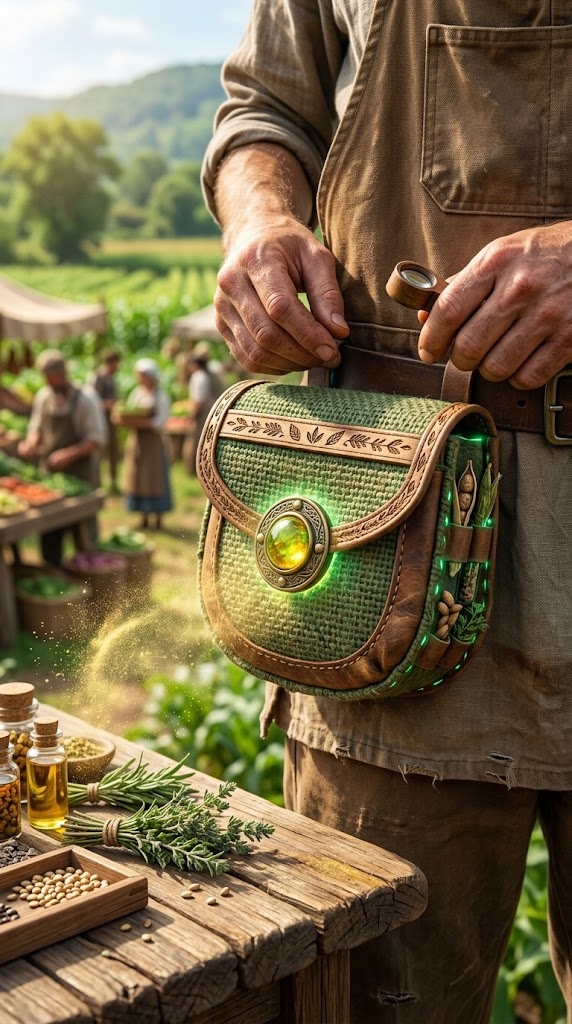
Nature 583 of the Harvesters Mercantile Pouch
Lore During the expansion of trade between the agrarian provinces of Tasian and the central river wharfs, merchants and field-gatherers struggled with the rapid spoilage and rough grading of raw biological goods. A enterprising guild botanist bound the resilient bark of oil-palms and woven hemp to a minor crystalline catalyst, creating a specialized gathering satchel.…
-
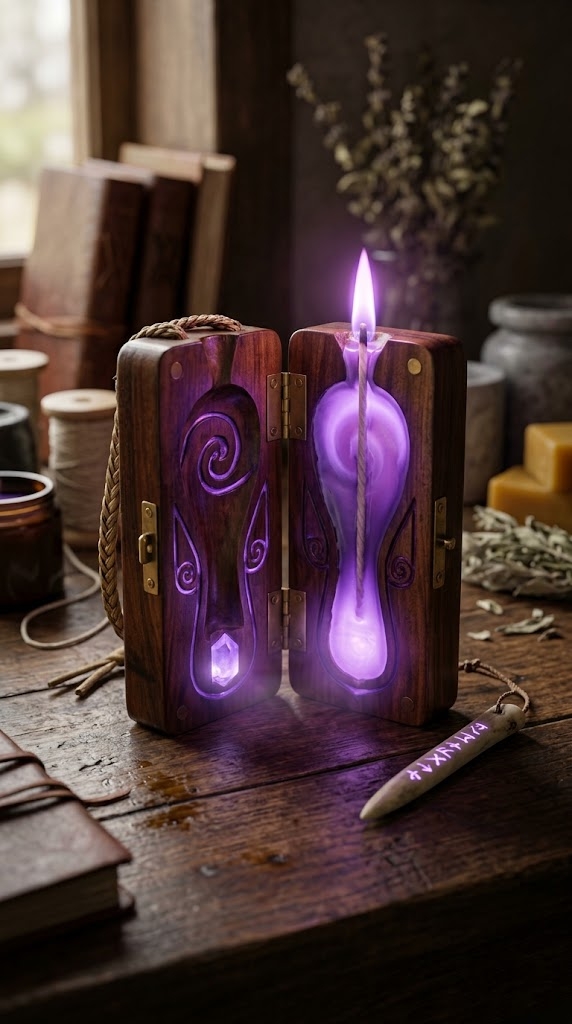
Māori 804 of the Seer Wax Mold
Lore In the coastal settlements of Saṃsāra, artisans crafting illumination tools sought ways to stabilize delicate candles against harsh ocean winds and unpredictable elemental drafts. Candlemakers turned to the ancestral traditions of matakite foresight to sense fluctuations in ambient air currents before they arrived, blending this divination with makutu warding sorcery to bind protective enchantments…
-
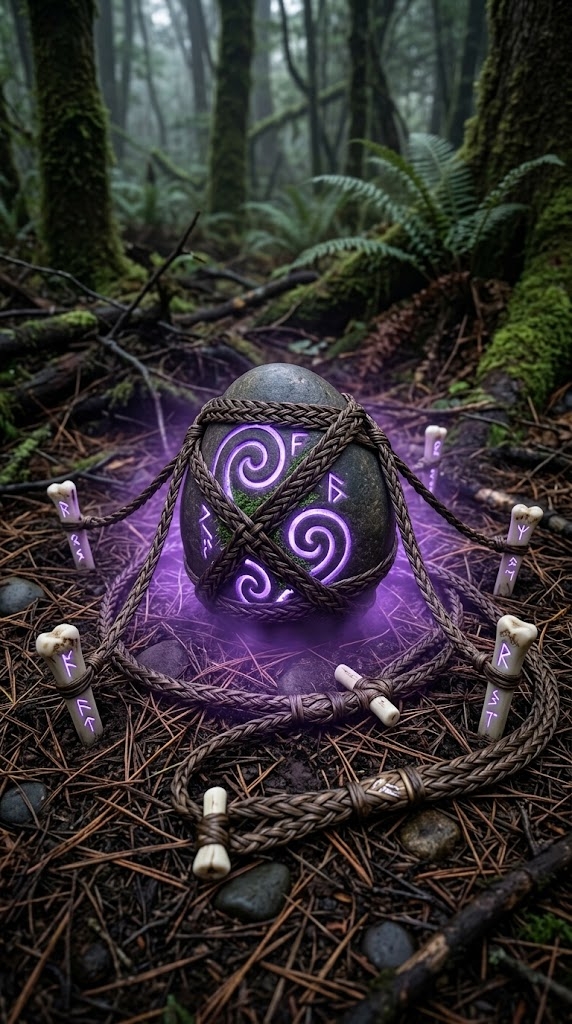
Māori 319 of the Hearth Seekers Ember Tether
Lore In the ancient, untamed wilderness of Saṃsāra’s island archipelagos, nomadic hunters and wanderers had to endure sudden elemental squalls, predator-stalked nights, and the bone-chilling damp of high volcanic forests. To ensure survival across long expeditions, tribal seers blended the spiritual divination of matakite with the foundational binding sorcery of makutu to enchant practical resting…
-
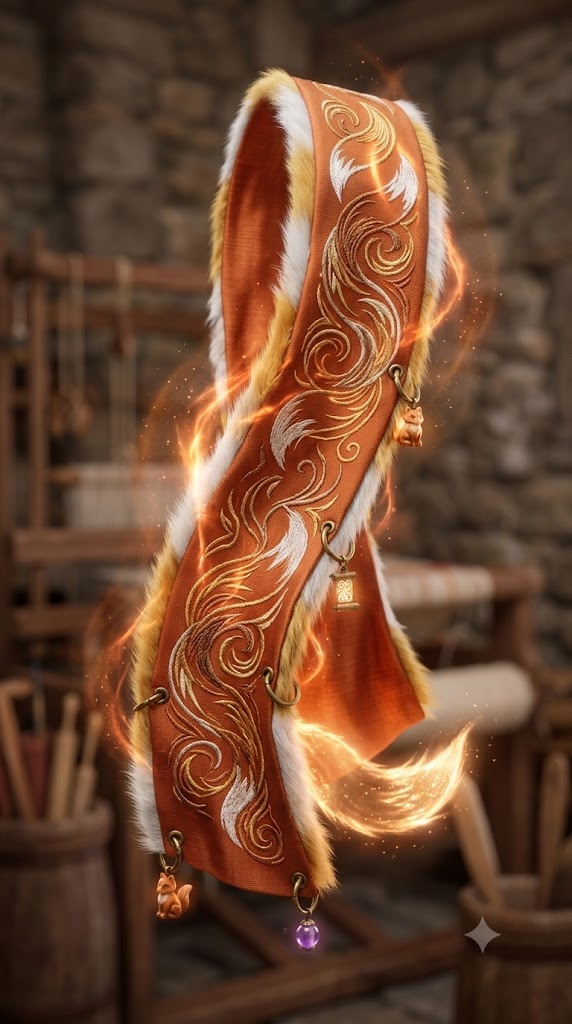
Fox Tail Sash of the Nimble Gesture
Lore: Created by an eccentric artisan from the island state of Jōmon, this vibrant sash is woven from silk and fine fox fur. Legend holds that the artisan studied the subtle tail twitches, ear pivots, and fluid movements of native sentient foxes to unlock a method of communicating without words. The magic within the fabric…
-
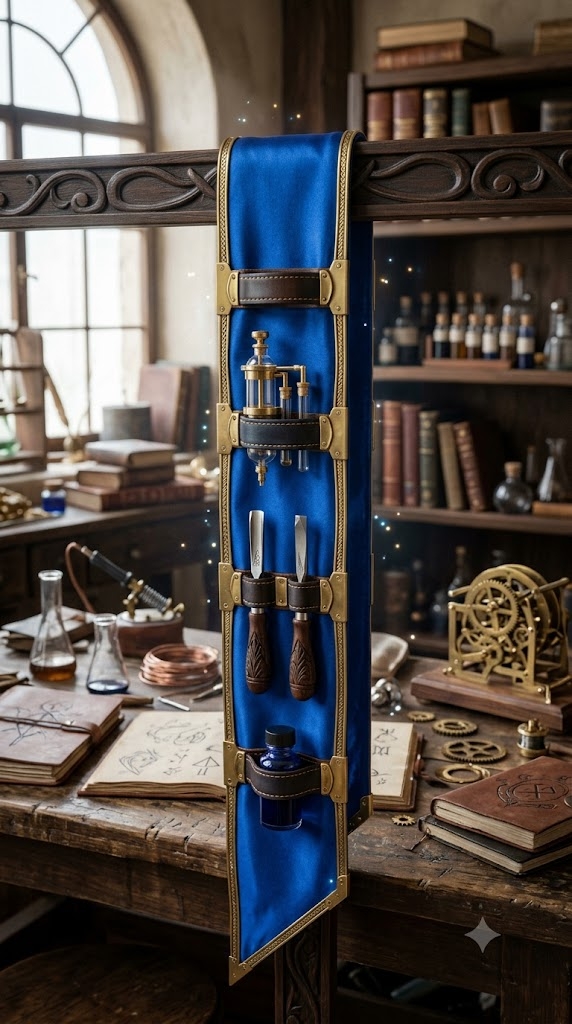
Aetherial Sash of the Master Inscriber 1056
From: Lineage 8421 of the Luminescent Weaver Slot: Waist Slot. Description: Worn as a broad ceremonial band draping from the left shoulder down to the opposing hip, this vibrant sapphire sash is built to carry precision crafting instruments. It features exactly four integrated structural slots reinforced with miniature tool loops, holding specialized alchemical fluid collectors,…
-

Item 482 of the Humble Tether
Lore In the bustling metropolises and floating cities of Saṃsāra, the influx of souls from across the multiverse often leads to a “clash of ego” where newcomers struggle to reconcile their past lives with their current status as Tier 1 avatars. The Humble Tether was originally crafted by a collective of alchemists in a skyscraper…
-
Tapa 319 of the Vein Seeker
Lore: The 319th pattern was codified by the deep-strata miners of the Iron Archipelago. While most tapa is used to record history, this specific bark-cloth is pounded with mineral-rich dust and treated with the sap of the Deep-Root Pine, a tree known for its ability to find water through miles of solid rock. The geometric…
-
Vodou 741 of the Bloodline Loom
Lore: The Bloodline Loom was originally crafted by a renegade Mambo who was obsessed with the “Gros Bon Ange”—the part of the soul responsible for biological functions. In Saṃsāra, where characters “snatch” the bodies of avatars, this item acts as a bridge between the character’s foreign memories and the avatar’s native genetic code. It is…
-
Armenian Folk Healing 54 of Accompaniment
Lore: In the isolated monasteries and mountain villages of the Caucasian peaks of Saṃsāra, the greatest fear was not death, but dying alone in the cold. The Armenian Folk Healing 54 of Accompaniment, known traditionally as the Vigil-Sash or Hskum Kamar, was woven by the wives and husbands of the sick. It is a wide,…