
Definition: Eulinor is a unique language with an emphasis on the concept of acceptance. It serves as a means of communication that promotes understanding, tolerance, and empathy among different species and cultures. Eulinor seeks to bridge the gaps between beings by fostering an environment of mutual respect and inclusivity.
Magical Powers: While Eulinor itself does not possess magical powers, its use can have a subtle but positive impact on the emotions and behaviors of those who engage with it. When spoken with genuine intent, Eulinor can soothe tensions, diffuse conflicts, and inspire cooperative attitudes among individuals. It doesn’t manipulate minds but gently nudges beings towards more harmonious interactions.
Linguistic Attributes and Structure:
- Harmonic Phrases: Eulinor is characterized by harmonic phrases and melodious intonations, creating a sense of serenity and calmness in both the speaker and the listener. The language is designed to invoke a harmonious atmosphere that encourages open-mindedness and acceptance.
- Empathetic Symbolism: Eulinor uses symbols that convey empathy and understanding, representing concepts such as unity, compassion, and the interconnectedness of all beings. These symbols resonate with the universal values that promote acceptance.
- Non-confrontational Vocabulary: Eulinor employs a non-confrontational vocabulary, avoiding aggressive or divisive terms. It emphasizes positive expressions and refrains from using words that could incite conflict or animosity.
Cultural Identity and Users: Eulinor’s cultural identity centers around peaceful coexistence and fostering a sense of unity among diverse groups. It is embraced by diplomats, peacemakers, and individuals seeking to bridge cultural gaps. Different species and cultures adopt Eulinor to communicate with one another, forging alliances and facilitating trade and cultural exchanges. The language transcends borders and is used in diplomatic circles and gatherings of diverse civilizations.
Rarity, Type, Script, Source, and History:
- Rarity: Eulinor is relatively rare compared to more common languages used for practical communication. However, its significance and usefulness in promoting harmony have gained it recognition and respect in inter-species gatherings and diplomatic circles.
- Type: Eulinor is a language of unity and understanding, designed to promote acceptance and empathy among different beings.
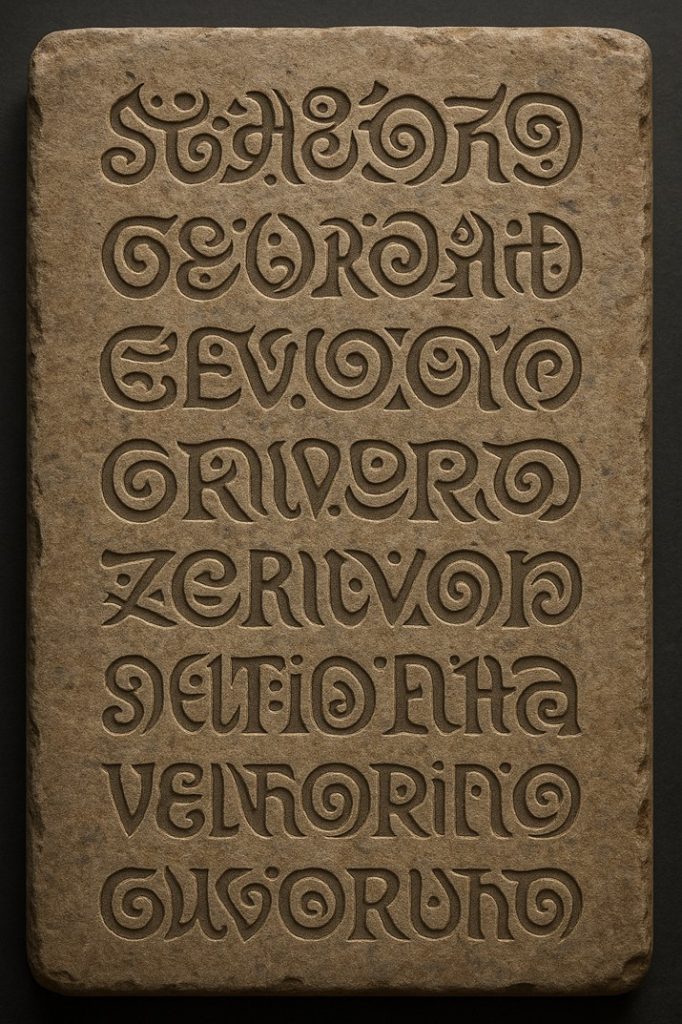
- Script: The script of Eulinor is characterized by flowing, interwoven symbols that represent the interconnectedness of life. It is written and read with a sense of grace and fluidity, mirroring the harmonious nature of the language itself.
- Source and History: The origins of Eulinor can be traced back to a group of enlightened beings who sought a way to bridge the cultural gaps between various species in their realm. They developed Eulinor as a means of promoting acceptance and understanding among different cultures. Over time, the language spread to other worlds and civilizations through peaceful interactions and diplomatic missions.
Sensory Experience: Engaging with Eulinor is a calming and uplifting sensory experience. The harmonic phrases and empathetic symbolism create an atmosphere of tranquility and acceptance. When spoken or heard, Eulinor invokes a sense of unity and oneness, encouraging individuals to be more receptive to others’ perspectives and emotions. The language fosters a deep sense of mutual understanding and respect, making it easier for beings from diverse backgrounds to communicate and connect on a meaningful level. The sensory experience of Eulinor leaves a lasting impression on participants, inspiring them to seek acceptance and empathy in their interactions with others. It is a language that fosters harmony and peaceful coexistence in a world that often faces challenges related to differences and conflicts.
Tags: acceptance, unity, tolerance, empathy, harmony, peace, coexistence, compassion, understanding, inclusivity, respect, diplomacy, serenity, interconnectedness, open-mindedness, reconciliation, cooperation
Inscriptions
- “Selorin valeth” – Acceptance is the root of strength.
- “Thariel ovren” – Unity weaves all paths together.
- “Moriva selthir” – Respect endures beyond time.
- “Eryvon caleth” – Harmony is the truest treasure.
- “Nivara thalos” – To accept is to understand.
- “Korath elunir” – All life flows into one.
- “Velorin sevath” – Compassion binds the heart.
- “Orivra thalun” – Inclusion is the greatest strength.
- “Seriva enith” – Understanding shines as light.
- “Calira voren” – Respect is the shield of peace.
- “Zelthir amora” – Harmony shapes destiny.
Political Oaths
- “Ithar selorin veyra” – I vow to rule with acceptance.
- “Thalor enivra” – By unity, I hold my power.
- “Morath elunir” – I swear compassion guides my law.
- “Velora sevath” – My reign rests on inclusivity.
- “Serath ivoren” – I promise to defend harmony.
- “Zorath calen” – My oath is peace unbroken.
- “Elyvor tharos” – I bind my word to understanding.
- “Norivra selthas” – Acceptance is the crown of my rule.
- “Korath elis” – I pledge respect to every voice.
- “Veylor enithas” – My voice shall weave unity.
- “Thuvan selorin” – I swear by inclusion and empathy.
Cultural Ceremonies
- “Sivora elunith” – We gather as one in acceptance.
- “Voriel tharen” – Harmony blesses this gathering.
- “Calorin seveth” – May compassion crown our circle.
- “Elthira valen” – Unity sanctifies this moment.
- “Serivan thalos” – We honor peace as kin.
- “Nivora elthas” – Our bonds are built on respect.
- “Zerath morin” – Inclusion is the light of joy.
- “Oriva selthir” – May empathy guide our voices.
- “Thalorin elenath” – Together, we weave harmony.
- “Eryvon calira” – May acceptance endure forever.
- “Velorin thuvath” – Our unity is our blessing.
Tongue of Open Hands
There is an old tale, carved in smooth spirals upon worn stone and sung in fragments by those who sought no war. The name of the language is given to us as Eulinor, though the ancients spoke it in softer tones, and perhaps the true name is lost in the folds of time. The story, crooked and stitched from many mouths, speaks of how Eulinor came into the world.
In the elder days, when tribes were many and mistrust grew like thorns, voices rose not to greet but to challenge. Spears crossed before hands could clasp, and suspicion filled every meal shared between strangers. The world was wide, but the hearts of people were narrow. It is said that in those days, the gods of difference looked down and despaired, for each tribe saw itself as whole and the others as broken.
Then, according to the tale, a traveler came. Her name is forgotten, though some call her Elunath, others Variel, still others simply “the Listener.” She walked not with weapons but with an open hand, and her voice carried a cadence unlike any known. When she spoke, it was as though her words bent like branches in wind, curving, never striking. She spoke in circles and flowing tones, and those who listened felt their anger soften, their suspicions ease.
The story says that Eulinor was not taught as common tongues are taught. It was not learned by rote or command, but by listening with the heart. The Listener wove sounds like music, symbols like rivers, gestures like threads joining cloth. When strangers heard her, they did not feel conquered but invited. Her words were said to be mirrors: each listener heard themselves reflected within, and thus no one felt excluded.
From her wanderings, communities began to carve her flowing symbols into stone, into wood, into walls of meeting-houses. The marks resembled streams joining, spirals interwoven, hands outstretched. These became the script of Eulinor, and though many misread it, they carried its essence forward: that every line was part of another, every curve led back to a whole.
But the story is not without warning. It tells of rulers who sought to wield Eulinor falsely, speaking with lips but not with hearts. They hoped to calm enemies and bind allies without sincerity. Yet when they spoke, the language faltered. The people heard hollowness, and instead of unity, there came silence. For Eulinor demands truth, and without it the words collapse into emptiness.
Legends claim that in times of great conflict, envoys who spoke in Eulinor could stop armies from clashing, not by magic of force but by turning suspicion into recognition. Whether this is true or only embroidered by longing, none can say. Yet the fragments of the tongue endure. Its script is still seen carved in ancient halls where councils once gathered. Its phrases echo in prayers spoken by those who seek peace, even if they do not understand the full tongue.
The crooked tale ends with the departure of the Listener, who vanished into the horizon, leaving behind only her language. Some say she became the wind itself, carrying Eulinor wherever hearts open to hear it. Others say she still walks among travelers, speaking when anger rises, reminding them that there is another path.
Moral of the Story: True acceptance cannot be forced; it flows only when spoken from the heart, joining all who listen in a bond of respect and peace.