
Definition: Velosian is a unique language with a strong emphasis on athleticism, physical prowess, and agility. It serves as a means for individuals to communicate in the context of sports, competitions, and physical activities, even across species.
Linguistic Attributes and Characteristics:
- Dynamic Vocabulary: Velosian’s vocabulary is filled with words and phrases that revolve around athleticism, sports, and physical feats. It enables speakers to express their physical abilities and achievements with enthusiasm and vigor.
- Energetic Tones: The language often employs energetic tones, reflecting the excitement and passion that athletes and competitors feel during sports and physical activities.
- Concise and Action-Oriented Structure: Velosian is structured in a concise and action-oriented manner, allowing for quick and effective communication during fast-paced situations.
Structure: Velosian follows a structured yet dynamic pattern, allowing speakers to communicate effectively in the context of athleticism and sports. The language may involve the use of concise expressions and action verbs to convey physical movements and achievements.
Cultural Identity and Usage: Velosian is used primarily by athletes, sports enthusiasts, and competitors who engage in physical activities and competitions. It has a distinct cultural identity among sports communities and individuals who value physical prowess and agility. Velosian is not commonly used outside the realm of sports and athletic events.
Rarity, Type, Script, Source, and History:
- Rarity: Velosian is relatively common within sports and athletic communities, but it is less known and used outside of those circles.
- Type: Velosian falls under the category of functional languages, as its primary purpose is to facilitate effective communication during sports and physical activities. It does not possess magical powers in the traditional sense but has the power to unite athletes and competitors in the spirit of friendly competition and sportsmanship.
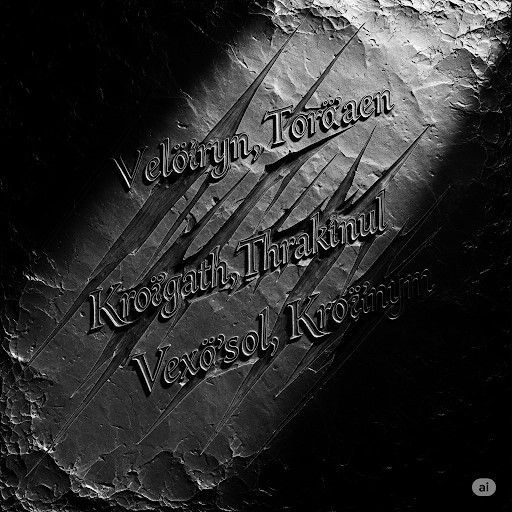
- Script: Velosian’s script appears dynamic and swift, reflecting the language’s connection to athleticism and physical agility.
- Source and History: The origins of Velosian can be traced back to ancient sporting events and competitions where effective communication was essential for coordination and strategy among athletes. Over time, it evolved into a unique language used by sports communities and competitors to convey their physical abilities and achievements.
Sensory Experience: When spoken, Velosian has an energetic and invigorating quality, as if the words themselves carry the excitement and passion of physical activities. Listeners may feel a rush of adrenaline and motivation, as the language has the power to evoke the spirit of friendly competition and camaraderie. The sensory experience is further intensified during sports events, as the athletes communicate in Velosian, creating a profound sense of unity and shared passion among participants and spectators.
In conclusion, Velosian is a unique language with an emphasis on athleticism, sports, and physical prowess. Its linguistic attributes, cultural significance, and sensory experience make it a powerful tool for athletes and competitors seeking effective communication and camaraderie.
Tags: Athleticism, Physical Prowess, Agility, Sports, Competition, Dynamic, Energetic Tones, Concise, Action-Oriented, Vigor, Enthusiasm, Swift Script, Functional Language, Camaraderie, Unity, Motivation, Coordination
Inscriptions
(For engraving on trophies, equipment, or stadium architecture)
- As it sounds: Vel’ryn, Tor’aen Meaning: Swift Run, First Victory
- As it sounds: Kro’gath, Thrak’nul Meaning: Strong Body, Unbroken Will
- As it sounds: Vex’sol, Kro’nym Meaning: Strike of Glory, Heart of Power
- As it sounds: Gath’an Vex’ul Meaning: The Body, The Ultimate Weapon
- As it sounds: Sol’aen, Lor’tor Meaning: First to the Summit, Path of Victory
- As it sounds: Ryn’nul, Gath’vel Meaning: Endless Motion, Swift Body
- As it sounds: Tor’thrak, Kro’aen Meaning: Victory Through Struggle, First in Strength
- As it sounds: Vel’aen, Vel’tor Meaning: Speed is First, Speed is Victory
- As it sounds: Nym’vex, Gath’ryn Meaning: A Striking Spirit, A Body in Motion
- As it sounds: Thrak’lor, Sol’nym Meaning: Break the Path, Spirit of Glory
- As it sounds: Aen’gath, Tor’nym Meaning: Born to Compete, Spirit of a Victor
Political Oaths
(For team captains, champions, or leaders of athletic guilds)
- As it sounds: Kro’nym, Aen’lor, Tor’aen Meaning: With a Strong Heart, I Lead the Way to Victory
- As it sounds: Gath’ryn, Nym’sol, Vex’thrak Meaning: We Compete with Body and Spirit, Not with Malice
- As it sounds: Tor’an Sol’ul, Gath’an Kro’ul Meaning: My Victory is Your Glory, My Strength is Your Shield
- As it sounds: Aen’gath, Ryn’aen, Tor’aen! Meaning: One Body, One Motion, One Victory!
- As it sounds: Sol’lor, Nym’thrak, Gath’vel Meaning: I Swear to the Path of Honor, with a True Spirit and a Swift Body
- As it sounds: Kro’gath Vex’aen, Tor’nym Ryn’ul Meaning: Our Bodies are Ready to Strike, Our Victorious Spirit is in Motion
- As it sounds: Vel’lor, Sol’nym, Tor’an Vex Meaning: For the Glory of Our City, I Strike as Champion
- As it sounds: Thrak’gath, Nul’tor, Kro’nym Meaning: Though the Body Breaks, the Spirit Shall Not Yield Victory
- As it sounds: Vex’sol, Ryn’thrak, Tor’an Aen’ul Meaning: Let Us Strike with Glory, Compete with Honor, and May the Best Win
- As it sounds: Lor’aen, Tor’aen, Sol’aen! Meaning: I Pledge the First Path, the First Victory, the First Glory!
- As it sounds: Nym’vel, Gath’kro, Ryn’tor Meaning: With a Swift Spirit and a Strong Body, We Race for Victory
Cultural Ceremonies
(For opening games, award presentations, or pre-competition rituals)
- As it sounds: Sol’aen! Gath’ryn! Tor’vex! Meaning: Let the Glory Begin! Let the Bodies Move! Let the Contest Strike!
- As it sounds: Kro’gath, Vel’nym, Sol’lor! Meaning: To the Strong of Body, Swift of Spirit, on the Path of Glory!
- As it sounds: Ryn’aen! Vel’thrak! Tor’sol! Meaning: First Run! Break Speed! Seize Glorious Victory!
- As it sounds: Tor’an Aen’ul, Gath’an Sol’ul Meaning: To the First Victor, a Body of Glory
- As it sounds: Gath’aen, Nym’aen, Vex’aen! Meaning: One Body, One Spirit, One Strike!
- As it sounds: Lor’thrak, Nym’aen, Tor’sol Meaning: Let the Path be True, the Spirit be One, and the Victory be Glorious
- As it sounds: Gath’ryn, Tor’vex, Sol’nym’ul Meaning: The Bodies Have Moved, the Contest is Struck, the Spirit is Glorified
- As it sounds: Vel’gath, Kro’vex, Tor’lor Meaning: May Your Body be Swift, Your Strike be Strong, and Your Path be Victorious
- As it sounds: Nym’an thrak’ul, Sol’an lor’ul Meaning: Their Spirits are Broken, but Their Glory Lights the Path
- As it sounds: Tor’an vex’ul! Sol’an ryn’ul! Meaning: To the Victors who Struck! To the Glory that Follows!
- As it sounds: Velos! Velos! Tor’aen! Meaning: Swiftness! Swiftness! First Victory!
Race of Sky-Fire
It is told from the glyphs carved on the oldest victory stones that there was an age when the world was slow. Creatures moved with need, not with haste. A hunt was a thing of patience, a journey was a thing of endurance, and a fight was a thing of grim necessity. There was strength, but it was the slow, grinding strength of a mountain. There was no concept of agility, no word for the glory of a body in swift motion. The spirit of competition was a fire not yet lit.
Then came the night of the Sky-Fire. What the ancients called two comets, or perhaps the spirits of gods, streaked across the great dark. They were not calm and distant like the stars; they were a blaze of energetic light, a furious race from one edge of the world to the other. One was of a silver-white fire, the other of a burning red. They chased and challenged each other in the heavens, and all who watched felt a new and strange feeling stir within them: a rush of adrenaline, a passion for the chase.
Two beings, whose true names are lost but whom the translations call Ryn (The Runner) and Vex (The Striker), were most moved by the celestial event. It is said the fire from the sky fell into their hearts and limbs. They were overcome with an urge not just to move, but to move fast; not just to be strong, but to be powerful. They looked at each other, and for the first time, they saw not just a companion, but a rival.
They began to compete. They would race to the top of a cliff, but the words they had were soft and long, unfit for the quick gasp of breath needed to say “I am winning!” They would hurl stones at a target, but the words for “a good throw” were the same as those for placing a seed in the earth. The language of their people was the language of the slow world. It could not keep up with the fire in their hearts.
Thus, their new language was not born from thought, but from action. When Ryn sprinted, the sharp hiss of his breath became the word Vel, for speed. When Vex struck a tree with his fist to test his might, the percussive grunt he made became Kro, for power. A quick, sharp cry to a fellow competitor became a word. A barked warning of a loose rock became a command. The language was concise because there was no time for more. It was energetic because it was made of the very sounds of effort. This was the tongue that would be called Velosian.
To truly honor the Sky-Fire, Ryn and Vex declared they would hold the first great competition: a race that would mimic the comets, a brutal course through canyons and over mountains. As others gathered to watch, they realized they needed words for rules, for starting, and for winning. Standing at the starting line, Ryn and Vex established the first ceremonial phrase, a challenge and a sign of respect: Gath’ryn, Nym’sol, Vex’thrak. (We Compete with Body and Spirit, Not with Malice).
The race was a thing of legend. They shouted warnings and encouragements in their new, clipped tongue. “Vel’ryn!” one would cry, meaning ‘Swift Run!’ “Kro’vex!” the other would shout before a great leap, meaning ‘Powerful Strike!’ When Ryn was victorious, crossing the finish line first, he raised his hands to the sky and let out a triumphant roar, a sound that became the word Tor, for victory. He did not say, “I have achieved the goal before my competitor.” He shouted, “Tor’aen!” (First Victory!). It was short, it was sharp, it was full of the energy of the moment.
Those who watched were mesmerized not just by the physical feat, but by the spirit of it—the camaraderie, the passion, the glorious struggle. They began to learn the action-words, not in quiet lessons, but in the training grounds and the racing paths. The language of Velosian spread from athlete to athlete, a tongue forged in the heat of competition, forever carrying the echo of the night the Sky-Fire raced.
The Moral of the Story: It is in the striving against a worthy rival that we find the truest words for our own strength.