
Definition: Harmonia is a unique language with an emphasis on bliss and harmonious emotions. It enables beings to communicate their deepest feelings of joy, serenity, and emotional unity. Harmonia transcends species barriers, allowing different creatures to share and understand the heights of blissful emotions.
Magical Powers: Harmonia possesses subtle magical powers centered around emotional resonance. When spoken or expressed with genuine bliss and harmony, the language can create an aura of emotional upliftment and unity. It can promote feelings of cooperation, understanding, and camaraderie among those who hear it. However, its magical effects are limited to emotions and do not have more significant magical abilities.
Linguistic Attributes and Characteristics:
- Blissful Emphasis: Harmonia has an extensive vocabulary dedicated to describing various forms of bliss, tranquility, and emotional unity, enabling speakers to express the depth of their harmonious experiences.
- Melodic Intonation: The language employs melodic and soothing intonations, reminiscent of calming music, enhancing the sense of emotional harmony.
- Symphonic Syllables: Harmonia uses combinations of syllables believed to evoke a sense of emotional resonance, further adding to its harmonious nature.
Structure: Harmonia is a flowing and rhythmic language, utilizing repetition and harmonic patterns to create a sense of emotional unity. It often employs metaphors and similes to convey the richness of harmonious emotions.
Cultural Identity and Users: Harmonia is closely associated with cultures that prioritize emotional well-being, cooperation, and unity. Healers, diplomats, peacekeepers, and those who seek to bridge divides are most likely to use Harmonia. Proficiency in Harmonia is often a sign of a compassionate and empathetic individual or someone who advocates for emotional harmony and unity.
Rarity, Type, Script, Source, and History:
- Rarity: Harmonia is relatively rare, known only to those who have dedicated themselves to emotional understanding and harmony.
- Type: It is primarily a spoken language, as its power is most potent when communicated through vocal symbols.
- Script: The script of Harmonia is elegant and flowing, with graceful curves and symbols that resemble musical notes or harmonic waves. It is often used in artistic expressions and works of emotional significance.
- Source: Harmonia is believed to have been a gift from celestial beings or ancient entities who sought to spread emotional harmony among mortals.
- History: Harmonia’s history is intertwined with various cultures and belief systems that value emotional connection and unity. It has been used in ceremonial rituals and meditative practices to promote emotional well-being and communal harmony.
Sensory Experience: Speaking or hearing Harmonia is a profoundly uplifting and unifying experience. The language carries a sense of peace, emotional resonance, and connection, evoking feelings of joy and serenity. Listeners may experience a profound sense of emotional understanding and unity with the speaker and those around them, fostering moments of deep emotional bonding and communal harmony.
Tags: Bliss, Harmony, Unity, Serenity, Joy, Tranquility, Emotional Resonance, Cooperation, Empathy, Compassion, Peace, Understanding, Sympathy, Calmness, Balance, Love, Connection
Inscriptions:
- “Elyria melodia” (The harmonious melody) – Meaning: Invoking emotional unity and balance.
- “Harmonaea resonantia” (The resonant harmony) – Meaning: Creating a sense of emotional resonance.
- “Pax cordis” (The peace of the heart) – Meaning: Promoting inner peace and serenity.
- “Symphonia amoris” (The symphony of love) – Meaning: Fostering emotional connection and unity.
- “Gaudia resonantia” (The joyful resonance) – Meaning: Spreading joy and happiness.
- “Serenitas mentis” (The serenity of the mind) – Meaning: Calming the mind and promoting clarity.
- “Unio emotionalis” (The emotional union) – Meaning: Creating a sense of emotional unity and connection.
- “Melodia pacis” (The melody of peace) – Meaning: Promoting peace and harmony.
- “Canticum amoris” (The song of love) – Meaning: Fostering love and compassion.
- “Resonantia cordis” (The resonance of the heart) – Meaning: Creating a sense of emotional resonance and connection.
- “Harmonia mentis” (The harmony of the mind) – Meaning: Promoting mental clarity and balance.
Political Oaths:
- “Elyria fides” (I swear upon the harmony) – Meaning: Making a solemn promise of unity and cooperation.
- “Harmonaea sacramentum” (I vow to uphold the harmony) – Meaning: Promising to promote emotional unity and balance.
- “Pax cordis tutela” (I pledge to safeguard the peace of the heart) – Meaning: Committing to protect emotional well-being.
- “Symphonia amoris fides” (I swear to the symphony of love) – Meaning: Promising to foster emotional connection and unity.
- “Gaudia resonantia sacramentum” (I vow to the joyful resonance) – Meaning: Committing to spread joy and happiness.
- “Serenitas mentis fides” (I pledge to the serenity of the mind) – Meaning: Promising to promote mental clarity and balance.
- “Unio emotionalis sacramentum” (I vow to the emotional union) – Meaning: Committing to create a sense of emotional unity and connection.
- “Melodia pacis fides” (I swear to the melody of peace) – Meaning: Promising to promote peace and harmony.
- “Canticum amoris sacramentum” (I vow to the song of love) – Meaning: Committing to foster love and compassion.
- “Resonantia cordis fides” (I pledge to the resonance of the heart) – Meaning: Promising to create a sense of emotional resonance and connection.
- “Harmonia mentis sacramentum” (I vow to the harmony of the mind) – Meaning: Committing to promote mental clarity and balance.
Cultural Ceremonies:
- “Elyria invocatio” (The harmonious invocation) – Meaning: Calling upon the power of emotional unity.
- “Harmonaea benedictio” (The harmonious blessing) – Meaning: Invoking a blessing of peace and harmony.
- “Pax cordis ritualis” (The peace of the heart ritual) – Meaning: Performing a ceremony to promote inner peace and serenity.
- “Symphonia amoris canticum” (The symphony of love song) – Meaning: Singing a song of love and unity.
- “Gaudia resonantia invocatio” (The joyful resonance invocation) – Meaning: Calling upon the power of joy and happiness.
- “Serenitas mentis benedictio” (The serenity of the mind blessing) – Meaning: Invoking a blessing of mental clarity and balance.
- “Unio emotionalis ritualis” (The emotional union ritual) – Meaning: Performing a ceremony to create a sense of emotional unity and connection.
- “Melodia pacis canticum” (The melody of peace song) – Meaning: Singing a song of peace and harmony.
- “Canticum amoris invocatio” (The song of love invocation) – Meaning: Calling upon the power of love and compassion.
- “Resonantia cordis benedictio” (The resonance of the heart blessing) – Meaning: Invoking a blessing of emotional resonance and connection.
- “Harmonia mentis ritualis” (The harmony of the mind ritual) – Meaning: Performing a ceremony to promote mental clarity and balance.
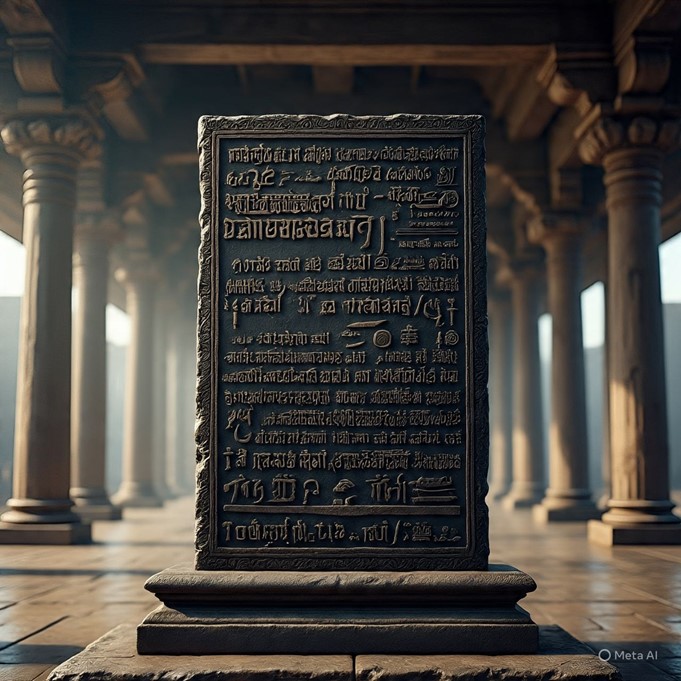
Celestial Song of Harmonia
In the forgotten dawn of time, when the stars shone bright and the celestial music of the spheres echoed through the cosmos, there existed a language of harmony and bliss, known as Harmonia. This tongue, born of the divine melodies and the vibrations of the universe, held the power to bring balance and unity to the discordant notes of mortal existence. Harmonia was not merely a means of communication but a bridge between the mortal realm and the celestial harmonies that governed the cosmos.
The tale of Harmonia begins with the Celestial Choir, a gathering of divine beings who sang the universe into existence. These celestial musicians crafted Harmonia, infusing it with the essence of the stars and the rhythms of the cosmos. As the language took form, it became clear that Harmonia was a gift to mortals, a tool to bring peace and harmony to their troubled hearts.
The first to master Harmonia were the Keepers of the Song, a group of poets and musicians who used its power to heal the rifts between nations and bring solace to the afflicted. Their words, spoken in the melodic tones of Harmonia, could calm the turbulent mind and soothe the savage beast within. The Keepers of the Song used Harmonia to create symphonies of peace, weaving together the discordant threads of mortal existence into a harmonious whole.
One such Keeper, a wise and compassionate soul named Aria, used Harmonia to create a sanctuary of peace, a place where the weary could find rest and solace. Aria’s words, sung in the celestial language of Harmonia, brought comfort to the afflicted and peace to the troubled mind. Her legacy lived on, inspiring generations of Keepers to come, as the language of Harmonia continued to spread its influence across the land.
As time passed, the knowledge of Harmonia spread far and wide, and many sought to harness its power. Some used it for noble purposes, while others sought to exploit its secrets for personal gain. The language became a double-edged sword, capable of bringing peace or masking true intentions. Yet, the essence of Harmonia remained unchanged, a beacon of hope and unity in a world often torn apart by conflict and strife.
The gods, observing the impact of Harmonia on mortals, smiled upon its use, for they knew that in its essence lay the power to heal and to bring balance. And so, Harmonia continued to flow like a celestial river, nourishing the parched earth of mortal hearts and reminding all who spoke it of the beauty and harmony that lay just beyond the reach of discord.
Moral of the Story: The story of Harmonia teaches us that words have the power to heal and to harm, to bring peace and to stir conflict. It reminds us that true power lies not in the ability to command or to control but in the capacity to bring balance and harmony to the discordant notes of existence. Harmonia’s legacy urges us to speak with kindness, to listen with compassion, and to seek unity in all that we do.