
Definition: The Artisan’s Consortium is a society or association formed by runecarvers, enchanters, jewelers, and equipment upgraders who share a common interest and purpose in the creation, enhancement, and customization of magical artifacts and equipment. This consortium serves as a platform for collaboration, skill development, and the advancement of mystical craftsmanship.
The Artisan’s Consortium brings together individuals with diverse artisanal talents and magical expertise. Members within the consortium contribute their knowledge, creativity, and dedication to the art of imbuing items with mystical properties, enhancing their attributes, and crafting exquisite jewelry.
Within the Artisan’s Consortium, members engage in regular meetings, workshops, and training sessions to refine their skills, share arcane knowledge, and experiment with new enchanting techniques. They collaborate on projects aimed at creating powerful runes, enchantments, and magical enhancements that imbue equipment with extraordinary abilities.
The Artisan’s Consortium places a strong emphasis on the mastery of magical arts, the discovery of rare materials, and the creation of unique and personalized items. Members utilize their runecarving, enchanting, and jewelry-making skills to bring forth the full potential of magical artifacts and equipment, catering to the needs and desires of adventurers, nobles, and other discerning clients.
Additionally, the Artisan’s Consortium provides support and resources to its members, including access to rare materials, esoteric knowledge, and specialized magical tools. The consortium offers mentorship programs and apprenticeships to nurture the next generation of talented artisans and encourage the exploration of new enchanting techniques.
The consortium also acts as a hub for magical artifact trade and exchange, fostering connections between artisans, collectors, and adventurers seeking to acquire or upgrade their equipment. Members of the Artisan’s Consortium collaborate with adventurers, guilds, and noble houses to create bespoke items, enhance existing equipment, and fulfill specific magical needs.
The Artisan’s Consortium is an association formed by runecarvers, enchanters, jewelers, and equipment upgraders who come together to advance the mystical arts of artifact creation, enchantment, and equipment enhancement. Through collaboration, skill development, and a commitment to arcane craftsmanship, the consortium strives to create extraordinary items, empower adventurers, and provide a supportive community for individuals dedicated to the art of imbuing magic into the material realm.
Tags: Runecarving, Enchantment, Jewelry Making, Magical Artifacts, Equipment Enhancement, Skill Development, Mystical Craftsmanship, Collaboration, Arcane Knowledge, Rare Materials
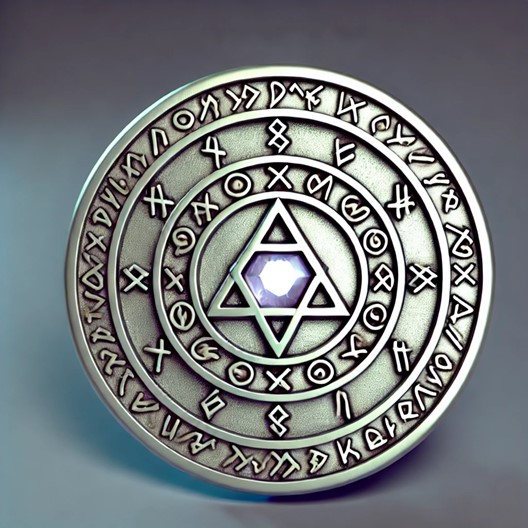
Joining the Artisan’s Consortium
Process of Joining:
- Application: Prospective members must submit an application detailing their skills, experience, and reasons for wanting to join the Consortium.
- Apprenticeship: New members typically start as apprentices, undergoing a probationary period where their skills and dedication are evaluated.
- Mentorship: Each apprentice is assigned a mentor who guides them through the initial phase, teaching them the Consortium’s unique techniques and standards.
- Acceptance: Upon successful completion of the apprenticeship and a demonstration of skill in runecarving, enchanting, or jewelry making, the apprentice is formally accepted as a member.
Benefits of Membership
- Skill Development: Members have access to workshops, training sessions, and mentorship programs that enhance their craft.
- Resource Access: Exclusive access to rare materials, esoteric knowledge, and specialized magical tools.
- Collaboration: Opportunities to collaborate on high-profile projects and commissions, enhancing one’s reputation and skill.
- Extradimensional Storage: Members can use the Consortium’s extradimensional storage, which is secure and spacious enough for significant projects and materials.
- Networking: Connections with adventurers, nobles, guilds, and other factions, fostering trade and collaborative opportunities.
- Financial Support: Access to funding and grants for significant projects or research in magical arts.
Resources Controlled
- Rare Materials: The Consortium controls the supply of rare and magical materials used in enchanting and crafting.
- Magical Tools: Specialized tools and equipment that are essential for high-level crafting and enchanting.
- Arcane Libraries: Extensive libraries containing ancient tomes, scrolls, and research papers on mystical craftsmanship.
- Workshops and Laboratories: State-of-the-art facilities equipped with everything needed for runecarving, enchanting, and jewelry making.
Limitations of the Faction
- Membership Fees: Members must pay one gold per rank per month to maintain their benefits. Failure to pay results in the temporary loss of faction-related skill points and access to resources.
- Skill Requirements: High standards for skill and dedication mean not everyone who applies is accepted.
- Faction Loyalty: Members are expected to prioritize the Consortium’s projects and interests, which can limit personal endeavors.
Leadership Concerns
- Resource Scarcity: Ensuring a steady supply of rare materials and magical tools, which are vital for their craft.
- Security: Protecting their arcane knowledge and resources from theft or sabotage by rival factions or individuals.
- Reputation: Maintaining their reputation for excellence in mystical craftsmanship and avoiding any scandals or failures that could tarnish their image.
Secret Motivations and Hidden Agendas
- Control of Magic: The leadership seeks to control the flow of magical knowledge and resources to maintain their influence and power within the magical community.
- Political Influence: They aim to increase their political power by forging alliances with powerful nobles, adventurers, and other factions.
- Innovation: Secretly working on groundbreaking projects and magical innovations that could revolutionize the use of magic in Saṃsāra.
Identifying Gestures, Pass Phrases, and Codes
- Pass Phrases: Members might use phrases related to their craft, such as “The runes align” or “Enchantment complete,” to identify themselves discreetly.
- Identifying Gestures: A subtle gesture, such as tracing a rune shape in the air with a finger, could serve as a discreet sign of membership.
- Codes: Specific combinations of magical glyphs or symbols in their correspondence or workspaces to signify their affiliation with the Consortium.
Friendly Groups
- Guild of Arcane Scholars: Often collaborates on research and development of new enchanting techniques.
- Adventurers’ Guilds: Works closely with adventurers to provide them with enchanted equipment and magical items.
- Noble Houses: Many noble houses seek the Consortium’s expertise for custom-made, enchanted items and jewelry.
These detailed elements provide a comprehensive understanding of the Artisan’s Consortium, its benefits, resources, limitations, concerns, secret motivations, and alliances, adding depth to the faction within the world of Saṃsāra.
Enemies and Rivals of the Artisan’s Consortium
- Enemies
- Shadow Syndicate:
- Description: A secretive group of rogue enchanters and dark artificers who use forbidden magic and unethical methods to create powerful artifacts.
- Conflicts: The Shadow Syndicate often attempts to steal rare materials and secrets from the Artisan’s Consortium. They engage in sabotage, espionage, and the black market trade of dangerous magical items.
- Interactions: Hostile encounters, including skirmishes and covert operations against each other. The Consortium works to protect its members and resources while undermining the Syndicate’s operations.
- Consequences: Increased security measures within the Consortium, occasional loss of valuable materials or secrets, and a constant state of vigilance against Syndicate plots.
- Cult of the Void:
- Description: A fanatical group that seeks to disrupt the balance of magic by harnessing destructive and chaotic energies from the Void.
- Conflicts: The Cult targets the Consortium’s projects and members, attempting to corrupt or destroy their creations to sow chaos.
- Interactions: Direct confrontations and magical battles. The Consortium collaborates with other factions to combat the Cult’s influence.
- Consequences: Destruction of Consortium property, endangerment of members, and a need for alliances with other factions to combat the Cult’s threats.
- Shadow Syndicate:
- Rivals
- Guild of Arcane Scholars:
- Description: A prestigious guild focused on academic study and theoretical research of magic.
- Conflicts: While both groups value the advancement of magical knowledge, the Scholars often view the Consortium’s focus on practical applications as less prestigious. Disputes arise over the interpretation of magical theory and the allocation of research grants and rare materials.
- Interactions: Competitive yet respectful; they engage in debates, academic challenges, and rivalries over high-profile projects and discoveries.
- Consequences: Healthy competition that drives innovation, occasional collaboration on significant research, and mutual respect tempered by rivalry.
- Merchant Guilds:
- Description: Various guilds controlling trade and commerce in magical and non-magical goods.
- Conflicts: The Merchant Guilds often clash with the Consortium over pricing, trade routes, and the control of rare materials. They sometimes accuse the Consortium of monopolizing resources and driving up costs.
- Interactions: Negotiations, trade disputes, and sometimes cooperative ventures. Both parties need each other but often vie for better terms and market control.
- Consequences: Trade wars, fluctuating prices of magical goods, and occasional collaborations that benefit both parties. These conflicts can disrupt markets and impact adventurers and nobles relying on their services.
- Guild of Arcane Scholars:
Consequences of Their Conflicts
- Economic Impact:
- Trade wars and disputes with the Merchant Guilds can lead to fluctuations in the availability and prices of magical items, affecting adventurers and nobles who rely on these goods.
- Security Concerns:
- Ongoing threats from the Shadow Syndicate and the Cult of the Void necessitate increased security measures, diverting resources from research and development to protection and defense.
- Innovation and Progress:
- Rivalries with the Guild of Arcane Scholars foster a competitive environment that can lead to significant advancements in magical knowledge and craftsmanship, benefiting the wider community despite the tensions.
- Alliances and Cooperation:
- Conflicts often force the Artisan’s Consortium to form alliances with other factions and groups to combat common threats, leading to strengthened relationships and mutual support networks.
- Reputation and Influence:
- Successfully defending against enemies and outperforming rivals enhances the Consortium’s reputation and influence within the magical community, attracting more skilled artisans and valuable clients.
Interactions and Relationships
- Hostile Interactions:
- The Consortium engages in covert operations, defensive actions, and magical battles with the Shadow Syndicate and the Cult of the Void to protect their interests and members.
- Competitive Interactions:
- Regular academic challenges, debates, and competitive projects with the Guild of Arcane Scholars foster a spirit of rivalry that drives both groups to excel in their respective fields.
- Negotiations and Trade:
- Ongoing negotiations and trade deals with Merchant Guilds require careful diplomacy and strategic alliances to ensure the Consortium’s access to essential materials and markets.
- Collaborative Efforts:
- Despite rivalries, the Consortium occasionally collaborates with the Guild of Arcane Scholars on significant research projects and with Merchant Guilds on mutually beneficial trade ventures.
These detailed descriptions highlight the complexities of the Artisan’s Consortium’s relationships with its enemies and rivals, the nature of their conflicts, and the broader consequences of these interactions within the world of Saṃsāra.